Top 12 Natural Monuments around Wellow
Best natural monuments around Wellow encompass a diverse landscape featuring rolling countryside, river valleys, and significant geological formations. The region includes areas within the Oolitic limestone belt and the Mendip Hills, contributing to its distinct character. Visitors can explore ancient woodlands, historical landscape features, and prominent viewpoints. These varied natural settings offer opportunities for outdoor activities and appreciating the area's natural heritage.
Best natural monuments around Wellow
- The most popular natural monuments is Kelston Roundhill, a viewpoint that offers…
Last updated: May 1, 2026
Kelston Roundhill
Highlight • Viewpoint
Tip by

The Roman Baths
Highlight • Natural Monument
Tip by

Sign up now to discover places like this
Get recommendations on the best single tracks, peaks, & plenty of other exciting outdoor places.
Sign up for free
Stoney Littleton Long Barrow
Highlight • Historical Site
Tip by

Ancient Plane Tree at Abbey Green
Highlight • Natural Monument
Tip by

Duck Pond and Stone Urn, Royal Victoria Park
Highlight • Lake
Tip by

Sign up for free to discover even more natural monuments around Wellow.
Sign up for free
Already have an account?
Start today with a free account
Your next adventure awaits.
Login or Signup
Other adventures around Wellow

Tips from the Community

A must-see when visiting Bath. Highly recommended. Worth seeing.
1
0

Fantastically beautiful views all around
0
0


The hot spring was discovered by the Romans in 43 AD.
3
0

This tree is the oldest architecturally planted stands in the world. It was planted in 1793.
0
0

Stoney Littleton Long Barrow is a neolithic chambered tomb located in Somerset that dates back to around 3500 BCE. It is thought to be one of the best preserved examples of its kind in the country! Transport yourself to the past and discover its chambered interior, intricate carvings and ancient artefacts.
2
0

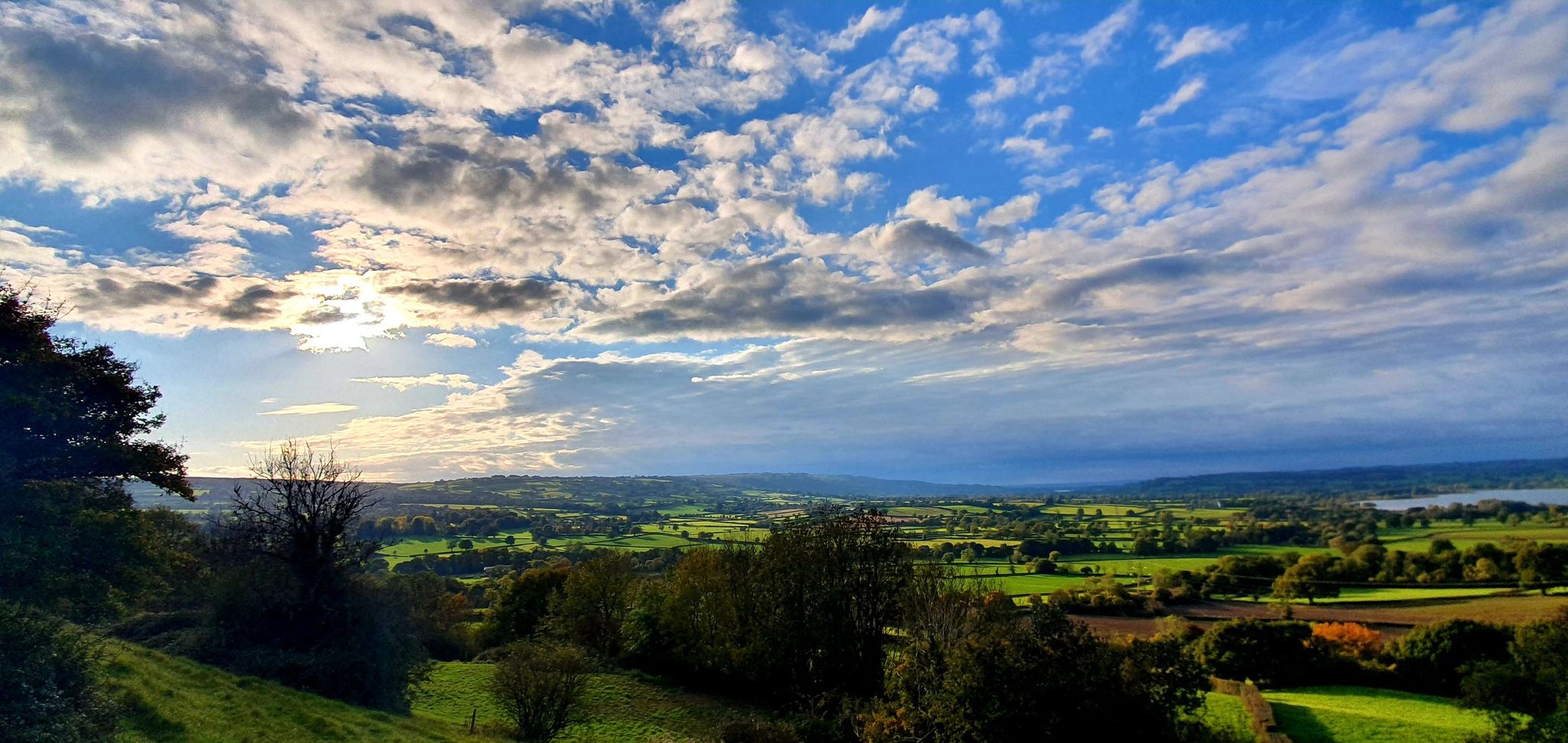
Kelston Roundhill affords spellbinding views over Bath, Bristol and Somerset. In clear conditions, you can see both Severn bridges, across to Wales and the Black Mountains, the Wiltshire Downs in the east and the Mendip Hills in the south. The countryside in this neck of the woods is magnificent; a picturesque and quintessentially-English patchwork. A superb section of the Cotswold Way runs over the hill, too.
2
0

Lively, not as previously described quiet and undiscovered place. Still, this green giant provides plenty of shade when it's hot.
0
0
Frequently Asked Questions
What are some notable natural monuments to visit around Wellow?
The Wellow area offers a variety of natural monuments. You can enjoy extensive views from Kelston Roundhill, explore the ancient Neolithic chambered tomb of Stoney Littleton Long Barrow, or discover the historical Roman Baths, built atop natural spring water. For a more tranquil experience, visit the Ancient Plane Tree at Abbey Green or the serene Duck Pond and Stone Urn in Royal Victoria Park.
What kind of natural landscapes can I expect to see in the Wellow area?
The Wellow region features a diverse landscape, including rolling countryside, river valleys like the Wellow Brook, and significant geological formations. You'll find areas within the Oolitic limestone belt and the Carboniferous limestone Mendip Hills, contributing to its distinct character. The area is also known for its picturesque patchwork of fields, woodlands, and hills.
Are there historical natural monuments to explore near Wellow?
Yes, the area is rich in historical natural monuments. The Stoney Littleton Long Barrow is a well-preserved Neolithic chambered tomb dating back to around 3500 BCE. Additionally, the Roman Baths in Bath are a significant historical site where natural spring water from the Mendip Hills was utilized by the Romans. In Nottinghamshire, remnants of a medieval dike and the Wellow Dam offer insights into historical landscape shaping.
What hiking opportunities are available near Wellow's natural monuments?
There are several hiking opportunities around Wellow. You can explore routes like the 'Wellow and Stoney Littleton Long Barrow loop' or the 'Midford & Hinton Charterhouse loop via Cam Brook'. The Wellow Brook Walk also provides peaceful strolls through a wildlife corridor. For more options, you can find detailed hiking routes on the Hiking around Wellow guide.
Are there cycling routes around the natural monuments in Wellow?
Yes, the region offers various cycling routes. You can find moderate routes such as the 'Two Tunnels Greenway – Monkton Combe village loop' or the 'River Frome – Wellow Ford Stone Bridge loop'. These routes allow you to experience the countryside and natural features. More detailed routes are available in the Road Cycling Routes around Wellow guide.
Can I find easy walks suitable for all abilities near Wellow's natural monuments?
Yes, there are easy walks available. The 'Wellow and Stoney Littleton Long Barrow loop' is an easy hiking route. The Wellow Brook Walk is also suitable for peaceful strolls. For those seeking accessible options, the Ancient Plane Tree at Abbey Green is wheelchair accessible, and Royal Victoria Park offers paved paths around its duck pond and other features.
Are there family-friendly natural monuments around Wellow?
Absolutely. The Roman Baths are listed as family-friendly, offering an engaging historical experience. Royal Victoria Park, with its duck pond and extensive green spaces, is also an excellent choice for families. Many of the general countryside walks around Wellow are suitable for families to enjoy together.
Are any natural monuments in Wellow wheelchair accessible?
The Ancient Plane Tree at Abbey Green is noted as being wheelchair accessible. Additionally, parts of Royal Victoria Park, including areas around the Duck Pond, offer paved paths that are generally accessible.
Where can I experience ancient woodlands or unique ecosystems in Wellow?
In Wellow, Nottinghamshire, you can visit Wellow Park, which is recognized as the largest remaining example of ash-wych elm woodland in the county. This Site of Special Scientific Interest (SSSI) offers a chance to experience a rare and protected ecosystem, ideal for nature enthusiasts and peaceful walks.
What wildlife might I encounter near Wellow's natural features?
The Wellow Brook and its surrounding countryside, including grasslands, scrub, and hedgerows, support diverse wildlife. Wellow Park in Nottinghamshire, as an ancient woodland, also provides a significant habitat for various local flora and fauna. Keep an eye out for birds, small mammals, and insects in these natural settings.
Are there any significant geological sites near Wellow?
Yes, the Wellow area is situated within the Oolitic limestone belt, which extends into the Cotswold Hills. To the southwest, you'll find the Carboniferous limestone Mendip Hills. These geological formations contribute to the distinct character of the region and can be observed during walks and hikes through the countryside.
What is the best time to visit Wellow's natural monuments?
The best time to visit Wellow's natural monuments largely depends on your preferred activities. Spring and summer offer pleasant weather for hiking, cycling, and enjoying the lush green landscapes. Autumn provides beautiful foliage, while winter can offer a stark, peaceful beauty, though some paths might be muddy. Always check local weather forecasts before your visit.
Where can I find information about public transport or parking near Wellow's natural monuments?
While specific parking and public transport details for each natural monument vary, general information about the Wellow Conservation Area, which includes some natural features, can be found on the Bath and North East Somerset Council website. For detailed local transport and parking, it's advisable to consult local council websites or tourist information for the specific monument you plan to visit. For example, the Wellow Conservation Area Appraisal provides some context for the Somerset area.
Most popular routes around Wellow
Most popular attractions around Wellow

Get inspired with the komoot mobile app


Explore more
Extend your search for the best caves by checking out these guides of the top ones around Wellow:
