Top 14 Natural Monuments around Twineham
Best natural monuments around Twineham are found within the wider West Sussex region, characterized by rolling hills, chalkland, and ancient woodlands. This area offers diverse natural beauty through its unique geological formations and elevated viewpoints. Visitors can explore prominent chalk hills and dry valleys that provide extensive vistas across the landscape. The region's natural features offer opportunities for walking and experiencing the local environment.
Best natural monuments around Twineham
- The most popular natural monuments is Ditchling Beacon, a natural…
Last updated: June 29, 2026
Ditchling Beacon
Highlight • Natural Monument
Tip by

Devil's Dyke
Highlight • Historical Site
Tip by

Sign up now to discover places like this
Get recommendations on the best single tracks, peaks, & plenty of other exciting outdoor places.
Sign up for free
Sussex Border Path: Ditchling Beacon to Fishersgate
Highlight (Segment) • Trail
Tip by

South Downs Way – Fulking Hill Ridge
Highlight (Segment) • Natural Monument
Tip by

Dew Pond with Lone Tree
Highlight • Structure
Tip by

Sign up for free to discover even more natural monuments around Twineham.
Sign up for free
Already have an account?
Start today with a free account
Your next adventure awaits.
Login or Signup
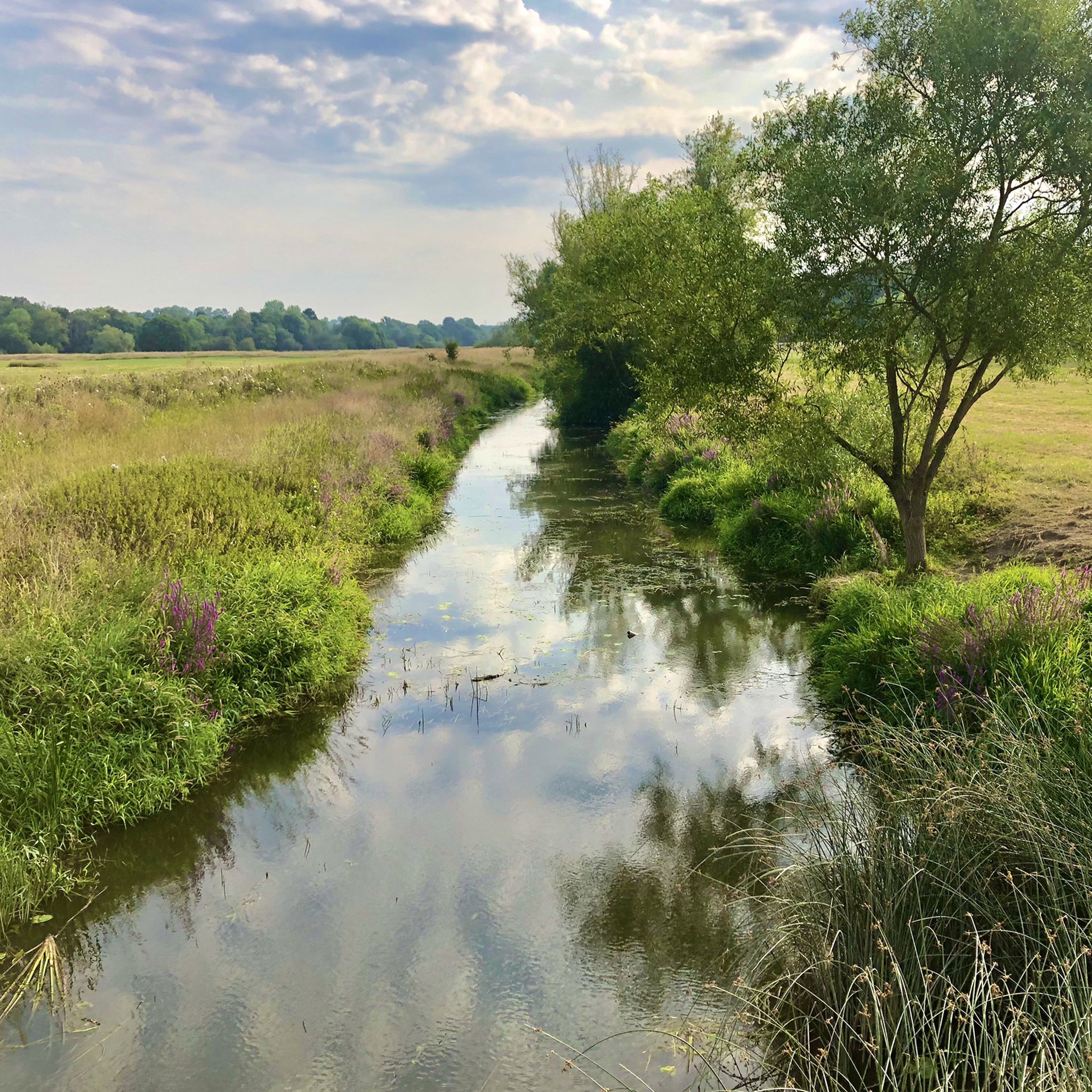
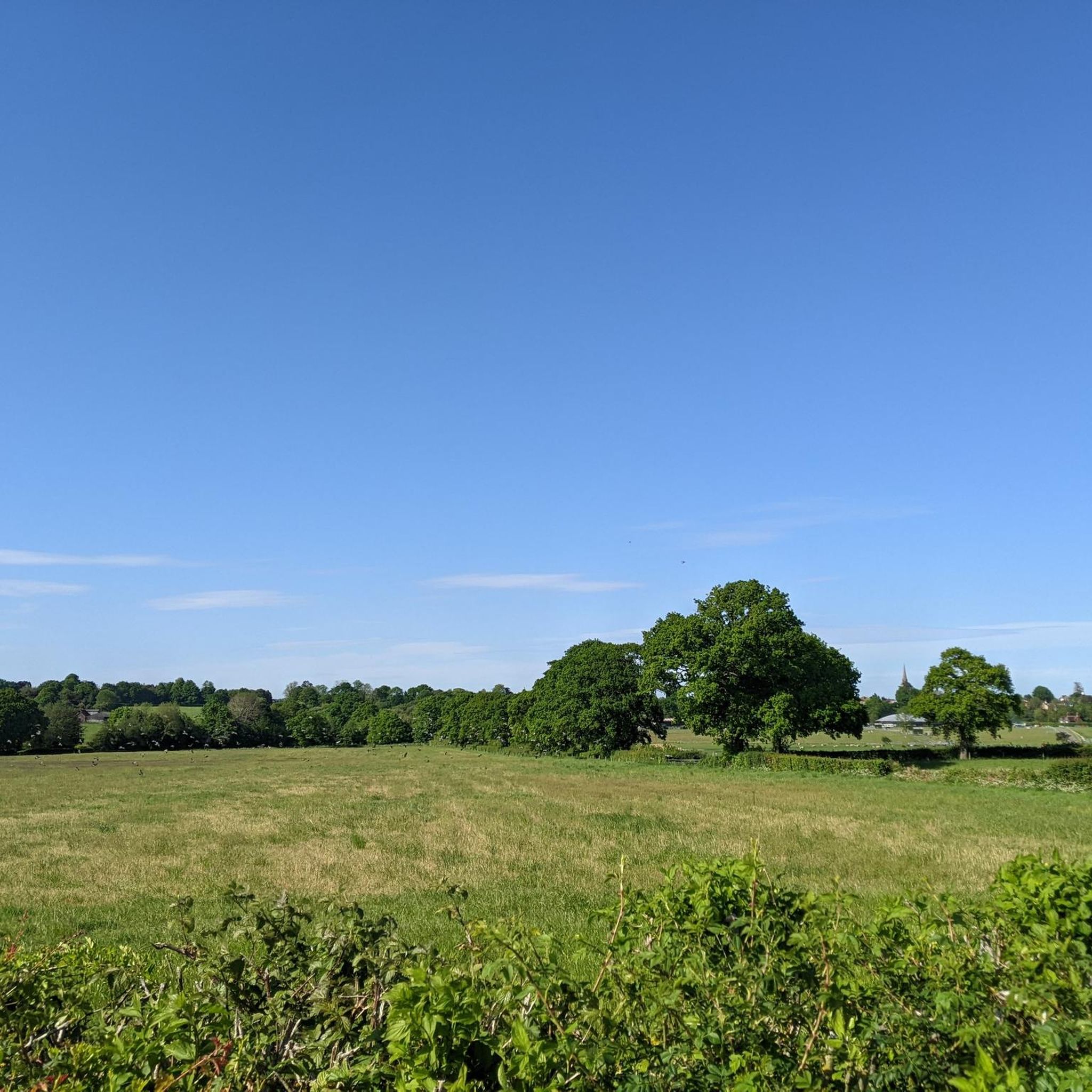
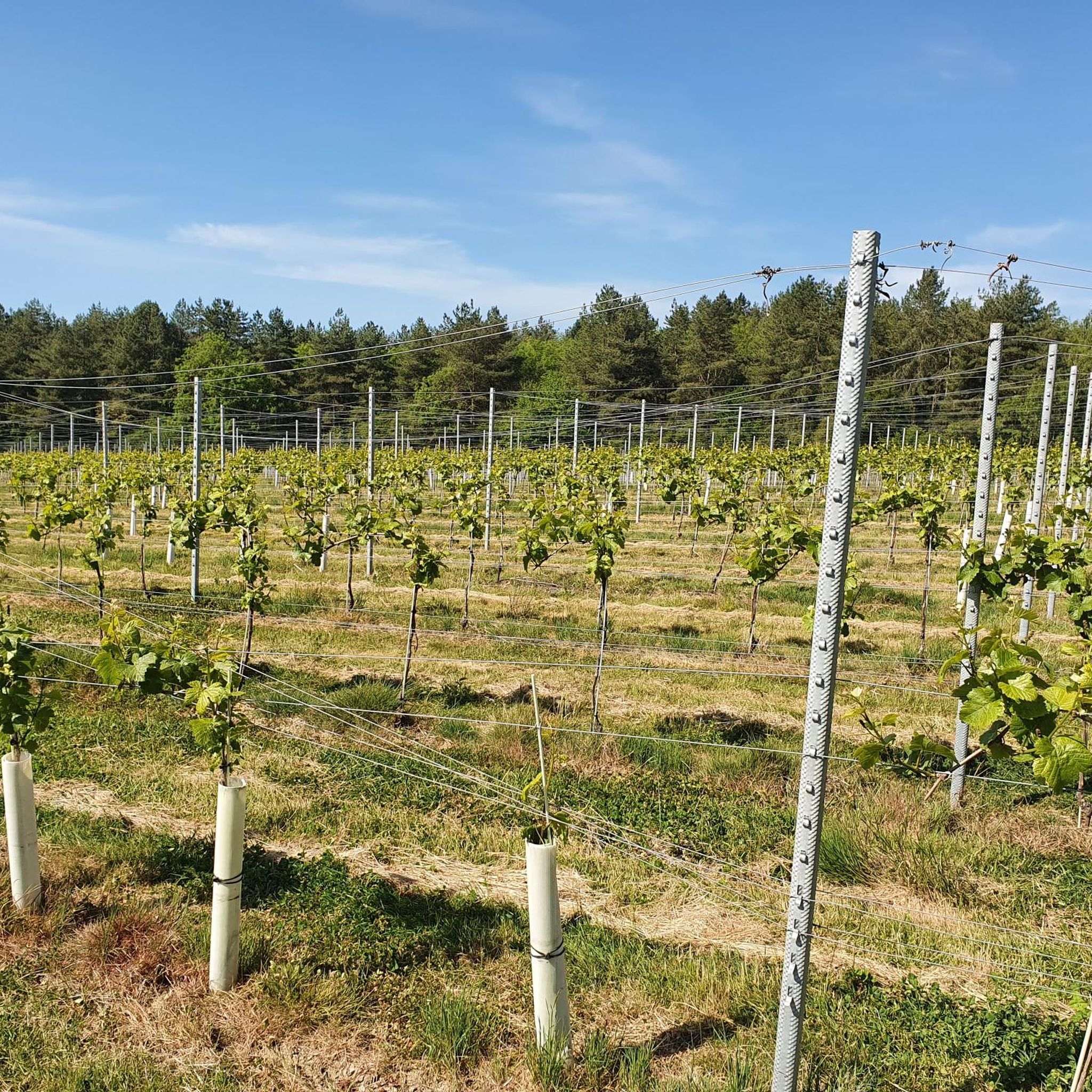
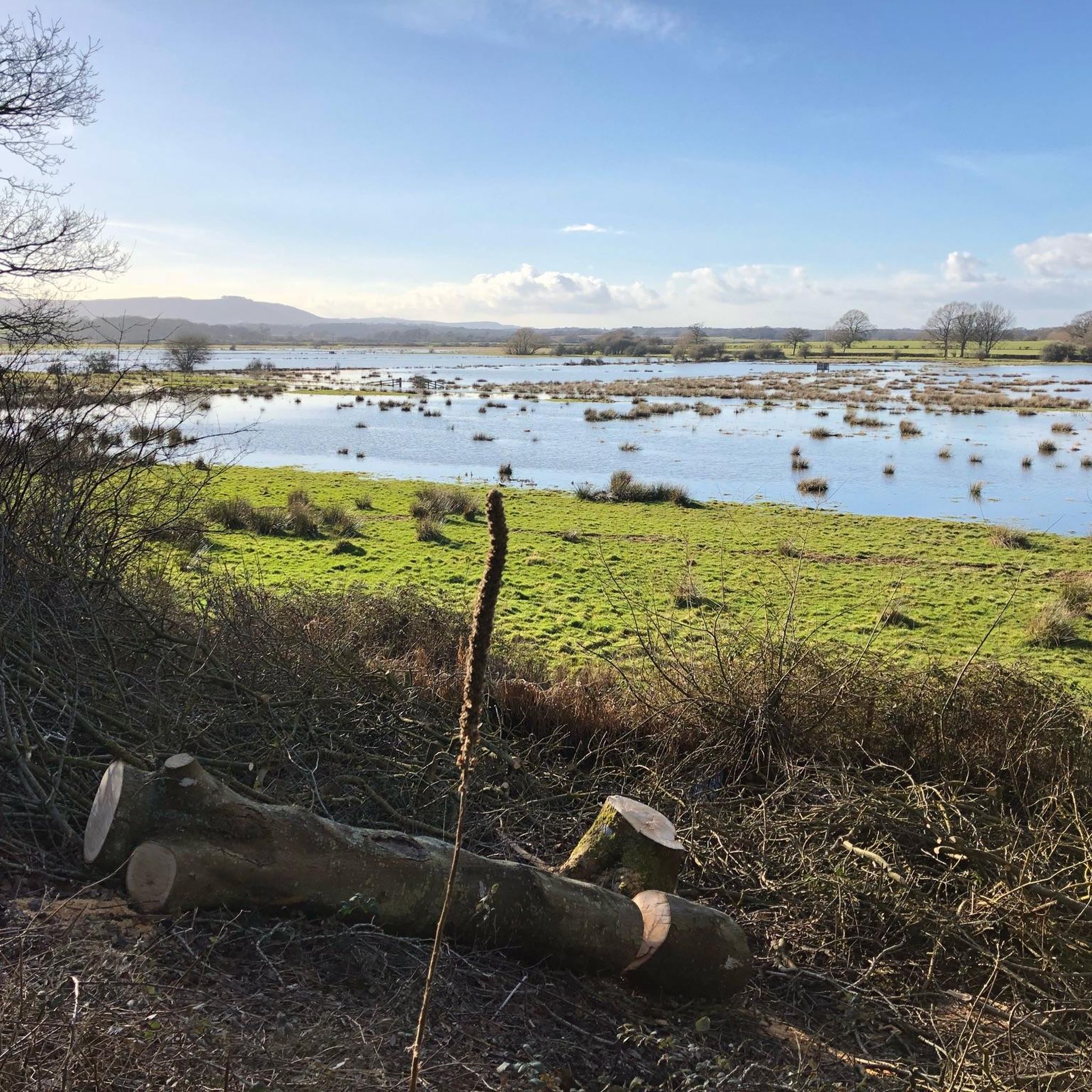
Tips from the Community

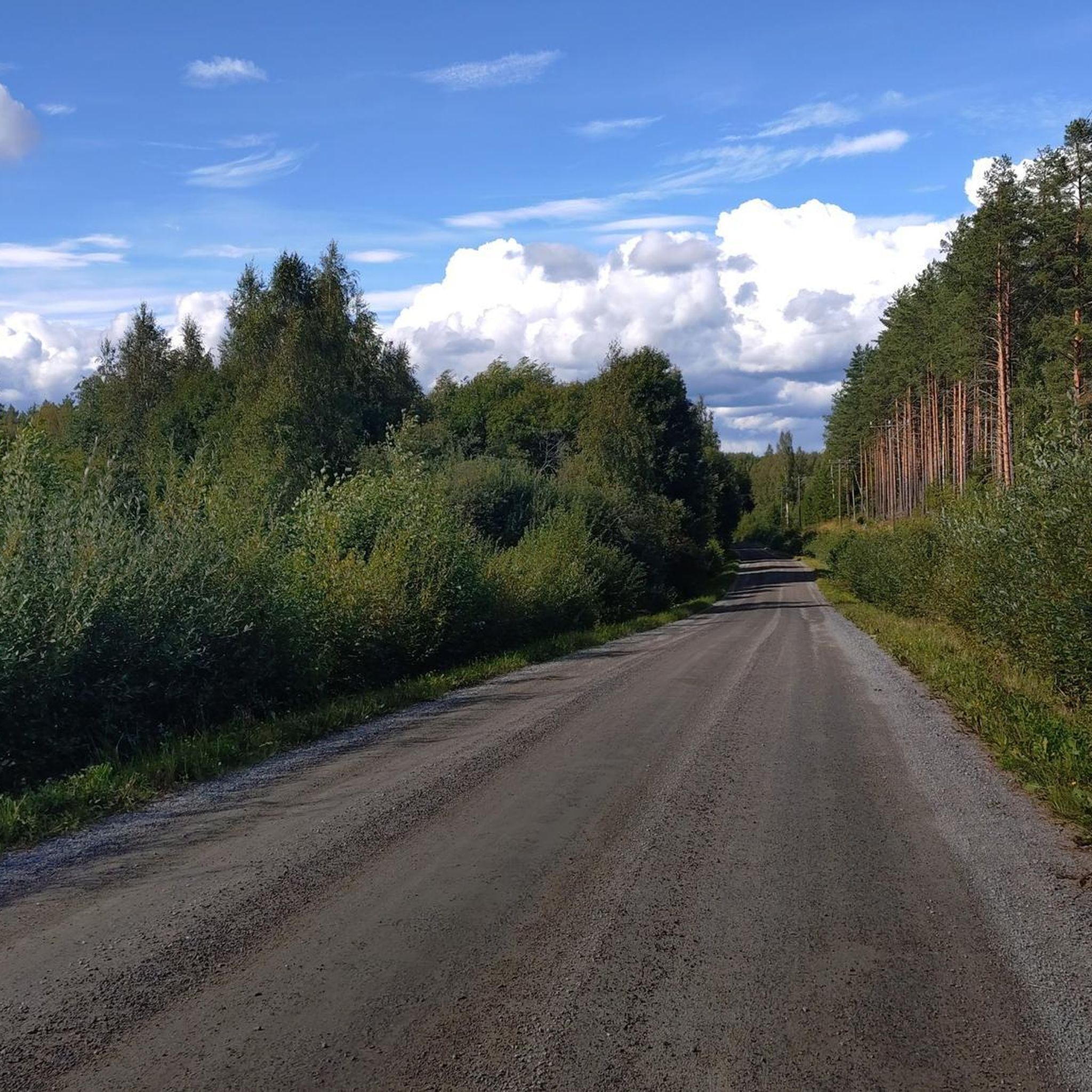
nice steady climb with breathtaking views, if you turn left at the gate (before crossing) you will see a path to your further left leading to a pub called Sheppard and Dog with a nice beer garden - this is a S2 descent so be careful
0
0


The Sussex Border Path is a long-distance footpath that is nearly 150 miles (241 km) long and goes around the county boundary of Sussex. It is a relatively new trail initiated in 1983, and since its inception, the route has only traced the county boundary. As Sussex has been split administratively into east and west for many years, there is now a new border path section running from East Grinstead to Brighton, reflecting these east and west sections. This is part of that section and runs from Ditchling Beacon to Fishersgate, or vice versa. The section is 12 miles (19 km) long and consists of Ditchling Beacon itself, sections of beautiful bridleways with sea views, and the famous Chattri Indian War Memorial.
1
1
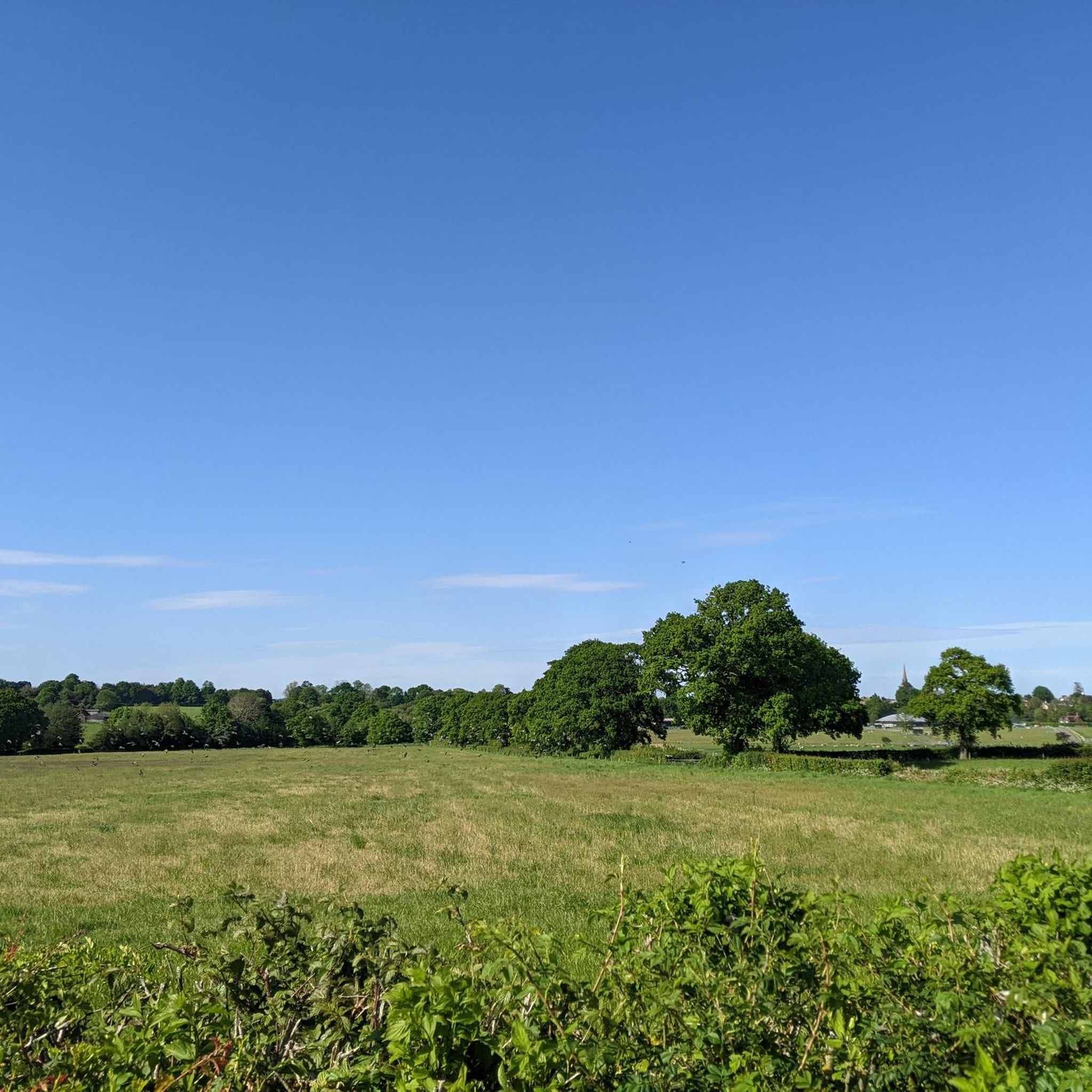
At over 650 feet (200 m), Ditchling Beacon gives you a good climb and a great vantage point to see out over the surrounding countryside. To the north you look back at the lush countryside of the Weald, to the south are views of Brighton, and to the east and west, the rolling undulating views out over the South Downs.
1
1

This is a beautiful spot, there is a trig point that is placed on one of the ramparts of the actual Iron Age hillfort here. It is very popular with walkers, and families. The valley bowl is also particularly beautiful.
1
0

Be warned of the water fullies added to the track. Sometimes the gates in the vallies are shut, sometimes not. The grass section is stunning for the views on a good day. Once at the top, it's a very gentle climb to Devils Dyke so you're nearly there.
1
0
Frequently Asked Questions
What are some notable natural monuments to visit near Twineham?
Beyond the most popular spots, you can explore Dew Pond with Lone Tree, a picturesque spot where dew ponds were historically used to collect rainwater for animals, often accompanied by beautiful views. Another significant site is the Sussex Border Path: Ditchling Beacon to Fishersgate, which offers sections of beautiful bridleways with sea views and passes by the Chattri Indian War Memorial.
What unique natural features can I expect to see around Twineham?
The region is characterized by prominent chalk hills, such as Ditchling Beacon and Wolstonbury Hill, which offer extensive panoramic views across the South Downs and the Weald. You'll also find unique V-shaped chalkland dry valleys like Devil's Dyke, known for its wildflowers and diverse butterfly species. The landscape includes open grasslands, ancient woodlands, and geological formations that provide stunning vistas.
Are there family-friendly natural monuments near Twineham?
Yes, Devil's Dyke is listed as family-friendly, offering a picturesque area for hiking and relaxing in nature. The site's fascinating geological history and open spaces make it suitable for families. Additionally, the Dew Pond with Lone Tree is also noted as family-friendly, providing a gentle spot for enjoyment.
What hiking opportunities are available near these natural monuments?
The area around Twineham offers various hiking opportunities. For instance, a moderate circular walk of about 3.5 miles (approximately 2 hours) leads to the summit of Wolstonbury Hill, rewarding hikers with stunning scenery. Ditchling Beacon is a key starting point for various walks, including a challenging 6-mile route to Devil's Dyke. You can find more hiking routes in the region by visiting the Hiking around Twineham guide.
Are there any historical or archaeological sites among the natural monuments?
Yes, several natural monuments also hold historical significance. Ditchling Beacon features an Iron Age hillfort. Similarly, Devil's Dyke was also an Iron Age hillfort, with visible earthworks and burrows in the vicinity. These sites offer a glimpse into both natural and ancient human history.
When is the best time of year to visit the natural monuments around Twineham?
The natural monuments around Twineham, particularly the chalk hills and dry valleys, are beautiful year-round. Spring and summer offer vibrant wildflowers and diverse butterfly species, especially at Devil's Dyke, making it ideal for nature observation. Autumn provides stunning views with changing foliage, while clear winter days can still offer crisp, panoramic vistas from elevated points like Ditchling Beacon.
What outdoor activities can I do near these natural monuments besides hiking?
Beyond hiking, the area around Twineham offers opportunities for cycling and gravel biking. You can explore routes such as the 'West Grinstead Station – The Downs Link loop' or 'Royal Pavilion, Brighton – Devil's Dyke Road loop'. For more details on cycling routes, refer to the Cycling around Twineham guide, and for gravel biking, check the Gravel biking around Twineham guide.
Is parking available at the natural monuments?
While specific parking details for every site are not provided, popular natural monuments like Ditchling Beacon are managed by organizations like the National Trust, which typically provide visitor facilities including parking. It's advisable to check local information for specific parking arrangements at each location before your visit.
What do visitors enjoy most about the natural monuments around Twineham?
Visitors frequently highlight the breathtaking panoramic views from elevated points like Ditchling Beacon and Wolstonbury Hill. The unique scenery of chalkland dry valleys, the abundance of wildflowers and butterflies at Devil's Dyke, and the peaceful atmosphere for hiking and relaxing in nature are also highly appreciated. The area's blend of natural beauty and historical elements adds to its appeal.
Are the natural monuments around Twineham dog-friendly?
Yes, some natural monuments are noted as dog-friendly. For example, the Dew Pond with Lone Tree is specifically mentioned as a place where 'dogs love to dip into water'. Generally, many public access areas within the South Downs are suitable for dogs, though it's always recommended to keep them under control, especially near livestock.
How long should I plan for a visit to these natural monuments?
The duration of your visit can vary depending on the monument and your activity. For a site like Wolstonbury Hill, a moderate circular walk can take approximately 2 hours. Exploring Ditchling Beacon or Devil's Dyke could range from a quick stop for views to a half-day or full-day hike, especially if combining them with longer trails like the Sussex Border Path.
Most popular attractions around Twineham

Get inspired with the komoot mobile app


Explore more
Extend your search for the best caves by checking out these guides of the top ones around Twineham:
