Top 8 Natural Monuments around East Challow
Natural monuments around East Challow encompass a landscape rich in ancient sites and geological formations. This Oxfordshire region features prehistoric chalk figures, Iron Age hillforts, and Neolithic burial mounds. The area provides opportunities to explore both cultural heritage and the natural environment. There are 8 natural monuments to discover in the vicinity of East Challow.
Best natural monuments around East Challow
- The most popular natural monuments is Wayland's Smithy Long Barrow, a historical site that is a Neolithic chambered…
Last updated: June 29, 2026
Uffington White Horse
Highlight • Monument
Tip by

Uffington Castle Hillfort
Highlight • Summit
Tip by

Sign up now to discover places like this
Get recommendations on the best single tracks, peaks, & plenty of other exciting outdoor places.
Sign up for free
Wayland's Smithy Long Barrow
Highlight • Historical Site
Tip by
Scutchamer Knob
Highlight • Viewpoint
Tip by

Dragon Hill
Highlight • Natural Monument
Translated by Google •
Tip by

Sign up for free to discover even more natural monuments around East Challow.
Sign up for free
Already have an account?
Start today with a free account
Your next adventure awaits.
Login or Signup
Tips from the Community

Really inspiring location on the Ridgeway National trail
0
0

Scutchamer Knob is an ancient Iron Age burial mound and historic landmark on the Ridgeway. Along my King Alfred’s Way bikepacking route, it was a memorable spot to pause before the final stretch to Reading. 📜 Once a Saxon meeting place, this hilltop offers panoramic views of the surrounding Berkshire downs—a perfect blend of history and landscape. 🚴♂️ A short climb rewards you with quiet reflection and wide-open skies.
0
0

Tip: If you're hiking at White Horse Hill in Uffington, take your time to soak in the ancient history and breathtaking views. The hill is home to the famous Uffington White Horse, a prehistoric chalk figure carved into the hillside over 3,000 years ago. Hike: The trail around the hill offers stunning panoramas of the Vale of White Horse and beyond. You can extend your walk to Dragon Hill, a small flat-topped hill linked to legends of St. George, and even further to Wayland’s Smithy, a Neolithic burial chamber. The open landscape and rolling hills make for a refreshing and scenic hike!
0
0
small, flat-topped hill near White Horse Hill in Uffington, shrouded in myth and legend. One of the most famous stories claims that this is where St. George slew the dragon. The bare patch of chalk at the top is said to be the spot where the dragon’s blood spilled, making the grass unable to grow there. Geologically, the hill is a natural chalk formation, but its unusual shape and connection to local folklore make it a fascinating stop on any hike in the area. From the top, you get a great view of the surrounding countryside, adding to the mystical feel of the place!
0
0
If you're hiking at White Horse Hill in Uffington, take your time to soak in the ancient history and breathtaking views. The hill is home to the famous Uffington White Horse, a prehistoric chalk figure carved into the hillside over 3,000 years ago. The trail around the hill offers stunning panoramas of the Vale of White Horse and beyond. You can extend your walk to Dragon Hill, a small flat-topped hill linked to legends of St. George, and even further to Wayland’s Smithy, a Neolithic burial chamber. The open landscape and rolling hills make for a refreshing and scenic hike!
0
0
If you're hiking at White Horse Hill in Uffington, take your time to soak in the ancient history and breathtaking views. The hill is home to the famous Uffington White Horse, a prehistoric chalk figure carved into the hillside over 3,000 years ago. The trail around the hill offers stunning panoramas of the Vale of White Horse and beyond. You can extend your walk to Dragon Hill, a small flat-topped hill linked to legends of St. George, and even further to Wayland’s Smithy, a Neolithic burial chamber. The open landscape and rolling hills make for a refreshing and scenic hike! Attention - no drones allowed
0
0
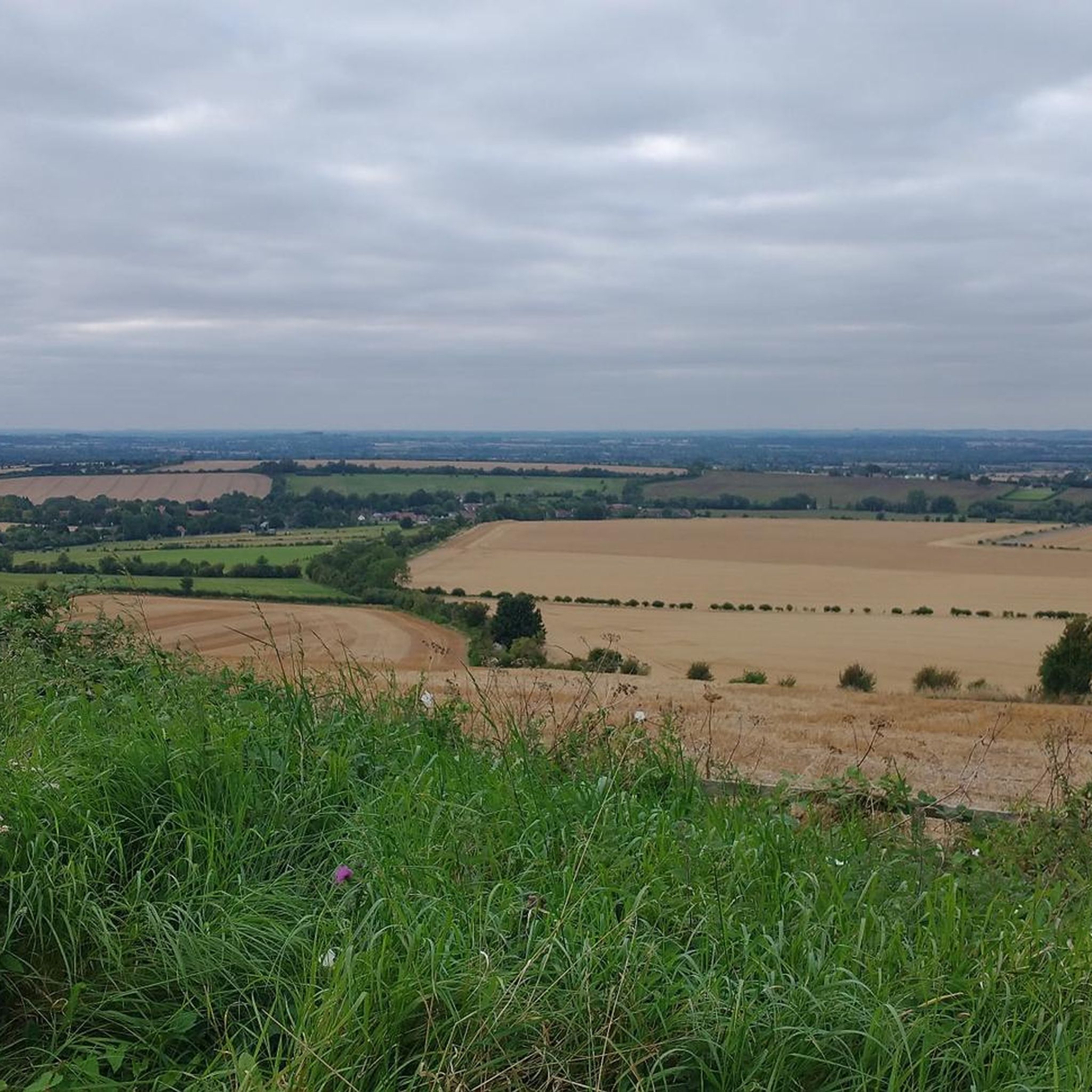
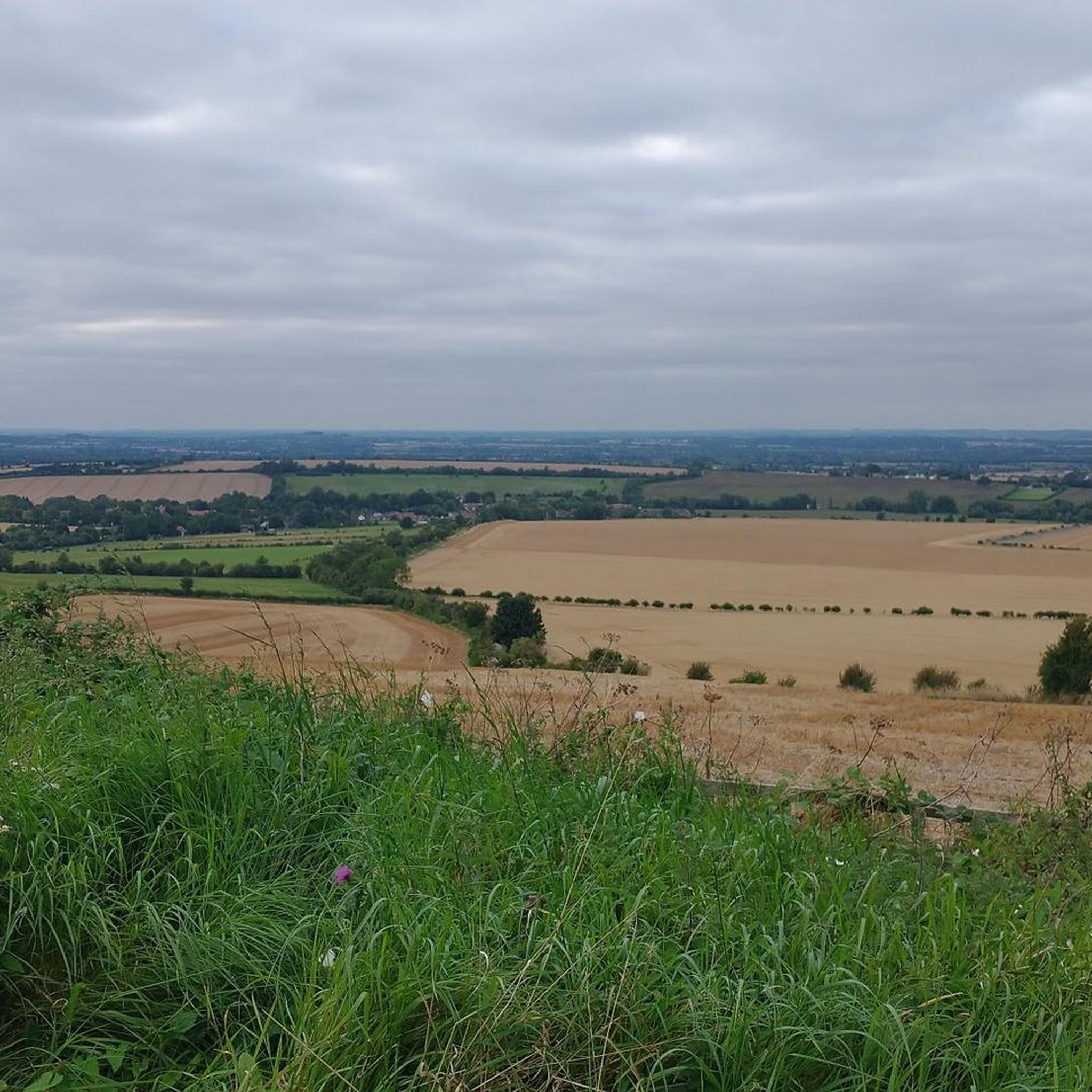
If you're hiking near Uffington Castle Hillfort, take a moment to explore the surrounding landscape. The views from the top are incredible, and you're right next to the famous Uffington White Horse. It's a great spot for a break and some amazing photos! Atention - no drones allowed.
0
0

Open all day and night. A very intriguing place. I sat for around half an hour one morning, had some breakfast and moved on. didn't see anybody else. found it very peaceful. unbelievable just how old it actually is.
1
0
Frequently Asked Questions
What historical natural monuments can I explore near East Challow?
The region around East Challow is rich in historical natural monuments. You can visit Wayland's Smithy Long Barrow, a Neolithic chambered long barrow with a fascinating history. Another significant site is Uffington Castle Hillfort, a large Iron Age hillfort offering panoramic views. Adjacent to the hillfort is the iconic Uffington White Horse, a prehistoric chalk figure over 3,000 years old.
Are there any unique natural formations or viewpoints in the East Challow area?
Yes, the area features several unique natural formations and viewpoints. Dragon Hill, a small, flat-topped hill near the White Horse, is steeped in myth and offers fantastic views. Further afield, Wittenham Clumps (Round Hill and Castle Hill) provide breathtaking views over the River Thames. The Lord Wantage Monument, situated high on The Ridgeway, also offers stunning vistas of the Vale.
What walking and hiking opportunities are available near these natural monuments?
Many natural monuments in the East Challow area are connected by excellent walking and hiking routes. The ancient Ridgeway, Britain's oldest road, passes near many sites like the Uffington White Horse and Wayland's Smithy, offering opportunities for mountain and gravel biking, as well as walking. For specific routes, you can explore easy hikes around East Challow, including paths through Letcombe Valley Nature Reserve.
Are the natural monuments around East Challow suitable for families?
Yes, many natural monuments in the area are family-friendly. Sites like Wayland's Smithy Long Barrow offer an engaging historical experience for all ages. The open spaces around Uffington White Horse and Uffington Castle Hillfort are great for children to explore and enjoy the outdoors. Always check the specific accessibility for younger children or strollers for each site.
Can I bring my dog to the natural monuments in this region?
Most natural monuments and the surrounding trails, including The Ridgeway, are dog-friendly. However, it's essential to keep dogs on a lead, especially near livestock or ground-nesting birds, and to clean up after them. Always check for specific signage at each site regarding dog policies.
What is the best time of year to visit the natural monuments around East Challow?
The natural monuments around East Challow can be visited year-round, but each season offers a different experience. Spring and summer provide warmer weather and lush landscapes, ideal for longer walks. Autumn brings beautiful colours to the countryside. Winter can offer crisp, clear views, though paths may be muddy. For walking, late spring to early autumn generally provides the most comfortable conditions.
Are there any challenging hikes or circular routes that incorporate these natural monuments?
Yes, the area offers various routes, including challenging options. The Ridgeway itself provides extensive opportunities for longer, more demanding walks and cycles. For example, a difficult 29.86 km running trail from Wantage incorporates the Uffington White Horse and Uffington Castle Hillfort. You can find more options in the running trails around East Challow guide, which includes routes of varying difficulty.
What kind of wildlife can I expect to see near the natural monuments?
The natural monuments are set within a diverse landscape, offering opportunities to spot various wildlife. The chalk downlands and ancient woodlands are home to numerous bird species, including red kites and buzzards. You might also encounter deer, badgers, and a variety of insects and butterflies, especially in the warmer months. Areas like Wittenham Clumps are particularly rich in wildlife.
How long should I plan for a visit to the natural monuments?
The duration of your visit depends on which monuments you choose to see and how much walking you plan to do. You could spend a couple of hours exploring the Uffington White Horse and Uffington Castle Hillfort area. A visit to Wayland's Smithy Long Barrow, often combined with a section of The Ridgeway, could take 1-2 hours. For a more comprehensive experience, consider dedicating a full day to explore multiple sites and enjoy a longer hike.
Are there cafes or pubs near the natural monuments for refreshments?
While some natural monuments are in rural settings, you'll find cafes and pubs in nearby villages and towns like Wantage and Uffington. It's advisable to check opening times in advance, especially if visiting during off-peak seasons. Some longer routes, like those found in the road cycling routes around East Challow guide, specifically mention cafes like 'Great Café' or 'Marmalade Coffee' as points of interest.
What are the parking options for visiting these natural monuments?
Parking is generally available near the more popular natural monuments. For instance, there is a dedicated car park for the Uffington White Horse and Uffington Castle Hillfort. For other sites like Wayland's Smithy, parking might be available in nearby lay-bys or small car parks. Always look for designated parking areas and be mindful of local residents when parking in villages.
Most popular attractions around East Challow

Get inspired with the komoot mobile app


Explore more
Extend your search for the best caves by checking out these guides of the top ones around East Challow:
