Top 3 Natural Monuments around Aller
Natural monuments around Aller are characterized by the river's expansive natural landscape, including its meadows and forests. The Aller is a 215-kilometer-long river flowing through Saxony-Anhalt and Lower Saxony, Germany. While the Aller-Leine Valley is recognized for its natural tranquility, the region's value lies in its serene riverine environment rather than singular, prominent geological features. Less-disturbed sections of the river, such as a 20-kilometer stretch near Gifhorn, preserve its natural, meandering riverbed, offering a glimpse into its original state.
Best…
Last updated: October 16, 2026
Burrow Mump
Highlight • Religious Site
Tip by

Walton Hill
Highlight • Viewpoint
Tip by
Sign up now to discover places like this
Get recommendations on the best single tracks, peaks, & plenty of other exciting outdoor places.
Dundon Beacon Nature Reserve
Highlight • Natural Monument
Tip by

Wild Swimming in the River Parrett
Highlight • River
Tip by

Start today with a free account
Your next adventure awaits.

Tips from the Community

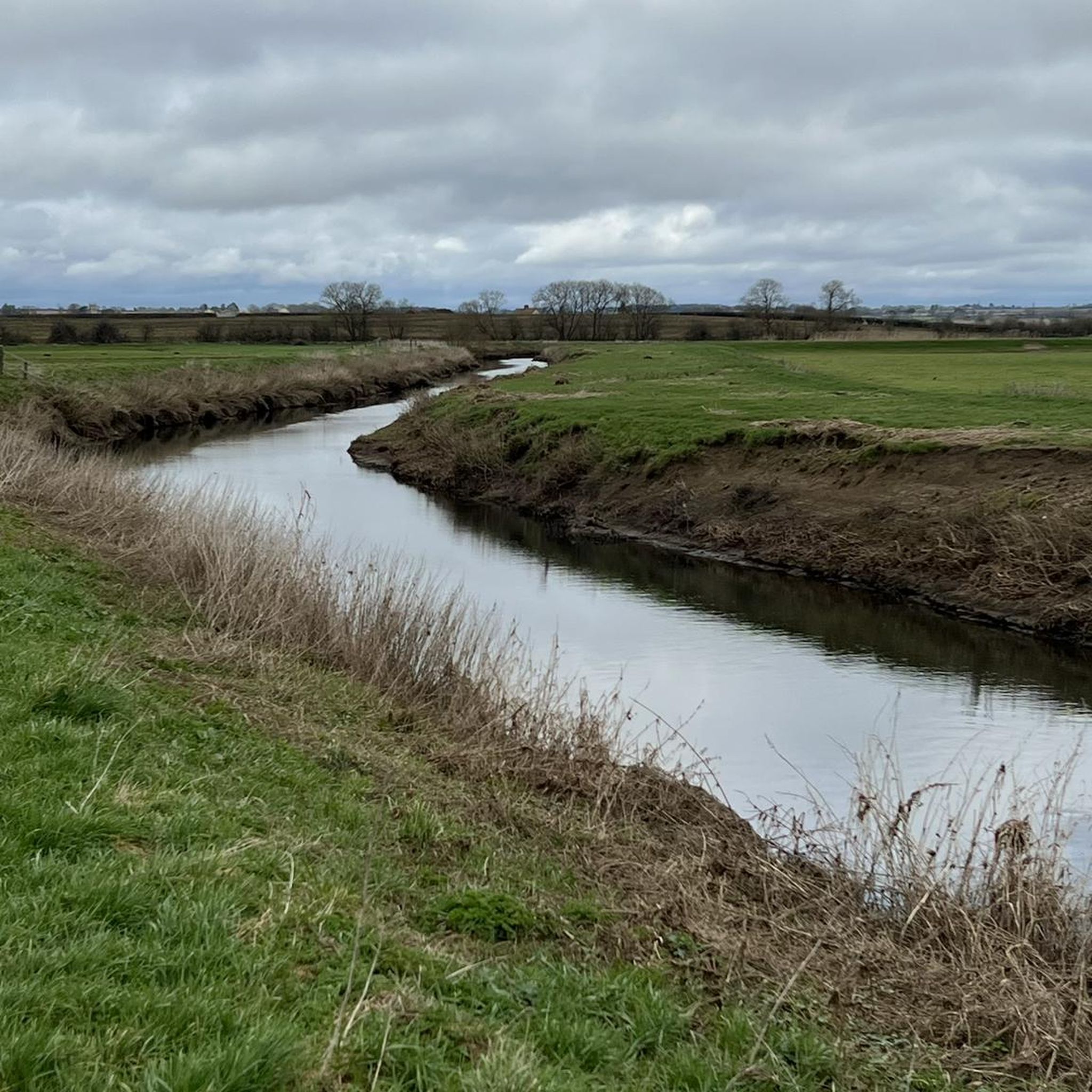
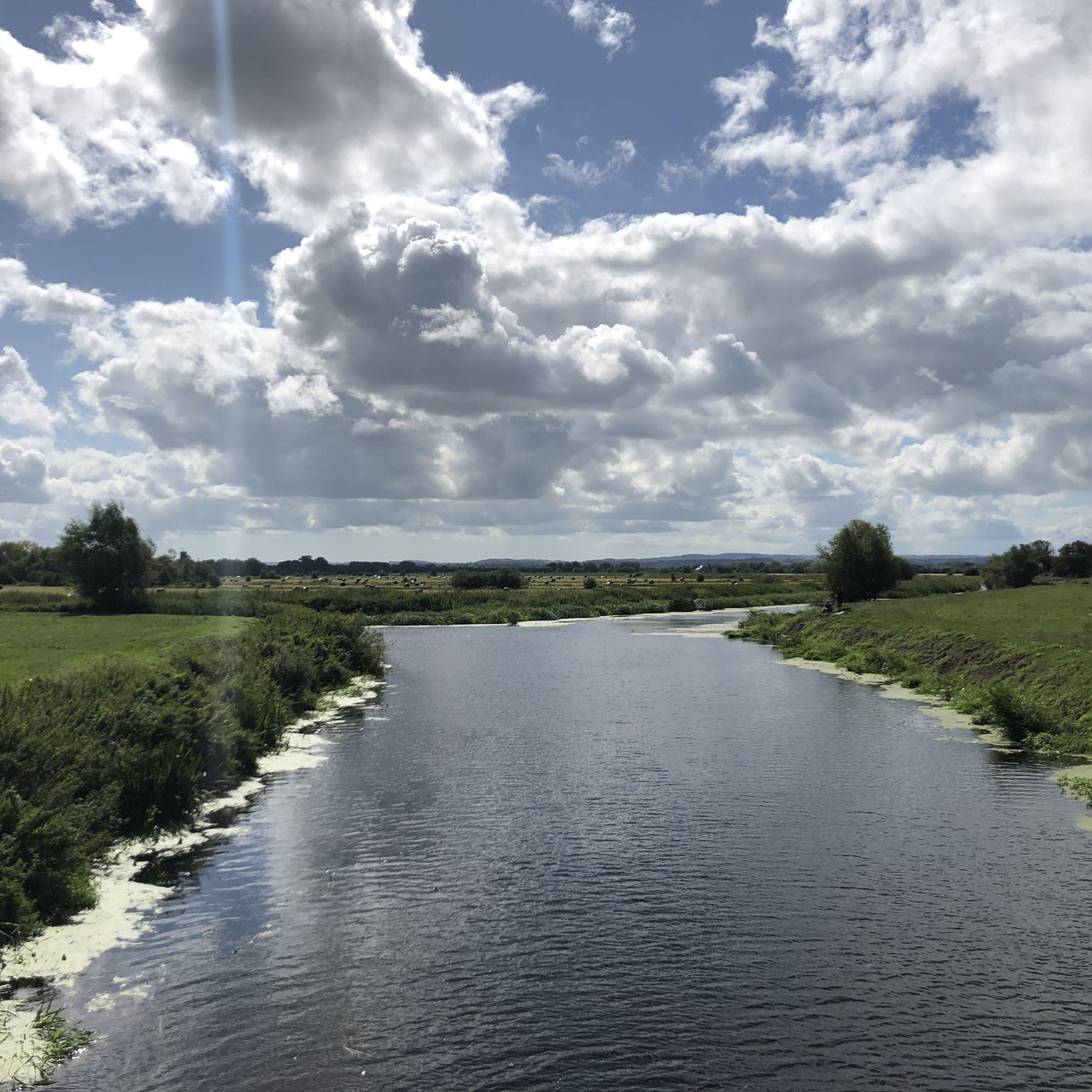
Dip your feet or go all in for some wild swimming in the River Parrett. There are small jetties near the riverside path.
0
0
Dip your feet or go all in for some wild swimming in the River Parrett. There are jetties along the riverside path.
0
0

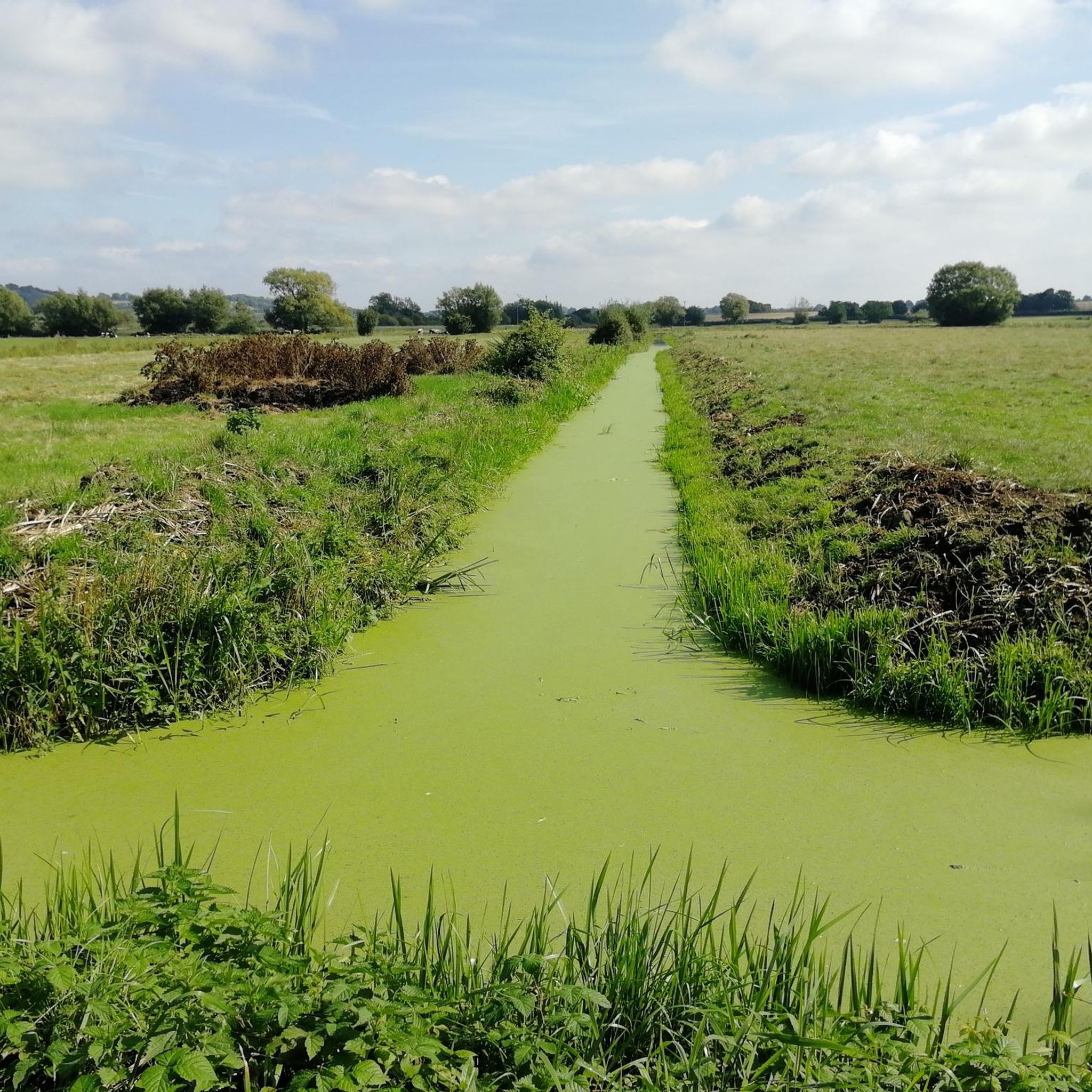
Dundon Hill or Dundon Beacon is a Iron Age hill fort and nature haven. Managed by the Somerset Wildlife Trust this small area of higher land is ringed by ancient oak woodland and capped with a meadow. The views from the southern end of the plateau are far reaching across the levels where you get a gap in the trees.
0
0

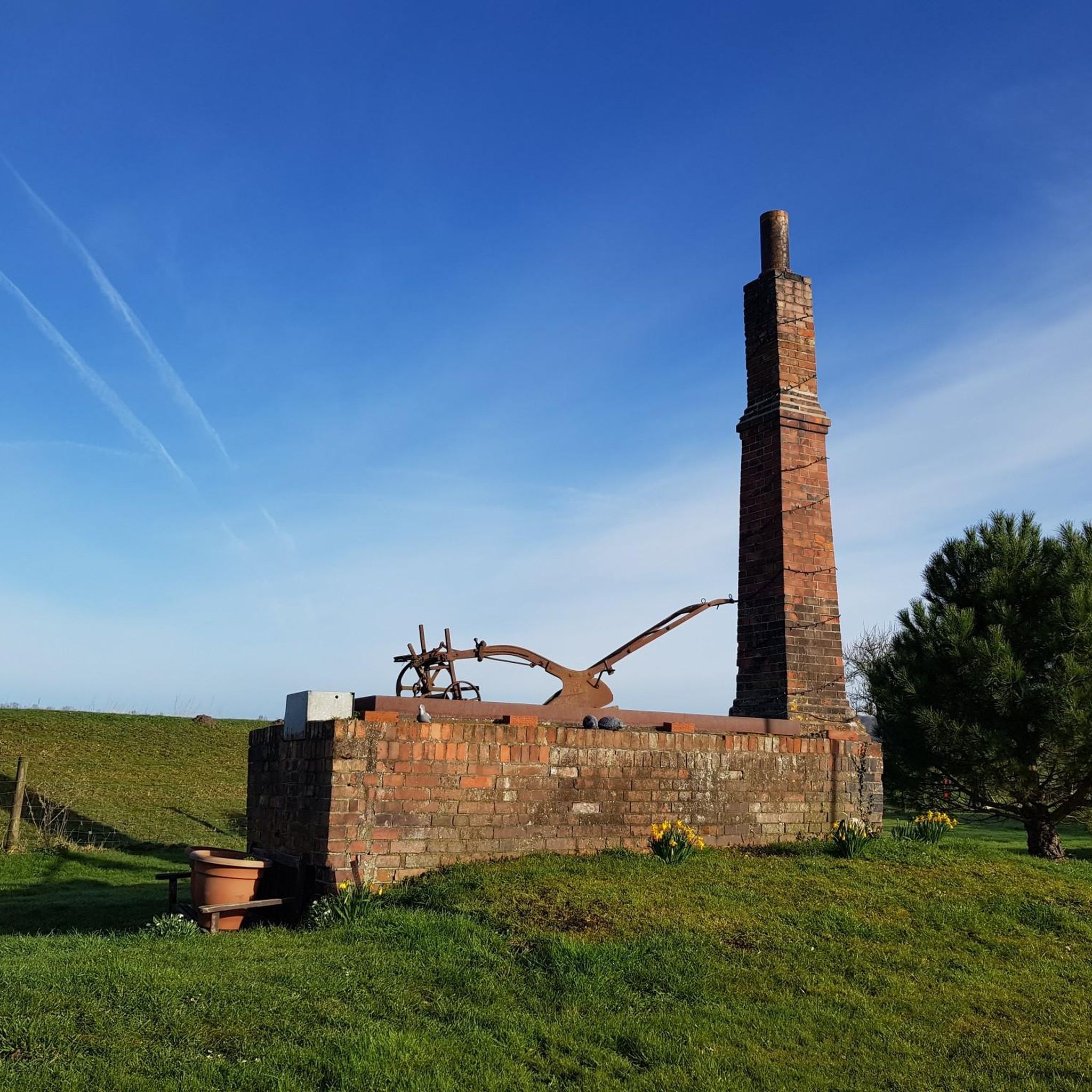
A Site of Special Scientific Interest and owned by the National Trust, Walton Hill was quarried in the middle ages and is now a thriving habitat for butterflies and other plants and wildlife. The hill rises above the relatively flat landscape with a summit at 269 feet (82 m) that offers excellent views. At the western end stands an old windmill, now a private residence.
0
0
Rising above the village of Burrowbridge, this wonderfully named hill is a scheduled monument and is home to a Grade I listed ruined church on its summit. At 79 feet (24 m) high, it stands out from the flat land around and can be seen easily from the River Parrett Trail which passes by. Thanks to the Somerset Levels winter floods, Burrow Mump becomes somewhat of an island, like its cousin, Glastonbury Tor. A Norman motte and bailey castle was originally constructed here, but the only structure that remains is the impressive medieval church.
1
0
Frequently Asked Questions
What kind of natural monuments can I expect to find around Aller?
The Aller region is primarily known for its expansive natural riverine landscape, including meadows and forests, rather than singular, prominent geological formations. However, the area also features unique elevated points and nature reserves. For example, you can explore Burrow Mump, a distinctive hill with a ruined church, or the Dundon Beacon Nature Reserve, an Iron Age hill fort offering panoramic views. Walton Hill is another natural monument and Site of Special Scientific Interest known for its wildlife and views.
Are there any historical sites among the natural monuments around Aller?
Yes, some natural monuments in the area also hold historical significance. Burrow Mump features a Grade I listed ruined church on its summit, with a history dating back to a Norman motte and bailey castle. Similarly, Dundon Beacon Nature Reserve is an Iron Age hill fort, combining natural beauty with ancient history.
What are some popular activities to do near the natural monuments around Aller?
The Aller region offers various outdoor activities. You can enjoy hiking, running, or cycling along the river and through its surrounding landscapes. For instance, there are numerous hiking routes, such as the 'Burrow Bridge and Toll Gate – Burrow Mump loop', or running trails like the 'Little Bakery – The Pump That Saved Langport loop'. Cyclists can explore cycling paths like the 'Somerset Levels – Mulcheney Pottery loop'.
Can I go wild swimming in the Aller region?
Yes, for those interested in wild swimming, the River Parrett offers opportunities. There are small jetties along the riverside path where you can dip your feet or enjoy a swim.
Are there family-friendly natural monuments or trails in the Aller area?
While specific 'family-friendly' categories aren't listed for the natural monuments, the general riverine landscape of the Aller, with its meadows and forests, provides gentle environments suitable for family walks. Many of the hiking and cycling routes mentioned are of easy to moderate difficulty, making them accessible for families. For example, the 'The Pump That Saved Langport – River Parrett loop' is an easy hiking option.
What kind of views can I expect from the natural monuments?
The natural monuments around Aller offer excellent panoramic views. From the summit of Burrow Mump, you can see across the flat surrounding land. Dundon Beacon Nature Reserve provides far-reaching views across the levels, especially from its southern plateau. Similarly, Walton Hill, with its summit at 82 meters, also offers excellent vistas of the surrounding landscape.
What is the best time to visit the natural monuments around Aller?
The Aller region's natural beauty, characterized by riverine landscapes, meadows, and forests, can be enjoyed throughout much of the year. Spring and summer are ideal for lush greenery and outdoor activities like hiking and cycling. Autumn offers beautiful foliage, while winter can transform the landscape, especially when areas like Burrow Mump become isolated 'islands' due to winter floods, offering a unique experience.
Are dogs allowed on trails near the natural monuments?
Generally, dogs are welcome on many outdoor trails in natural areas, especially if kept on a leash. While specific regulations for each natural monument are not detailed, the numerous hiking and running routes around Aller are typically dog-friendly, allowing you to explore the riverine landscapes with your canine companion.
What wildlife can be spotted at natural monuments like Walton Hill?
Walton Hill, designated a Site of Special Scientific Interest, is a thriving habitat for butterflies and other plants and wildlife. The broader Aller region, with its meadows and forests, also supports diverse flora and fauna, making it a good area for general wildlife spotting, especially birds along the river.
Are there amenities like cafes or accommodation near the natural monuments?
While the natural monuments themselves are often in serene, undeveloped areas, nearby towns and villages in the Aller-Leine Valley offer amenities. You can find cafes, pubs, restaurants, and accommodation options in communities along the Aller River, providing convenient bases for exploring the natural monuments and surrounding landscapes.
What makes the Aller River itself a natural highlight?
The Aller River's value as a natural highlight lies in its expansive riverine landscape, including its meadows and woods. While much of the river has been modified, a notable 20-kilometer section near Gifhorn preserves its natural, meandering riverbed, offering a glimpse into its original state. This less-disturbed environment provides important habitats and opportunities for tranquil recreation.
How accessible are the paths and trails around the natural monuments?
The accessibility of paths varies. Many of the trails along the Aller River are relatively flat, making them generally accessible for walking and cycling. However, natural monuments like Burrow Mump, Dundon Beacon Nature Reserve, and Walton Hill involve ascents to their summits, which may include steeper sections or uneven terrain. It's advisable to check specific route details for difficulty and surface conditions.
Most popular attractions around Aller

Get inspired with the komoot mobile app


Explore more
Extend your search for the best caves by checking out these guides of the top ones around Aller:
