Top 8 Natural Monuments around Ashburnham
Best natural monuments around Ashburnham feature a diverse natural landscape, characterized by extensive forests and numerous water bodies. The region includes varied terrain, from prominent monadnocks offering panoramic views to tranquil woodlands with established hiking trails. Ashburnham is known for its more than 20 lakes and ponds, alongside protected open spaces that support wildlife habitats. These areas provide opportunities for hiking, wildlife observation, and tranquil recreation.
Best natural monuments around Ashburnham
- The most popular natural monuments is Crowhurst's Ancient Yew…
Last updated: June 29, 2026
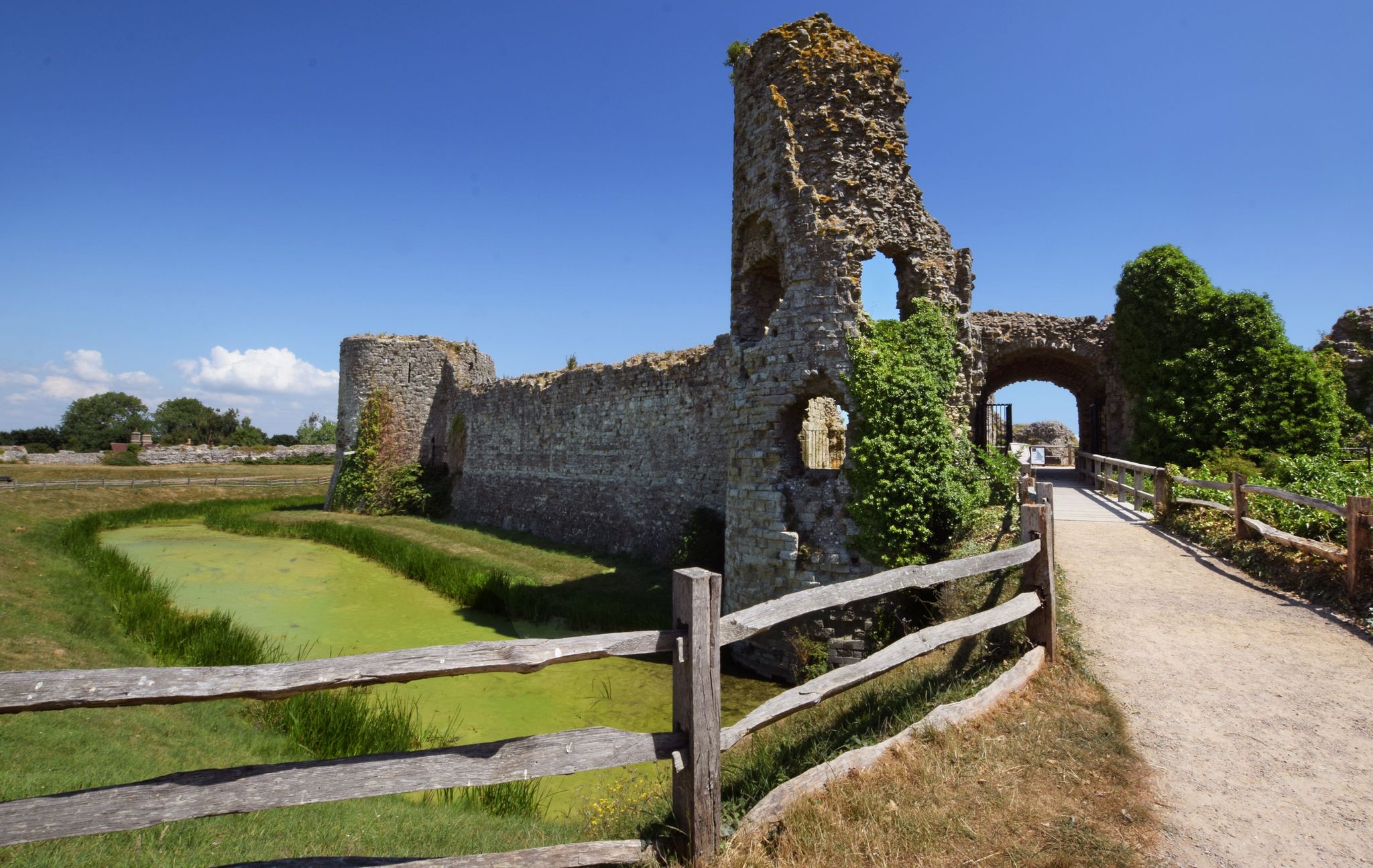
Fore Wood Nature Reserve
Highlight • Natural Monument
Tip by

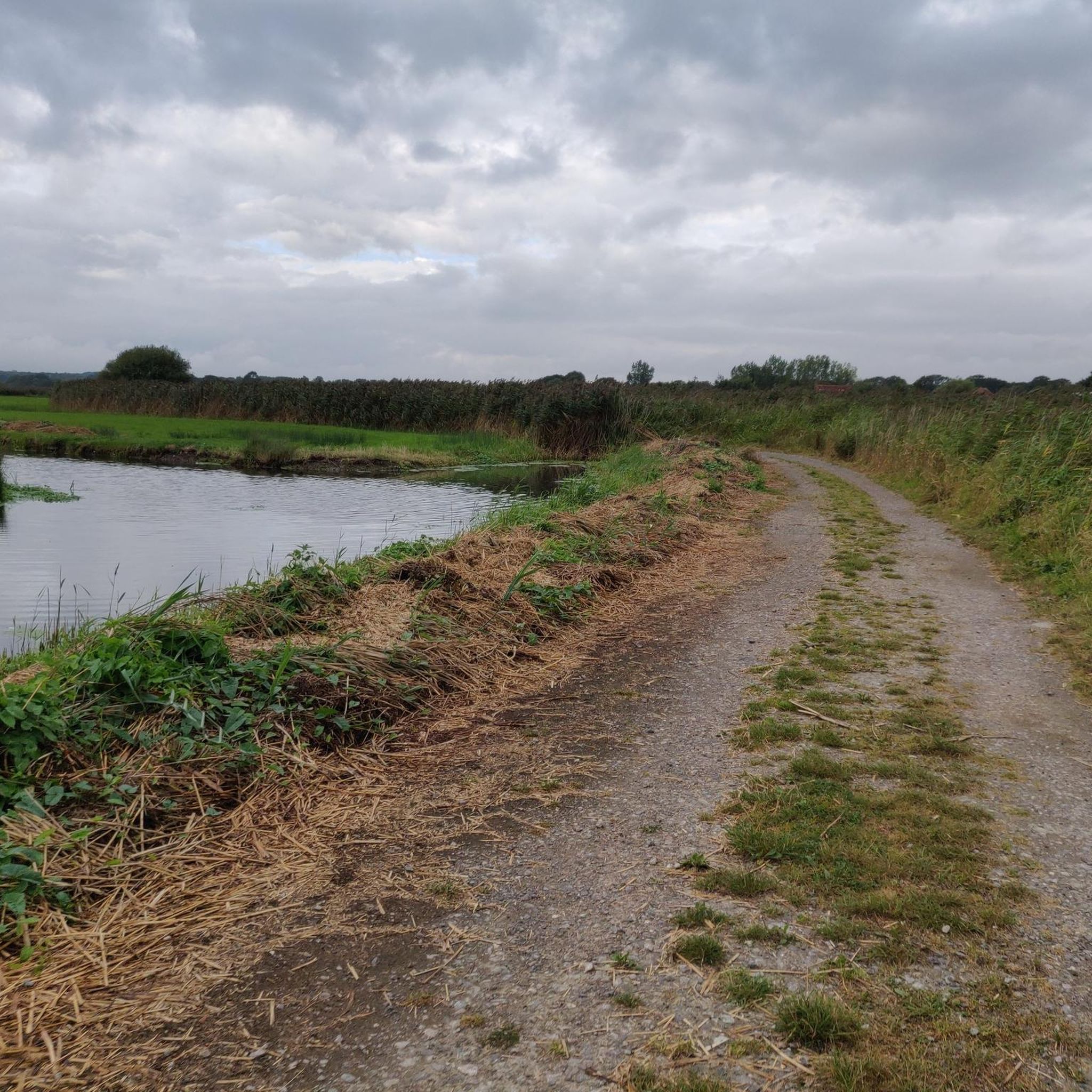
Crowhurst's Ancient Yew Tree
Highlight • Natural Monument
Tip by
Sign up now to discover places like this
Get recommendations on the best single tracks, peaks, & plenty of other exciting outdoor places.
Sign up for free
Battle Great Wood
Highlight • Historical Site
Tip by

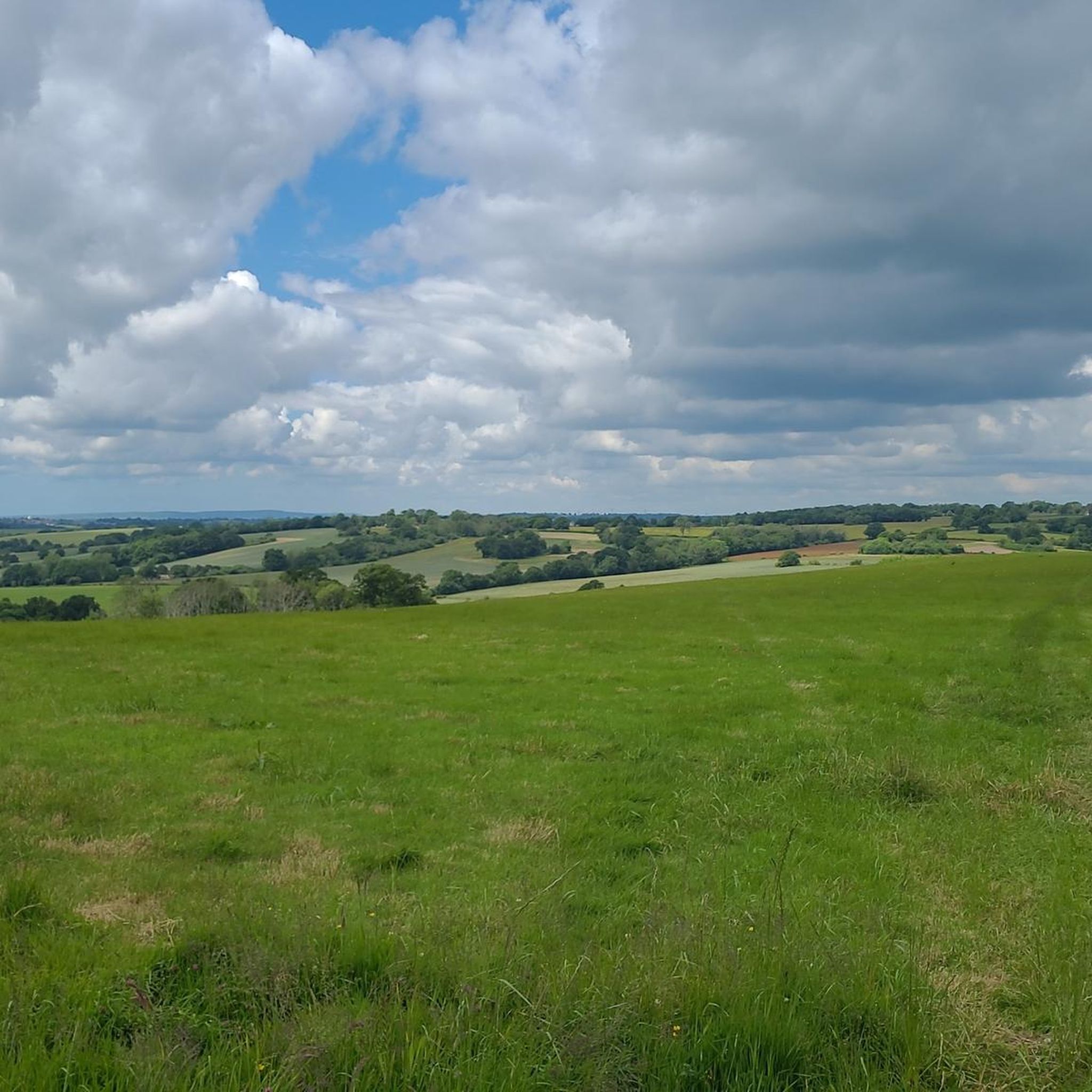
View of Lake Field
Highlight • Natural Monument
Tip by

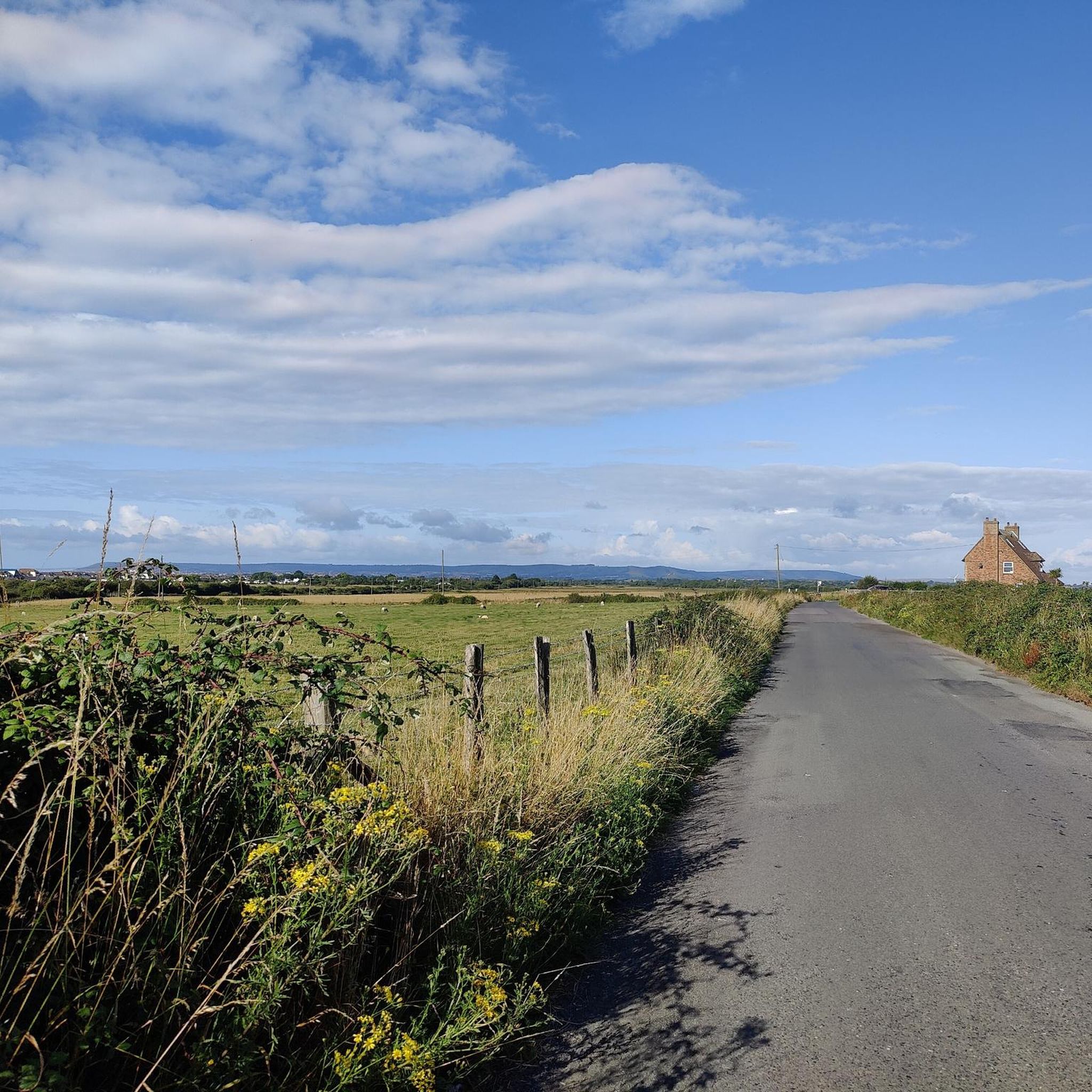
View of High Weald from Witherenden Road
Highlight (Segment) • Natural Monument
Tip by

Sign up for free to discover even more natural monuments around Ashburnham.
Sign up for free
Already have an account?
Start today with a free account
Your next adventure awaits.
Login or Signup
Other adventures around Ashburnham

Tips from the Community

Fore Wood Nature Reserve provides a tranquil shelter for both wildlife and visitors. Centuries of human management have created a diverse mix of traditional coppiced areas and grand high forest.
0
0
This ancient yew tree was already here in 1066, during the Battle of Hastings. There is a plaque in commemoration of its 950th anniversary.
1
0

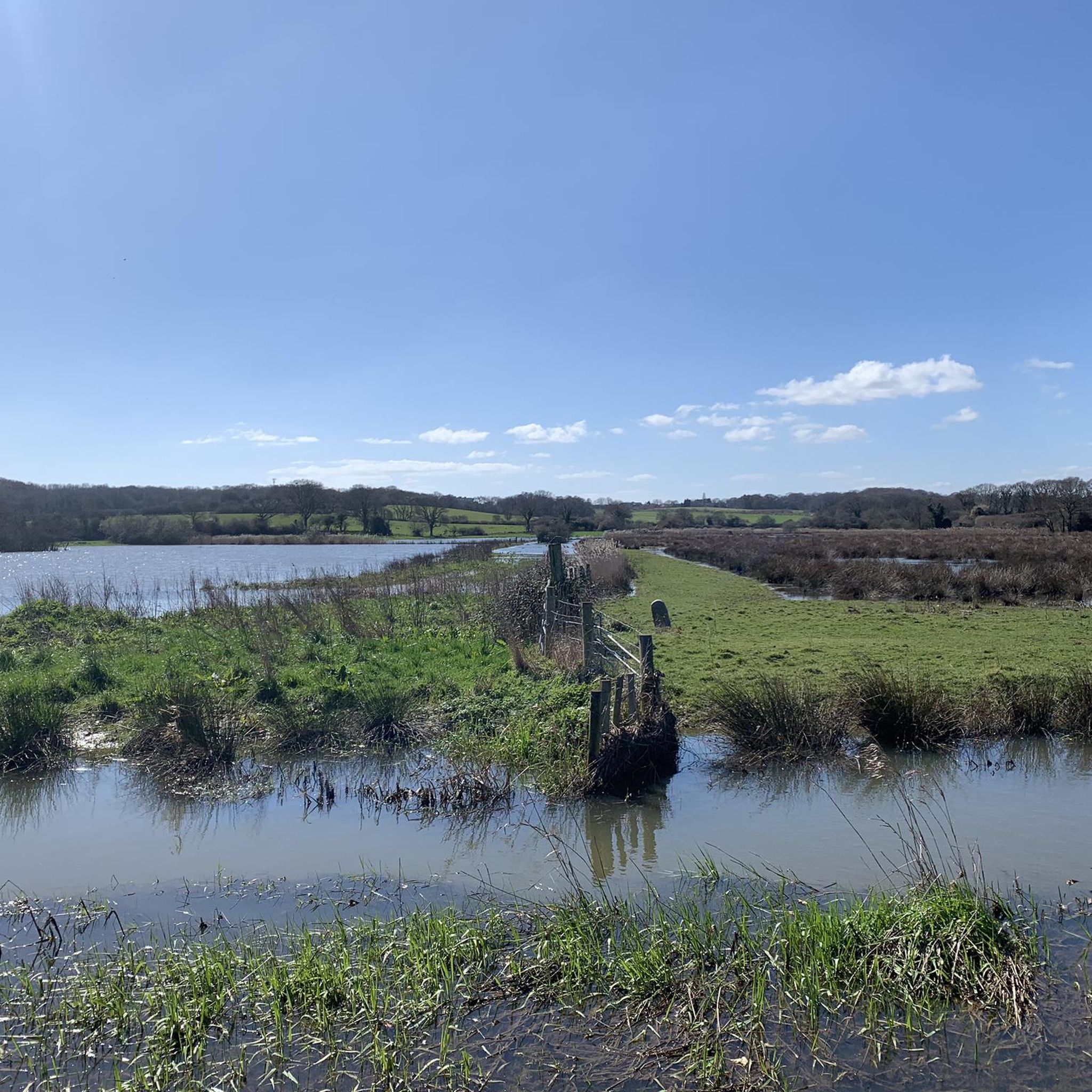
Owned by the National Trust, there is a lovely view of Lake Field. It was acquired by the National Trust in order to preserve the rural view.
0
0

Scenic road with fantastic views over the High Weald including iconic East Sussex and Kent Oust Houses.
0
0

A conifer-based woodland just outside the famous town of Battle, where the Battle of Hastings took place, Battle Great Wood is a wonderful place to explore. Will well-maintained trails and a tremendous sense of quiet, you can amble here for hours. The 1066 Country Walk long-distance trail passes right through the centre of the wood, and a wooden sculpture of a crown lies in the heart.
0
0
Frequently Asked Questions
What are some family-friendly natural monuments to visit around Ashburnham?
Several natural monuments in the area are suitable for families. You can explore Fore Wood Nature Reserve, which offers a tranquil environment for wildlife and visitors. Another great option is Battle Great Wood, a conifer-based woodland with well-maintained trails. Additionally, the View of Lake Field provides a lovely scenic spot for all ages.
Are there historical natural monuments in the Ashburnham area?
Yes, the region boasts natural monuments with historical significance. The most notable is Crowhurst's Ancient Yew Tree, which was already standing during the Battle of Hastings in 1066. A plaque commemorates its 950th anniversary. Battle Great Wood is also a historical site, with the 1066 Country Walk passing through it.
What kind of flora and fauna can I expect to see at the natural monuments?
The natural monuments around Ashburnham, such as Fore Wood Nature Reserve and Battle Great Wood, are characterized by diverse ecosystems. You can find traditional coppiced areas, grand high forests, and a variety of plant life. These areas provide shelter for wildlife, making them ideal for birdwatching and observing local fauna in their natural habitats.
What outdoor activities can I do near these natural monuments?
The area around Ashburnham offers a range of outdoor activities. You can find numerous trails for hiking, cycling, and mountain biking. For example, there are easy hikes like the 'Ashburnham Place and Parkland loop' and various cycling routes such as 'Crowhurst's Ancient Yew Tree – Battle Abbey and Battlefield loop'. You can explore more options for easy hikes, cycling tours, and MTB trails in the vicinity.
Are there viewpoints offering scenic vistas of the region?
Yes, the area features several viewpoints. The View of Lake Field, owned by the National Trust, offers a lovely rural vista. Another excellent spot is the View of High Weald from Witherenden Road, which provides fantastic panoramic views over the High Weald, including iconic East Sussex and Kent Oust Houses.
What is the best season to visit the natural monuments around Ashburnham?
The natural monuments around Ashburnham offer beauty throughout the year. Spring brings lush greenery and wildflowers, while summer is ideal for longer explorations. Autumn showcases vibrant foliage, and winter provides a serene, quiet atmosphere for those who enjoy crisp walks. The best time depends on your preferred activities and scenery.
Are there any specific trail difficulties to be aware of at these natural monuments?
The natural monuments and surrounding areas offer a variety of trail difficulties. For instance, Battle Great Wood features well-maintained trails suitable for leisurely walks. While specific difficulty ratings for each monument's internal trails are not detailed, nearby routes range from easy walks to more challenging cycling and mountain biking trails. Always check individual route descriptions for specific difficulty levels.
Are permits required to visit the natural monuments or hike the trails?
Generally, permits are not required for public access to the natural monuments and trails mentioned, such as Fore Wood Nature Reserve or Battle Great Wood. These areas are typically open for public enjoyment. However, it's always advisable to check for any specific local regulations or temporary closures before your visit, especially for privately managed areas or during special events.
Can I find places to eat or stay near the natural monuments?
While the natural monuments themselves are focused on nature and history, the surrounding towns and villages offer amenities. You can find cafes, pubs, and accommodation options in nearby settlements. For example, the 'Netherton Café – Ashburnham Place and Parkland loop' cycling route suggests a cafe in the vicinity, and various routes start or end near local pubs, indicating available services.
What do visitors enjoy most about the natural monuments around Ashburnham?
Visitors appreciate the diverse natural landscape, from ancient trees to scenic overlooks. They particularly enjoy the tranquil atmosphere of places like Fore Wood Nature Reserve and the historical significance of Crowhurst's Ancient Yew Tree. The well-maintained trails in woodlands like Battle Great Wood and the fantastic views from spots like the View of High Weald are also highly valued.
Are the natural monuments accessible during winter?
Most natural monuments and their trails remain accessible during winter, offering a different, often quieter, experience. However, trail conditions can vary significantly with snow, ice, or wet weather. It's recommended to check local weather forecasts and trail reports before heading out and to wear appropriate footwear and clothing for potentially slippery or muddy conditions.
Are dogs allowed on the trails and at the natural monuments?
Many natural areas and trails in the region are dog-friendly, especially those in woodlands and forests. However, specific rules can vary by location, particularly in nature reserves or protected sites. It's generally best practice to keep dogs on a leash and to clean up after them to preserve the natural environment and respect other visitors.
Most popular attractions around Ashburnham

Get inspired with the komoot mobile app


Explore more
Extend your search for the best caves by checking out these guides of the top ones around Ashburnham:
