Top 7 Natural Monuments around Wartling
Best natural monuments around Wartling showcase the diverse natural features of East Sussex, from ancient woodlands to elevated viewpoints. The region offers a variety of natural landscapes, including significant geological formations and historical natural sites. These areas provide opportunities for exploring the local environment and its unique ecosystems. Visitors can discover a blend of natural beauty and historical significance within easy reach of Wartling.
Best natural monuments around Wartling
- The most popular natural monuments is Crowhurst's Ancient Yew Tree,…
Last updated: October 16, 2026
Combe Hill Causewayed Enclosure
Highlight • Historical Site
Tip by

Crowhurst's Ancient Yew Tree
Highlight • Natural Monument
Tip by

Sign up now to discover places like this
Get recommendations on the best single tracks, peaks, & plenty of other exciting outdoor places.
Fore Wood Nature Reserve
Highlight • Natural Monument
Tip by
Battle Great Wood
Highlight • Historical Site
Tip by

View of Lake Field
Highlight • Natural Monument
Tip by

Sign up for free to discover even more natural monuments around Wartling.
Already have an account?
Start today with a free account
Your next adventure awaits.
Other adventures around Wartling

Tips from the Community

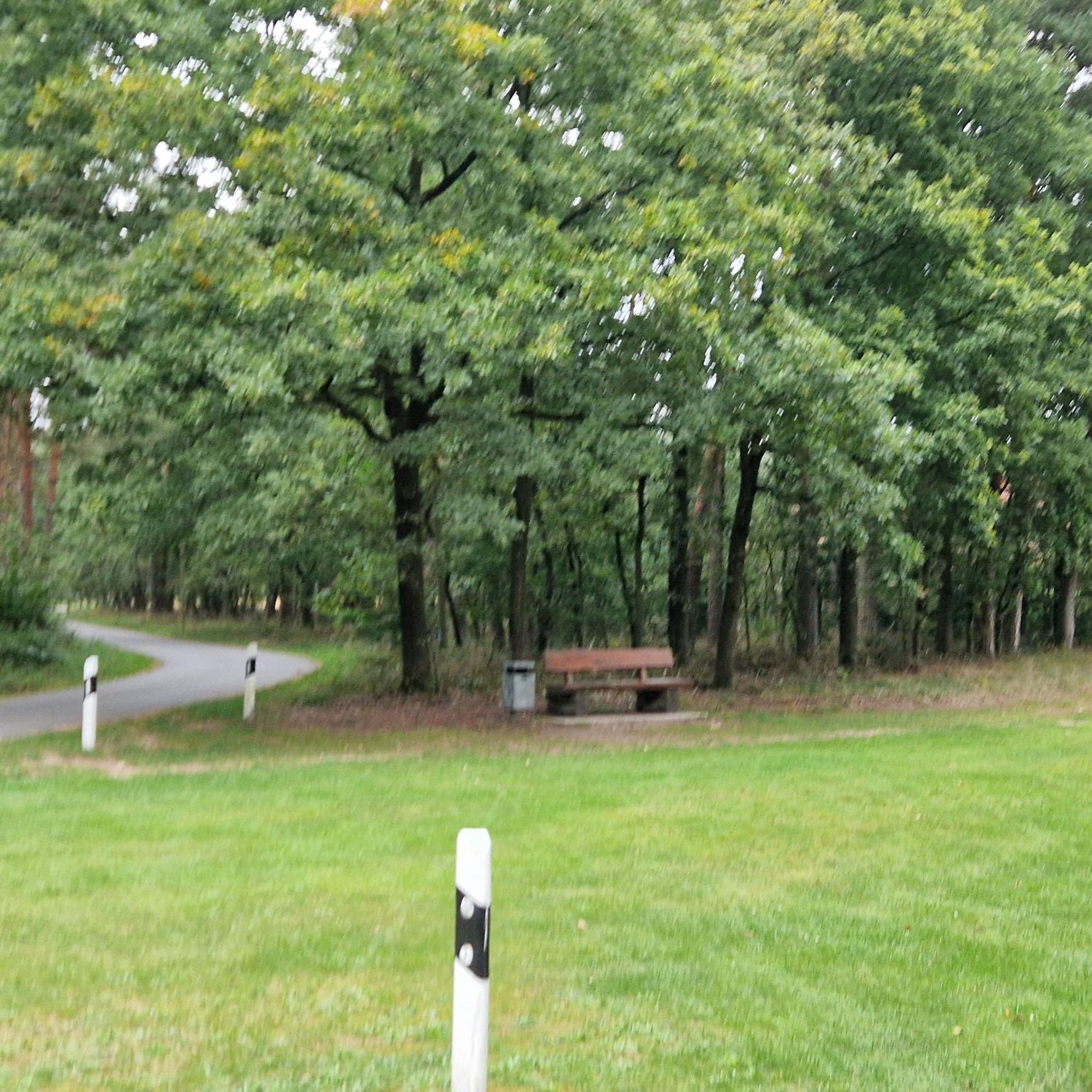
Fore Wood Nature Reserve provides a tranquil shelter for both wildlife and visitors. Centuries of human management have created a diverse mix of traditional coppiced areas and grand high forest.
0
0
This ancient yew tree was already here in 1066, during the Battle of Hastings. There is a plaque in commemoration of its 950th anniversary.
1
0

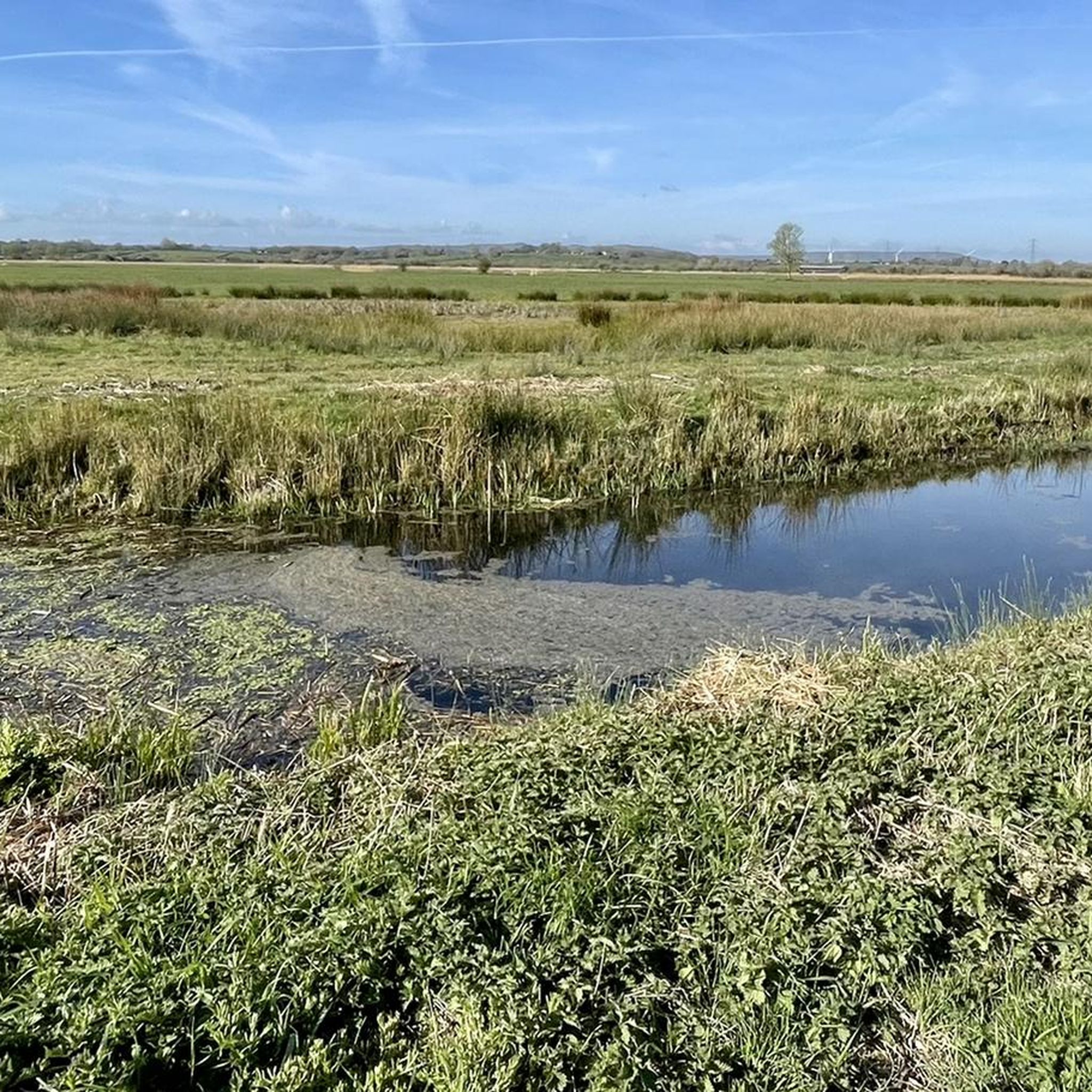
Owned by the National Trust, there is a lovely view of Lake Field. It was acquired by the National Trust in order to preserve the rural view.
1
0

A conifer-based woodland just outside the famous town of Battle, where the Battle of Hastings took place, Battle Great Wood is a wonderful place to explore. Will well-maintained trails and a tremendous sense of quiet, you can amble here for hours. The 1066 Country Walk long-distance trail passes right through the centre of the wood, and a wooden sculpture of a crown lies in the heart.
0
0

The site of a Neolithic causewayed enclosure, Combe Hill is a 636-foot (194 m) high point on the South Downs escarpment above Eastbourne. The hill boasts fine sea vistas and great views down onto the town. The enclosure was built around 3200 BC and is made of two concentric ditches. Archaeological discoveries have included Roman pottery, Bronze Age bowl barrows and flint tools.
0
0
Frequently Asked Questions
What historical natural monuments can I visit near Wartling?
Wartling is rich in historical natural sites. You can visit Crowhurst's Ancient Yew Tree, which was present during the Battle of Hastings in 1066. Another significant site is Combe Hill Causewayed Enclosure, a Neolithic site built around 3200 BC, offering fine sea vistas.
Are there any family-friendly natural monuments around Wartling?
Yes, several natural monuments are suitable for families. Fore Wood Nature Reserve provides a tranquil setting for wildlife spotting and gentle walks. Battle Great Wood also offers well-maintained trails perfect for a family stroll. Additionally, the Crowhurst's Ancient Yew Tree is an interesting historical stop for all ages.
Where can I find scenic viewpoints of natural landscapes near Wartling?
For breathtaking views, head to Combe Hill Causewayed Enclosure on the South Downs escarpment, which offers expansive sea vistas and views over Eastbourne. Another lovely spot is View of Lake Field, owned by the National Trust, providing a beautiful rural outlook.
What kind of natural features can I expect to see around Wartling?
The area around Wartling boasts diverse natural features. You'll find ancient woodlands like Fore Wood Nature Reserve and Battle Great Wood, offering rich habitats. The nearby South Downs National Park features rolling hills and chalk grasslands, while the High Weald National Landscape has sandstone outcrops and ancient routeways. The iconic Seven Sisters chalk cliffs are also within reach, showcasing dramatic coastal geology.
What outdoor activities can I do near these natural monuments?
The region offers excellent opportunities for outdoor activities. You can explore various hiking trails, including easy, moderate, and difficult options. For example, there are several hiking routes around Wartling, such as the 'Herstmonceux Castle loop from Boreham Street' or 'Ancient Oak Trees loop from Herstmonceux'. You can find more details on these and other routes in the hiking guide for Wartling.
Are there any easy hiking trails near the natural monuments?
Yes, there are several easy hiking trails suitable for beginners or those looking for a relaxed walk. Options include the 'Pevensey loop via Pevensey Castle' and the 'Ancient Oak Trees loop from Herstmonceux'. These trails allow you to enjoy the natural beauty without strenuous effort. Discover more easy routes in the easy hikes guide for Wartling.
What is the best time of year to visit the natural monuments around Wartling?
The natural monuments around Wartling can be enjoyed year-round, but each season offers a different experience. Spring brings blooming wildflowers to the woodlands and grasslands. Summer is ideal for coastal walks along the Seven Sisters. Autumn showcases vibrant foliage in areas like Ashdown Forest and the High Weald. Winter offers crisp, clear views, especially from elevated points like Combe Hill, though some trails might be muddy.
Are the natural monuments around Wartling accessible by public transport?
While some areas might be reachable by local bus services, many natural monuments and their trailheads are best accessed by car. Public transport options can be limited, especially for more remote sites. It's advisable to check local bus routes and schedules in advance if you plan to rely on public transport.
What are the parking options near the natural monuments?
Parking availability varies by location. Larger attractions like Seven Sisters Country Park typically have dedicated car parks, often with a fee. For smaller, more remote natural monuments or trailheads, you might find limited roadside parking or small, informal car parks. Always check for local signage and respect private property.
Can I bring my dog to the natural monuments and trails?
Many natural areas and trails around Wartling are dog-friendly, especially those within the South Downs National Park and High Weald National Landscape. However, it's crucial to keep dogs under control, especially near livestock or in nature reserves where wildlife might be present. Always check specific site rules, and be prepared to pick up after your dog.
What are some lesser-known natural gems near Wartling?
Beyond the well-known sites, explore the diverse landscapes of the High Weald National Landscape, which offers a mosaic of small fields, woodlands, and sandstone outcrops. While a bit further, Ashdown Forest provides vast open heathland and woodland, offering a different natural character and a sense of tranquility away from the crowds.
What kind of wildlife can I spot in the natural monuments?
The diverse habitats around Wartling support a variety of wildlife. In woodlands like Fore Wood Nature Reserve, you might spot woodland birds and small mammals. The chalk grasslands of the South Downs are home to numerous butterfly species and downland flowers. Coastal areas near the Seven Sisters offer opportunities to see seabirds. Always observe wildlife from a distance and avoid disturbing their natural environment.
Most popular attractions around Wartling

Get inspired with the komoot mobile app


Explore more
Extend your search for the best caves by checking out these guides of the top ones around Wartling:
