Top 12 Natural Monuments around Drayton St. Leonard
Best natural monuments around Drayton St. Leonard are concentrated in an area defined by the River Thame and its flood meadows. The village itself is situated within a large bend of the River Thame, which contributes to the local ecology and provides riverside paths. Nearby, the Wittenham Clumps stand as a prominent landmark, offering expansive views and historical significance. The region features diverse natural landscapes, including ancient woodlands and chalk grasslands.
Best natural monuments around Drayton St. Leonard
- The most…
Last updated: June 29, 2026
Wittenham Clumps
Highlight • Natural Monument
Tip by

Watlington Hill
Highlight • Forest
Tip by

Sign up now to discover places like this
Get recommendations on the best single tracks, peaks, & plenty of other exciting outdoor places.
Sign up for free
Watlington White Mark
Highlight • Natural Monument
Tip by
Day's Lock
Highlight • Structure
Tip by

Little Wittenham Wood
Highlight • Forest
Tip by

Sign up for free to discover even more natural monuments around Drayton St. Leonard.
Sign up for free
Already have an account?
Start today with a free account
Your next adventure awaits.
Login or Signup
Tips from the Community

Added to the collection: komoot.com/de-de/collection/3600632/-naturdenkmaeler-besondere-baeume-und-weitere-schaetze-der-natur
0
0

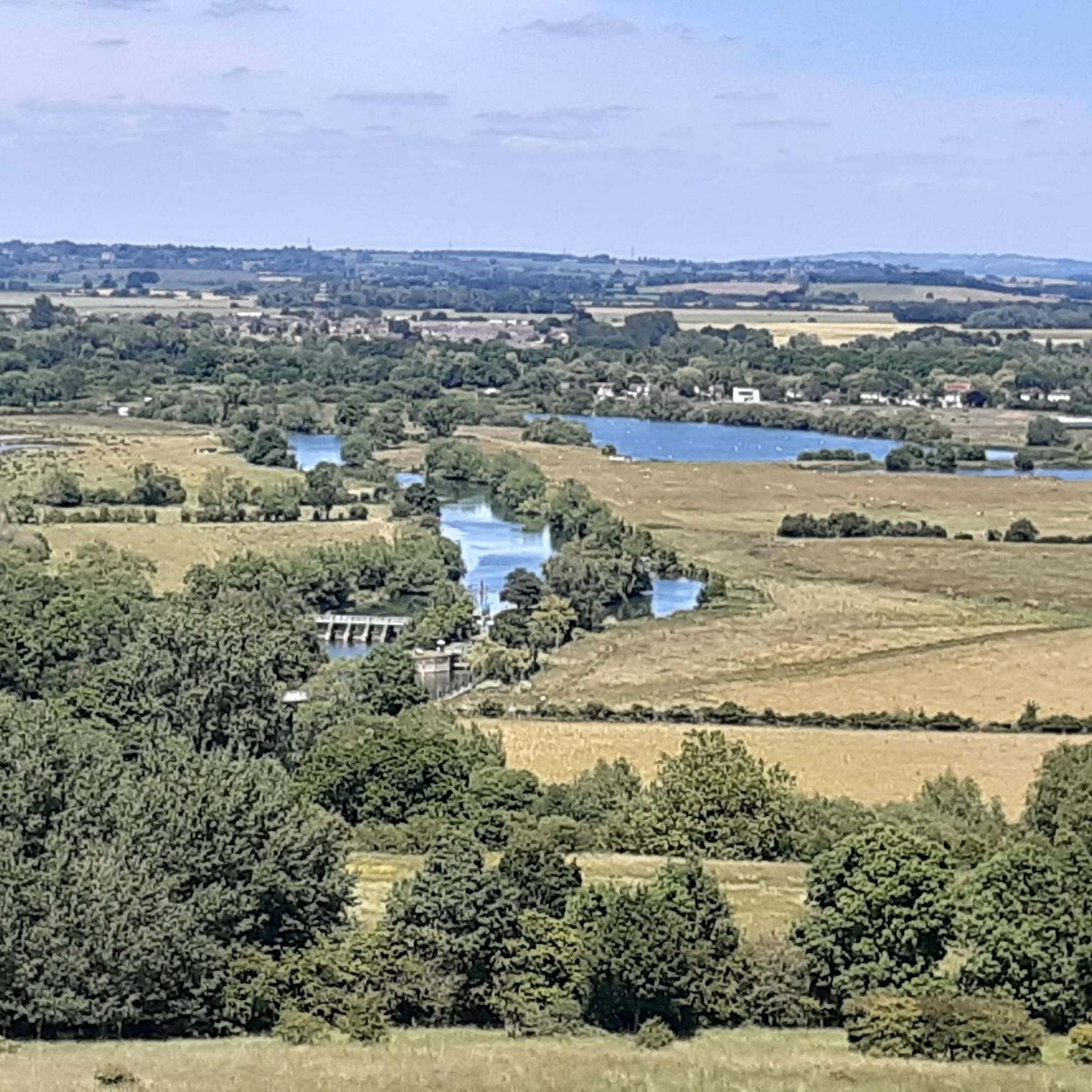
Day's Lock is a lock on the River Thames near Dorchester-on-Thames, Oxfordshire, England on the Dorchester side of the river. The pound lock was built in 1789 by the Thames Navigation Commissioner. The lock is across the river from the small village of Little Wittenham and is overlooked from the south by the hills of Wittenham Clumps, with a particularly good view from Round Hill. The weir runs straight across the river from the other side of the lock island. Day's Lock is the main gauging station for the measurement of the water flow in the River Thames.
0
0
Little Wittenham Wood has been designated as both a Site of Special Scientific Interest (SSSI) and a Special Area of Conservation (SAC), reflecting its international importance for wildlife. The nature reserve is particularly important for the endangered species, the Great Crested Newt. This shy amphibian uses the many ponds within the nature reserve to breed, but it spends the majority of time in the surrounding woodland. Tucking itself quietly away in safe and secure hidden spots, you have to search carefully to find them. Much easier to spot are the dragonflies and damselflies which hover around the ponds. If you wander down to the bird hide, at the river’s edge, you might be lucky enough to catch a glimpse of Kingfishers or Otters.
0
0
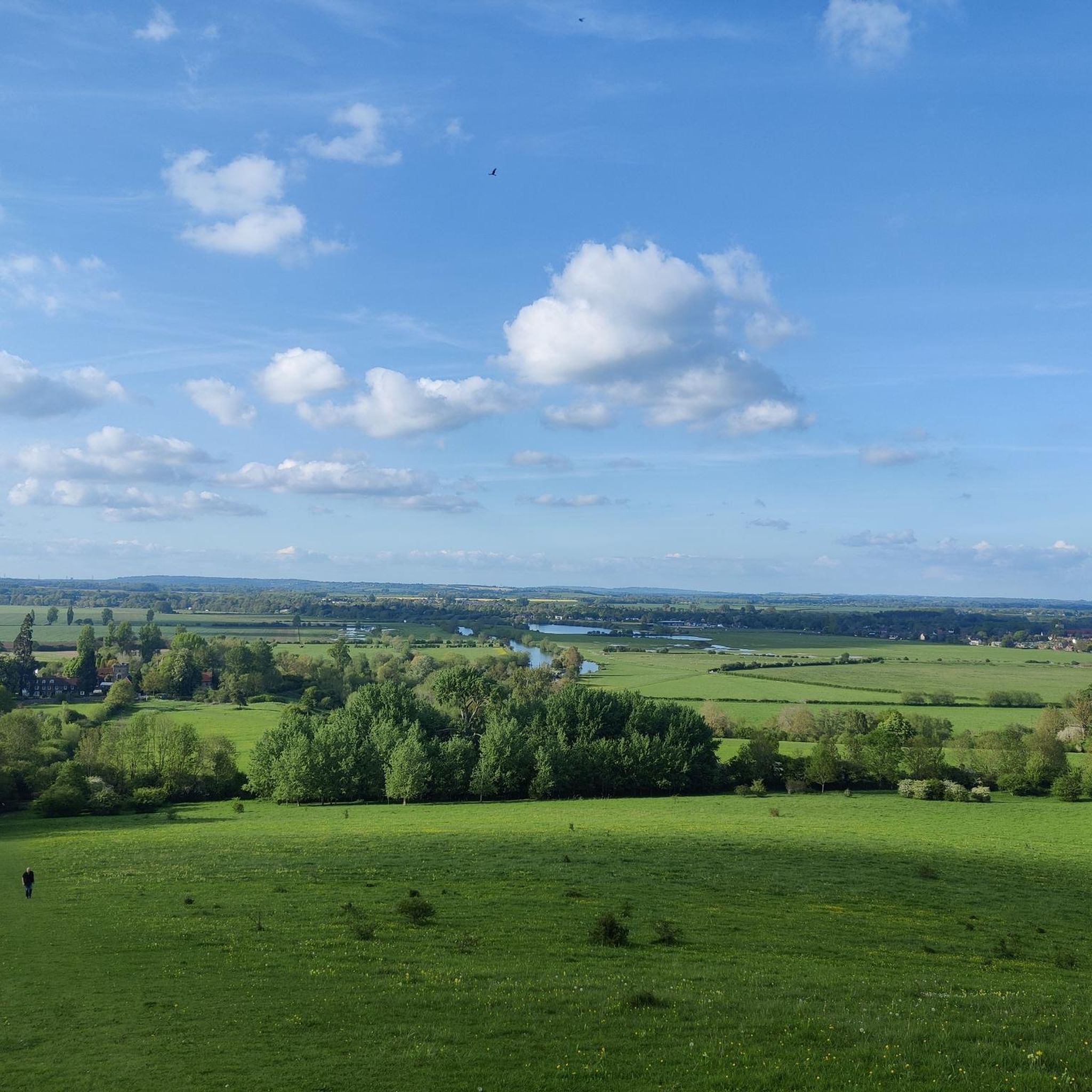
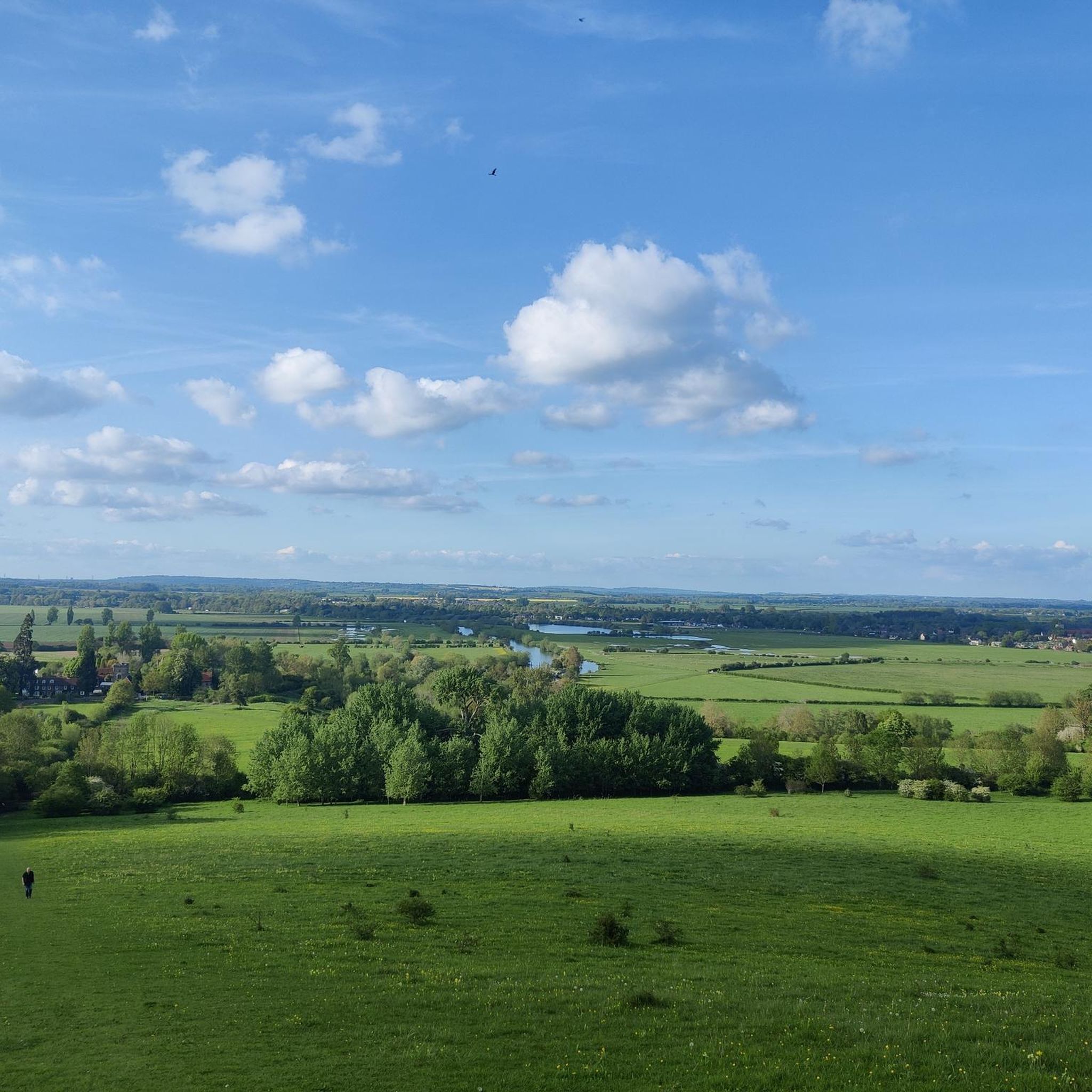
Nice little lung opener first thing in morning. Entry to wooded area was permitted, has a few dens inside and plenty of benches externally, views to take in are beautiful. on a clear day can see for miles
0
0

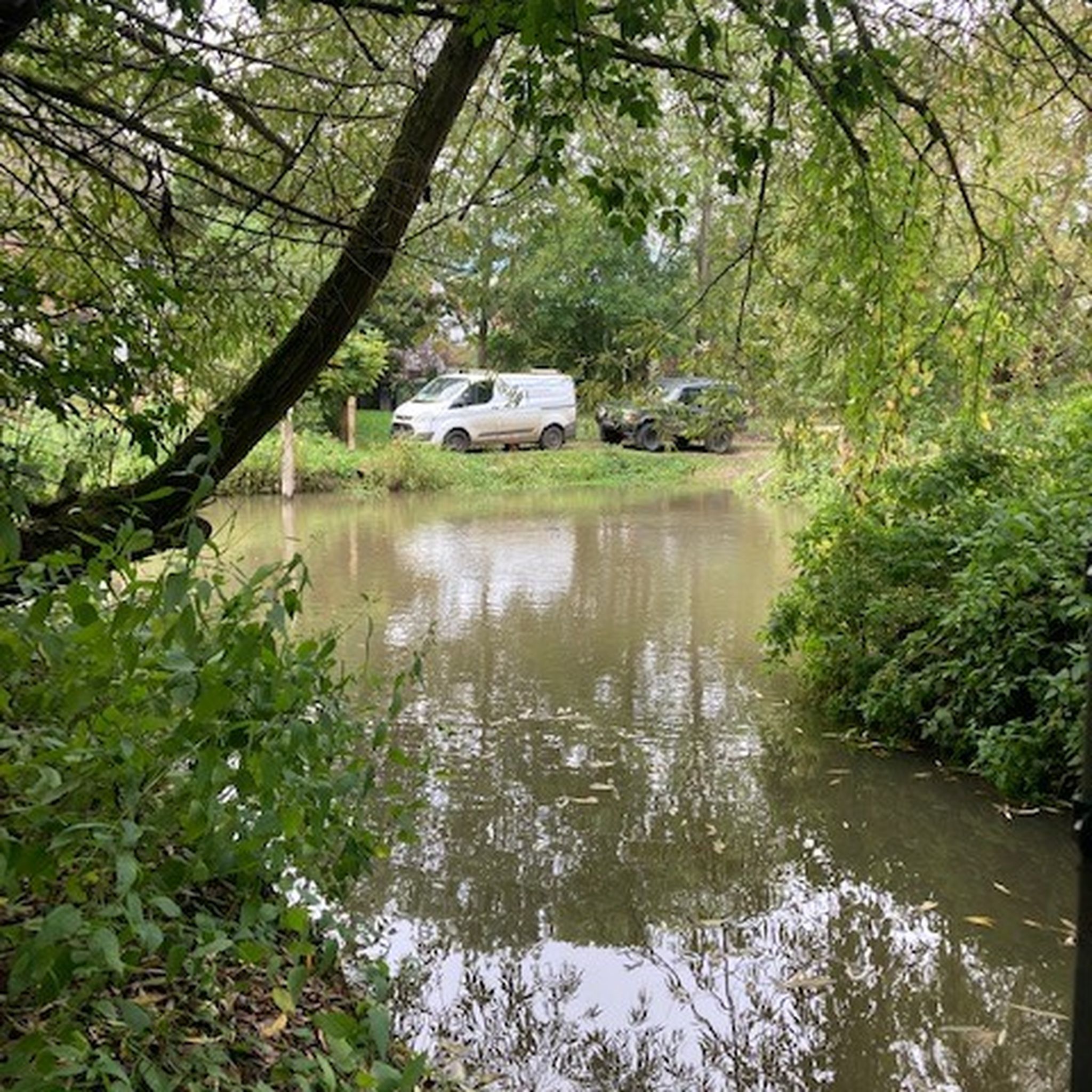
Located just across the river from the small town of Little Wittenham is this lock that provides glorious views up and down the River Thames.
1
0

Beautiful woodland below Wittenham clumps. Good paths and lovely nature.
2
0
Beautiful landmarks. With views of countryside and the river Thames.
1
0

Going West a lovely road up to the Clumps. East might be tricky is Winter as a farmers field track
0
0
Frequently Asked Questions
What are the most prominent natural monuments to visit near Drayton St. Leonard?
The most prominent natural monument is undoubtedly Wittenham Clumps, an iconic landmark with two distinctive hills crowned by ancient beech trees, offering breathtaking panoramic views. Another significant site is Watlington Hill, known for its rich wildlife, chalk grassland, and diverse flora and fauna.
Are there any natural monuments suitable for families with children?
Yes, Wittenham Clumps is very popular with families, offering easy walking paths, picnic spots, and expansive views. Adjacent to it, Little Wittenham Wood provides beautiful woodland trails perfect for exploring nature with children.
What kind of wildlife can I expect to see at these natural monuments?
The natural monuments around Drayton St. Leonard are rich in wildlife. At Wittenham Clumps and Little Wittenham Wood, you might spot the endangered Great Crested Newt, various bird species, dragonflies, and damselflies. Watlington Hill is known for its wildflowers, butterflies, birds like red kites, rabbits, and deer.
Are there historical sites integrated with the natural monuments?
Absolutely. Wittenham Clumps has a rich history, with evidence of Bronze Age, Iron Age, and Roman occupation, including the curved ramparts of Castle Hill. Additionally, the Watlington White Mark, a 270-foot steeple-shaped figure cut into the chalk escarpment of Watlington Hill, is a fascinating man-made monument from 1764.
What are the best times of year to visit the natural monuments?
The natural monuments are enjoyable year-round. Spring and summer offer vibrant wildflowers and active wildlife, making them ideal for nature observation. Autumn provides stunning foliage, especially around the ancient beech trees of Wittenham Clumps. Winter walks can be peaceful, though paths might be muddy, so appropriate footwear is recommended.
Are there dog-friendly walking options near the natural monuments?
Yes, many of the natural monuments and surrounding areas are dog-friendly. Wittenham Clumps is a popular spot for dog walkers, with well-marked routes. Always ensure dogs are kept under control, especially near livestock or sensitive wildlife areas like Little Wittenham Wood.
What kind of views can I expect from these natural monuments?
You can expect spectacular panoramic views. From Wittenham Clumps, you'll get breathtaking vistas over the River Thames and the surrounding Oxfordshire countryside. Watlington Hill also offers expansive views over Oxfordshire, making both excellent spots for photography and enjoying the landscape.
Are there hiking trails near these natural monuments?
Yes, there are numerous hiking opportunities. For example, you can find moderate hikes like the 'Day's Lock – Wittenham Clumps loop from Dorchester-on-Thames' or the 'Shillingford Bridge – Little Wittenham Wood loop from Dorchester-on-Thames'. You can explore more options in the Hiking around Drayton St. Leonard guide.
What other outdoor activities can I do near these natural monuments?
Beyond hiking, the area offers various outdoor activities. You can find easy hikes suitable for a leisurely stroll in the Easy hikes around Drayton St. Leonard guide. For those interested in running, there are several routes available, such as the 'Castle Hill loop from Dorchester-on-Thames', detailed in the Running Trails around Drayton St. Leonard guide.
What are the parking options for visiting natural monuments like Wittenham Clumps?
For Wittenham Clumps, there is parking available near Little Wittenham Church (for about 10 cars) or a larger main car park closer to the top of the hill (for about 30 cars). For Watlington White Mark, which is part of Watlington Hill, free parking is available in the National Trust area.
What makes the River Thame significant to the area's natural landscape?
The River Thame, while not a classified natural monument itself, is a significant natural feature that defines much of the landscape around Drayton St. Leonard. The village lies within a large bend of the river, which contributes to the local ecology, supports various bird species, and offers peaceful riverside walks through its flood meadows.
Are there any natural monuments that are particularly good for birdwatching?
Yes, Watlington Hill is an excellent spot for birdwatching, known for its diverse bird species, including red kites. At Little Wittenham Wood, near the river's edge, you might be lucky enough to glimpse kingfishers.
Most popular routes around Drayton St. Leonard
Most popular attractions around Drayton St. Leonard

Get inspired with the komoot mobile app


Explore more
Extend your search for the best caves by checking out these guides of the top ones around Drayton St. Leonard:
