Top 18 Natural Monuments around Axbridge
Best natural monuments around Axbridge provide a range of outdoor experiences in Somerset. The area features unique geological formations, including limestone hills and dramatic gorges, alongside varied ecosystems. These sites offer opportunities for exploring distinct landscapes and observing local flora and fauna. The region's natural features contribute to its appeal for outdoor activities.
Best natural monuments around Axbridge
- The most popular natural monuments is Cheddar Gorge Climb, a climb that is a totally achievable iconic climb with stunning surroundings.…
Last updated: June 15, 2026
Cheddar Gorge Climb
Highlight (Segment) • Climb
Tip by

Cheddar Gorge
Highlight • Gorge
Tip by

Sign up now to discover places like this
Get recommendations on the best single tracks, peaks, & plenty of other exciting outdoor places.
Sign up for free
Beacon Batch summit trig point
Highlight • Viewpoint
Tip by
Black Down Summit and Wild Ponies
Highlight • Natural
Tip by

Burrington Combe Road Climb
Highlight (Segment) • Climb
Tip by

Sign up for free to discover even more natural monuments around Axbridge.
Sign up for free
Already have an account?
Start today with a free account
Your next adventure awaits.
Login or Signup

Tips from the Community

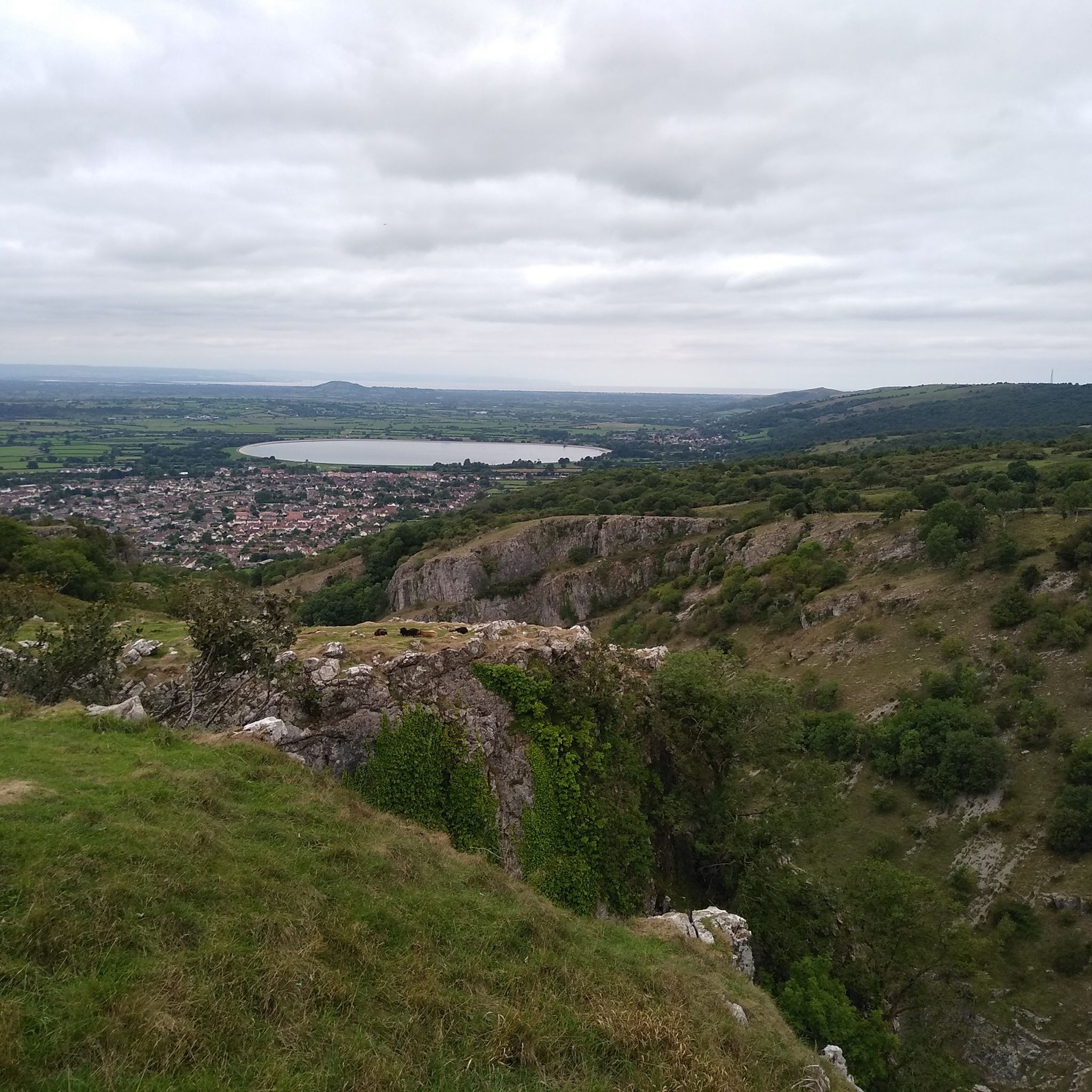
Stunning views across the plains of Somerset. can see for absolutely miles on a clear day. Don't be fooled in to thinking it's an easy route I have made. It really isn't. Proper footwear and even poles are recommended. Bring waterproofs as back up shelter, as there are not many places out of the gorge to shelter. Download the route to device also, there is no phone coverage the further in to the gorge you go.
0
0

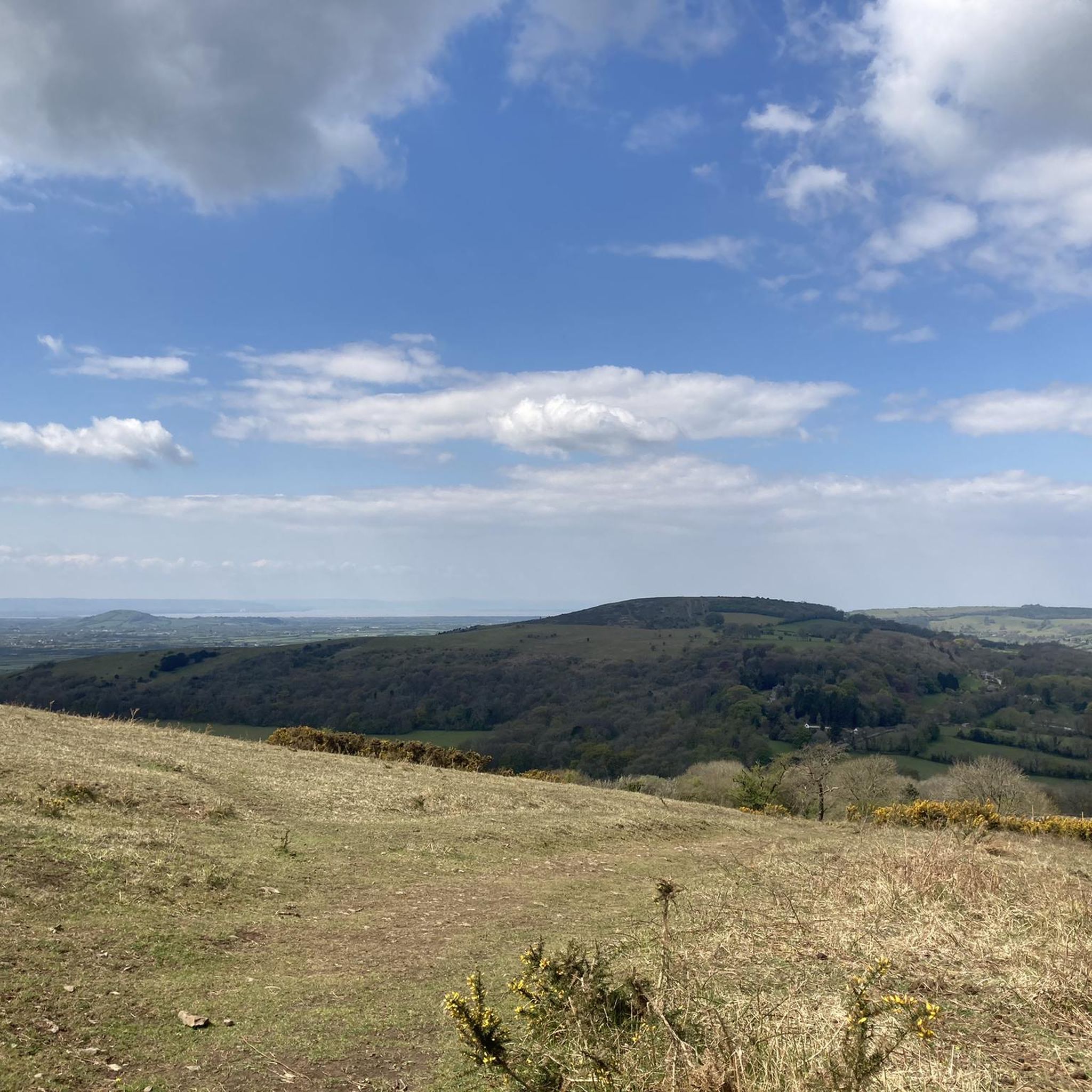
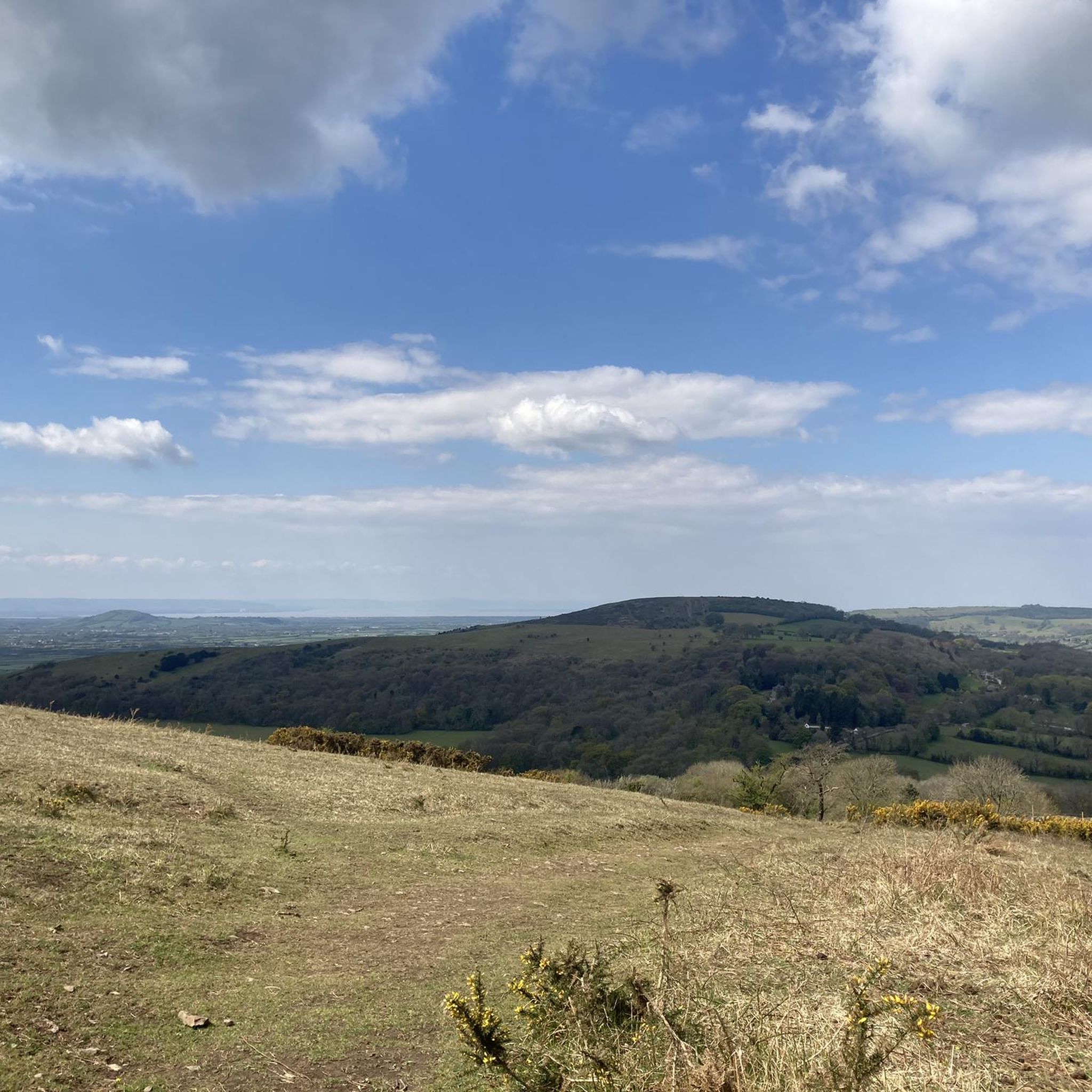
Black Down Hill or Beacons Batch is the highest hill in the Mendip Hills at 325m, Somerset, in south-western England. Black Down lies just a few miles eastward of the Bristol Channel at Weston-super-Mare, and provides a view over the Chew Valley. It has a trig pointed summit and is a UK designated Marilyn with a prominence of over 150m.
3
1

A great climb! Very long, but nice and steady for the most part.
0
0


This is a challenging 5 mile (8km) route along paths. Several stiles and kissing gates, rough walking in sections and some steep climbs. It is not advisable to attempt this walk in foggy or very windy weather. Good footwear and fitness is required. Safety in Cheddar Gorge: Please do not stand under cliffs as small rocks may fall at any time. Use only footpaths signed for the gorge walk at the top and bottom of Cheddar Gorge – it is dangerous to depart from these paths. Find the Mendip Hills AONB walking route here https://www.mendiphillsaonb.org.uk/wp-content/uploads/2020/01/121201-Mendip-Hills-Cheddar-Gorge.pdf
1
0
This special site is designated as a Site of Special Scientific interest for its valuable wildlife habitats and is a nationally important site for its archaeology from the late Stone Age and Bronze Age through to the Second World War. Black Down provides the largest area of open access on the Mendip Hills at over 400 ha. Black Down, like most heathlands, is formed through a combination of factors– soil type, rainfall and human activity. The underlying Old Red Sandstone rock together with high rainfall created a waterlogged and acidic soil. The removal of tree cover by our Bronze Age ancestors 2,000 years ago helped to make sure that the soil stayed damp and acid. Only certain plants can survive in this type of ground. The key species include heather or ling, bell heather, bilberry, purple moor grass and European gorse, along with mosses and lichens. Now the bracken is managed by harvesting and grazing by cattle and wild ponies to allow the heathers and grasses to flourish again. Black Down supports a wide variety of birds, mammals, reptiles and invertebrates.
3
0
This special site is designated as a Site of Special Scientific interest for its valuable wildlife habitats and is a nationally important site for its archaeology from the late Stone Age and Bronze Age through to the Second World War. Black Down provides the largest area of open access on the Mendip Hills at over 400 ha. Black Down, like most heathlands, is formed through a combination of factors– soil type, rainfall and human activity. The underlying Old Red Sandstone rock together with high rainfall created a waterlogged and acidic soil. The removal of tree cover by our Bronze Age ancestors 2,000 years ago helped to make sure that the soil stayed damp and acid. Only certain plants can survive in this type of ground. The key species include heather or ling, bell heather, bilberry, purple moor grass and European gorse, along with mosses and lichens. Now the bracken is managed by harvesting and grazing by cattle and wild ponies to allow the heathers and grasses to flourish again. Black Down supports a wide variety of birds, mammals, reptiles and invertebrates.
3
1

Black Down is the highest area of the Mendip Hills and affords wonderful views across the Bristol Channel into Wales, over Weston-super-Mare, the Chew Valley, the Quantocks and beyond. There are many Bronze Age burial sites dotted around. You might also see the wild ponies strutting their stuff.
4
1
Frequently Asked Questions
What are the most popular natural monuments to visit around Axbridge?
The area around Axbridge boasts several highly-rated natural monuments. Among the most popular are the iconic Cheddar Gorge Climb, known for its stunning surroundings and as a British classic for cyclists. Visitors also frequently enjoy the panoramic views from Beacon Batch summit trig point, the highest point in the Mendip Hills, and the scenic Burrington Combe Road Climb, often described as a less touristy alternative to Cheddar Gorge.
Are there family-friendly natural monuments or activities near Axbridge?
Yes, there are several options suitable for families. The Black Down Summit and Wild Ponies area in the Mendip Hills is considered family-friendly, offering wonderful views and the chance to spot wild ponies. Additionally, the flat and accessible Strawberry Line, a traffic-free path, is excellent for walks and cycling with all ages, providing opportunities for wildlife spotting.
What kind of geological features can I expect to see in the natural monuments around Axbridge?
The region is rich in unique geological formations, primarily limestone. You'll encounter dramatic limestone canyons like Cheddar Gorge, impressive caves such as Gough's Cave, and the distinctive limestone hills of the Mendip Hills. These features create stunning landscapes and offer insights into the area's geological history.
What historical or archaeological sites are integrated with the natural monuments?
The natural monuments around Axbridge often have significant historical and archaeological value. For instance, Beacon Batch summit trig point on Black Down is a nationally important site for archaeology, featuring Bronze Age burial sites. Gough's Cave in Cheddar Gorge is also famous for the discovery of ancient human remains, adding a layer of historical intrigue to its natural beauty.
What outdoor activities can I do near the natural monuments around Axbridge?
The area offers a wide range of outdoor activities. You can enjoy hiking and cycling along the Strawberry Line, explore numerous trails in the Mendip Hills, or even try rock climbing in Cheddar Gorge. For mountain biking enthusiasts, there are various MTB trails available, including routes that incorporate the scenic Shute Shelve Tunnel.
Are there any natural monuments with notable wildlife or botanical interest?
Yes, several sites are recognized for their biodiversity. Black Down, home to Beacon Batch summit trig point, is a Site of Special Scientific Interest (SSSI) with valuable wildlife habitats, including heather, gorse, and a variety of birds, mammals, reptiles, and invertebrates. Rose Wood, near the Axbridge bypass, is an ancient semi-natural woodland with rich ground flora, including bluebells, wood anemones, primroses, and the rare Purple Gromwell, making it excellent for birdwatching.
What are the best viewpoints for panoramic scenery in the Axbridge area?
For breathtaking panoramic views, head to Beacon Batch summit trig point, the highest point in the Mendip Hills. From here, you can see across the Bristol Channel to Wales, Weston-super-Mare, the Chew Valley, and the Quantocks. Wavering Down Trig Point also offers impressive views across Somerset, including a glimpse of Cheddar Reservoir.
Are there any natural monuments that are particularly good for cycling?
Cyclists will find several excellent spots. The Cheddar Gorge Climb is a renowned route, offering a challenging yet rewarding experience with stunning scenery. The Burrington Combe Road Climb provides a consistent gradient and is often less crowded. For a more leisurely ride, the traffic-free Strawberry Line is ideal for all abilities.
What is the best time of year to visit the natural monuments around Axbridge?
The natural monuments around Axbridge can be enjoyed year-round, but each season offers a different experience. Spring brings vibrant wildflowers, especially in places like Rose Wood with its bluebells. Summer is ideal for hiking and cycling, though popular spots like Cheddar Gorge can be busy. Autumn showcases beautiful foliage, particularly in the woodlands of the Mendip Hills. Even winter offers crisp, clear views from summits like Black Down, though some trails might be muddy.
Are there any tranquil spots for nature observation or leisurely walks near Axbridge?
For a peaceful experience, Axbridge Reservoir offers a tranquil escape with opportunities to observe abundant wildlife and enjoy serene water views. Rose Wood provides a quiet setting for experiencing ancient woodlands and birdwatching. The Strawberry Line, designated as a Local Nature Reserve, also offers gentle, traffic-free paths perfect for leisurely strolls and spotting local wildlife.
What are the accessibility options for natural monuments in the Axbridge area?
While many natural monuments in the Mendip Hills involve varied terrain, the Strawberry Line is notably accessible. This traffic-free path is mostly flat, making it suitable for all ages and abilities, including those with pushchairs or wheelchairs. For other sites, it's advisable to check specific trail conditions, as some climbs and paths can be steep or uneven.
Can I bring my dog to the natural monuments around Axbridge?
Many natural monuments in the Axbridge area are dog-friendly, but it's important to keep dogs under control, especially in areas with livestock or sensitive wildlife. For example, on Wavering Down and Crook Peak, which are part of the same SSSI as Wavering Down Trig Point, wild ponies and sheep graze, so dogs should be kept on a lead at all times. Always check local signage for specific regulations.
Most popular routes around Axbridge
Most popular attractions around Axbridge

Get inspired with the komoot mobile app


Explore more
Extend your search for the best caves by checking out these guides of the top ones around Axbridge:
