Top 8 Natural Monuments around Ashcott
Best natural monuments around Ashcott are found within the Somerset Levels and Moors, a region characterized by its unique wetland landscapes and rich biodiversity. This area offers a blend of historical sites and natural features, providing varied opportunities for exploration. The landscape is dominated by sprawling wetlands, reedbeds, and peat moors, making it a significant location for wildlife observation and walking.
Best natural monuments around Ashcott
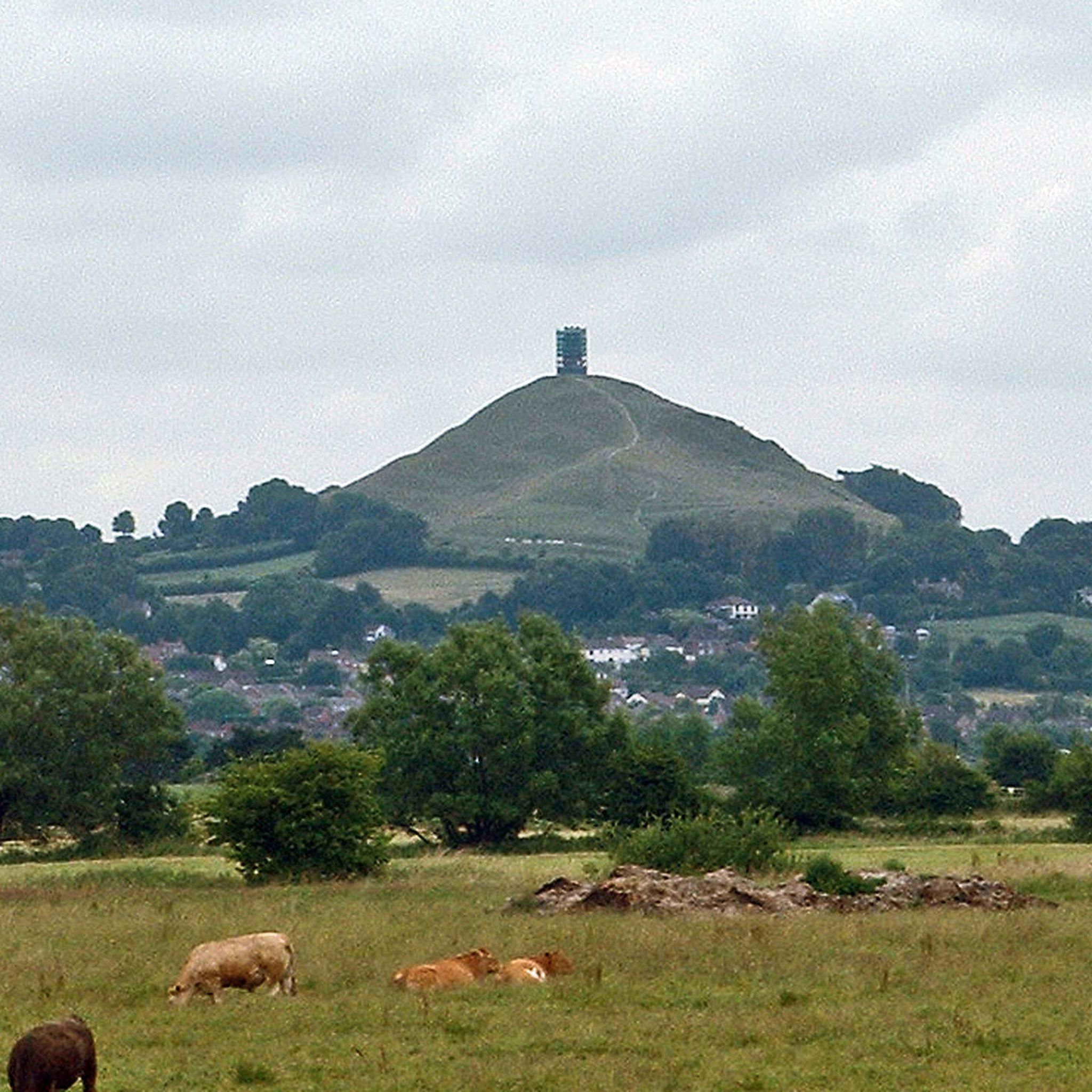
- The most popular natural monuments is Glastonbury Tor, a summit that offers expansive…
Last updated: October 16, 2026
Glastonbury Tor
Highlight • Summit
Tip by

Burrow Mump
Highlight • Religious Site
Tip by

Sign up now to discover places like this
Get recommendations on the best single tracks, peaks, & plenty of other exciting outdoor places.
Gog and Magog Ancient Oaks
Highlight • Natural Monument
The 1000-year-old oaks have become a part of local folklore …
Tip by

View of Glastonbury Tor
Highlight • Viewpoint
Tip by

Walton Hill
Highlight • Viewpoint
Tip by
Sign up for free to discover even more natural monuments around Ashcott.
Already have an account?
Start today with a free account
Your next adventure awaits.
Tips from the Community

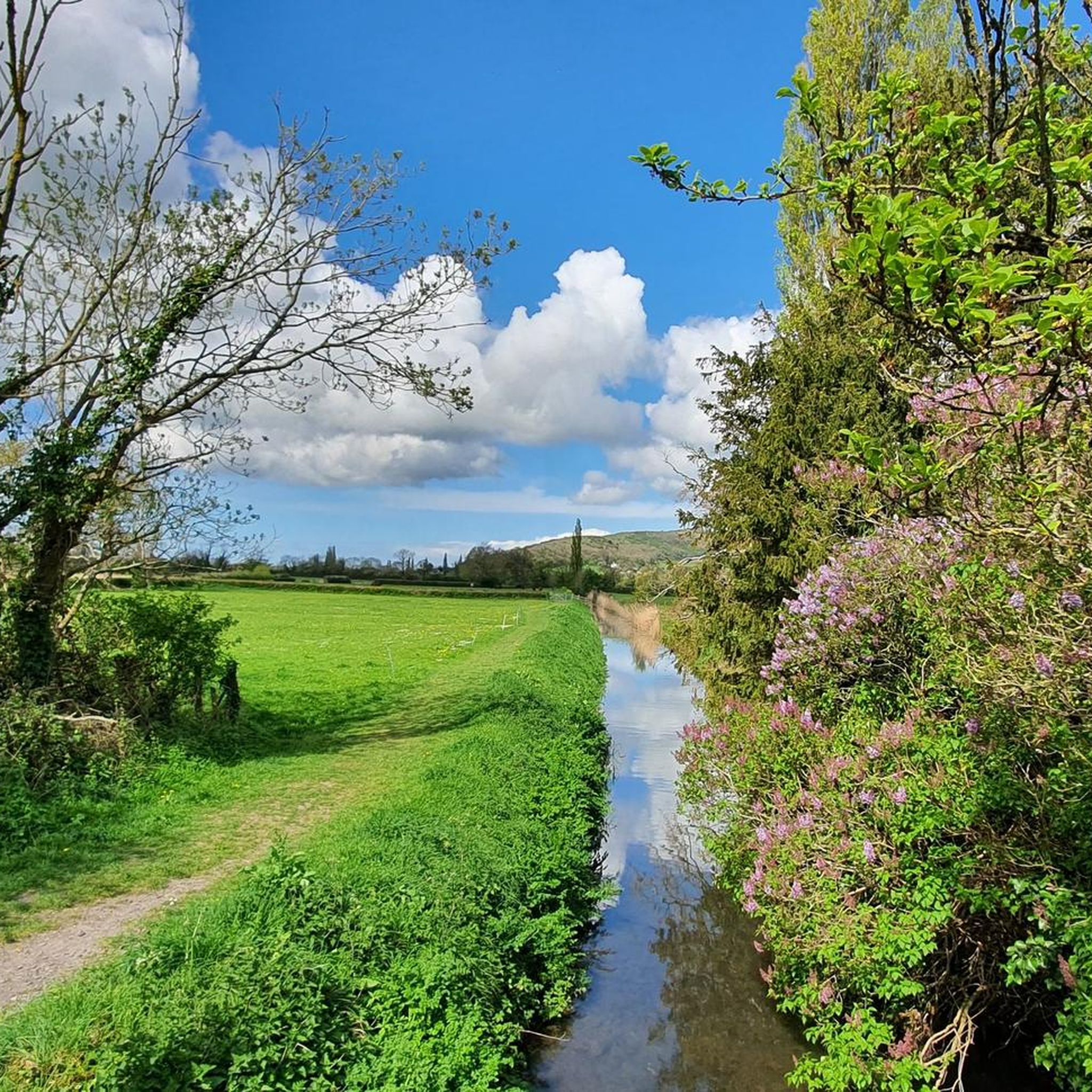
quiet country lanes across the Somerset levels with fantastic views across to the Tor.
0
0

Gog & Magog are a pair of beautiful ancient oak trees situated on the grounds of Glastonbury Abbey in Somerset. The 1000-year-old oaks have become a part of local folklore and are considered sacred by many. Legend has it the trees have magical powers, and they are regularly visited by those seeking spiritual guidance or healing.
3
0

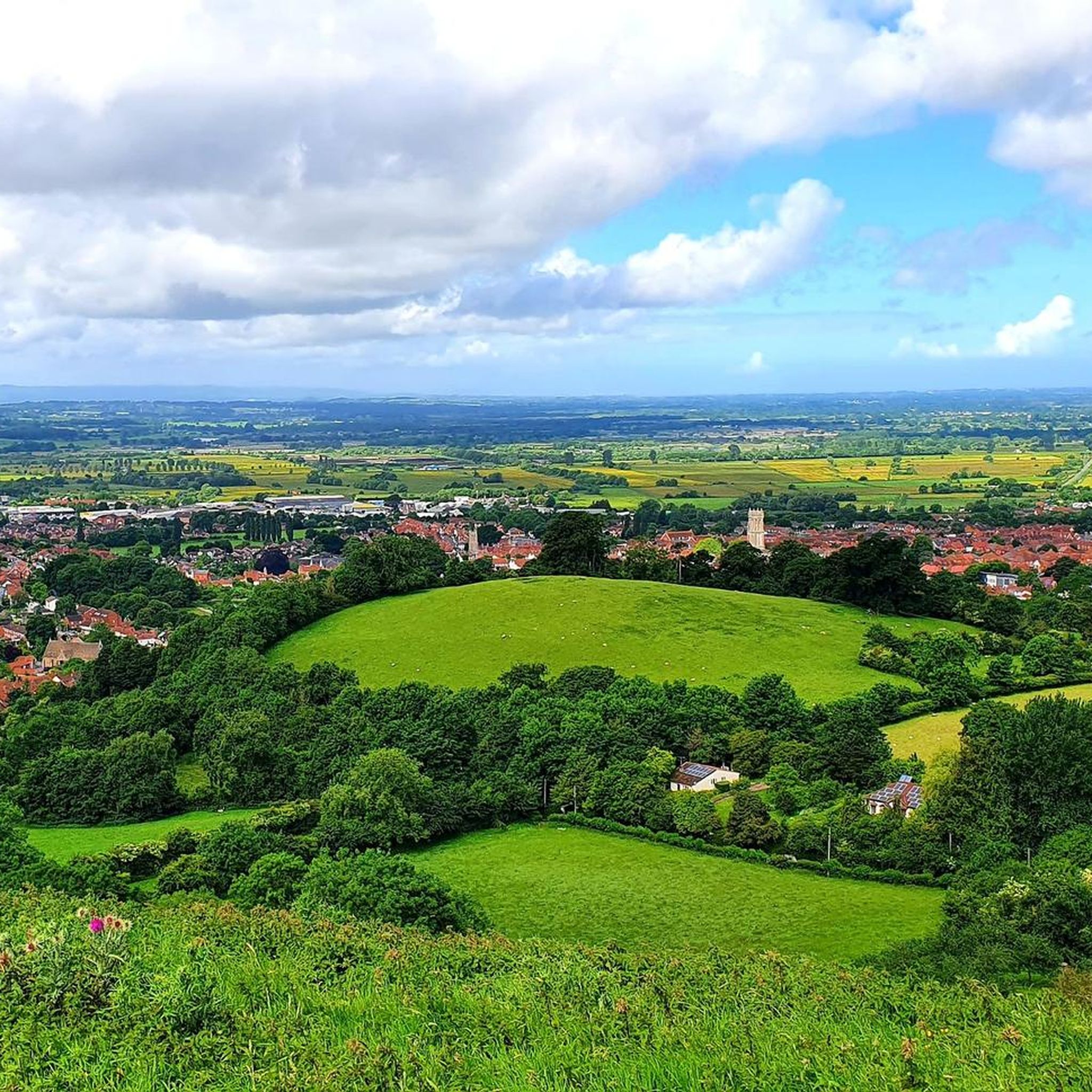
https://youtu.be/pZAoONJz04g The climb up the 301 steps to the famous summit is well worth it for the views.
3
0


Situated just a small walk from Glastonbury Centre, Glastonbury Tor Hill stands at a height of 158 m… The walk to the top is steep, and may require stops, but in general terms is only a small climb. The views are breath taking, on a clear day you can see across to the Bristol Channel. The views are amplified by the low land area which can be seen in every direction.
2
0

A steep climb from either side of the hill, but free access and stunning views from the top.
3
0
The remains of the church that was destroyed during the Dissolution of the Monasteries by Henry VIII
2
0
Frequently Asked Questions
What natural features can I expect to see around Ashcott?
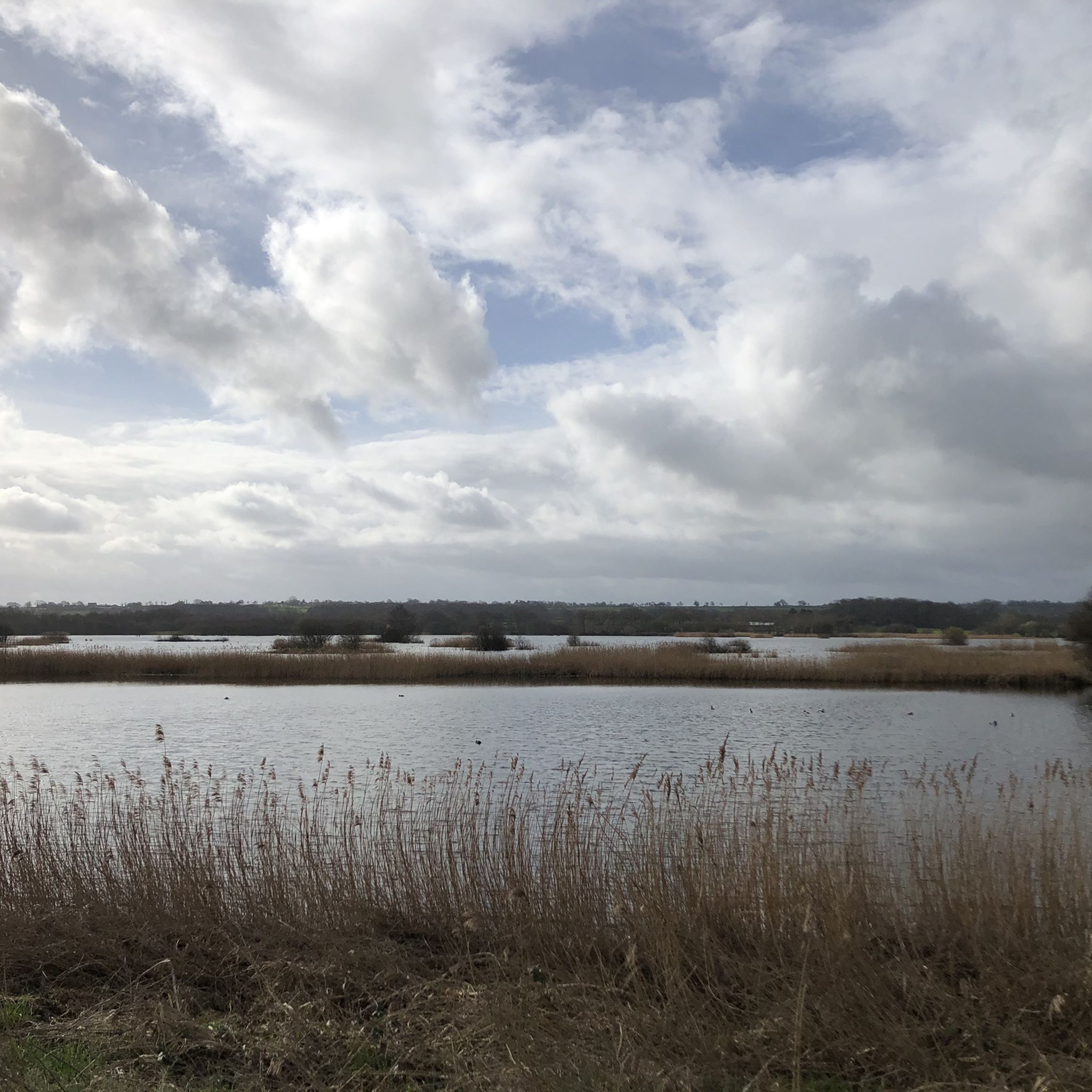
The area around Ashcott is rich in diverse natural features. You'll find significant wetland landscapes, reedbeds, and peat moors, particularly within the Avalon Marshes. Notable natural monuments include the iconic Glastonbury Tor, offering expansive views, and the ancient Gog and Magog Ancient Oaks. You can also explore the unique wetland habitats of Westhay Moor National Nature Reserve.
Are there significant wetland areas near Ashcott for wildlife observation?
Yes, the region is renowned for its wetlands. The Westhay Moor National Nature Reserve is internationally famous for birdwatching, with restored peat diggings transformed into a network of open water and reedbeds. Additionally, the nearby Shapwick Heath National Nature Reserve and Ham Wall National Nature Reserve, both part of the Avalon Marshes, offer excellent opportunities to observe diverse wetland birds, insects, and even otters and water voles.
What kind of wildlife can be observed in the natural monuments near Ashcott?
The wetland areas, such as Shapwick Heath, Ham Wall, and Westhay Moor National Nature Reserve, are havens for wildlife. Visitors can spot a wide variety of wetland birds, including marsh harriers, and during colder months, witness spectacular starling murmurations. Otters, water voles, and numerous species of dragonflies and damselflies are also common sightings.
Are there any ancient trees or unique geological formations to visit?
Absolutely. The Gog and Magog Ancient Oaks, located on the grounds of Glastonbury Abbey, are 1000-year-old trees steeped in local folklore. For unique geological formations and historical significance, Glastonbury Tor and Burrow Mump are prominent hills that stand out from the flat landscape, with the latter becoming an island during winter floods.
Are there walking trails near the natural monuments around Ashcott?
Yes, the area offers numerous walking opportunities. Shapwick Heath National Nature Reserve has a popular hiking route of approximately 4.4 miles (7.1 km) with generally flat, well-maintained paths. Ham Wall National Nature Reserve features an easy 3.4-mile (5.4 km) loop trail. For more options, you can explore various MTB Trails around Ashcott, many of which are suitable for walking.
What outdoor activities can I do near these natural monuments?
Beyond exploring the natural monuments themselves, the surrounding area provides excellent opportunities for outdoor activities. You can enjoy cycling with various routes available, such as those found in the Cycling around Ashcott guide. Gravel biking is also popular, with routes like those in the Gravel biking around Ashcott guide. Many trails are also suitable for hiking and birdwatching.
Are there family-friendly natural monuments around Ashcott?
Several natural monuments and reserves are suitable for families. The Gog and Magog Ancient Oaks are a gentle and intriguing spot for all ages. Westhay Moor National Nature Reserve and the broader Avalon Marshes (including Shapwick Heath and Ham Wall) offer accessible, flat paths ideal for family walks and wildlife spotting. The Avalon Marshes Centre also provides visitor information and amenities.
What is the best time to visit the natural monuments around Ashcott?
The best time to visit depends on your interests. For birdwatching, especially the starling murmurations, the colder months from autumn through to January/February are ideal at Ham Wall and Westhay Moor National Nature Reserve. Spring and summer offer lush landscapes and a wider variety of plant life and insects. Generally, the paths in the wetland reserves are accessible year-round, though some areas like Burrow Mump can become isolated by winter floods, offering a unique perspective.
Are there any historical sites combined with natural monuments?
Yes, the region beautifully blends natural beauty with historical significance. Glastonbury Tor features the ruins of 15th-century St Michael's Church on its summit. Burrow Mump also hosts a Grade I listed ruined church atop its hill, with a history dating back to a Norman motte and bailey castle. The White Spring, Glastonbury, while a natural water source, is also considered a historical and spiritual site.
What amenities are available near the natural monuments?
The Avalon Marshes Centre, located near the main entrance to Shapwick Heath, serves as a convenient starting point, offering visitor information, parking, and a café. Many of the nearby towns and villages, including Ashcott, have pubs and cafes. For example, the Cycling around Ashcott guide mentions routes passing by 'Sweets Tea Rooms'.
Is public transport available to reach the natural monuments?
While specific direct public transport routes to every natural monument might be limited, the larger towns in the region, such as Glastonbury, are generally well-connected. From there, local bus services or taxis can often provide access to the vicinity of the nature reserves and monuments. It's advisable to check local bus schedules for the most up-to-date information.
Are the natural monuments around Ashcott generally accessible?
Many of the natural monuments, particularly within the Avalon Marshes (Shapwick Heath and Ham Wall National Nature Reserves), are known for their accessibility. They feature generally flat, well-maintained paths, making them suitable for a wide range of visitors. However, sites like Glastonbury Tor and Burrow Mump involve climbing hills, requiring comfortable footwear.
Most popular attractions around Ashcott

Get inspired with the komoot mobile app


Explore more
Extend your search for the best caves by checking out these guides of the top ones around Ashcott:
