Top 10 Natural Monuments around Watchet
Best natural monuments around Watchet are characterized by a geologically significant coastline and proximity to broader natural areas. The town's beaches and cliffs offer notable natural features, including exceptional geological formations and fossil deposits. Watchet serves as a gateway to Exmoor National Park and the Quantock Hills Area of Outstanding Natural Beauty, providing diverse landscapes for exploration. The area's natural features offer insights into millions of years of Earth's history.
Best natural monuments around Watchet
- The most popular natural monuments…
Last updated: October 16, 2026
Beacon Hill Trig Point
Highlight • Viewpoint
Tip by

Bicknoller Post
Highlight • Natural Monument
Tip by

Sign up now to discover places like this
Get recommendations on the best single tracks, peaks, & plenty of other exciting outdoor places.
St Audries Bay Waterfall
Highlight • Beach
Tip by

Kilve Beach Fossil Beds
Highlight • Beach
Tip by

Gallox Hill Fort
Highlight • Historical Site
Tip by

Sign up for free to discover even more natural monuments around Watchet.
Already have an account?
Start today with a free account
Your next adventure awaits.
Other adventures around Watchet

Tips from the Community

Nice Waterfall. Not as impressive as it looks on the pictures, if it has not rained for some time. Car park (4£ a day) available at Home Farm Holiday Center. (Limited space)
3
0

The natural waterfall at St Audries Bay plunges straight down onto the beach and can only be reached on foot at low tide.
4
0
Dunkery Beacon at the summit of Dunkery Hill is the highest point on Exmoor and in Somerset, England. It is also the highest point in southern England outside of Dartmoor. The sandstone hill rises to 519 metres and provides views over the surrounding moorland, the Bristol Channel, and hills up to 86 miles away.
1
1
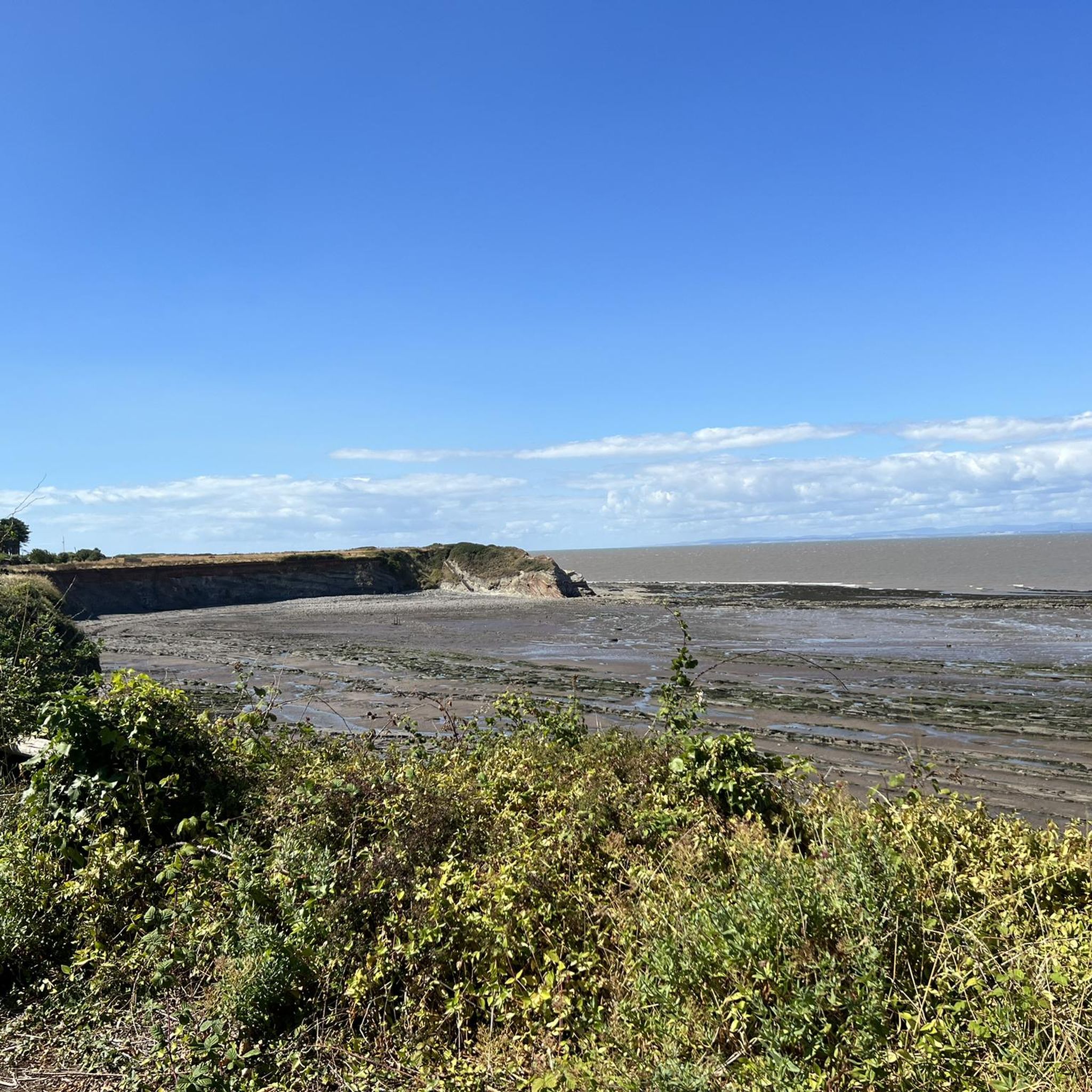
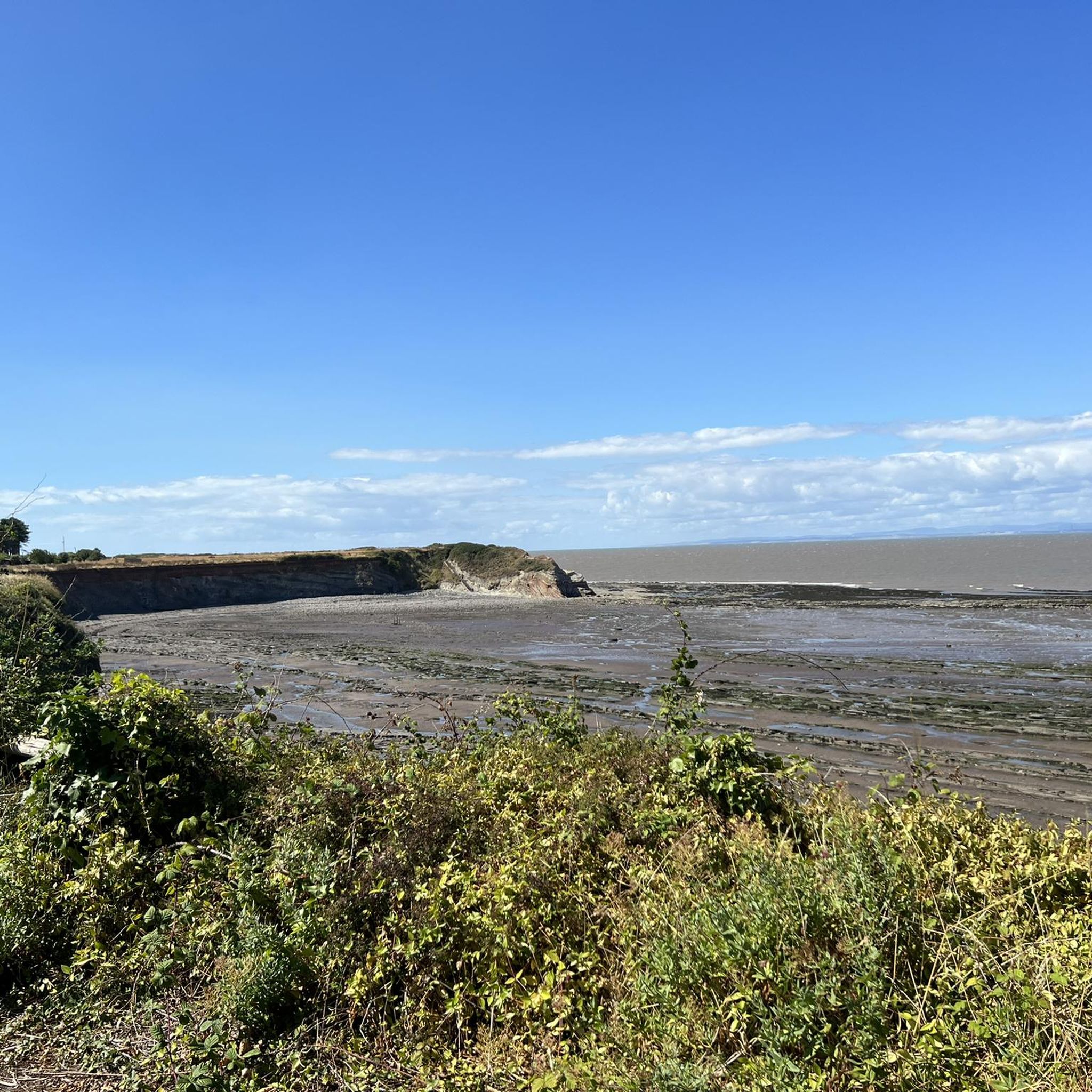
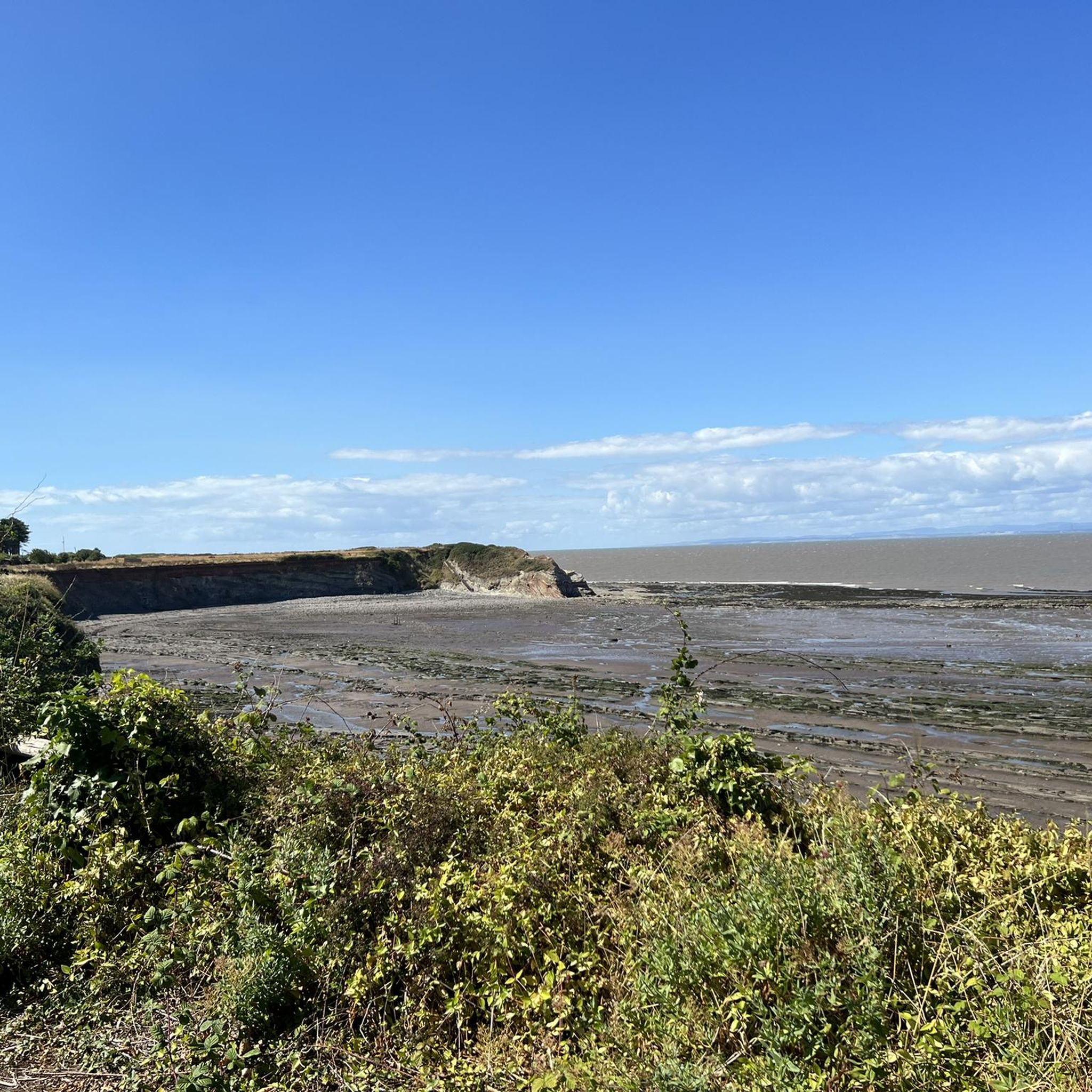
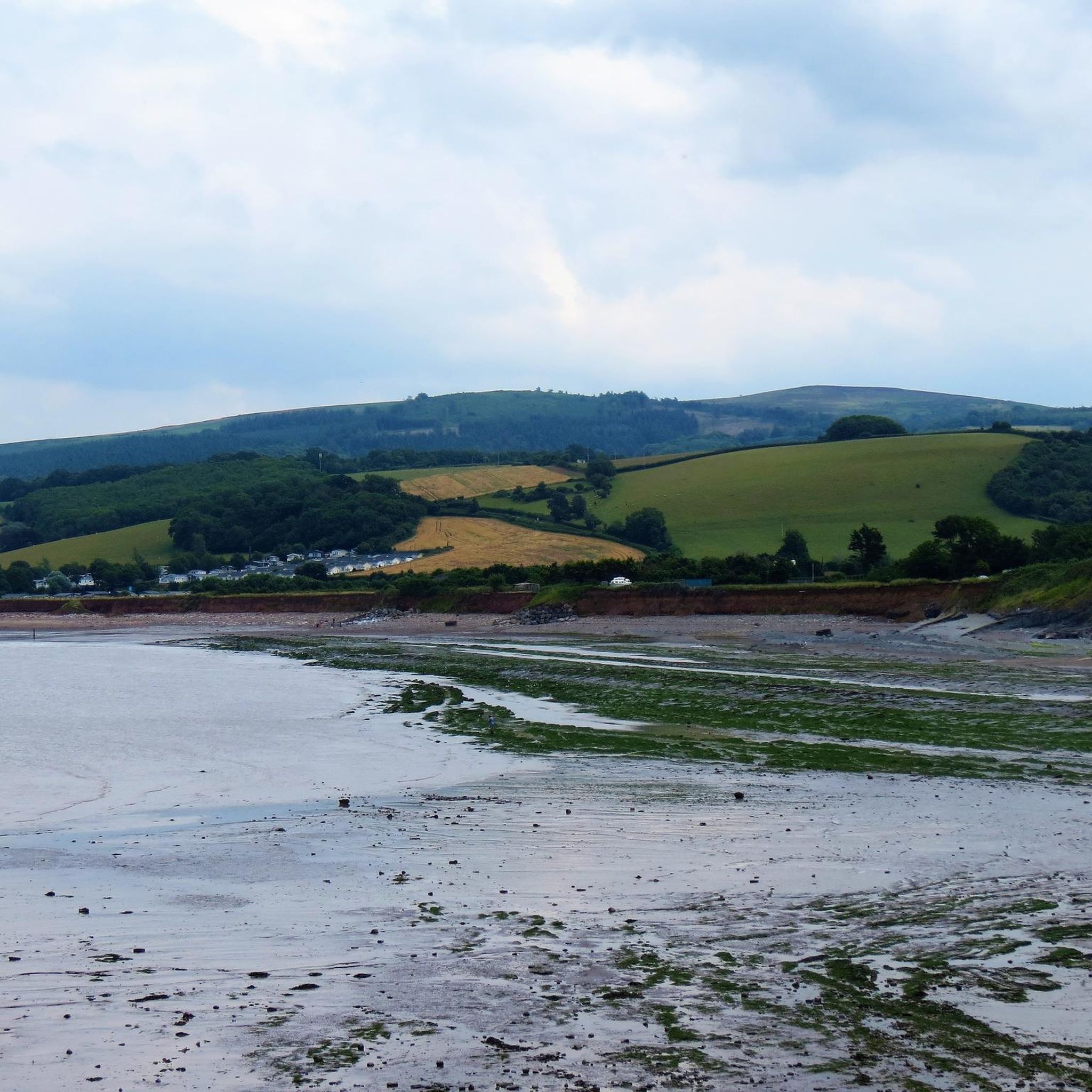
The beach of Kilve lies about halfway between Minehead and Bridgwater in the heart of the Quantocks. The shoreline is mostly rocky with plenty of rockpools to explore towards low tide. One of the best features of Kilve beach is the large grassy area behind the beach which is ideal for picnics.
1
0

Bicknoller Post offers the runner a perfect resting spot high up in the Quantocks where you can enjoy uninterrupted views across the Bristol Channel and toward South Wales.
1
0

This is an Iron Age fort measuring 100 meters by 80 meters. It features an external ditch with a prominent bank.
2
0

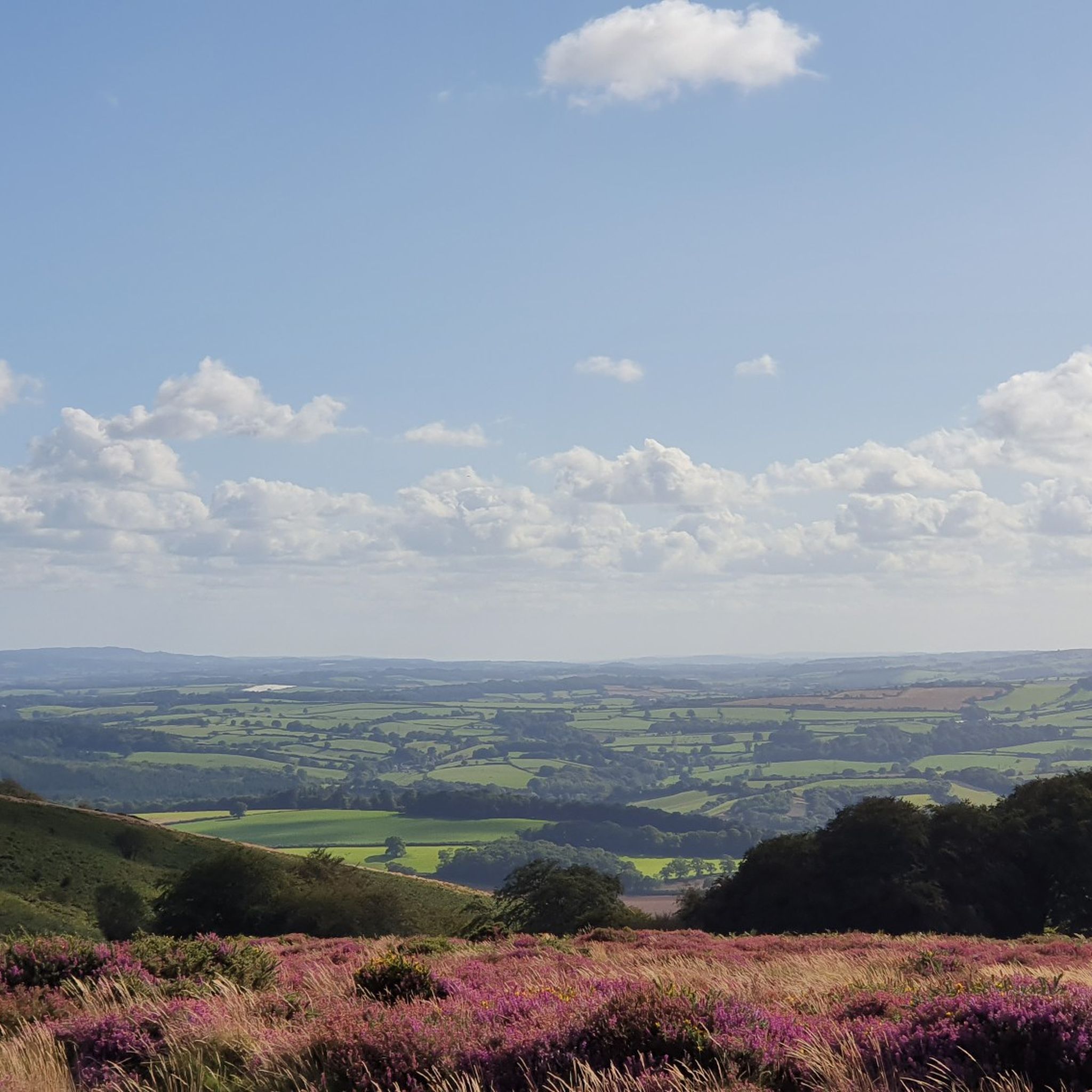
The highest northerly point on the Quantock Hills, the trig point and summit of Beacon Hill is a great viewpoint and run target. It stands at 310m and looks down over Bridgewater Bay and the Kilve coast. The running along the trails on the Quantock ridge is brilliant and although sometimes wet underfoot it's always good. You can run a long loop out to Wills Neck or further or link Beacon Hill with a coastal loop past Kilve.
0
0
Frequently Asked Questions
What are the most popular natural monuments around Watchet?
Visitors particularly enjoy the geological significance and panoramic views. Highlights include Beacon Hill Trig Point, offering extensive coastal views, and Bicknoller Post, a summit marker with incredible views over moorland and coastline within the Quantock Hills.
Where can I find significant geological features and fossils near Watchet?
Watchet's coastline is renowned for its geology. Kilve Beach Fossil Beds are a prime location, featuring wave-cut platforms of oil-bearing shale and lias rich in ammonites. The beaches of Helwell Bay and West Street Beach in Watchet also offer exceptional geological formations and fossil hunting opportunities, especially after cliff falls.
Are there family-friendly natural monuments or activities in the Watchet area?
Yes, the beaches around Watchet, such as Helwell Bay and West Street Beach, are excellent for families. They offer rock pooling and fossil hunting, which can be an engaging activity for all ages. The large grassy area behind Kilve Beach is also ideal for picnics.
What kind of hiking trails can I find near Watchet's natural monuments?
The area offers a variety of hiking trails, from easy strolls to more challenging routes. You can explore coastal paths, rolling hills, and wooded combes. For specific routes, check out the Hiking around Watchet guide, which includes trails like the St Audries Bay Waterfall loop.
What is the best time to visit Watchet for exploring its natural monuments and geological sites?
The coastline and geological sites are generally accessible year-round. However, low tide is crucial for exploring rock pools and fossil hunting on beaches like Kilve and St Audries Bay. Visiting after fresh cliff falls can also yield new fossil discoveries. Always check local tide times before planning your visit.
Are there any waterfalls to visit near Watchet?
Yes, the St Audries Bay Waterfall is a notable natural feature. It plunges directly onto the beach and is best accessed on foot at low tide. This area is also part of a moderate trail offering stunning coastal views.
What other outdoor activities are available near Watchet's natural monuments?
Beyond hiking, the region is excellent for cycling. The Cycling around Watchet guide features routes like the 'Northern Quantocks & Exmoor Coast loop'. The proximity to Exmoor National Park and the Quantock Hills AONB also provides opportunities for birdwatching and exploring diverse landscapes.
Are there any historical natural monuments in the area?
Yes, Gallox Hill Fort is an Iron Age fort that measures 100 by 80 meters, featuring an external ditch and a prominent bank. While primarily historical, its setting within the natural landscape makes it a significant site.
What makes the Watchet coastline geologically significant?
The coastline around Watchet, including Helwell Bay and West Street Beach, offers an almost continuous exposure of Upper Triassic and Lower Jurassic strata. This provides a unique record of geological change over 200 million years, making it a classic destination for both fossil hunters and stratigraphers.
Can I find easy walks to natural monuments around Watchet?
Yes, there are several easy walking options. For example, the Easy hikes around Watchet guide includes routes like the 'St Audries Bay Waterfall loop from Doniford Halt' and the 'St Decuman's Church and Well – Watchet Harbour loop from Watchet', which are suitable for less strenuous exploration.
What kind of wildlife can be spotted near Watchet's natural monuments?
The coastal areas are excellent for birdwatching. You might spot species such as Peregrine Falcons, Egrets, and Oyster Catchers, particularly along the beaches and cliffs of Helwell Bay and West Street Beach.
Most popular routes around Watchet
Most popular attractions around Watchet

Get inspired with the komoot mobile app


Explore more
Extend your search for the best caves by checking out these guides of the top ones around Watchet:
