Top 10 Natural Monuments around Cann
Best natural monuments around Cann are primarily found within a landscape characterized by chalk downland, river valleys, and historical hill forts. This region, encompassing parts of Cranborne Chase and the Blackmore Vale, offers elevated viewpoints and significant archaeological sites. The area is known for its diverse natural features and preserved historical landmarks. Visitors can explore a blend of natural beauty and ancient history across these sites.
Best natural monuments around Cann
- The most popular natural monuments is Win Green Summit…
Last updated: June 29, 2026
Win Green Summit
Highlight • Historical Site
Tip by

Hambledon Hill Iron Age hill fort
Highlight • Viewpoint
Tip by
Sign up now to discover places like this
Get recommendations on the best single tracks, peaks, & plenty of other exciting outdoor places.
Sign up for free
Hod Hill
Highlight • Viewpoint
Tip by

Hambledon Hill Ramparts
Highlight • Historical Site
Tip by

Fontmell Down
Highlight (Segment) • Viewpoint
Tip by

Sign up for free to discover even more natural monuments around Cann.
Sign up for free
Already have an account?
Start today with a free account
Your next adventure awaits.
Login or Signup
Tips from the Community

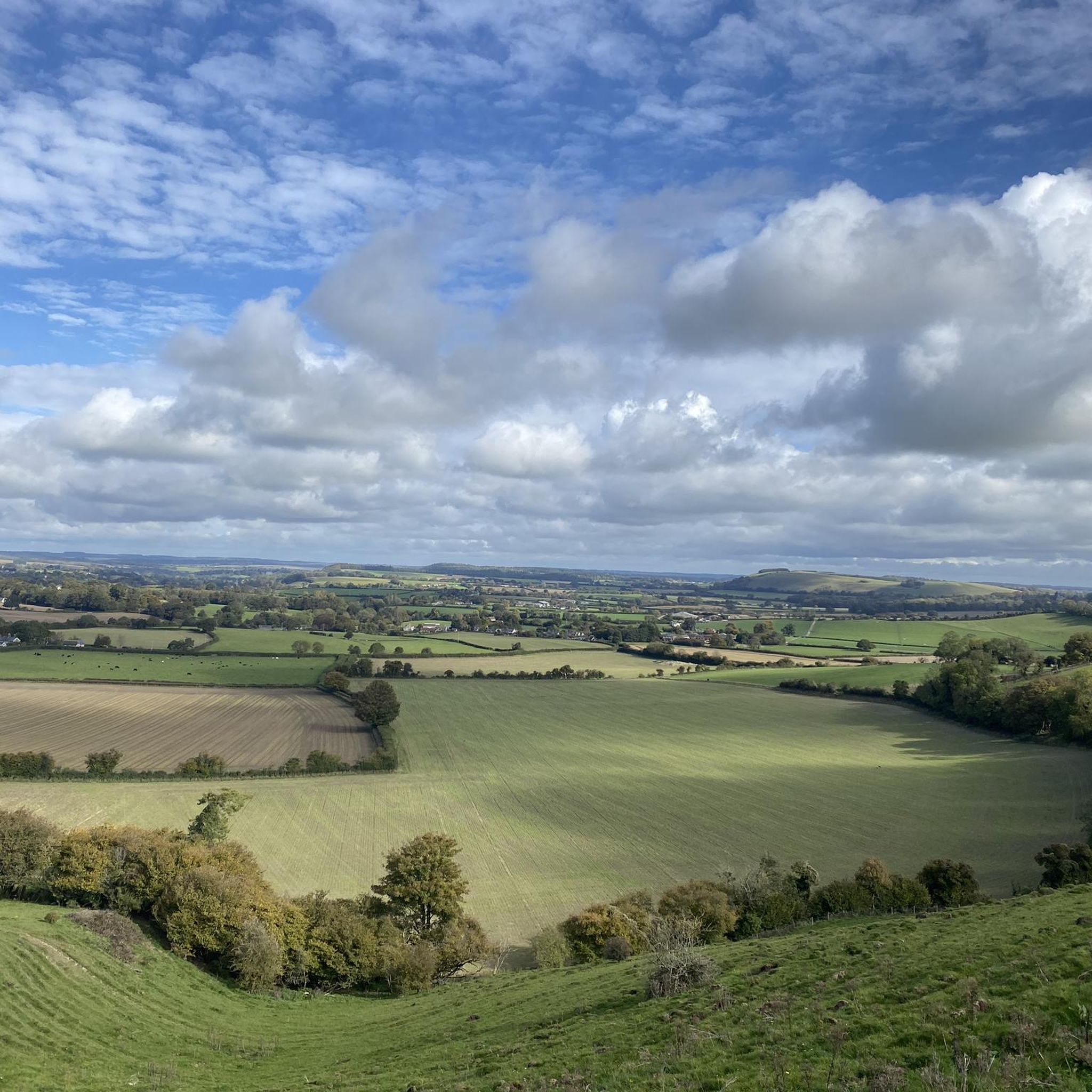
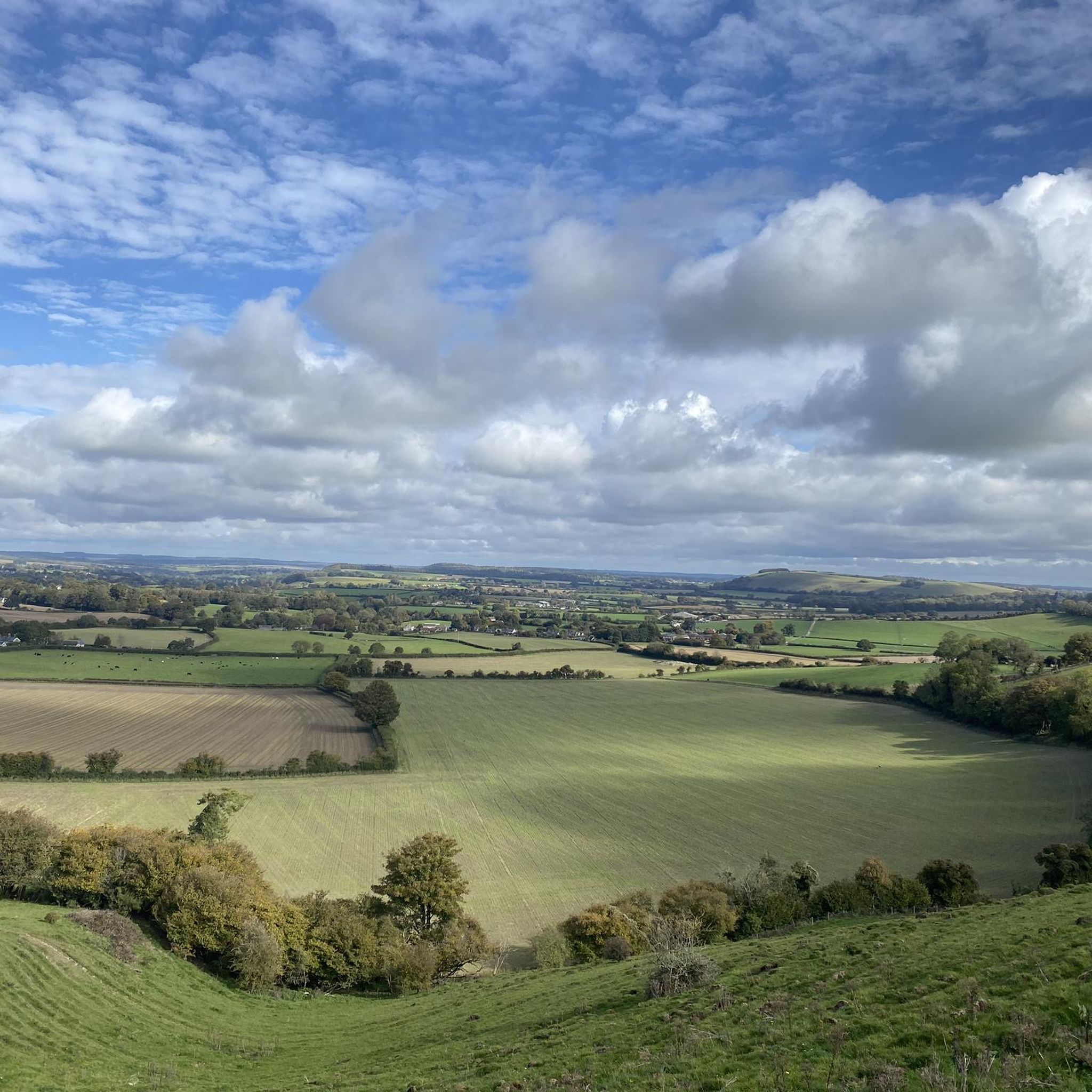
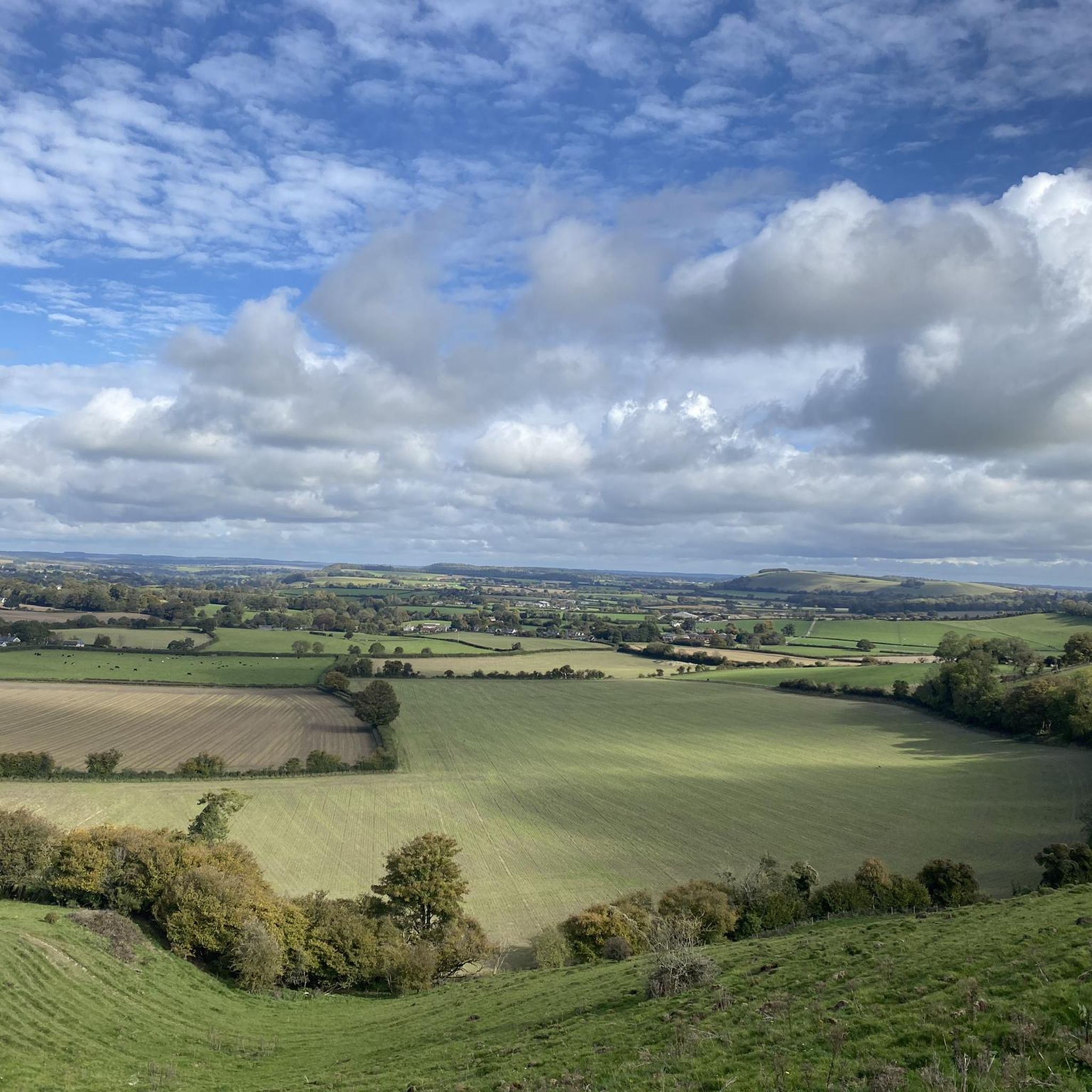
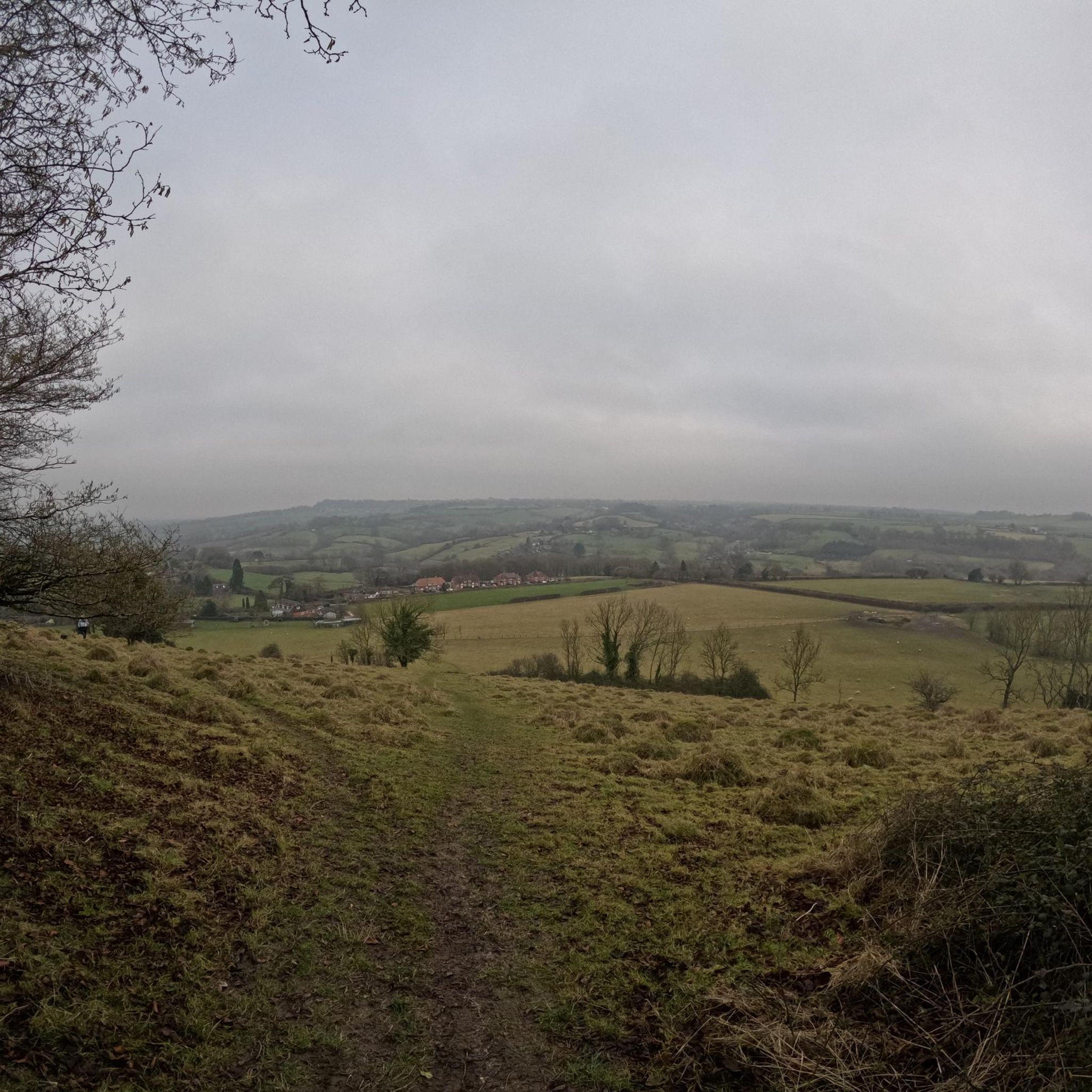
Fontmell Down is a Site of Special Scientific Interest (SSSI) and a nature reserve located in Dorset, England, within the Cranborne Chase Area of Outstanding Natural Beauty. It is known for its beautiful chalk downland, rich biodiversity, and panoramic views. The down is a steep, sinuous flank of a chalk plateau, offering extensive views across the Blackmore Vale, a landscape featured in the novels of Thomas Hardy. The chalk was formed about 100 million years ago from microscopic plants, and the down's steep-sided dry valleys were created by periglacial meltwater erosion during the last Ice Age. Earthworks visible on the down are much more recent, including those from a golf course that was present in the 1930s. In 1645, the downs were the site of an assembly of 3,000 Dorset "Clubmen," who were local residents protesting against the armies of both sides in the English Civil War.
0
0

Pop into the cricketers pub before or after your hike it’s in the village (shroton)
0
0
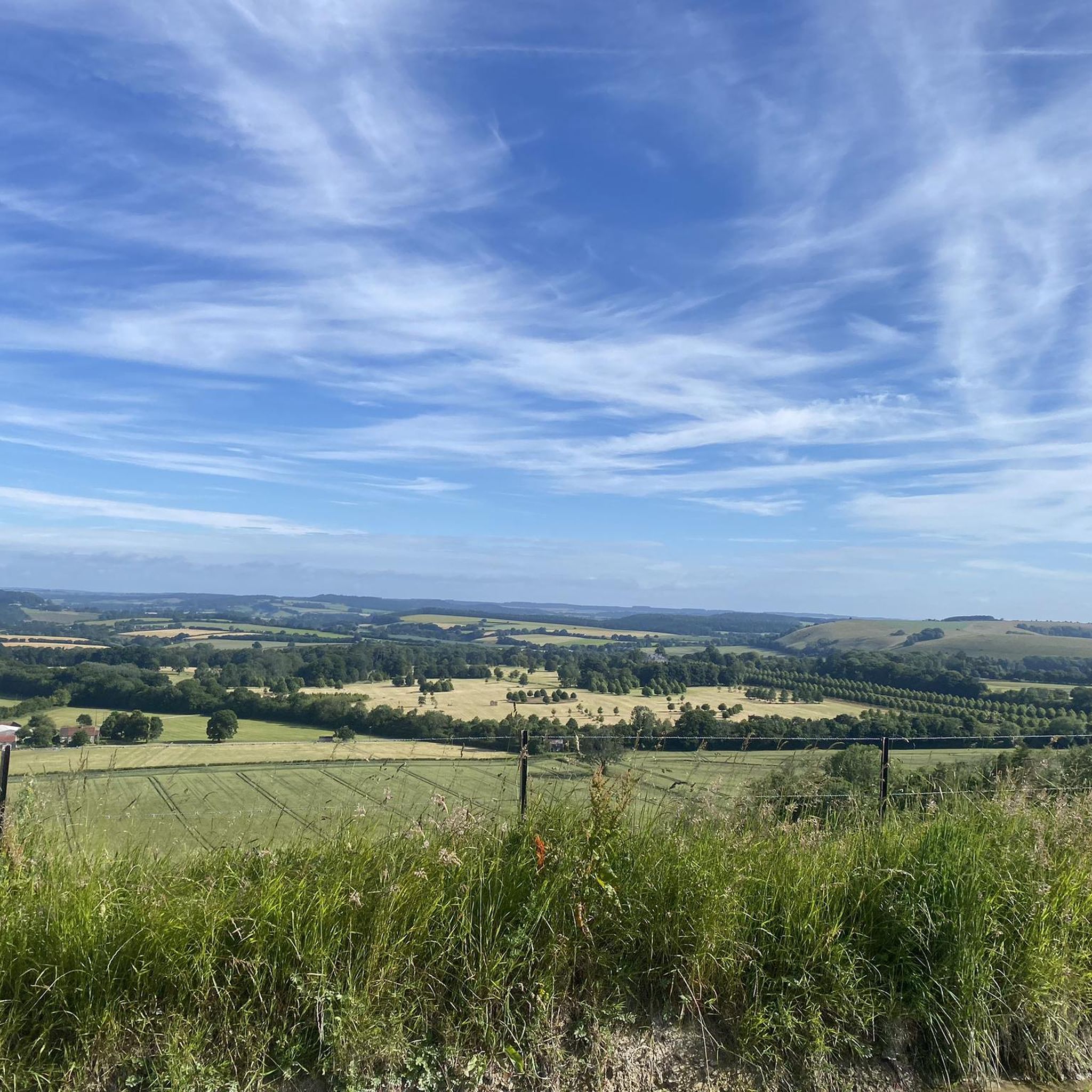
One of the most beautiful places in the south of England 🏴 and amazing views of Wiltshire and Dorset 🤩
0
0
The hill is now a National Nature Reserve (NNR) with common plants including milkwort, salad burnet, horseshoe vetch, squinancywort, pyramidal orchid and wild thyme. Rarer species include bastard toadflax, meadow saxifrage, early gentian and dwarf sedge. Butterflies include dingy skipper, grizzled skipper, chalkhill blue and Adonis blue. In August 2014, Hambledon Hill fort was acquired by the National Trust for £450,000. The money to buy the hill had come from a Natural England grant and a legacy gift left to benefit Dorset countryside. The hillfort is a Scheduled Monument, as is the adjacent Neolithic causewayed camp.
2
0
Hambledon Hill is a prehistoric hill fort in Dorset, England, in the Blackmore Vale five miles northwest of Blandford Forum. The hill itself is a chalk outcrop, on the southwestern corner of Cranborne Chase, separated from the Dorset Downs by the River Stour. It is owned by the National Trust. Hambledon Hill is the first in a series of Iron Age earthworks,] which continues with Hod Hill, Spetisbury Rings, Buzbury Rings, Badbury Rings and Dudsbury Camp. The Iron Age port at Hengistbury Head forms a final Iron Age monument in this small chain of sites. The ramparts are a lot longer than you think, amazing fun getting around them all though.
1
0
Frequently Asked Questions
What are some of the most prominent natural monuments around Cann?
The region around Cann is rich in natural monuments, particularly chalk downland and historical hill forts. Notable sites include Win Green Summit, the highest point in Cranborne Chase offering panoramic views, and the impressive Iron Age hill forts of Hambledon Hill and Hod Hill. These locations combine natural beauty with significant historical interest.
Are there family-friendly natural monuments to visit near Cann?
Yes, several natural monuments around Cann are suitable for families. Hod Hill, an Iron Age hillfort and Roman fort, is particularly recommended for its deep ramparts which make for an engaging walk, especially for children. It's also rich in insects, butterflies, and plant life during spring and summer, adding to the family experience.
What kind of historical sites can I explore among the natural monuments?
The natural monuments around Cann are deeply intertwined with history. You can explore ancient hill forts like Hambledon Hill, considered one of Britain's best-preserved Iron Age hill forts, and Hod Hill, which features both Iron Age and Roman fort remains. Win Green Summit is crowned by beech trees atop a Bronze Age bowl barrow, visible for miles around.
What outdoor activities are available near these natural monuments?
The area around Cann offers a variety of outdoor activities. You can find numerous cycling routes, including touring bicycle options like the 'Spetisbury Old Railway Station – River Stour at Spetisbury loop' or 'St Peter's Church, Shaftesbury – Gold Hill, Shaftesbury loop'. For mountain biking, there are trails such as 'View of Nadder Valley – Shaftesbury Singletrack loop'. Running enthusiasts can enjoy routes like 'View of Castle Hill – Gold Hill, Shaftesbury loop'. More details on these activities can be found in the Cycling around Cann, MTB Trails around Cann, and Running Trails around Cann guides.
Are there good hiking opportunities around Cann's natural monuments?
Yes, the natural monuments around Cann provide excellent hiking opportunities. The deep ramparts of Hod Hill offer a fun walking experience. Hambledon Hill is well worth a hike, with amazing views over the Stour and Lwerne valleys. Many running trails in the area, such as those listed in the Running Trails around Cann guide, can also be enjoyed as hikes.
What unique natural features or wildlife can I expect to see?
The natural monuments around Cann are known for their diverse ecosystems. Hambledon Hill is a National Nature Reserve, home to rare plant species like bastard toadflax and early gentian, and butterflies such as the chalkhill blue and Adonis blue. Hod Hill abounds in insects, butterflies, and plant life, especially in spring and summer. Fontmell Down is a Site of Special Scientific Interest (SSSI) known for its rich biodiversity and excellent butterfly populations.
Is it possible to visit these natural monuments with a dog?
Many of the natural monuments around Cann are dog-friendly. For example, the walk through the Rushmore Estate near Win Green Summit is noted as nice for dogs, though they may need to be kept on a lead for parts of the walk due to animals. Always ensure dogs are kept under control and respect local signage regarding livestock or protected wildlife.
What is the best time of year to visit the natural monuments around Cann?
Spring and summer are particularly rewarding times to visit the natural monuments around Cann. During these seasons, sites like Hod Hill come alive with insects, butterflies, and vibrant plant life. Fontmell Down also boasts excellent butterfly populations in warmer months. However, the panoramic views from summits like Win Green Summit can be enjoyed year-round, especially on clear days.
Are there any accessible natural monuments for visitors with mobility considerations?
While many natural monuments in the region involve uneven terrain and steep climbs typical of hill forts and downland, specific accessibility information for each site can vary. It's advisable to check the official websites for individual sites or contact local visitor centers for the most up-to-date details on accessible paths and facilities before your visit.
Where can I find cafes or pubs near the natural monuments?
While specific cafes directly adjacent to every natural monument are not always available, the villages surrounding these sites often offer options. For instance, after exploring Hambledon Hill Ramparts, you could visit the Cricketers pub in the nearby village of Shroton.
How long should I plan for a visit to these natural monuments?
The duration of your visit can vary depending on the site and your activity. A walk around Win Green Summit and the Rushmore Estate might take around two hours. Exploring the extensive ramparts of Hambledon Hill could also take a couple of hours. For sites like Hod Hill, you might spend anywhere from an hour to a half-day, especially if you're enjoying a picnic or observing wildlife.
What should I wear for trails near Cann's natural monuments?
Given the varied terrain, which includes chalk downland and potentially muddy paths, it's recommended to wear sturdy walking shoes or hiking boots. Layers of clothing are advisable to adapt to changing weather conditions, especially on elevated viewpoints like Win Green Summit where it can be windier. Waterproofs are always a good idea, particularly outside of peak summer.
Most popular attractions around Cann

Get inspired with the komoot mobile app


Explore more
Extend your search for the best caves by checking out these guides of the top ones around Cann:
