Top 9 Natural Monuments around Molash
Best natural monuments around Molash are found within a landscape rich in ecological and historical significance, situated in Kent, England. The village is located within the North Downs Area of Outstanding Natural Beauty, offering diverse habitats and scenic beauty. Notable natural features include ancient woodlands like King's Wood and historical Yew trees. The area provides opportunities to explore chalk grasslands, geological formations, and expansive viewpoints.
Best natural monuments around Molash
- The most popular natural monument is Millennium Stone and Wye…
Last updated: June 29, 2026
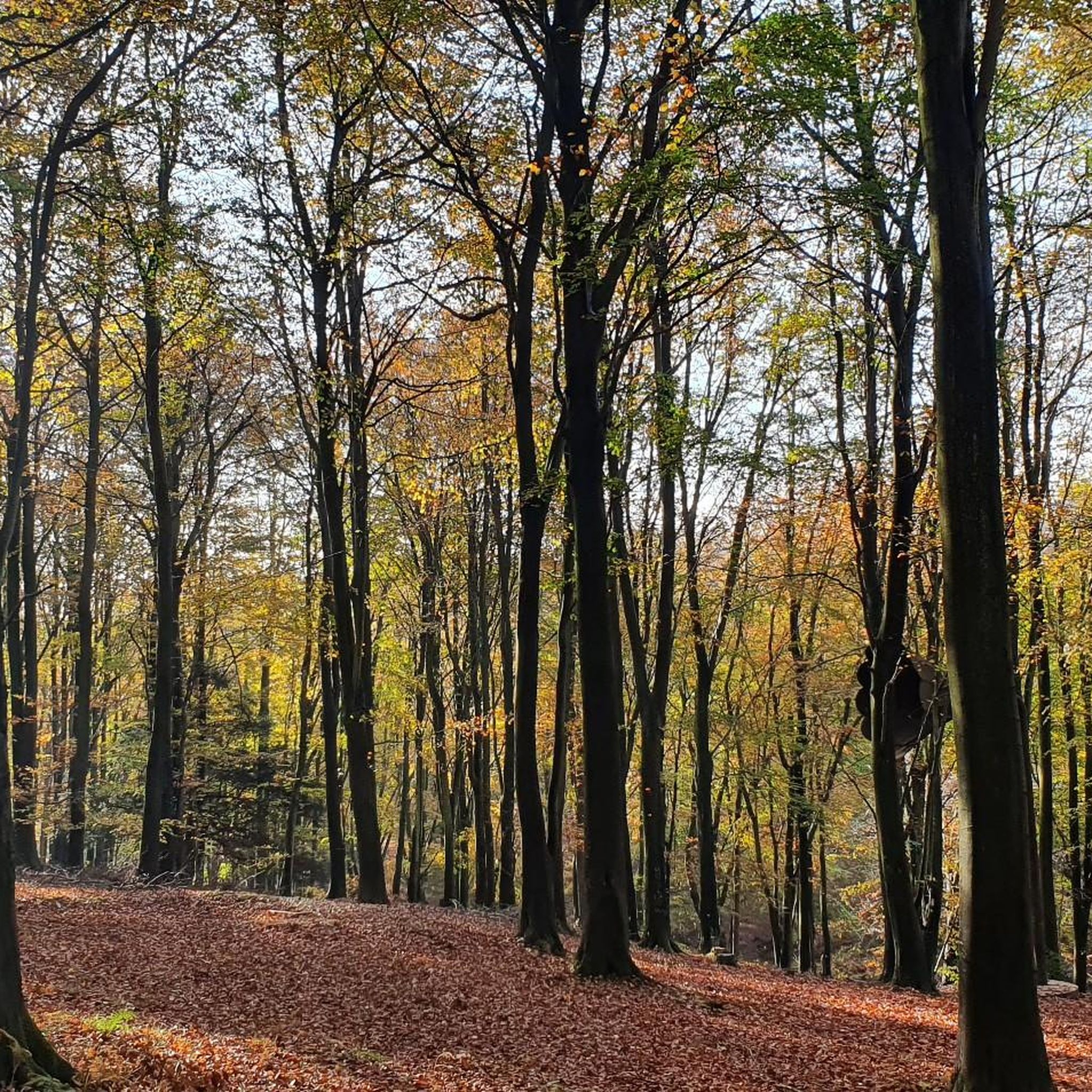
Bluebells in King's Wood
Highlight • Natural Monument
Tip by

Millennium Stone and Wye Crown viewpoint
Highlight • Natural Monument
Tip by
Sign up now to discover places like this
Get recommendations on the best single tracks, peaks, & plenty of other exciting outdoor places.
Sign up for free
Eastwell Lake
Highlight • Lake
Tip by

Hothfield Common Nature Reserve
Highlight • Natural
Tip by
View of Devil's Kneading Trough
Highlight • Viewpoint
Tip by
Sign up for free to discover even more natural monuments around Molash.
Sign up for free
Already have an account?
Start today with a free account
Your next adventure awaits.
Login or Signup
Tips from the Community

A must for anyone interested in peri-glacial features
0
0
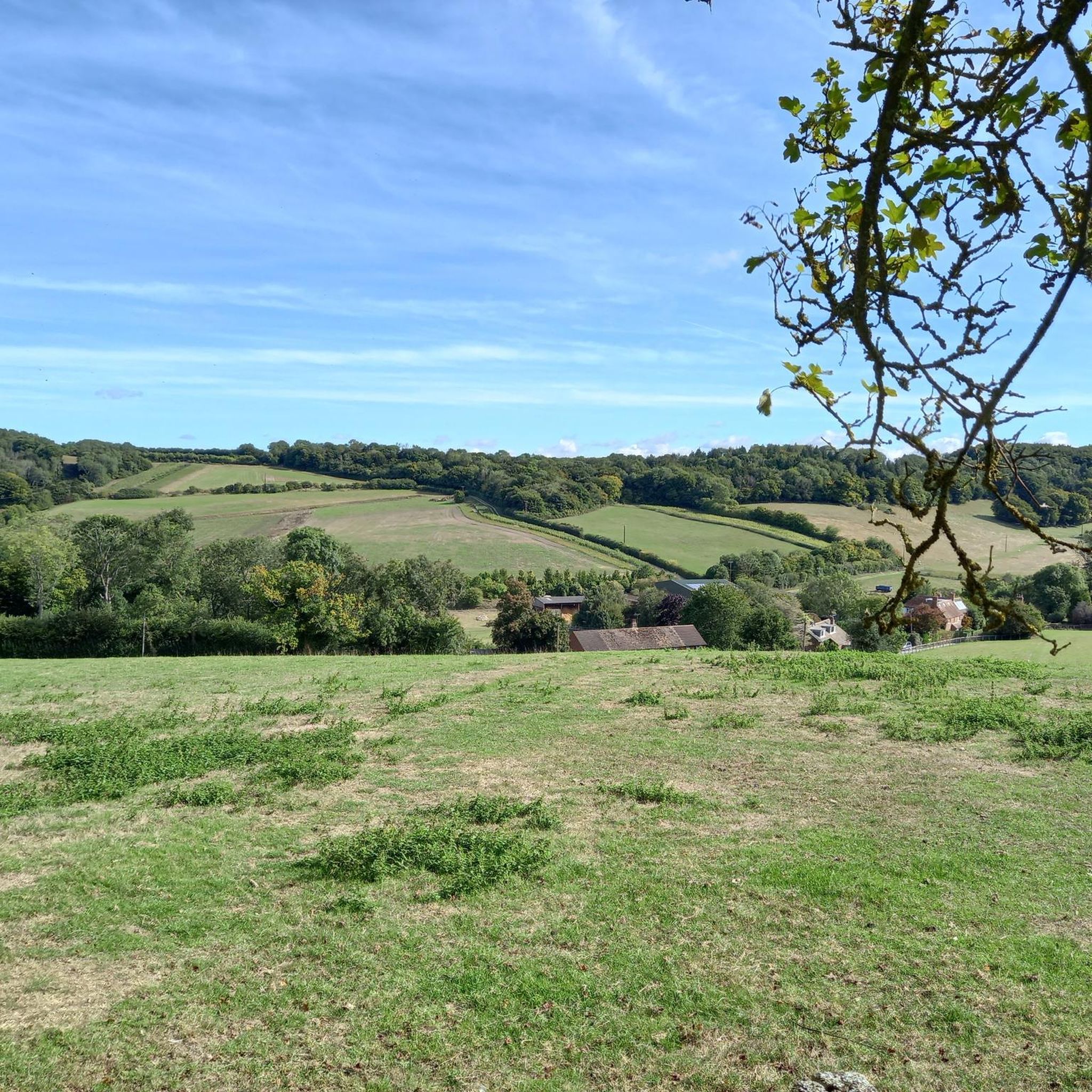
Great views from this historic monument
0
0


Rich in flora and fauna, this important reserve contains Kent's last four valley bogs and one of its few remaining fragments of open heath.
0
0

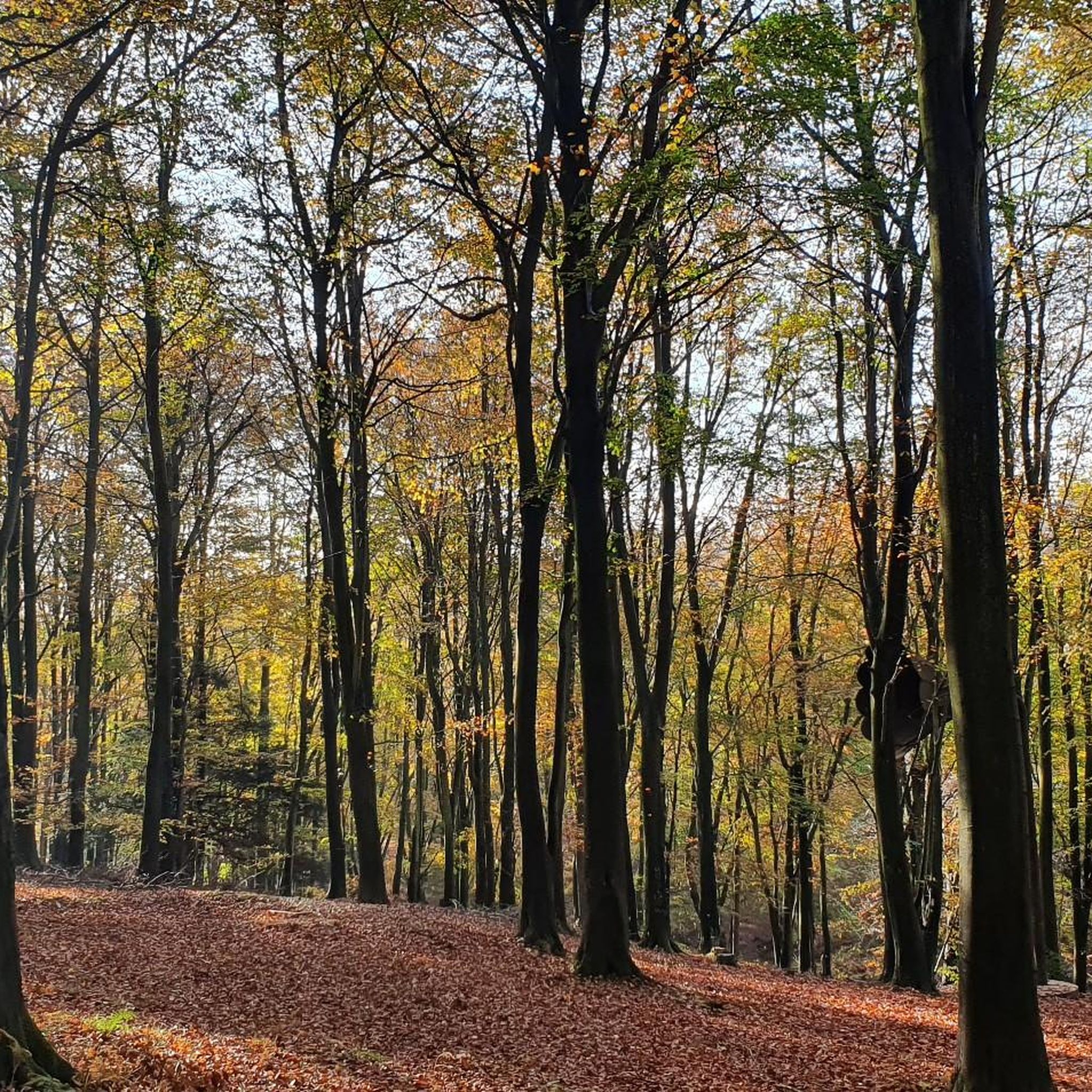
Originally used as a royal hunting wood (hence the name), King's Wood is now much better used for hunting unique art pieces along its sculpture trail. However, If you do have a keen eye and a quiet step, you may still have a chance to see its last remaining herd of fallow deer. Rest assured, they are safe from hunters nowadays.
0
0

Lovely views over Eastwell Lake from the Eastwell Lake water crossing.
0
0
The route follows the chalk ridge that forms the North Downs between Farnham and Dover and the trail is jointly managed by both Surrey and Kent county councils and will be supported by, pending its formal establishment as a new statutory agency, Natural England
1
0
This very spot witnessed the official opening of the North Downs Way in 1978
1
0
Frequently Asked Questions
What natural features can I explore around Molash?
Molash offers a diverse range of natural features. You can visit ancient woodlands like King's Wood, known for its spring bluebells and unique sculpture trail. There's also Hothfield Common Nature Reserve, one of Kent's last remaining heathlands, rich in flora and fauna. Additionally, you can find geological formations such as the Devil's Kneading Trough, a deep, bowl-like valley offering impressive views.
Where can I find the best viewpoints near Molash?
For expansive views, head to the Millennium Stone and Wye Crown viewpoint. From here, you can see across Romney Marshes all the way to the English Channel. Another excellent spot is the View of Devil's Kneading Trough, which provides incredible vistas over the Kent Downs Area of National Beauty.
Are there any historical natural monuments around Molash?
Yes, Molash has several natural monuments with historical significance. The Millennium Stone and Wye Crown viewpoint marks a historical site where a massive white crown was carved into the hillside in 1902. King's Wood itself was historically a royal hunting forest. Additionally, the ancient Yew trees at St. Peter's Church in Molash are believed to be over 500 years old, predating the 13th-century church.
What outdoor activities can I do near these natural monuments?
The area around Molash is excellent for outdoor activities. You can enjoy various hiking trails, including easy loops through King's Wood. There are also gravel biking routes that take you through the North Downs Way. For more details on routes, you can explore the easy hikes around Molash, general hiking routes, or gravel biking guides.
Are there family-friendly natural monuments around Molash?
Absolutely! Bluebells in King's Wood is a great family-friendly option, offering easy trails and a unique sculpture trail that children often enjoy. Hothfield Common Nature Reserve is also suitable for families, providing opportunities for wildlife spotting in a beautiful heathland setting. Eastwell Lake is another family-friendly spot, perfect for observing local wildlife.
What kind of wildlife can I spot near Molash's natural monuments?
The natural monuments around Molash are rich in wildlife. In King's Wood, you might spot fallow deer, dormice, bats, nightjars, green woodpeckers, and even adders. Eastwell Lake is a haven for herons, kingfishers, and various migrating birds, as well as badgers, stoats, and roe deer. Hothfield Common Nature Reserve is home to yellowhammers, whitethroats, grass snakes, lizards, and a wide array of butterflies.
What is the best time of year to visit Molash's natural monuments?
The best time to visit depends on what you wish to see. Spring is ideal for witnessing the vibrant bluebell displays in King's Wood. Autumn and winter offer a chance to see a diverse range of fungi in the same woodland. For birdwatching and enjoying the heathland flora like gorse and heather, late spring to early autumn is excellent at Hothfield Common Nature Reserve.
Are there any natural monuments suitable for dog walking?
Many of the natural areas around Molash are dog-friendly, provided dogs are kept under control, especially around wildlife. King's Wood offers extensive trails perfect for dog walks. Hothfield Common Nature Reserve also welcomes dogs, but please be mindful of ground-nesting birds and other wildlife, particularly during breeding seasons.
What makes the North Downs AONB around Molash special?
Molash is situated within the North Downs Area of Outstanding Natural Beauty (AONB), which is special for its ridge of chalk hills, diverse habitats, and rich biodiversity. This landscape includes chalk grasslands, ancient woodlands, and is home to various butterfly and moth species. The North Downs Way National Trail passes through, offering scenic walks and a glimpse into the historic Pilgrims' Way.
Are there any lakes or water features to visit?
Yes, Eastwell Lake is a notable water feature near Molash. It's a man-made lake known for its rich wildlife, including herons, kingfishers, and various wildfowl. It's an important site for migrating birds and offers beautiful views, with a historical anecdote of Queen Victoria once skating on its frozen surface.
What do visitors enjoy most about the natural monuments in Molash?
Visitors frequently praise the stunning views, particularly from the Millennium Stone and Wye Crown viewpoint and the Devil's Kneading Trough. The vibrant bluebell displays in King's Wood during spring are also a major draw, as is the unique sculpture trail within the forest. The tranquility and rich biodiversity of places like Hothfield Common Nature Reserve are also highly appreciated.
Most popular attractions around Molash

Get inspired with the komoot mobile app


Explore more
Extend your search for the best caves by checking out these guides of the top ones around Molash:
