Top 8 Natural Monuments around Hucking
Best natural monuments around Hucking are found within a landscape known for its natural features and historical elements. The Hucking Estate, managed by the Woodland Trust, is a protected ancient woodland featuring chalk grasslands and heritage sites like deneholes. This area offers diverse habitats and geological interest, recognized as a Geosite within the aspiring UNESCO Cross-Channel Global Geopark. Visitors can explore a variety of natural monuments, from unique landforms to significant viewpoints.
Best natural monuments around Hucking
- The most popular…
Last updated: May 1, 2026
Lenham Cross
Highlight • Natural Monument
Translated by Google •
Tip by

Kent Air Ambulance Memorial, Bluebell Hill
Highlight • Monument
Tip by

Sign up now to discover places like this
Get recommendations on the best single tracks, peaks, & plenty of other exciting outdoor places.
Sign up for free
Hucking Woodland Trust Entrance and Sunset Tree
Highlight (Segment) • Natural Monument
Tip by

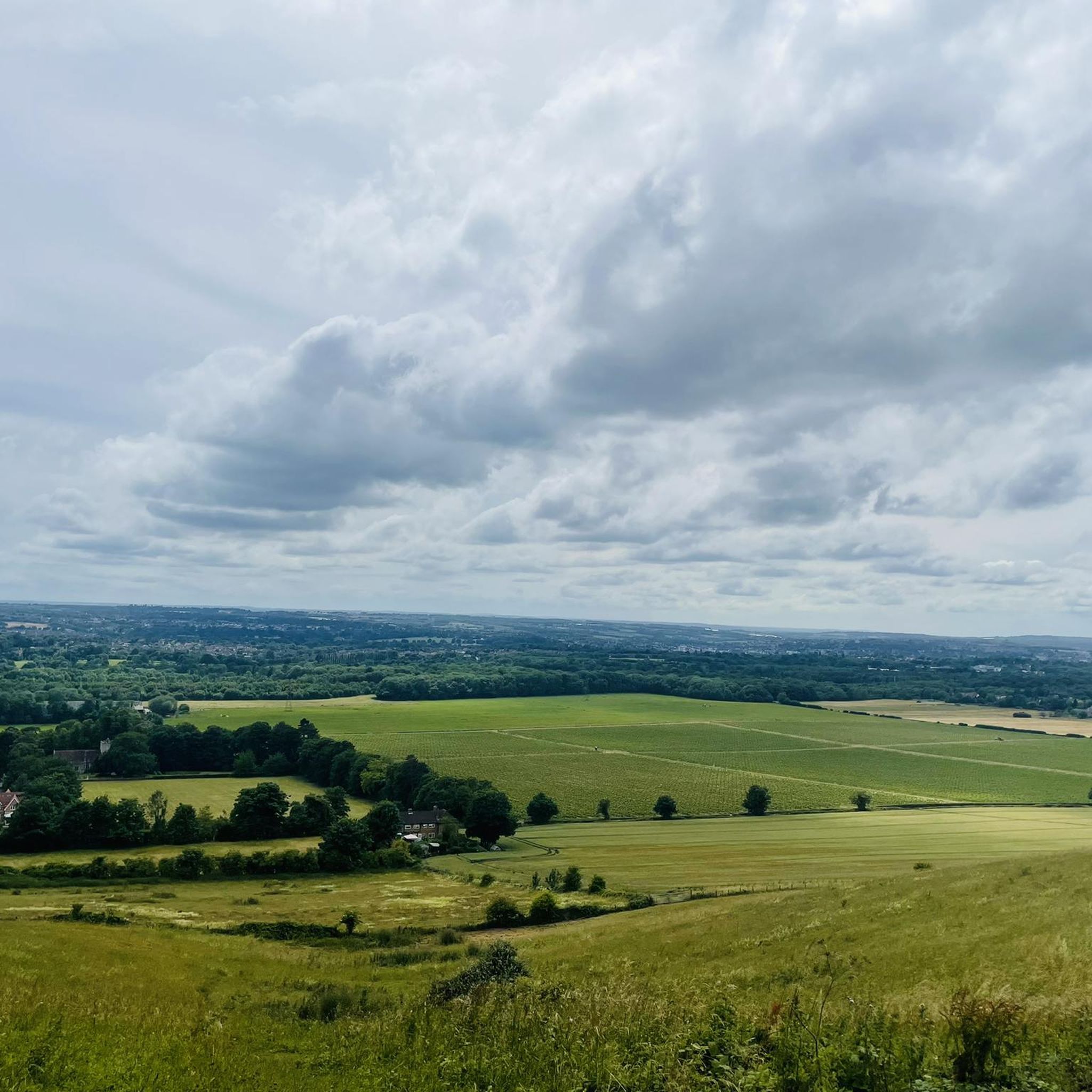
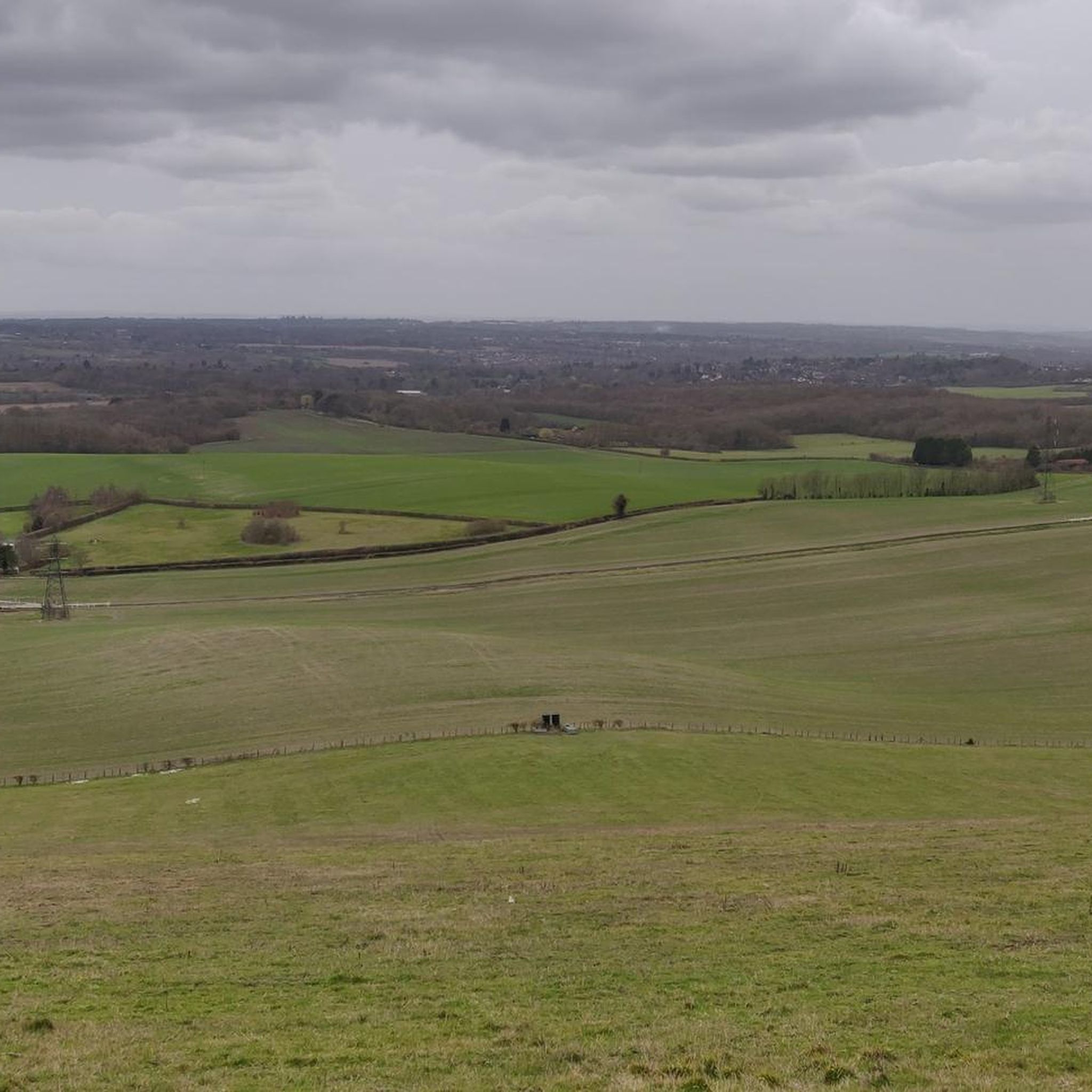
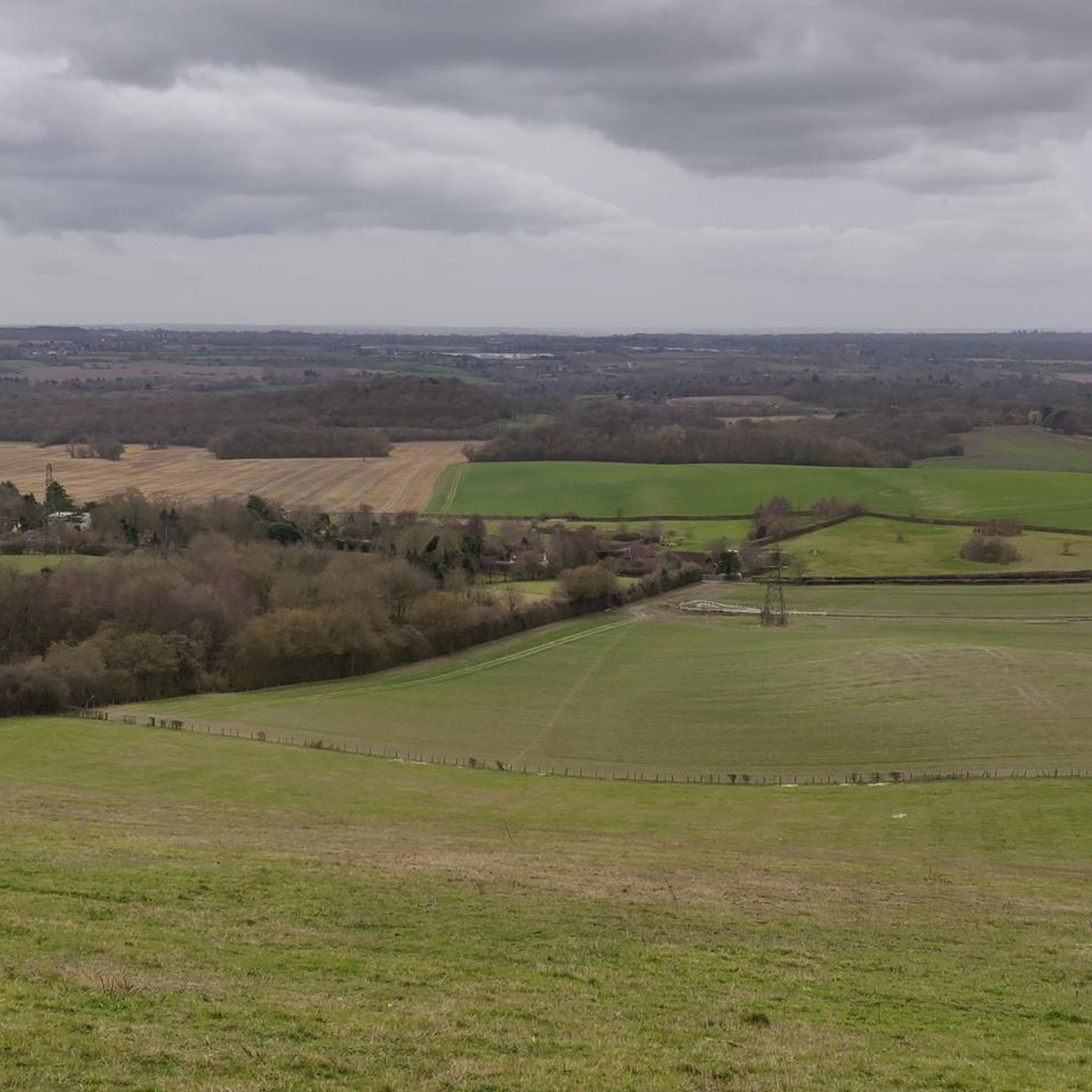
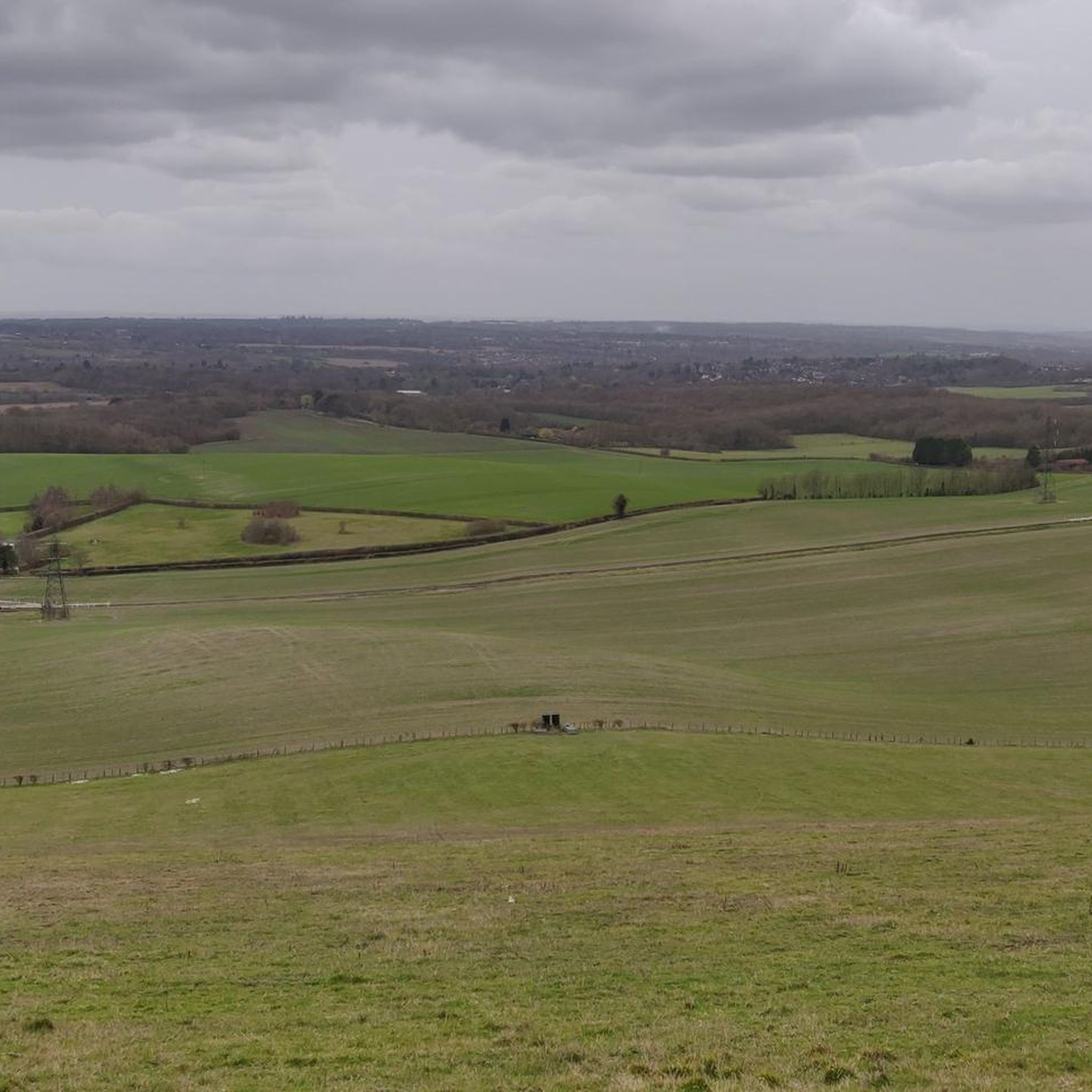
View of the Medway Valley from Blue Bell Hill
Highlight • Natural Monument
Tip by

Little Kit's Coty House
Highlight • Monument
en.wikipedia.org/wiki/Little_Kit%27s_Coty_House
Tip by

Sign up for free to discover even more natural monuments around Hucking.
Sign up for free
Already have an account?
Start today with a free account
Your next adventure awaits.
Login or Signup
Tips from the Community

A relatively modern chalk symbol sculpted in the hillside
0
0

Be careful going downhill, there may be oncoming traffic and ahead visibilty is very limited. Road often full of mud and small rocks at the bottom of the hill. Beatiful setting at the top end (at the sharp bend). It's an entrace to the Hucking Woodland Trust estate, beautiful tree great around sunset.
1
0

A detailed description of the history of the two Stone Age sites, which are now known under the – historically inexplicable – names “Kit's Coty House” and “Little Kit's Coty House”, is available for the culture-loving hiker on the following official website: => https://www.english-heritage.org.uk/visit/places/kits-coty-house-and-little-kits-coty-house/history/
0
0
The attentive hiker or pilgrim has repeatedly encountered a wide variety of types of crosses on his way: made of stone (often granite) or wood, with or without the body of the crucified Christ, artistically decorated or deliberately kept simple, towering high and thus dominating the surroundings from afar or rather smaller... This hiking highlight, however, is sure to take a top spot in the ranking of the most unusual crosses. It does not tower up, but is quite the opposite, cut into the ground so that the light background of this lying monument stands out clearly from the surrounding green of the lawn. The basic idea of such a design - known in technical jargon as geoglyps - is similar to the "Nazca Lines" in South America, which are thousands of years older; or, to give a much closer example, the "White Horse" on Uffington Hill (see https://www.komoot.com/de-de/highlight/283565 ). The sad reason for its construction is to commemorate the victims of the First World War.
4
0
The attentive hiker or pilgrim has repeatedly encountered a wide variety of types of crosses on his way: made of stone (often granite) or wood, with or without the body of the crucified Christ, artistically decorated or deliberately kept simple, towering high and thus dominating the surroundings from afar or rather smaller... This hiking highlight, however, is sure to take a top spot in the ranking of the most unusual crosses. It does not tower up, but is quite the opposite, cut into the ground so that the light background of this lying monument stands out clearly from the surrounding green of the lawn. The basic idea of such a design - known in technical jargon as geoglyps - is similar to the "Nazca Lines" in South America, which are thousands of years older; or, to give a much closer example, the "White Horse" on Uffington Hill (see https://www.komoot.com/de-de/highlight/283565 ). The sad reason for its construction is to commemorate the victims of the First World War.
4
0


The 58m high chalk cross is situated on the Pilgrim's Way, on the slopes of the ridge above the A20. It is an eye-catching design cut into the hillside, forming a striking image against the green fields surrounding it. In 1922 a collection was held to build a memorial for the 42 men who died during the first world war. The cross was designed by Mr C.H.Groom, headmaster of the village school. There was also a granite stone with the names of the men, which was moved to the churchyard in 1977. The eye catching cross was a problem during the second world war, and was filled in during that time to prevent the Luftwafte using it to navigate.
3
0

A commemoration to the Kent Air Ambulance crew who lost their lives in a crash at this site.
1
0
Frequently Asked Questions
What unique natural features can I explore at the Hucking Estate?
The Hucking Estate, a significant natural monument, offers a diverse range of features. You can explore ancient woodlands, chalk grasslands, and fascinating heritage sites like deneholes and chalk pits. It's also renowned for its spectacular bluebell displays in spring and offers stunning views across the Weald from the North Downs escarpment.
Are there any historical natural monuments to visit around Hucking?
Yes, the area around Hucking features several historical natural monuments. You can visit Lenham Cross, a unique geoglyph cut into the ground commemorating victims of the First World War. Additionally, Little Kit's Coty House is a prehistoric chambered long barrow from the Early Neolithic period. The Hucking Estate itself also contains historical excavations like deneholes.
Where can I find panoramic views of the Medway Valley near Hucking?
For breathtaking views, head to View of the Medway Valley from Blue Bell Hill. This scenic spot within the Kent Downs AONB offers expansive vistas over the surrounding countryside and the River Medway. The Hucking Estate also provides stunning views across the Weald from its southern boundary along the North Downs escarpment.
What outdoor activities can I do around the natural monuments in Hucking?
The area around Hucking is excellent for various outdoor activities. You can enjoy hiking through ancient woodlands and chalk grasslands, with routes ranging from approximately 1.5 km to 5 km within the Hucking Estate. For more options, explore the easy hikes around Hucking or consider cycling routes in the wider region.
Are there hiking trails suitable for different skill levels near Hucking's natural monuments?
Yes, there are hiking trails for various skill levels. The Hucking Estate itself offers walks of different lengths. For easy options, you can find routes like the 'Hook & Hatchet Inn loop from Hucking' or the 'View of Kent Downs loop from Thurnham' in the easy hikes around Hucking guide.
When is the best time to visit the natural monuments in Hucking?
The Hucking Estate is particularly renowned for its spectacular bluebell walks, making spring (typically April to May) an ideal time to visit for vibrant floral displays. However, the ancient woodlands and chalk grasslands offer beautiful landscapes and wildlife spotting opportunities throughout the year.
Is the Hucking Estate suitable for families and dogs?
Yes, the Hucking Estate is generally suitable for families and dogs. Many of the natural monuments and trails, such as View of the Medway Valley from Blue Bell Hill and Kent Air Ambulance Memorial, Bluebell Hill, are marked as family-friendly. The estate's diverse habitats and walking opportunities make it a great place for outdoor excursions with the whole family, including pets.
What kind of wildlife can I expect to see at the Hucking Estate?
The Hucking Estate is a significant haven for various wildlife species due to its diverse habitats, including ancient woodlands and chalk grasslands. The Woodland Trust has actively worked to enhance the environment by planting trees and hedgerows, benefiting local wildlife. Keep an eye out for various birds, insects, and small mammals that thrive in this protected area.
Are there any specific memorials or commemorative sites among the natural monuments?
Yes, there are. Lenham Cross is a historical geoglyph commemorating victims of the First World War. Additionally, the Kent Air Ambulance Memorial, Bluebell Hill serves as a commemoration to the crew who lost their lives in a crash at that location.
What is the significance of the Hucking Estate being a Geosite?
The Hucking Estate is recognized as a Geosite within the aspiring UNESCO Cross-Channel Global Geopark. This highlights its geological interest and offers opportunities to interact with geological heritage, such as the chalk pits and deneholes. It underscores the area's importance not just for its natural beauty but also for its earth science value.
Are there any facilities or amenities near the natural monuments in Hucking?
While the Hucking Estate itself is primarily a natural area, some nearby natural monuments like View of the Medway Valley from Blue Bell Hill offer facilities such as picnic benches. For cafes, pubs, or accommodation, you would typically need to visit nearby villages or towns. For more information on the Hucking Estate, you can visit the Visit Maidstone website.
Most popular attractions around Hucking

Get inspired with the komoot mobile app


Explore more
Extend your search for the best caves by checking out these guides of the top ones around Hucking:
