Top 15 Natural Monuments around Plaxtol
Natural monuments around Plaxtol, nestled within the Kent Downs National Landscape, offer a diverse range of natural attractions and areas of significant natural beauty. This region features prominent sandstone escarpments, ancient woodlands, and historical sites integrated with natural landscapes. Plaxtol provides opportunities to explore varied terrain, from expansive views across the Weald of Kent to serene village green spaces.
Best natural monuments around Plaxtol
- The most popular natural monuments is Knole House and Deer Park, a historical estate with…
Last updated: June 29, 2026
Knole House and Deer Park
Highlight • Castle
Tip by

Otford Duck Pond
Highlight • Structure
Tip by

Sign up now to discover places like this
Get recommendations on the best single tracks, peaks, & plenty of other exciting outdoor places.
Sign up for free
Coldrum Long Barrow
Highlight • Natural Monument
Tip by
Woodland sculptures at Trosley Country Park
Highlight • Trail
Tip by
Mitchell and Peach Lavender Fields
Highlight • Viewpoint
Tip by

Sign up for free to discover even more natural monuments around Plaxtol.
Sign up for free
Already have an account?
Start today with a free account
Your next adventure awaits.
Login or Signup
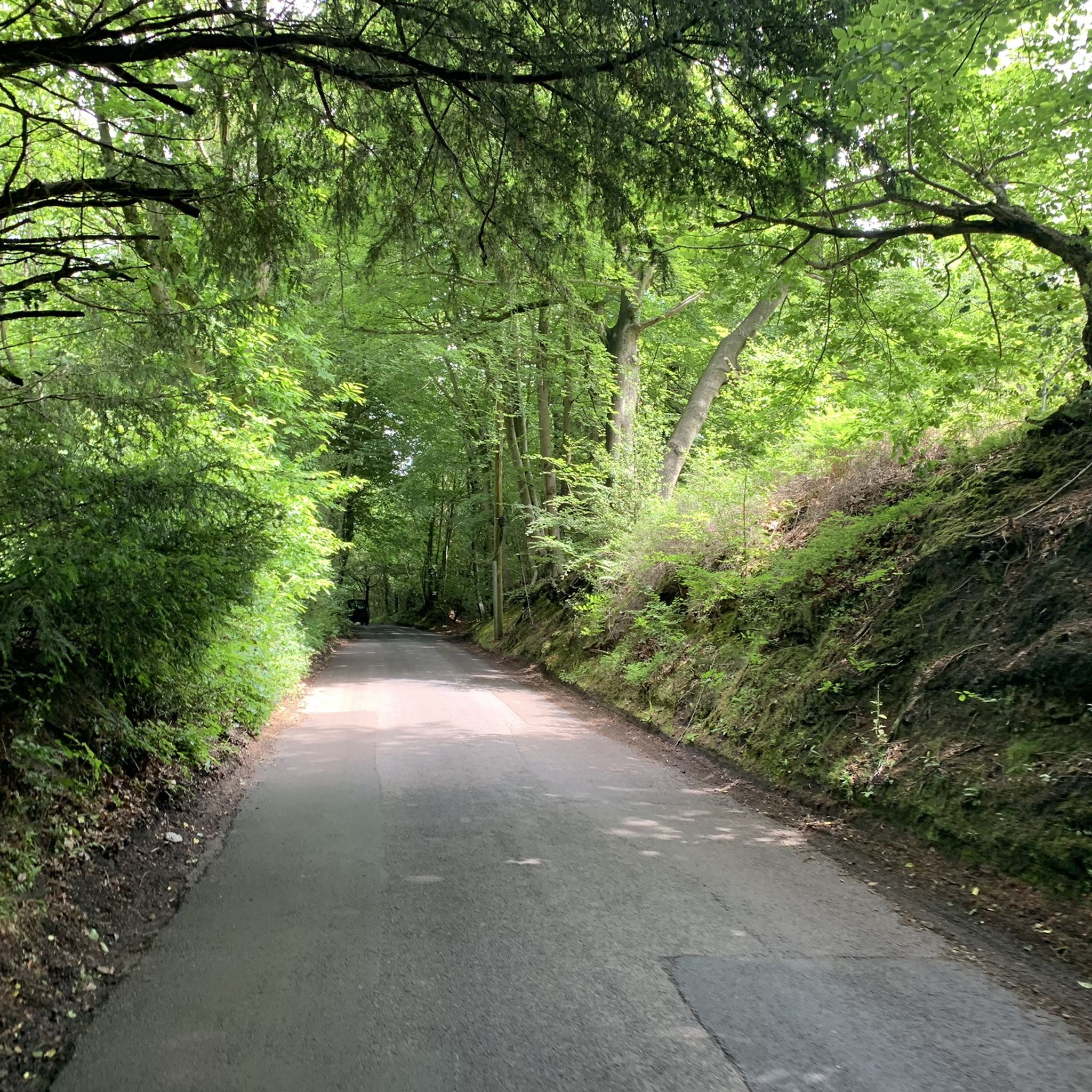
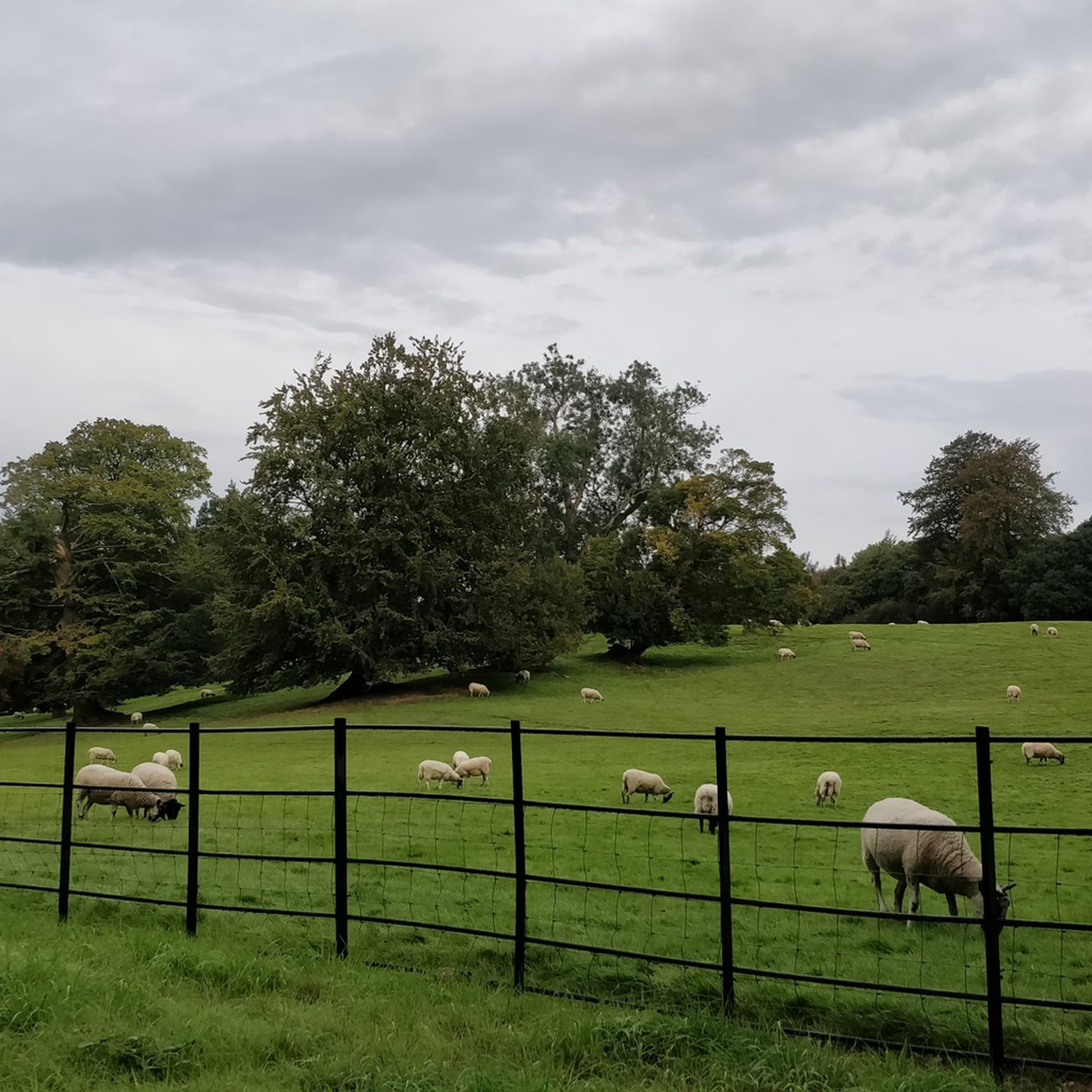
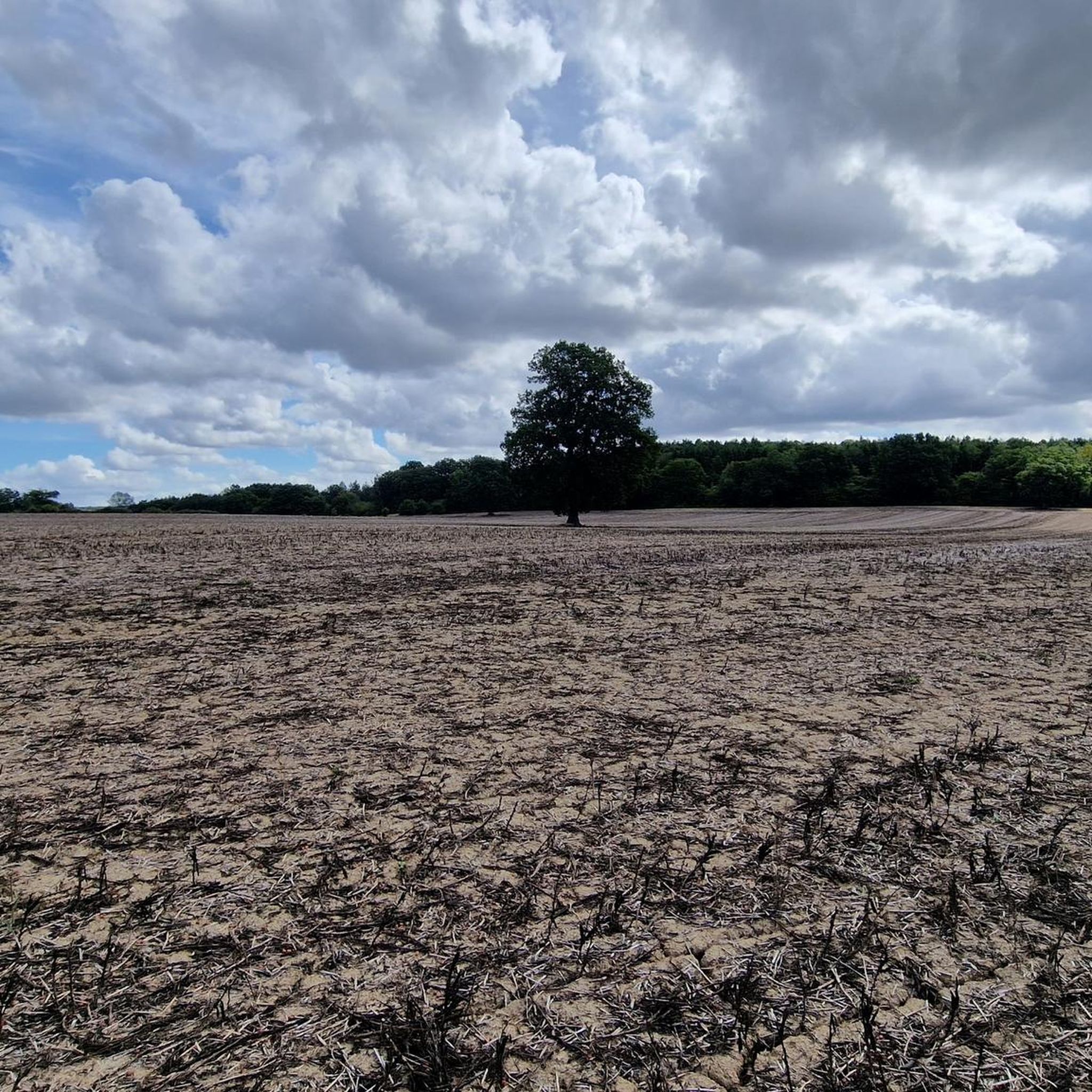
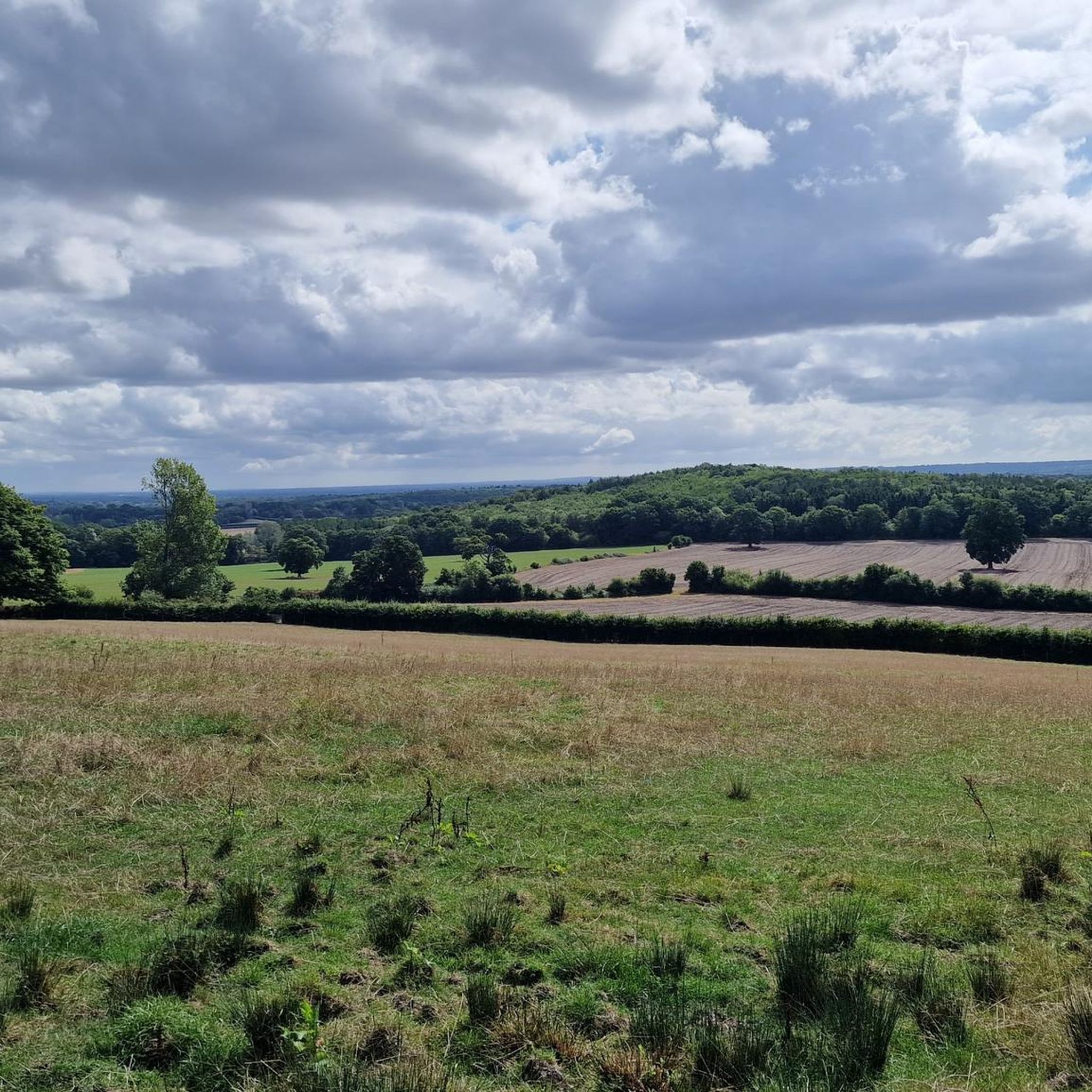

Tips from the Community

Otford Duck Pond is a historic and picturesque landmark nestled in the heart of Otford village, near Sevenoaks, in the scenic Darent Valley of Kent, England. Situated at an elevation of approximately 62 meters, this charming pond holds the unique distinction of being the only Grade II listed duck pond in the United Kingdom, recognized for its historical and community significance. Surrounded by graceful willow trees and home to a dedicated duck house, it serves as a tranquil focal point within the village. Visitors consistently praise the pond's idyllic setting and historical charm, often describing it as a beautiful and lovely start to any exploration of Otford. Its singular status as a listed monument, coupled with the peaceful atmosphere created by the resident ducks and surrounding greenery, makes it a truly special place. The scenic importance of this part of the village centre is widely appreciated, drawing people to enjoy its quiet beauty. The pond is centrally located within
0
0


Otford is a charming village and civil parish located in the Sevenoaks District of Kent, England. Nestled in the picturesque Darent Valley, Otford is known for its rich history and scenic beauty. The village is situated about 3 miles (5 km) north of Sevenoaks and lies along the River Darent. Otford boasts a variety of historical landmarks, including the remains of a Roman villa and the Archbishop’s Palace, which was once home to 52 archbishops up until the 16th century. The village is also famous for its unique claim to fame: the largest scale model of the solar system in the world. The village center features a quaint pond, surrounded by pubs, cafes, and shops, making it a delightful spot for both locals and visitors. Otford is also home to several churches, including the Anglican Church of St Bartholomew, Otford Methodist Church, Most Holy Trinity Roman Catholic Church, and Otford Evangelical Church. Otfords roundabout It is the only roundabout in the UK to have been granted listed status, which means it is recognized for its historical and architectural significance. At the center of the roundabout is a picturesque duck pond, which is thought to date back to Anglo-Saxon times. This pond is a Grade 2 listed structure
0
0
Man we j no mom mii joyokk oki king i king k K K king my SL king okk moon koi k
0
2


A medieval deer park, there are still hundreds of deer that roam freely throughout the Knole Estate. It is a great place for cycling with families and a coffee shop at the house is a welcome addition. Please respect the deer, which are wild animals, by keeping your distance and taking all litter home with you.
0
0
The scenic importance of this part of the Village Centre has been officially recognised by scheduling the pond as a Grade II listed building – the only listed Duckpond in the country.
0
0

An old British Manor surrounded by deer grazing in the park, just add a princess and a knight on his white horse and you've got the perfect setting for a Disney movie. Well, you might want to forget about the princess, but you can definitely see the manor and the deer at Knole Park in Sevenoaks. Follow me for a fairy-like day out in the most beautiful deer park in the south of England.
1
0
Frequently Asked Questions
What are some unique natural features to explore around Plaxtol?
Beyond the well-known sites, you can discover unique natural features like Bore Place, a 500-acre organic farm with ancient woodlands and walking trails, offering insights into regenerative farming. Another notable spot is Scathes Wood, part of the Ightham Mote Estate, famous for its magnificent bluebell display in spring. The Greensand Ridge also provides spectacular views across the Weald of Kent.
Are there natural monuments around Plaxtol that are suitable for families?
Yes, several natural monuments are family-friendly. The Woodland sculptures at Trosley Country Park offers woodland trails, a children's play area, and a cafe. Another option is the Otford Duck Pond, a charming and historically significant spot that families often enjoy.
Where can I experience historical natural sites near Plaxtol?
For a blend of history and nature, visit Coldrum Long Barrow, a well-preserved 3,000-year-old megalithic burial chamber offering mystical views and a serene atmosphere. Additionally, the Otford Duck Pond, a Grade II-listed pond, dates back to Anglo-Saxon times, providing a glimpse into the village's rich past.
What kind of walking routes can I find near Plaxtol's natural monuments?
The area around Plaxtol offers a variety of walking routes. You can find easy hikes, such as the 'Ightham Mote – Fairlawne Estate loop from Plaxtol' or the 'Scathes Wood Bluebell Walk loop from Shipbourne'. For more options, explore the Easy hikes around Plaxtol guide.
When is the best time to visit the natural monuments around Plaxtol?
The best time to visit depends on what you wish to see. For stunning bluebell displays, late April to early May is ideal for places like Scathes Wood. If you're interested in the Mitchell and Peach Lavender Fields, June and July are the prime months for viewing the lavender in bloom. Generally, spring and summer offer pleasant weather for exploring the diverse landscapes.
Are there opportunities for cycling near the natural monuments?
Yes, there are gravel biking opportunities in the vicinity. Routes like the 'Ightham Village – Ightham Mote loop from Tonbridge and Malling' offer scenic rides through the Kent countryside. You can find more detailed routes and information in the Gravel biking around Plaxtol guide.
What wildlife can I expect to see in the natural monuments around Plaxtol?
The diverse landscapes support a variety of wildlife. At Bore Place, you might spot brown hares in the meadows, kingfishers by the ponds, and even hear nightingales in spring. Knole House and Deer Park is home to a large herd of deer, offering excellent opportunities for observation. Trosley Country Park, a Site of Special Scientific Interest, also hosts rare plant and wildlife.
Where can I find panoramic views of the Kent countryside?
The Greensand Ridge, traversed by the Greensand Way, offers some of the most spectacular and far-reaching vistas across the Weald of Kent. On clear days, these views can extend into East Sussex. Additionally, Trosley Country Park provides spectacular views over the North Downs.
Are there any community-focused natural spaces in Plaxtol village?
Within Plaxtol village, you can visit The Garratt, a community orchard. This space represents a living connection to the area's agricultural heritage, featuring various fruit trees like cobnut, cherry plum, pear, apple, and blackberry. It's a peaceful spot that highlights the importance of traditional orchards for both local heritage and ecological diversity.
What do visitors appreciate most about the natural monuments near Plaxtol?
Visitors frequently praise the serene atmosphere and historical significance of sites like Coldrum Long Barrow. The extensive grounds of Knole House and Deer Park are loved for their opportunities to observe deer and enjoy ancient woodlands. The beauty of seasonal displays, such as the bluebells in Scathes Wood or the lavender fields, also receives high acclaim.
Can I go running near the natural monuments around Plaxtol?
Yes, there are several running trails available. Routes like the 'Ightham Mote – Knole Park (Deer Park) loop from Seal' and the 'Plaxtol Village – View of the Kent Countryside loop from Borough Green' offer varied distances and moderate difficulty. For more running options, consult the Running Trails around Plaxtol guide.
What geological features are prominent in the Plaxtol area?
The most prominent geological feature is the Greensand Ridge, a significant sandstone escarpment that defines much of the landscape. This ridge contributes to the varied terrain and supports diverse flora and fauna, making it a key natural element of the region.
Most popular attractions around Plaxtol

Get inspired with the komoot mobile app


Explore more
Extend your search for the best caves by checking out these guides of the top ones around Plaxtol:
