Top 4 Natural Monuments around Stanford
Best natural monuments around Stanford offer diverse natural features and geological insights. The region, situated near the San Andreas Fault, showcases significant geological forces and varied ecosystems. Visitors can explore areas with unique flora and fauna, historical geological formations, and landscapes shaped by ancient natural processes. These natural areas provide opportunities for appreciating local biodiversity and understanding the area's rich natural history.
Best natural monuments around Stanford
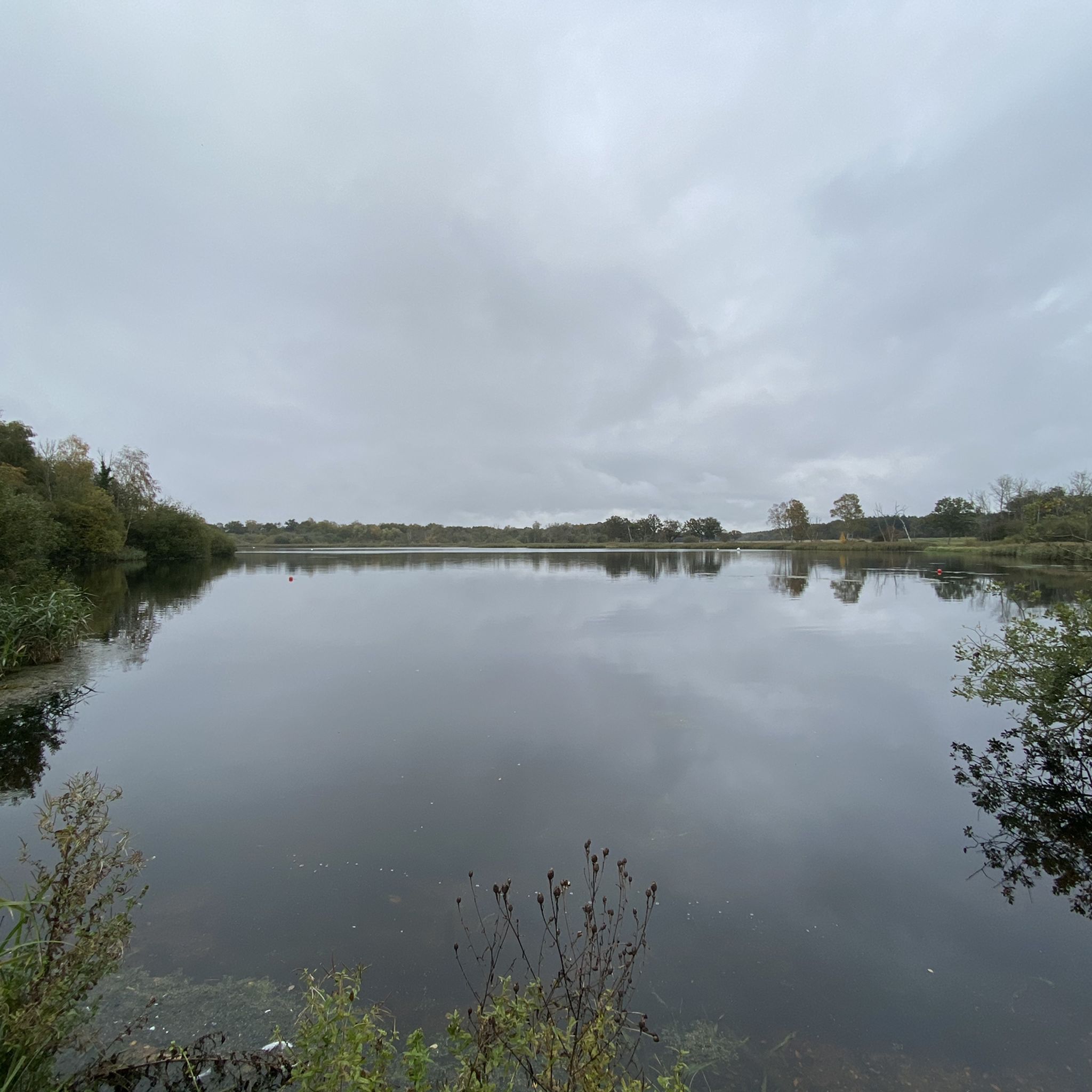
- The most popular natural monuments is Thompson Water, a lake known for…
Last updated: June 29, 2026
Thompson Water
Highlight • Lake
Tip by

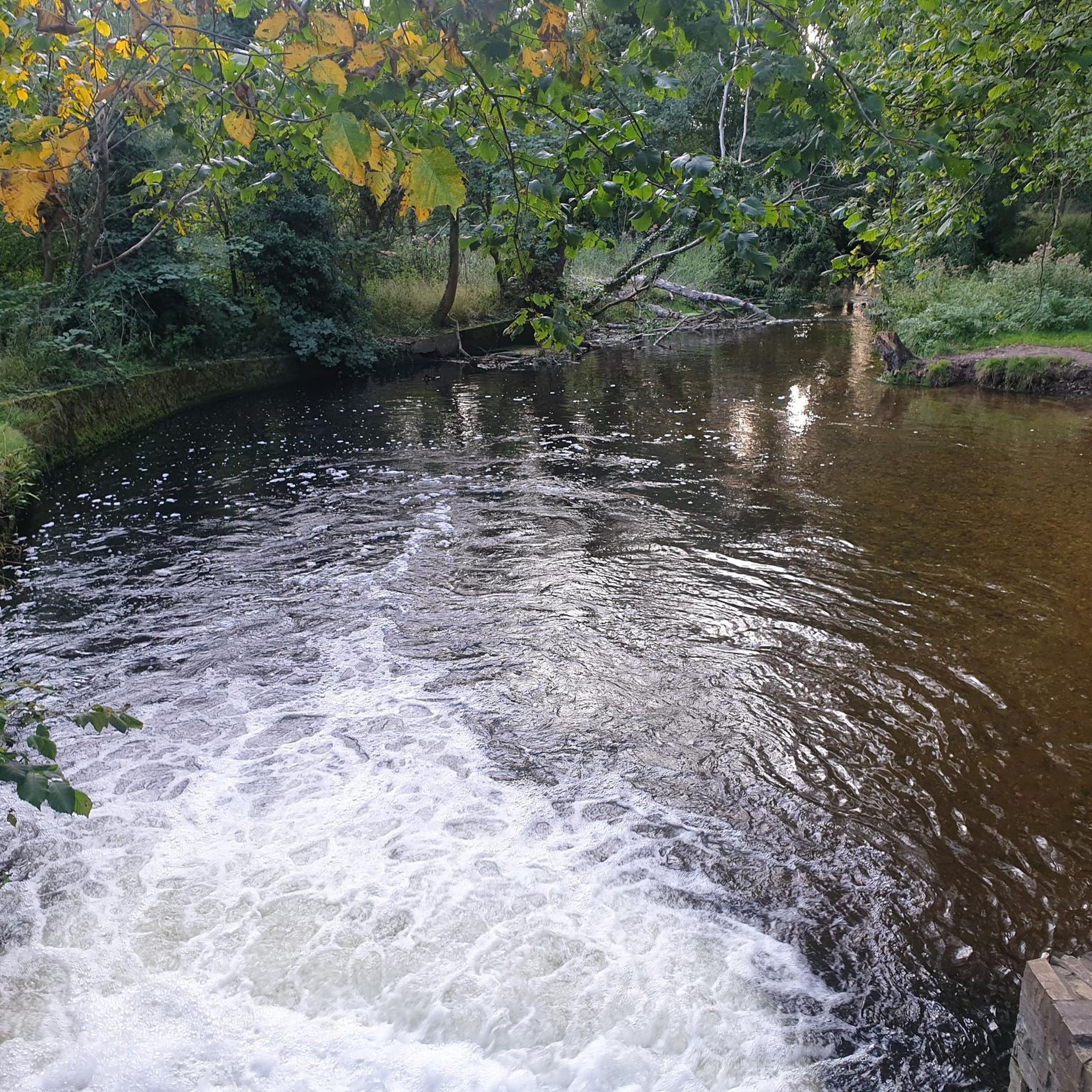
Pingo Pond on the Pingo Trail
Highlight • Natural
Tip by

Sign up now to discover places like this
Get recommendations on the best single tracks, peaks, & plenty of other exciting outdoor places.
Sign up for free
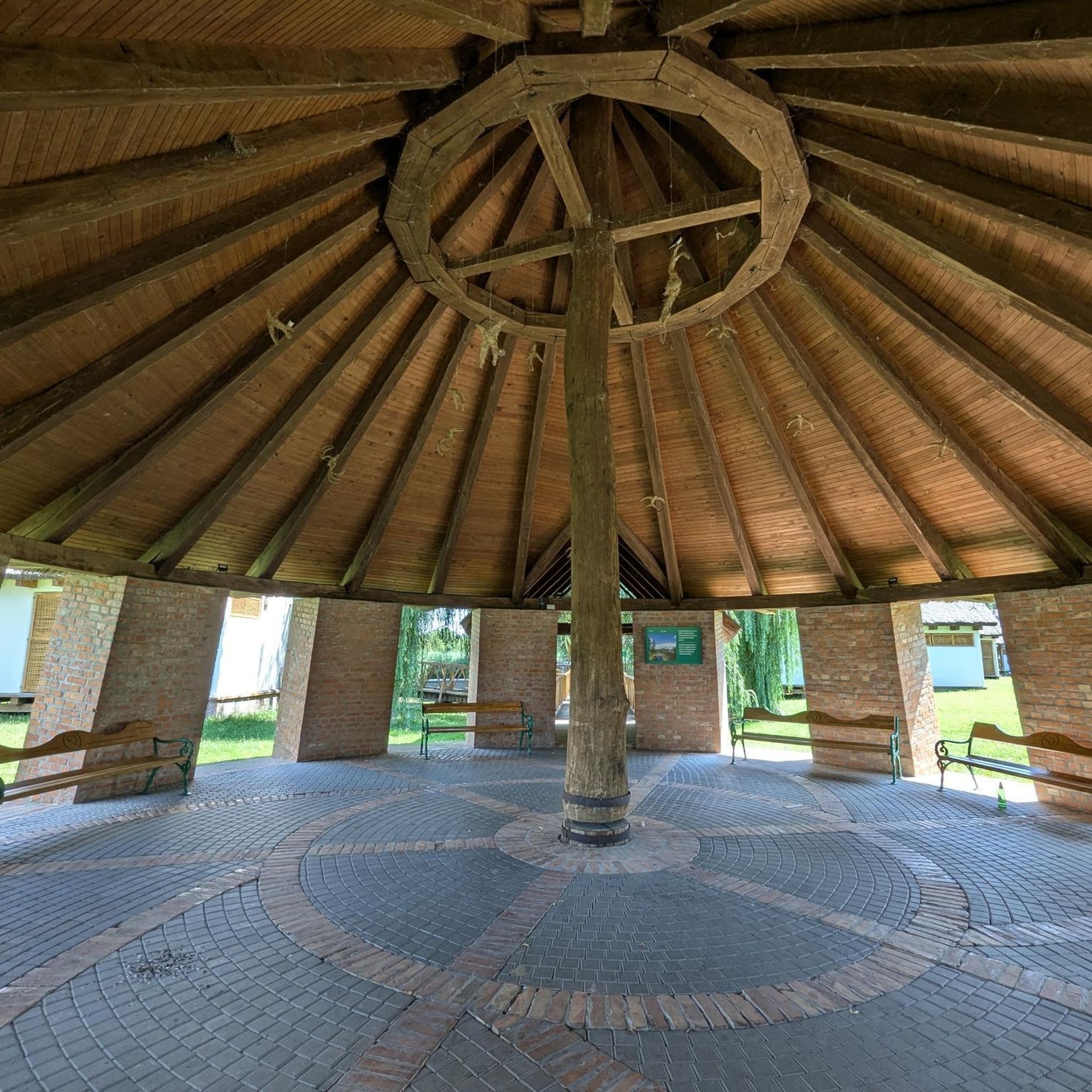
Wellingtonia (Giant Redwood) by the Pond, Brandon Country Park
Highlight • Natural Monument
Tip by

Thetford Castle Hill Motte
Highlight • Castle
Tip by

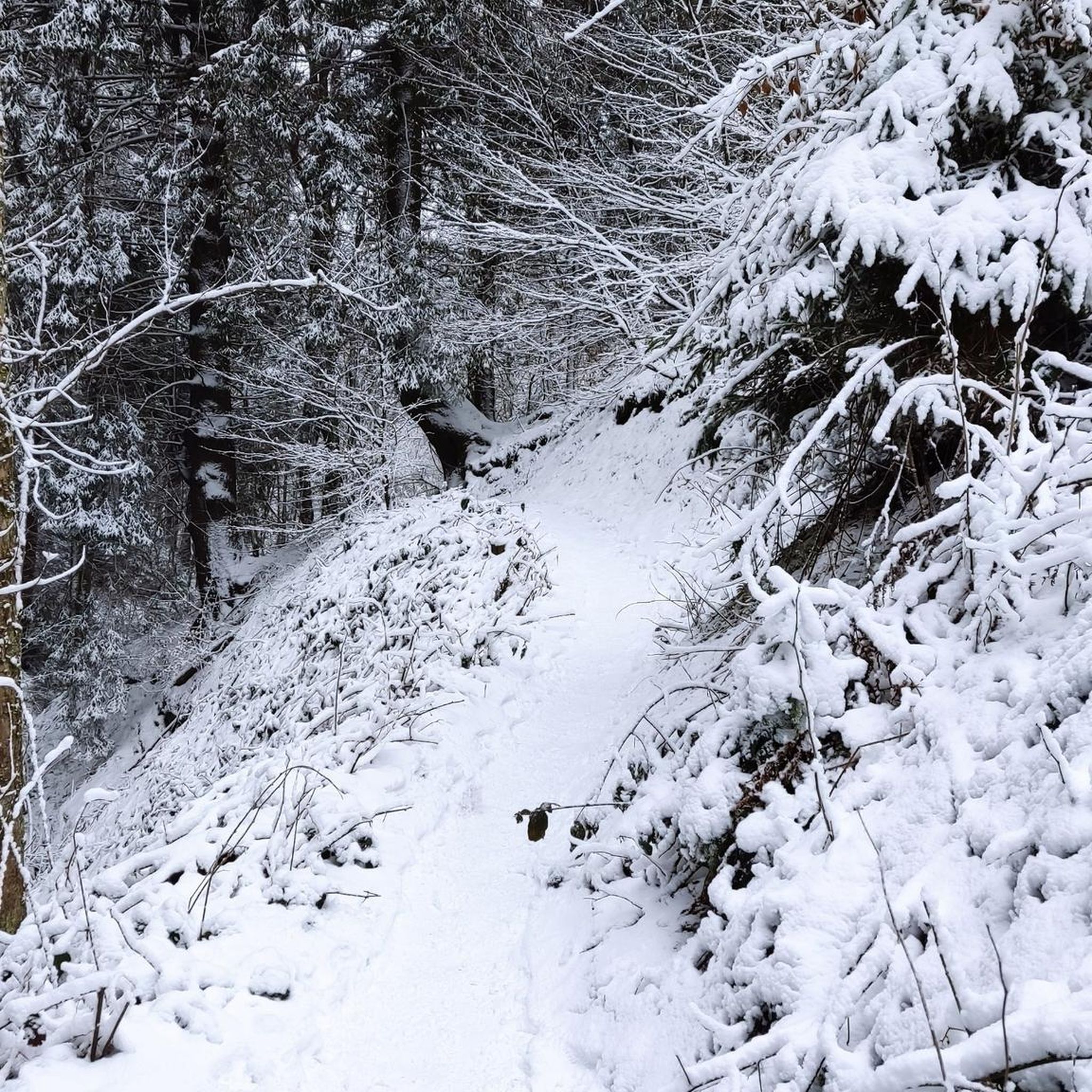
Medieval earthworks and the lost village of Santon
Highlight • Historical Site
Tip by

Start today with a free account
Your next adventure awaits.
Login or Signup
Tips from the Community

Take time to go off the trail to the bird hides and vantage points around the water. The route is best in spring before the nettles take over the path in summer!
0
0

The pub in Thomson (The Chequers) on Griston Road is worth a visit...old with lots of character.
0
0

The Sequoia or Giant Redwood would have been planted as one of the specimen trees of the Brandon Hall estate. Edward Bliss made his money selling gun flints during the Napoleonic wars and used it to buy and create Brandon Hall and the surrounding land. Many of the unusual trees planted in what is now Brandon Country Park and the wider Thetford Forest are a legacy of this.
1
1

Interesting piece of history
0
0

Interesting historical site and worth checking out
0
0
Medieval earthworks and information board
0
0
Medieval earthworks amd sign
0
0
Frequently Asked Questions
What are the most popular natural monuments around Stanford?
Among the most appreciated natural monuments in the Stanford area are Thompson Water, known for its unique post-glacial depressions called pingos and rich biodiversity, and Pingo Pond on the Pingo Trail, which offers an 8-mile hike to explore these fascinating ice age formations. Visitors also highly rate the impressive Wellingtonia (Giant Redwood) by the Pond, Brandon Country Park, a historical specimen tree.
Are there family-friendly natural monuments near Stanford?
Yes, several natural monuments around Stanford are suitable for families. Thompson Water and Pingo Pond on the Pingo Trail are both marked as family-friendly, offering opportunities to explore unique geological features and observe wildlife. The Wellingtonia (Giant Redwood) by the Pond, Brandon Country Park is also a great family spot, featuring an impressive tree within a park setting. Additionally, the Medieval earthworks and the lost village of Santon provide an interesting historical and natural outing for all ages.
What kind of unique natural features can I expect to see?
The Stanford area is particularly known for its unique geological formations. You can explore 'pingos' at Thompson Water and Pingo Pond on the Pingo Trail, which are post-glacial depressions formed by melting ice, a phenomenon more commonly found in places like Greenland and Alaska. The region also features significant arboreal specimens like the Wellingtonia (Giant Redwood) by the Pond, Brandon Country Park, and diverse ecosystems supporting various plant and animal species.
Where can I observe wildlife near Stanford's natural monuments?
For wildlife observation, Thompson Water is an excellent choice. It's a significant habitat for over 400 plant species and is particularly important for dragonflies, damselflies (with 19 breeding species recorded), butterflies (25 species), and beetles (over 600 species). The Jasper Ridge Biological Preserve, though not a listed monument, is also a refuge for native plants and animals, including federally protected species like the California red-legged frog and steelhead trout.
Are there historical sites combined with natural monuments in the area?
Yes, the Stanford area offers natural monuments with significant historical context. Thetford Castle Hill Motte is an 11th-century motte and bailey castle that provides a historical viewpoint over the town. The Medieval earthworks and the lost village of Santon also offer a glimpse into the region's past through ancient earthworks. The Wellingtonia (Giant Redwood) by the Pond, Brandon Country Park was planted as a specimen tree during the creation of the Brandon Hall estate, linking it to local historical figures.
What outdoor activities can I do near these natural monuments?
The Stanford area provides various outdoor activities. You can explore easy hikes on trails like those found in the Easy hikes around Stanford guide, including routes around Lynford Water and Lynford Arboretum. For cycling enthusiasts, there are numerous options for Road Cycling Routes around Stanford and Gravel biking around Stanford, with trails like the 39 Steps Trail and Howe's Run Pit MTB Trail.
Are there any easy hiking trails around Stanford's natural areas?
Yes, there are several easy hiking options. The Pingo Trail, which includes Pingo Pond on the Pingo Trail, is an 8-mile route around Thompson Common that is generally accessible. For more dedicated hiking, you can find numerous easy trails in the Easy hikes around Stanford guide, such as the Lynford Water & Lynford Arboretum loop or routes around Lynford Lakes.
Can I bring my dog to the natural monuments?
Yes, Thompson Water is listed as dog-friendly, making it a great spot to visit with your canine companion. Always ensure dogs are kept on a leash and follow any local regulations to protect wildlife and other visitors.
What is the best time to visit the natural monuments around Stanford?
The best time to visit depends on your interests. Springtime is ideal for enjoying abundant California poppies at places like Windy Hill Open Space Preserve. For observing dragonflies and damselflies, the warmer months at Thompson Water would be most rewarding. Generally, pleasant weather for hiking and exploring can be found during spring and autumn.
Are there any less crowded natural attractions near Stanford?
While the main natural monuments are popular, you might find quieter experiences at places like the Byrne Preserve Lookout, which features a large open area of scrub and hilly fields with access to walking trails. The Gerona Road area, known for its 'cool trees,' offers a pleasant, flat, and well-paved route for an easy ride amidst natural elements, often less frequented than major hiking spots.
What geological history is evident in the Stanford area?
The Stanford area has a rich geological history. The presence of 'pingos' at Thompson Water and Pingo Pond on the Pingo Trail points to ancient ice age formations. The region is also situated near the San Andreas Fault, a major geological feature, which underscores the significant forces that have shaped the landscape. Even the sandstone used in many of Stanford's oldest buildings has a deep history, formed from river sediments 30-40 million years ago.
What do visitors enjoy most about the natural monuments around Stanford?
Visitors particularly enjoy the unique geological formations like the pingos at Thompson Water and Pingo Pond on the Pingo Trail, finding them a fascinating and unique experience. The rich biodiversity, especially the abundance of dragonflies, damselflies, and various plant species, is also a highlight. Many appreciate the blend of natural beauty with historical elements, such as the ancient Thetford Castle Hill Motte, offering both scenic views and a glimpse into the past.
Most popular attractions around Stanford

Get inspired with the komoot mobile app


Explore more
Extend your search for the best caves by checking out these guides of the top ones around Stanford:
