Top 5 Natural Monuments around Peopleton
Best natural monuments around Peopleton include prominent natural landmarks and historic estates with significant natural features. Peopleton, located in Worcestershire, is situated near the Vale of Evesham and offers access to diverse landscapes. The area features geological curiosities, ancient woodlands, and expansive viewpoints. These natural settings provide opportunities for exploring the region's natural beauty and historical significance.
Best natural monuments around Peopleton
- The most popular natural monuments is Bredon Hill Summit, a viewpoint that offers fantastic views over the…
Last updated: October 15, 2026
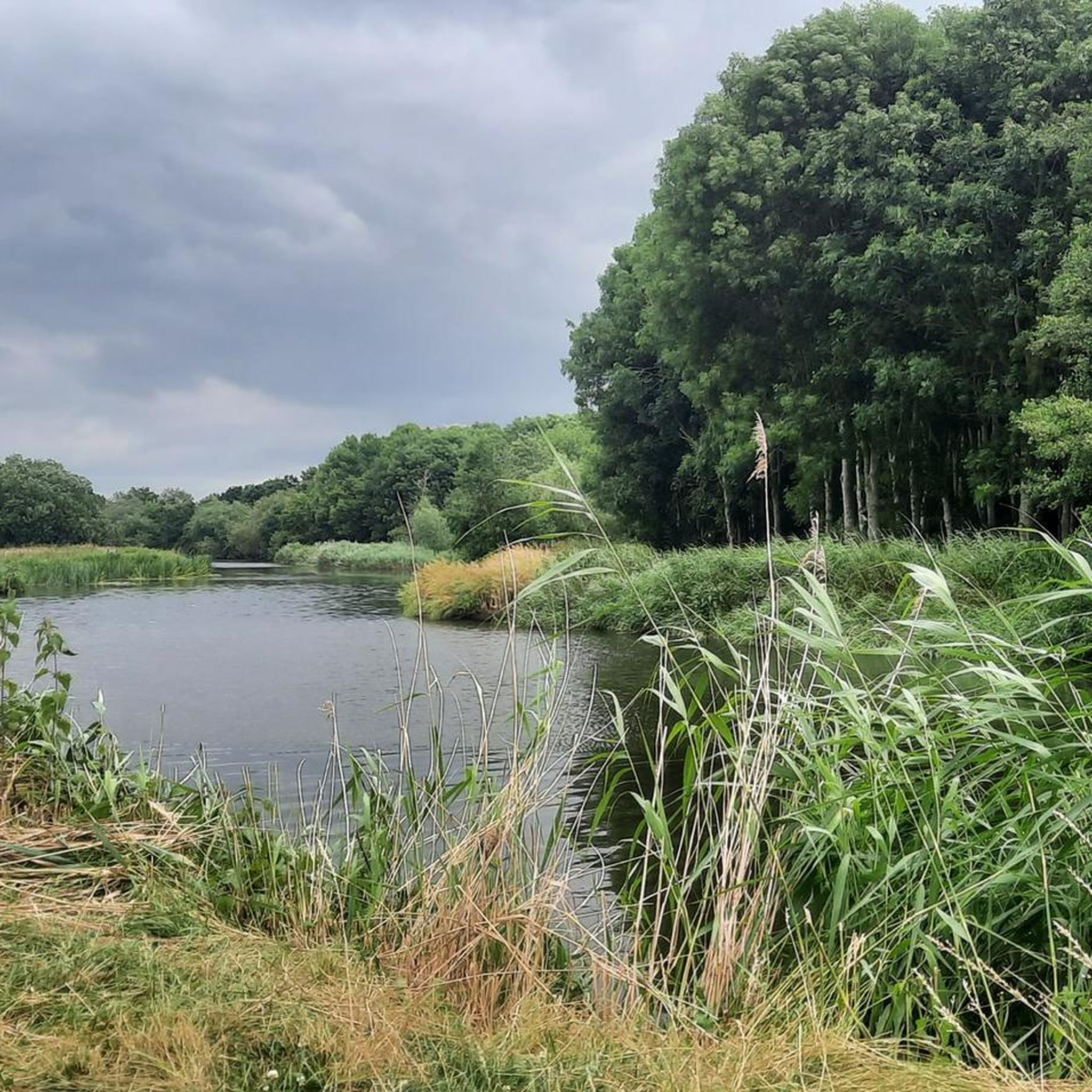
Grafton Wood Nature Reserve
Highlight (Segment) • Natural Monument
Jointly owned with Butterfly Conservation, Grafton has been at the heart of one of Worcestershire’s great conservation successes. The wood is the …
Tip by

Grafton Wood Nature Reserve – Brown Hairstreak Butterfly Colony
Highlight • Natural Monument
Tip by
Sign up now to discover places like this
Get recommendations on the best single tracks, peaks, & plenty of other exciting outdoor places.
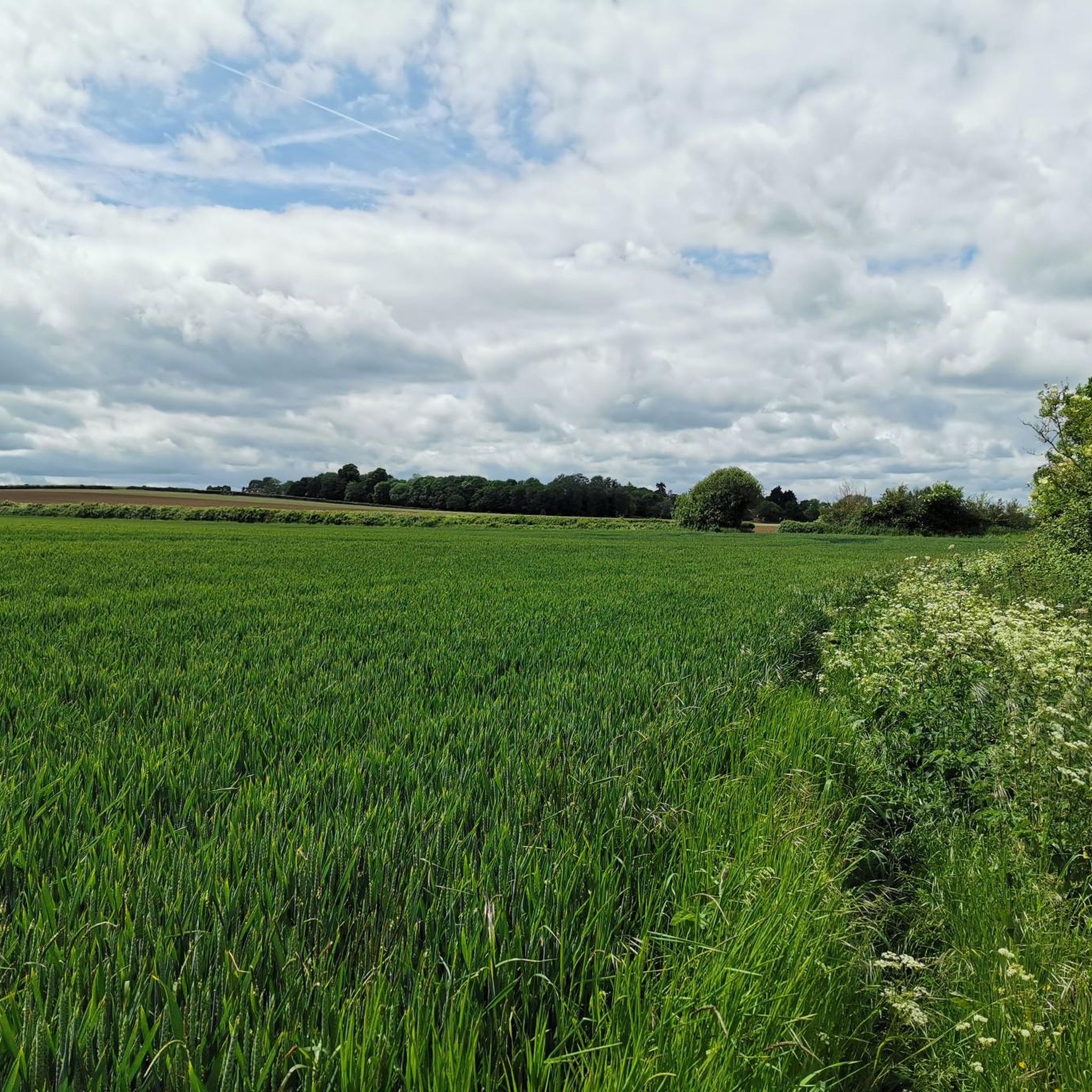
Elephant Stone (Banbury Stone)
Highlight • Natural
Tip by

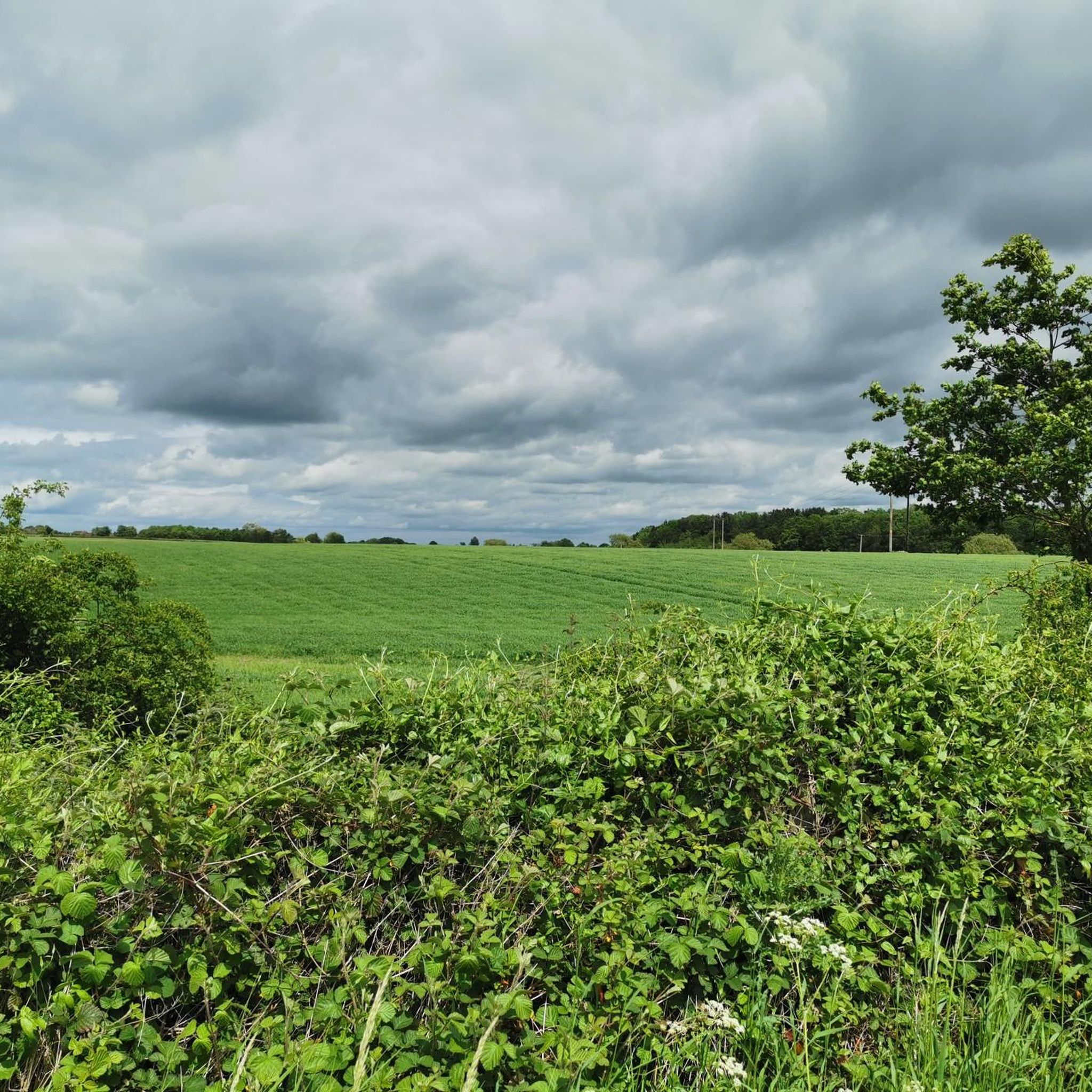
Bredon Hill Summit
Highlight • Viewpoint
Tip by

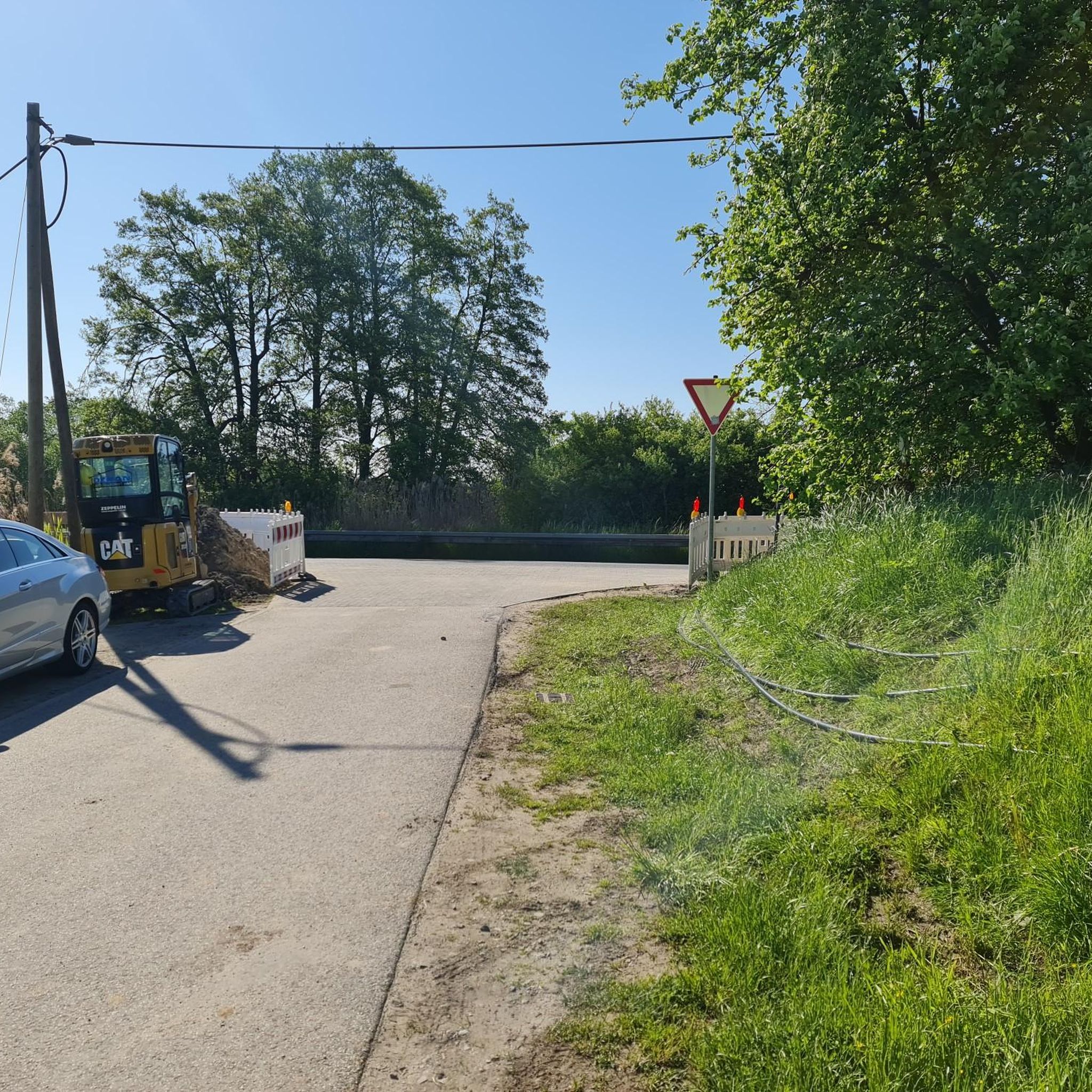
Cotswolds Area of Outstanding Natural Beauty Boundary Marker
Highlight • Natural Monument
Tip by

Sign up for free to discover even more natural monuments around Peopleton.
Already have an account?
Start today with a free account
Your next adventure awaits.
Tips from the Community

Go between July and September, if you want to see the butterflies.
0
0

The biggest Cotswold outlier, just short of a thousand feet high with magnificent views across the Avon and Severn valleys.
0
0
A quite impressive rock formation that really does look like an elephant lying down.
0
0

loads of spring butterflies
0
0

299m hill with fantastic views of Malvern Hills, Pershore, and Avon Valley. Also, this is the first Cotswolds hill from the Worcestershire side.
0
0
Gentle ascent in Little Comberton direction. The boundary marker is situated right along NCN 442, so it is easy to spot.
0
0

Also known as the Banbury Stone, there is conjecture about the exact origin of the Elephant Stone. Some believe it to be an ancient focus for the dark arts, others say it was a type of amber stone dedicated to the sun by druids. There's also a superstition that if you kiss the stone on Good Friday you will be cursed with bad luck.
0
1

Frequently Asked Questions
What are the most popular natural monuments around Peopleton?
Visitors frequently enjoy the panoramic views from Bredon Hill Summit, which offers extensive vistas over the Malverns and towards Wales. Another highly appreciated spot is the Elephant Stone (Banbury Stone), a distinctive rock formation on Bredon Hill that resembles a kneeling elephant. For nature enthusiasts, Grafton Wood Nature Reserve is a popular ancient woodland known for its wildlife.
What unique natural features can I explore near Peopleton?
Near Peopleton, you can discover several unique natural features. The Elephant Stone (Banbury Stone) on Bredon Hill is a remarkable geological formation resembling a recumbent elephant. Bredon Hill itself is a prominent landmark with ancient standing stones and offers expansive views. Additionally, the ancient woodlands like Grafton Wood Nature Reserve showcase diverse flora and ancient trees.
Are there family-friendly natural monuments around Peopleton?
Yes, several natural monuments are suitable for families. Grafton Wood Nature Reserve is an ancient woodland perfect for nature observation and gentle walks. While primarily a garden event, the Morton Hall Tulip Festival (seasonal) offers a vibrant display of flowers that can be enjoyed by all ages. The general area around Bredon Hill also provides opportunities for family walks with scenic views.
What kind of wildlife can be observed at Grafton Wood Nature Reserve?
Grafton Wood Nature Reserve is a significant wildlife site, particularly known for its butterflies, including the rare brown hairstreak, silver-washed fritillaries, and white admirals. Pearl-bordered fritillaries have also been reintroduced. The wood also supports various fungi, distinctive flora like herb-Paris and bird’s-nest orchid, and birds such as buzzards, goldcrests, and woodpeckers. Bechstein’s bats have also been discovered there.
Do any natural monuments around Peopleton have historical significance?
Yes, Bredon Hill is rich in history, serving as an Iron Age hillfort and a Roman encampment. It also features ancient standing stones, hinting at its long past. The 'Capability' Brown-designed landscape at Croome, while a managed estate, integrates natural features with historical architecture, offering a glimpse into 18th-century landscape design.
When is the best time to visit the natural monuments around Peopleton?
The best time to visit depends on your interests. Spring and summer are ideal for experiencing the wildflowers on Bredon Hill and observing butterflies at Grafton Wood Nature Reserve. The Morton Hall Tulip Festival is a spring event. For general hiking and panoramic views, the milder weather of spring, summer, and early autumn is recommended.
Are there hiking trails near these natural monuments?
Yes, there are numerous hiking opportunities. For example, you can find easy hikes around Peopleton, including routes like the 'Millennium Way: Walk 1 Section – St Kenelm's Church, Peopleton loop'. For more challenging options, trails around Bredon Hill offer moderate difficulty. You can explore various hiking routes in the area by checking the Easy hikes around Peopleton guide.
What other outdoor activities can I do near Peopleton's natural monuments?
Beyond hiking, the area around Peopleton offers diverse outdoor activities. You can find several mountain biking trails, such as the 'Bredon Hill loop' or 'Pershore Old Bridge – Bredon Hill Summit loop'. Cycling routes are also popular, with options like the 'Queen Elizabeth Inn – Kemerton Coffee House loop'. For more details, refer to the MTB Trails around Peopleton guide and the Cycling around Peopleton guide.
Are there any wheelchair-accessible natural monuments or features?
Yes, the Cotswolds Area of Outstanding Natural Beauty Boundary Marker is noted as wheelchair-accessible. It is situated along NCN 442, making it easy to spot and reach. While many natural monuments involve varied terrain, this specific highlight offers an accessible option.
What makes Bredon Hill a significant natural monument in the region?
Bredon Hill is significant due to its blend of natural beauty, geological interest, and historical importance. It features unique formations like the Elephant Stone, ancient standing stones, and panoramic views from its 299m summit. It's also a Site of Special Scientific Interest (SSSI) and a Special Area of Conservation (SAC), recognized for its diverse habitats and wildlife.
Can I find ancient woodlands near Peopleton?
Yes, Grafton Wood Nature Reserve is a prime example of ancient woodland near Peopleton, featuring coppice and large oaks. The region research also mentions ancient woodland within Spetchley Park Gardens and Croome, which are managed estates but retain significant natural elements.
What do visitors enjoy most about the natural monuments around Peopleton?
Visitors particularly enjoy the breathtaking panoramic views from spots like Bredon Hill Summit, which stretch across the Malverns and towards Wales. The unique geological formations, such as the Elephant Stone, also captivate many. The tranquility and rich biodiversity of ancient woodlands like Grafton Wood Nature Reserve are also highly appreciated for nature observation.
Most popular attractions around Peopleton

Get inspired with the komoot mobile app


Explore more
Extend your search for the best caves by checking out these guides of the top ones around Peopleton:
