Top 20 Natural Monuments around Upton-Upon-Severn
Best natural monuments around Upton-Upon-Severn include a variety of landscapes, from prominent hills to unique floodplains and nature reserves. The region features significant geological formations and areas of ecological importance. These sites offer diverse natural beauty and historical context, providing opportunities for outdoor exploration.
Best natural monuments around Upton-Upon-Severn
- The most popular natural monument is Worcestershire Beacon Summit and Toposcope, a natural monument that is the highest point in the county at 425 meters. It provides panoramic views and…
Last updated: June 29, 2026
Worcestershire Beacon Summit and Toposcope
Highlight • Natural Monument
Tip by

Herefordshire Beacon (British Camp)
Highlight • Summit
Tip by

Sign up now to discover places like this
Get recommendations on the best single tracks, peaks, & plenty of other exciting outdoor places.
Sign up for free
Midsummer Hill Iron Age Hillfort
Highlight • Historical Site
Tip by
Summer Hill
Highlight • Lake
Tip by

North Hill Summit
Highlight • Natural Monument
Tip by

Sign up for free to discover even more natural monuments around Upton-Upon-Severn.
Sign up for free
Already have an account?
Start today with a free account
Your next adventure awaits.
Login or Signup

Tips from the Community

One of the finest hills in the Malverns with it's Iron Age Hillfort (yes another one on the Malverns!), and superb views west across Eastnor Park. It used to be heavily wooded on the Eastern Side, but Ash Die-back disease has caused a huge number of large mature Ash trees to be felled in recent times. This is still a hill to be savoured and you will not see too many people here either.
0
0
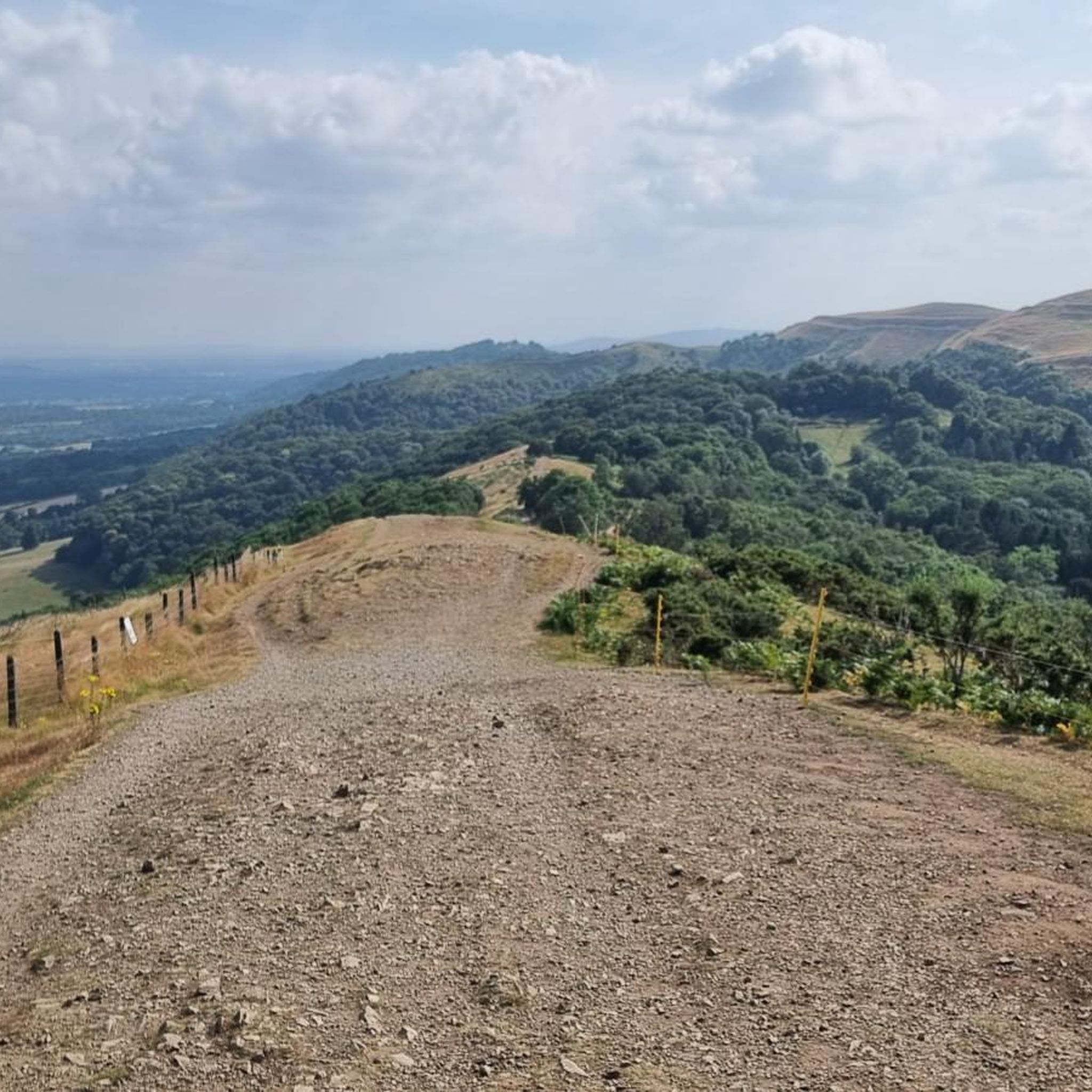
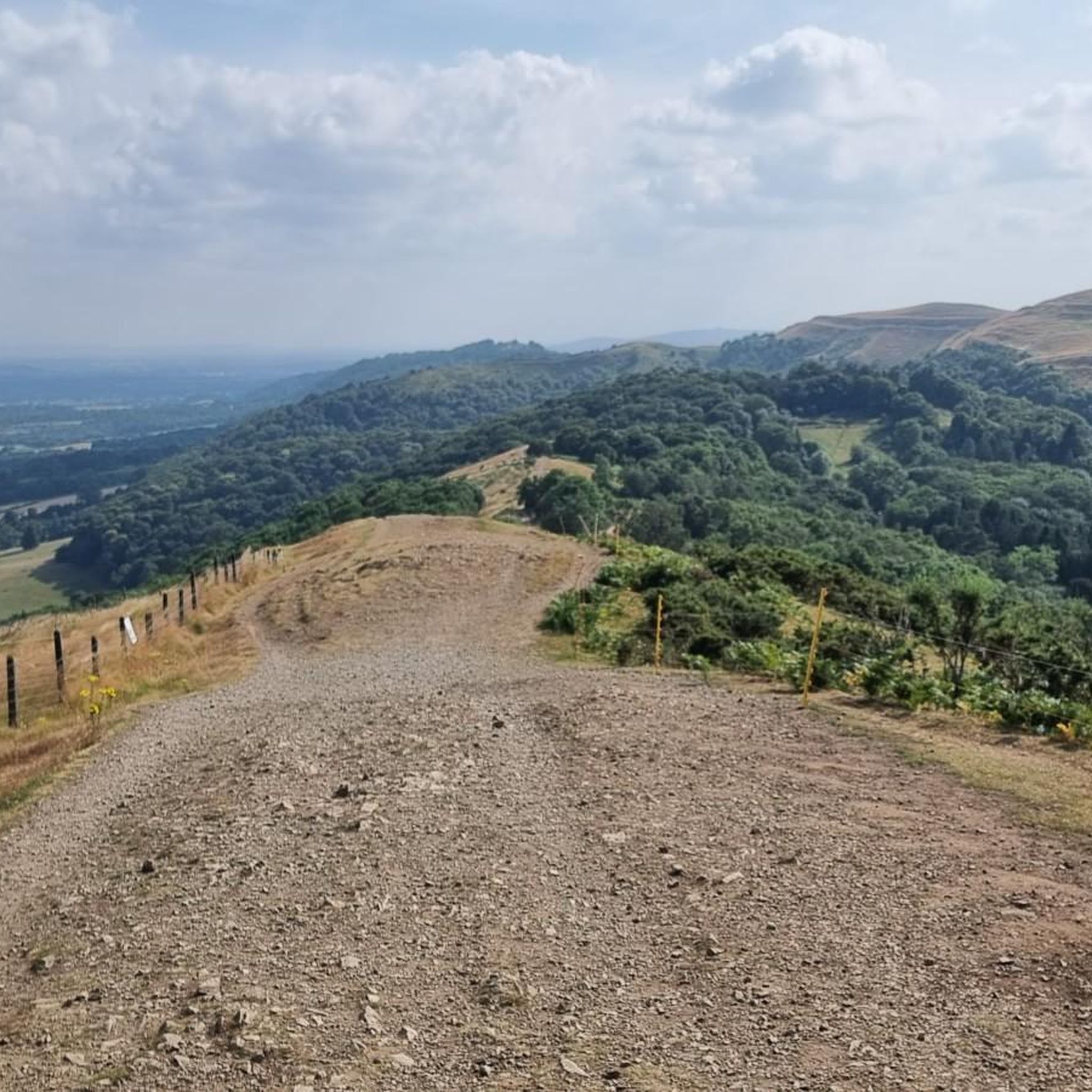
North Hill is a very good viewpoint - but this image was taken on the way up to Table Hill, which is next to North HIll.
0
0
Summer Hill is a bit of a bump in between the Beacon and the Wyche Cutting, however it's steep southern aspect does afford some of the best views along the Malvern Hills ridge, particularly when there is an Inversion happening.
0
0

Midsummer Hill rises in the southern part of the Malvern Hills and is a very worthy objective. Site of a former hillfort, along with neighbouring Hollybush Hill, it provides extensive views, with the impressive Eastnor Castle visible in the Herefordshire countryside. A hike to the top could be combined with Herefordshire Beacon to the north, or a longer outing traversing the entire Malvern ridge.
0
0

North Hill is the second highest point of the range of Malvern Hills that runs about 13 kilometres (8.1 mi) north-south along the Herefordshire-Worcestershire border, although North Hill lies entirely within Worcestershire. It has an elevation of 397 metres (1,302 ft), making it the highest point of the Worcestershire Way. The eastern flank of the hill lies directly behind Worcester road in Great Malvern from where its summit is a brisk 15 – 20 minutes steep walk from the town centre via St Ann's road and Happy Valley. A path from the car park in North Malvern follows the lower contour of North Hill to Happy Valley and St. Ann's Well. Although the flint route from North Wales to Wessex lay to the north of Malvern, there is some evidence to suggest that traders passed over the Malvern Hills. Parts of an arrowhead, scraper and flint flakes have been discovered between the North Hill and Table Hill. A 19th-century guide book describes both a collapsed burial mound on North Hill named the Giant's Grave and a tump on Table Hill. These tumuli may have been connected to the Dobunni settlement in Mathon. A track that runs along North Hill was known as the "Pyx Path" and was used by the priest from Worcestershire when bringing Sacrament to the hermits that lived in Malvern in the 11th Century. It was also referred to as the "Pixie Path", as it was believed to be used by fairies. The Lodge spring can be found at the foot of North Hill, off Worcester road. The ornamental fountain has a small spout and basin that is similar in design to those at St Ann's Well.
1
0
The hill lies to the south of the Worcestershire Beacon, which is Worcestershire's (and the Malvern Hills') highest hill, and Summer Hill's summit, though often overlooked given the grandeur of its neighbour, is a most respectable 1,253 feet above sea level. Source: Wikishire
0
0
The Herefordshire Beacon is one of the highest peaks of the Malvern Hills. It is surrounded by a British Iron Age hill fort earthwork known as British Camp. The fort subsequently had a ringwork and bailey castle built inside its boundary and there is evidence of 120 huts in the area. British Camp has been a scheduled monument since 1923. On the eastern slope of Herefordshire Beacon, there is a disused reservoir, British Camp Reservoir, which holds approximately 213,000 cubic metres (7,500,000 cu ft) of water. Herefordshire Beacon represents one of the Malvern Hills, 1,109 feet (338 m) high, and is the second highest summit in the hills. It is within the county of Herefordshire, but is directly adjacent to the border with Worcestershire to the east. Atop Herefordshire Beacon, there is an Iron Age hill fort, known as British Camp, and would have held a settlement between 4th century BCE and 1st century CE. A ringwork and bailey castle was built within the site of the hill fort, and there is evidence of 120 huts having been built within the boundaries of the fort. The hill fort received scheduled monument status on 10 August 1923. Nearby to British Camp, on the eastern slope of Herefordshire Beacon, there is a reservoir called British Camp Reservoir. It has a capacity of 213,000 cubic metres (7,500,000 cu ft), although it has not been used for many years. In 2017, Severn Trent proposed to dismantle the treatment plant associated with the reservoir and drain it, leaving an 8,000 cubic metres (280,000 cu ft) pond. source: Wikipedia
0
0
Midsummer Hill is situated in the range of Malvern Hills that runs approximately 13 kilometres (8 mi) north-south along the Herefordshire-Worcestershire border. It lies to the south of Herefordshire Beacon with views to Eastnor Castle. It has an elevation of 284 metres (932 ft). To the north is Swinyard Hill. It is the site of an Iron Age hill fort which spans Midsummer Hill and Hollybush Hill. The hillfort is protected as a Scheduled Ancient Monument and is owned by Natural England. It can be accessed via a footpath which leads south from the car park at British Camp on the A449 or a footpath which heads north from the car park in Hollybush on the A438. The hillfort is very unusual in that the ramparts enclose two hills and the intervening valley. Bowden speculates that the spring within the valley "enhance[s] the position of the hillfort as a site of symbolic value". Source: Wikipedia
0
1
Frequently Asked Questions
What natural features can I explore around Upton-Upon-Severn?
The region offers a variety of natural features, from the prominent Malvern Hills with their expansive views to unique floodplains and diverse nature reserves. You can explore the highest point in the county at Worcestershire Beacon Summit and Toposcope, or discover the ecological richness of Upton Ham, a 60-hectare flood plain and Site of Special Scientific Interest.
Are there any historical natural monuments in the area?
Yes, several natural monuments in the area are rich in history. The Malvern Hills are home to ancient Iron Age hillforts such as Herefordshire Beacon (British Camp) and Midsummer Hill Iron Age Hillfort. Bredon Hill, another isolated hill, also features an Iron Age hillfort and Roman encampment history, along with 18th-century structures like Parsons Folly.
What are some good natural monuments for hiking with great views?
For hiking with grand panoramic views, the Malvern Hills are an excellent choice. Worcestershire Beacon Summit and Toposcope, the highest point, offers views extending to the Black Mountains and Shropshire Hills. North Hill Summit, the second highest, also provides glorious vistas across the region.
Where can I observe diverse wildlife and plant life?
For wildlife and plant observation, Upton Ham is a significant area for biodiversity, supporting breeding waders and a rich variety of plants like Great Burnet and Meadow Saffron. Brotheridge Green Nature Reserve, a former railway track, is ideal for nature enthusiasts, especially between April and June, to see over 30 species of butterflies and rare green-winged orchids. The Knapp and Papermill Nature Reserve also offers abundant wildlife and diverse habitats.
Are there family-friendly natural monuments around Upton-Upon-Severn?
Many natural monuments offer family-friendly experiences. St Wulstan's Nature Reserve provides flat circular paths, benches, and views of the Malvern Hills, making it suitable for gentle strolls and wildlife spotting, including slowworms and grass snakes. Upton Ham is also great for walking and picnicking, though visitors should keep dogs on leads to protect ground-nesting birds.
What is the best time of year to visit these natural monuments?
The best time to visit often depends on what you wish to see. For observing diverse plant life and butterflies, particularly green-winged orchids, visiting between April and June is recommended for places like Brotheridge Green Nature Reserve and Melrose Farm Meadow. For general hiking and enjoying expansive views, clear days in spring, summer, or autumn are ideal in the Malvern Hills.
Are there natural monuments suitable for a gentle stroll or accessible walks?
Yes, St Wulstan's Nature Reserve is particularly suitable for gentle strolls, featuring flat circular paths and benches. Upton Ham also offers pleasant, relatively flat walking opportunities along the River Severn. While the Malvern Hills involve steeper climbs, many paths offer varying difficulties, and lower-level routes can provide easier access to natural beauty.
Can I bring my dog to the natural monuments?
Many natural monuments are dog-friendly, but it's important to be mindful of wildlife. For instance, at Upton Ham, visitors are reminded to keep dogs on leads to protect ground-nesting birds. Always check local signage and regulations at specific reserves to ensure responsible dog walking.
What outdoor activities can I do near these natural monuments?
Beyond exploring the natural monuments themselves, the area offers various outdoor activities. You can find numerous hiking routes, including easy hikes like the Upton Bridge loop from Upton-upon-Severn, as detailed in the Easy hikes around Upton-Upon-Severn guide. Cycling is also popular, with options like the Upton-upon-Severn Town Centre – Dunstall Castle loop, which you can find in the Cycling around Upton-Upon-Severn guide.
Are there specific trails for cycling near the natural monuments?
Yes, the region offers several cycling routes. For touring bicycles, you can explore routes such as the Upton-upon-Severn Town Centre – Dunstall Castle loop. Road cyclists can also find suitable trails, including the Upton-upon-Severn Town Centre – Dunstall Castle loop. More details on these routes are available in the Cycling around Upton-Upon-Severn and Road Cycling Routes around Upton-Upon-Severn guides.
What makes Upton Ham a unique natural monument?
Upton Ham is unique as a 60-hectare flood plain and one of the oldest Lammas meadows in the country, designated as a Site of Special Scientific Interest (SSSI). Its regular flooding from the River Severn creates fertile soil, supporting a rich variety of plants like Meadow Saffron and Common Meadow-rue, and making it a vital habitat for breeding waders and butterflies.
Are there any nature reserves developed from unique historical sites?
Yes, St Wulstan's Nature Reserve is a unique example, having developed from the remains of a former World War II hospital. This history has contributed to a mix of exotic and native species, alongside large areas of wildflower meadow and woodlands, offering a distinctive natural environment.
What kind of geological features can I find in the Malvern Hills?
The Malvern Hills are known for their ancient geological formations, primarily composed of some of the oldest rocks in England. These hills offer dramatic ridges and steep slopes, providing excellent examples of geological uplift and erosion. The abandoned quarry on the eastern flank of Summer Hill, now Earnslaw Quarry Lake, also showcases interesting rock formations.
Most popular routes around Upton-Upon-Severn
Most popular attractions around Upton-Upon-Severn

Get inspired with the komoot mobile app


Explore more
Extend your search for the best caves by checking out these guides of the top ones around Upton-Upon-Severn:
