Top 20 Natural Monuments around Ilston
Best natural monuments around Ilston include diverse geological formations and dramatic coastal scenery within the Gower Peninsula. The area features notable cwm valleys, caves, and significant coastal landmarks. These locations offer opportunities for exploring unique natural features and panoramic views. Visitors can experience a blend of geological intrigue and scenic beauty.
Best natural monuments around Ilston
- The most popular natural monuments is View of Three Cliffs Bay from Cefn Bryn, a viewpoint that offers sweeping panoramic views of the…
Last updated: May 1, 2026
Worms Head
Highlight • Natural Monument
Tip by

Worm's Head National Coastwatch Station
Highlight • Viewpoint
Tip by

Sign up now to discover places like this
Get recommendations on the best single tracks, peaks, & plenty of other exciting outdoor places.
Sign up for free
Llanmadoc Hill Summit & Orientation Table
Highlight • Viewpoint
Tip by
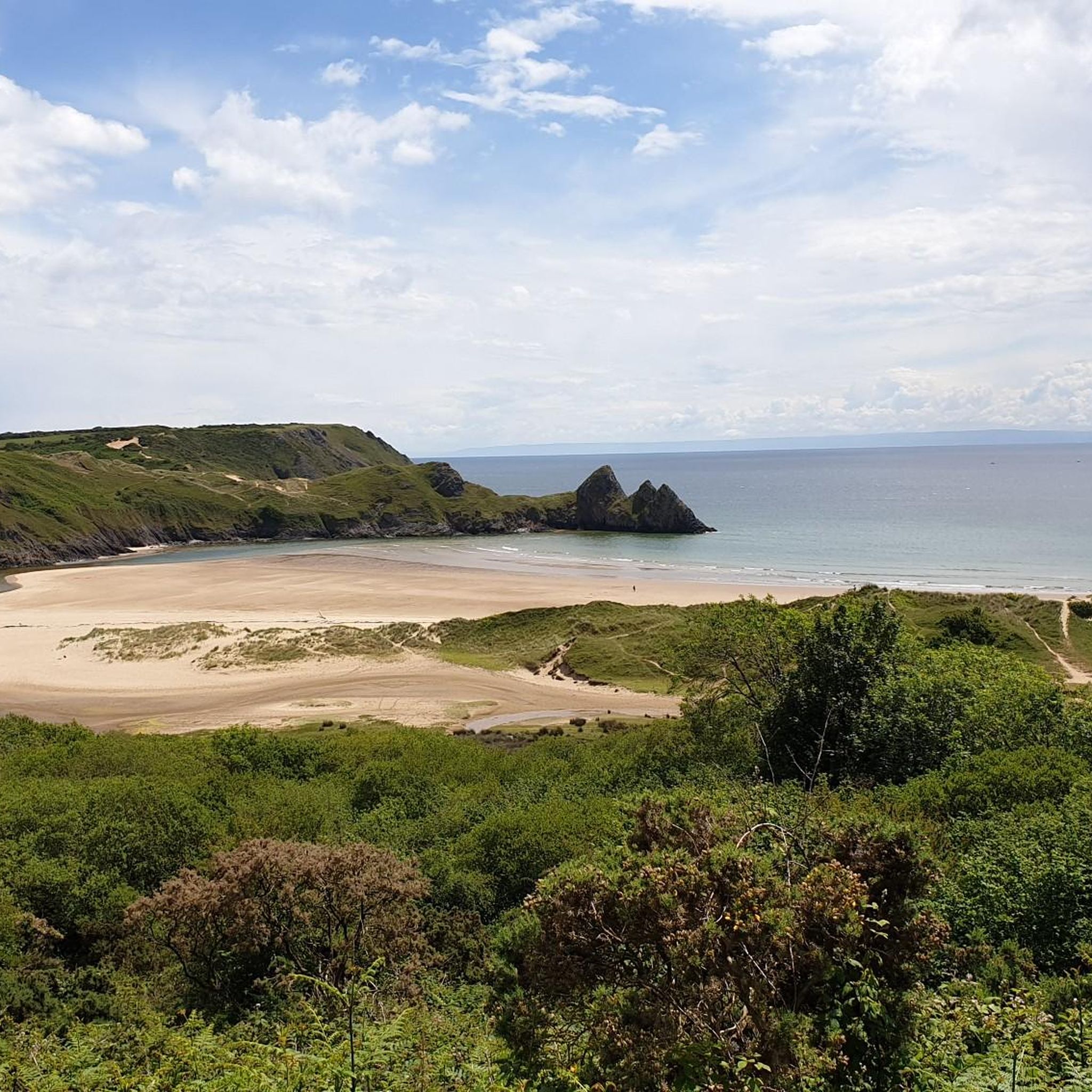
View of Three Cliffs Bay from Cefn Bryn
Highlight • Viewpoint
Tip by
Rhossili Down Summit
Highlight • Summit
Tip by
Sign up for free to discover even more natural monuments around Ilston.
Sign up for free
Already have an account?
Start today with a free account
Your next adventure awaits.
Login or Signup

Tips from the Community

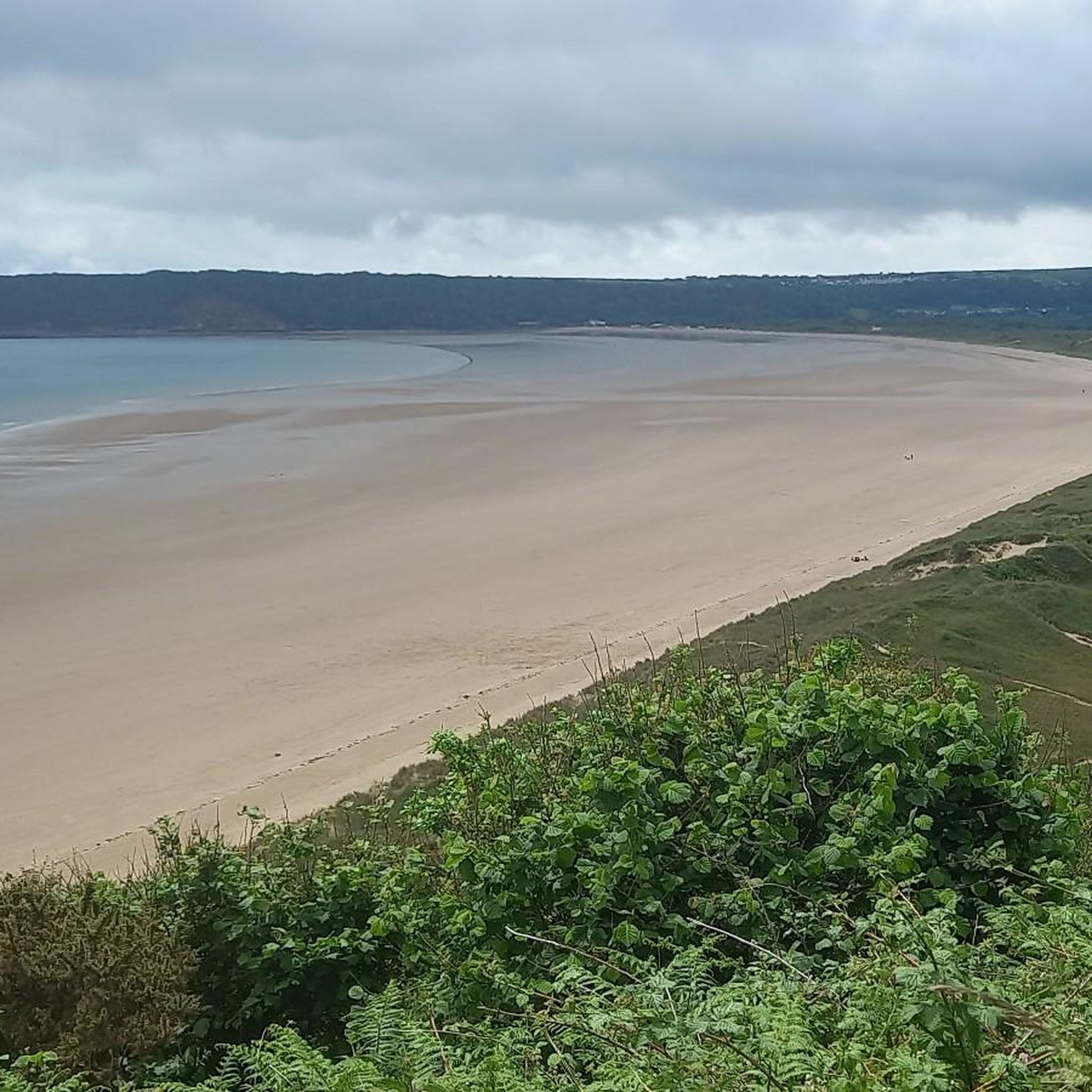
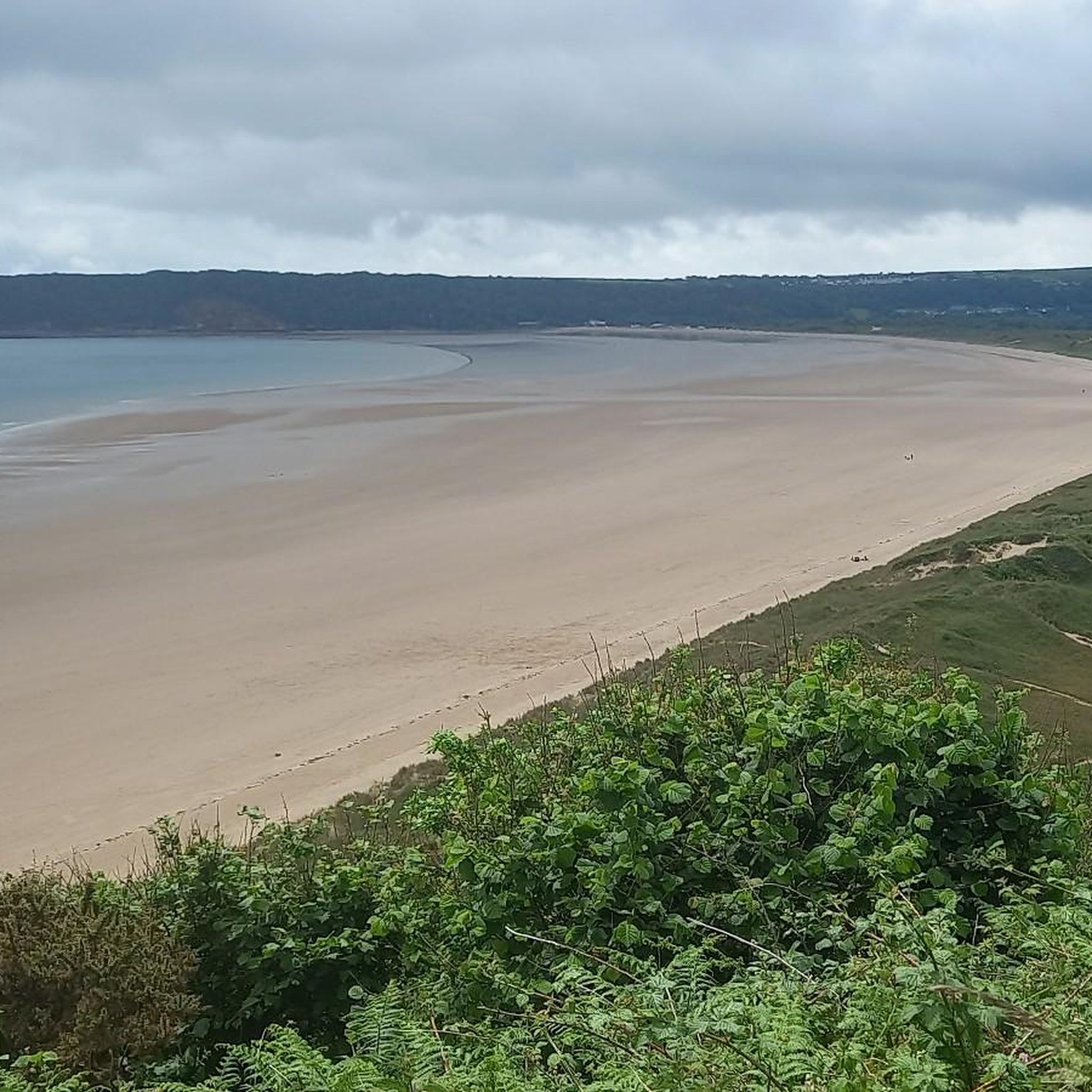
Rhossili Down is a long ridge on the western tip of the Gower Penninsula. It stretches from Worms Head to Burry Holmes Island. It is a marvellous bit of high ground but only goes up to a height of 193-metres. Despite its diminuitive size, the views from its trig pointed summit are magnificent. The views down, over Worms Head, are simply world-class.
0
0
Llanmadoc Hill has fine views across towards Rhossili Down and nearby Harding's Down. With a trig point, a cairn, and an orientation table, it has a nice broad summit, which has few access paths to the the top. At 186 metres high, it is also a UK-designated P100 hill with 105 metres of prominence.
1
0
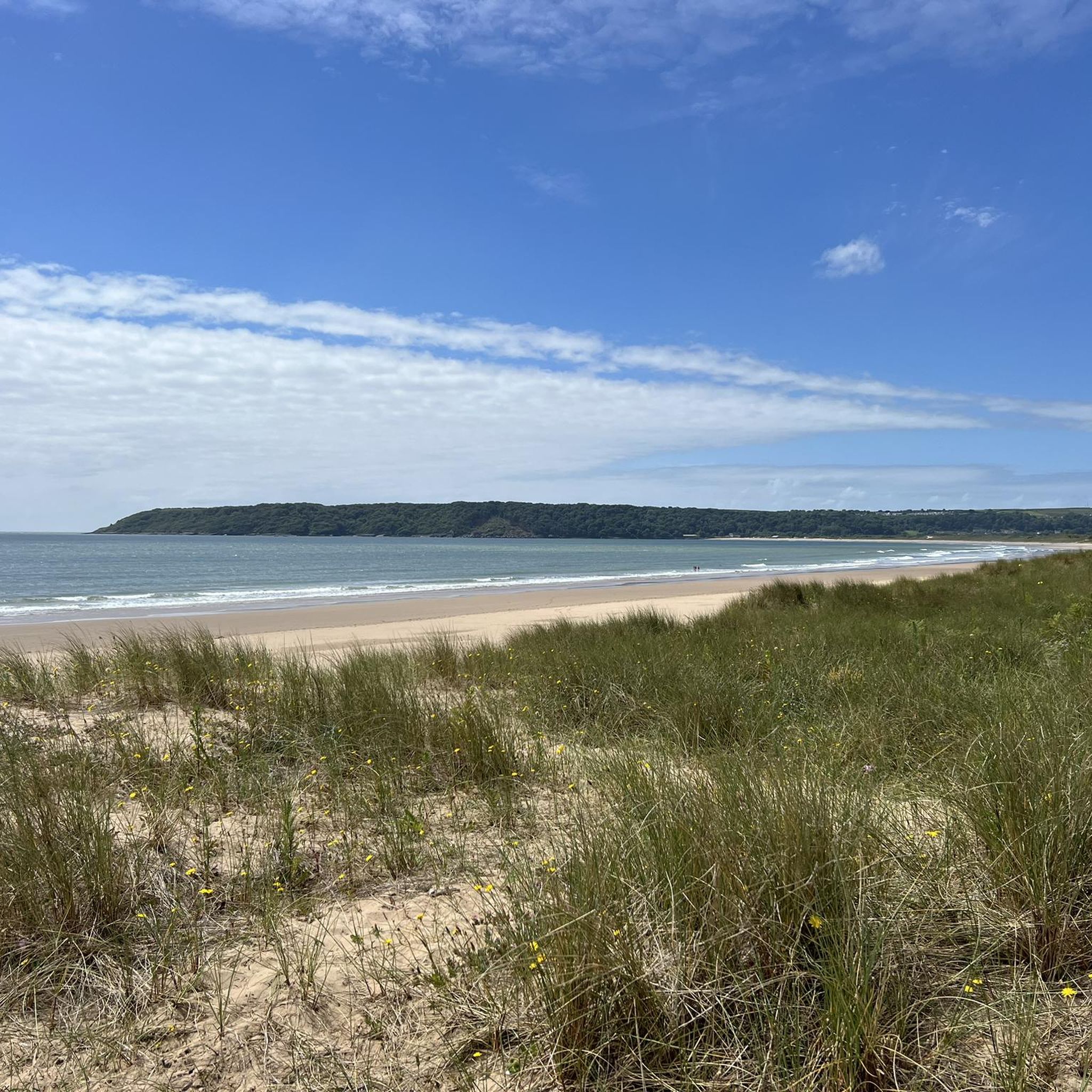
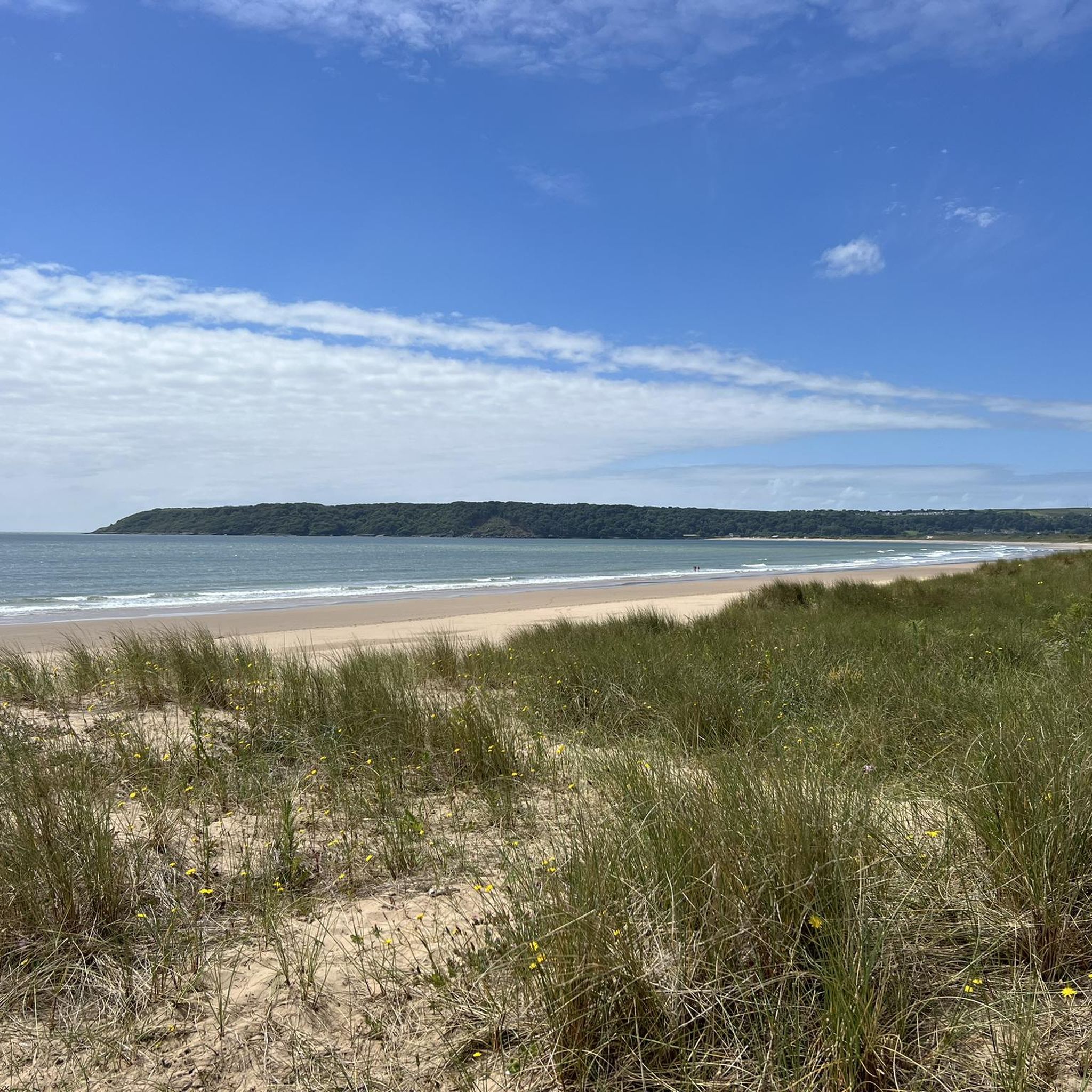
Cefn Bryn at 188 metres is a UK designated ‘Hump,’ which is a hill with a 100 metres of prominence. The top is marked by a trig point with marvellous views down over Three Cliffs Bay.
1
0

The tide times for the day are posted here. Be sure to pay attention
0
0
Are you intending to do the magical coastal hike which takes you out onto the tip of the sleeping serpent that is Worms Head? If so it is essential to come here to the NCI hut for tidal & any other relevant information. Now it is important to outline that if you do intend to do this walk it is only accessible within a tidal window of 2.5 hours either side of low tide. It also involves crossing over some slippery, unstable and rocky terrain. Tackle this hike only if you are happy on such terrain and you are within the appropriate tidal schedule. I would also respectfully suggest that you do not do this hike/scramble solo. Ex-Welsh rugby international Chris Knight has an excellent video and additional information on his webpage on how to hike Worms Head: Video here: https://ohwhataknight.co.uk/blog/worms-head-hike-guide Tide information here: https://www.tidetime.org/europe/united-kingdom/swansea.htm
1
0
One of the most famous places in Wales. The viewpoint where you can look out at a tidal rocky causeway connected piece of land that is straight out of the film 'The land that time forgot.' Simply a stunning vista on any day of the week.
0
0
The summit of Llanmadoc Hill is only 186m high but it makes for a really good run out from Llanmadoc. The views are pretty special on a sky blue day. The summit is marked by an Ordnance Survey Trig Point.
0
0

View to Three Cliffs Bay, long descent to the west, shorter & steeper east.
0
1
Frequently Asked Questions
What unique geological features can I explore in Ilston Cwm?
Ilston Cwm is rich in geological features. You can explore the prominent Ilston Cwm Cave, which has a visible entrance. Further up the cwm, you'll find a series of fossil caves known as Courthouse Caves. The area is also characterized by various hydrological features, including sinks and risings like the Killy Willy Rising and the Ilston Cwm Upper Rising, which are active depending on groundwater levels. Trinity Well, a major resurgence that never dries up, also holds historical significance.
What are the main natural attractions at Three Cliffs Bay?
Three Cliffs Bay is renowned for its dramatic coastal scenery. It features golden sands, impressive limestone cliffs, and a winding river estuary. At low tide, the expansive beach is framed by three jagged cliffs, and a tidal river meanders across the sand. The area is considered one of the most photographed beaches in Wales due to its wild and untouched feel, offering stunning views and interesting walks.
Are there any historical natural monuments in the Ilston area?
Yes, several natural monuments in the Ilston area have historical significance. Trinity Well in Ilston Cwm is notable as the site where the first Baptist Church in Wales was founded. Additionally, the Courthouse Caves in the upper section of Ilston Cwm are fossil caves, hinting at ancient geological processes. While not a natural monument itself, the ruins of Pennard Castle, overlooking Three Cliffs Bay, add a historical layer to the dramatic natural landscape.
What are some of the best viewpoints for panoramic scenery around Ilston?
For sweeping panoramic views of the Gower coastline, visit View of Three Cliffs Bay from Cefn Bryn. Another excellent spot is Rhossili Down Summit, which offers magnificent views, particularly over Worms Head. Llanmadoc Hill Summit & Orientation Table also provides wide panoramas over the western end of the peninsula, including the Loughor estuary, Rhossili Bay, and Carmarthen Bay.
Are there family-friendly natural monuments to visit near Ilston?
Many of the natural monuments around Ilston are suitable for families, especially those who enjoy walking and exploring. Three Cliffs Bay offers expansive sandy beaches at low tide, perfect for children to play. Ilston Cwm, with its woodland paths and visible cave entrance, can be an engaging adventure. Always check tide times for coastal areas like Worms Head to ensure safe access for all family members.
Can I bring my dog to the natural monuments around Ilston?
Many natural areas and trails around Ilston are dog-friendly. For instance, the paths through Ilston Cwm and the coastal walks around Three Cliffs Bay and Rhossili Down are popular with dog walkers. However, it's always best to keep dogs on a lead, especially in areas with livestock or sensitive wildlife, and to check for any specific local restrictions or signage.
What outdoor activities and trails are available near Ilston's natural monuments?
The area around Ilston offers a variety of outdoor activities. You can find numerous trails for mountain biking, road cycling, and touring cycling. For example, there are MTB Trails around Ilston, including a moderate Gower Peninsula loop. Road cyclists can explore routes like the Road Cycling Routes around Ilston, such as the Swansea Marina – Caswell Bay Beach loop. For general cycling, options like the Clyne Valley Cycle Path – Swansea Bay loop are available in the Cycling around Ilston guide. Hiking is also popular, with many paths leading to viewpoints and coastal features.
When is the best time to visit the natural monuments in Ilston, especially considering tidal access?
The best time to visit depends on your interests. For exploring Ilston Cwm's hydrological features like sinks and risings, visiting after heavy rainfall can be rewarding as water flows throughout the cwm. For coastal natural monuments like Worms Head, it is crucial to check tide times. Access to Worms Head is only possible for 2.5 hours either side of low tide. Generally, spring and autumn offer pleasant weather for walking, while summer is ideal for beach activities at Three Cliffs Bay.
What should I wear when visiting the natural monuments around Ilston?
Given the varied terrain, it's advisable to wear sturdy, comfortable footwear, especially if you plan to explore areas like Ilston Cwm, which can be muddy, or the rocky causeway to Worms Head. Layered clothing is recommended to adapt to changing weather conditions, and waterproofs are always a good idea in Wales. For coastal walks, sun protection is also important.
Is there parking available at the natural monuments around Ilston?
Parking is generally available near popular natural monuments and trailheads. For instance, there is National Trust parking near Rhossili Down, which provides access to areas like Rhossili Down Summit and Worms Head. For Ilston Cwm, parking might be more limited, often requiring roadside parking in the hamlet of Ilston. It's always recommended to check local signage for parking restrictions and fees.
What makes <a href="https://www.komoot.com/highlight/289259" target="_blank" rel="noopener">Worms Head</a> a unique natural monument to visit?
Worms Head is unique due to its tidal access, allowing visitors to walk across a causeway to the peninsula's most westerly point at low tide. This creates a distinctive experience, surrounded by sea views and dramatic coastal scenery. It's essential to check tide times at the Worm's Head National Coastwatch Station before venturing out, as the causeway is only accessible for a limited time around low tide.
What kind of wildlife might I encounter near Ilston's natural monuments?
The diverse landscapes around Ilston, from woodlands to coastlines, support various wildlife. In Ilston Cwm, you might spot woodland birds and small mammals. Along the coast at Three Cliffs Bay and Worms Head, seabirds are common, and if you're lucky, you might spot seals in the waters. The Gower Peninsula is also known for its rich biodiversity, so keep an eye out for various plant species and insects.
Most popular attractions around Ilston

Get inspired with the komoot mobile app


Explore more
Extend your search for the best caves by checking out these guides of the top ones around Ilston:
