Top 15 Natural Monuments around Wilmslow
Best natural monuments around Wilmslow offer diverse natural spaces and compelling reasons for a visit. The area features significant ecological sites, including rare heathland, expansive green spaces, and tranquil riverside walks along the River Bollin. These locations provide opportunities for experiencing varied habitats, wildlife observation, and exploring historical natural features. Wilmslow's natural heritage is accessible through a network of trails and parks.
Best natural monuments around Wilmslow
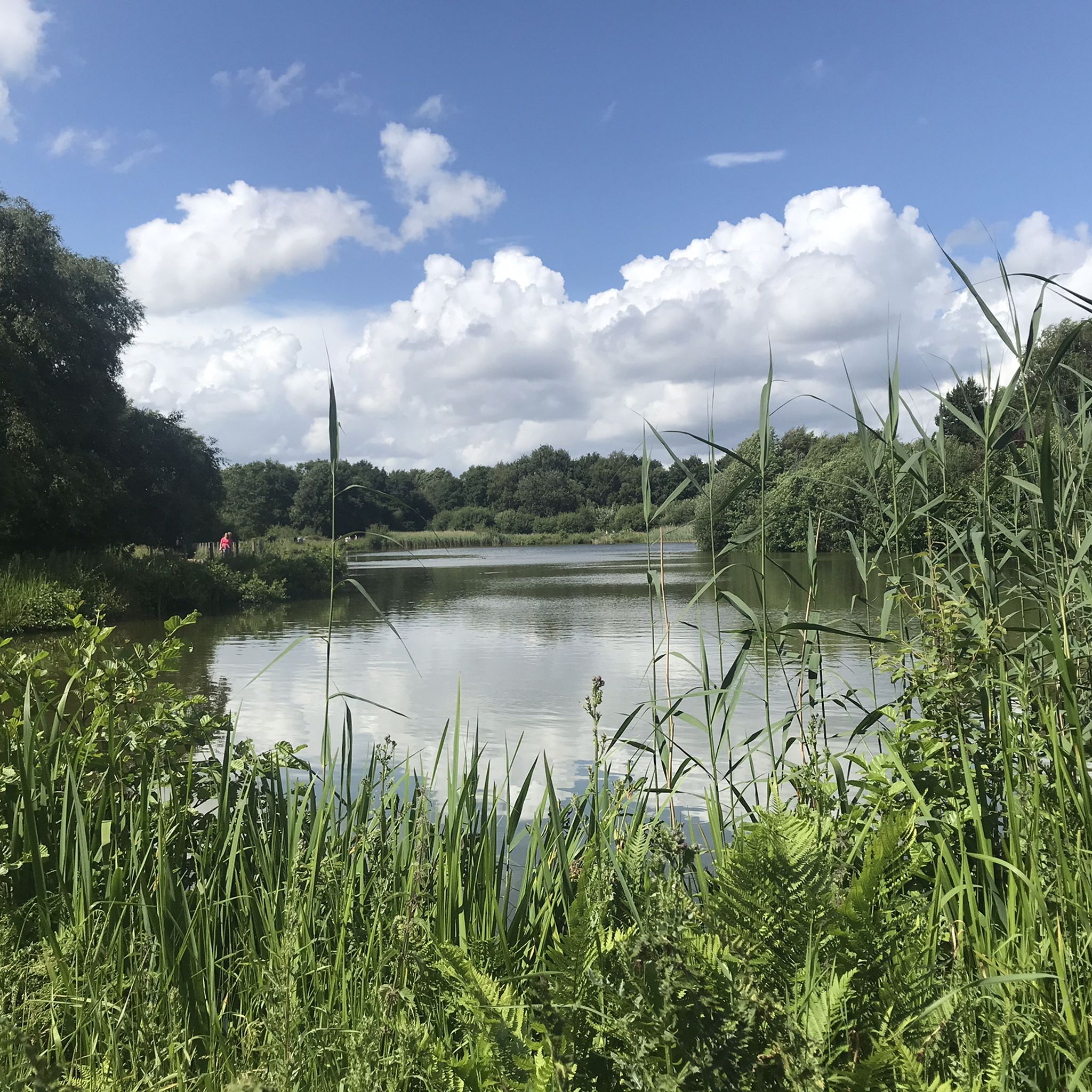
- The most popular natural monuments is Tatton Mere, a lake and Site…
Last updated: October 15, 2026
Tatton Mere
Highlight • Natural
Tip by

St Chad's Well
Highlight • Natural Monument
Tip by

Sign up now to discover places like this
Get recommendations on the best single tracks, peaks, & plenty of other exciting outdoor places.
Allan Monkhouse Memorial
Highlight • Natural Monument
Tip by
Pareni Tree (Giant Sequoia) at Quarry Bank Mill
Highlight • Natural
The tree is a native of California and a whopping 350ft …
Tip by

Ingersley Vale Waterfall (Waulkmill Waterfall)
Highlight • Waterfall
Tip by

Sign up for free to discover even more natural monuments around Wilmslow.
Already have an account?
Start today with a free account
Your next adventure awaits.

Tips from the Community

Ancient well, dating back beyond medieval times, close to the historic Chadkirk Chapel. In the spring and summer it is dressed with natural decorations, in a very ancient rite celebrating water
0
0

Added to the collection: komoot.com/de-de/collection/3600632/-naturdenkmaeler-besondere-baeume-und-weitere-schaetze-der-natur
0
0


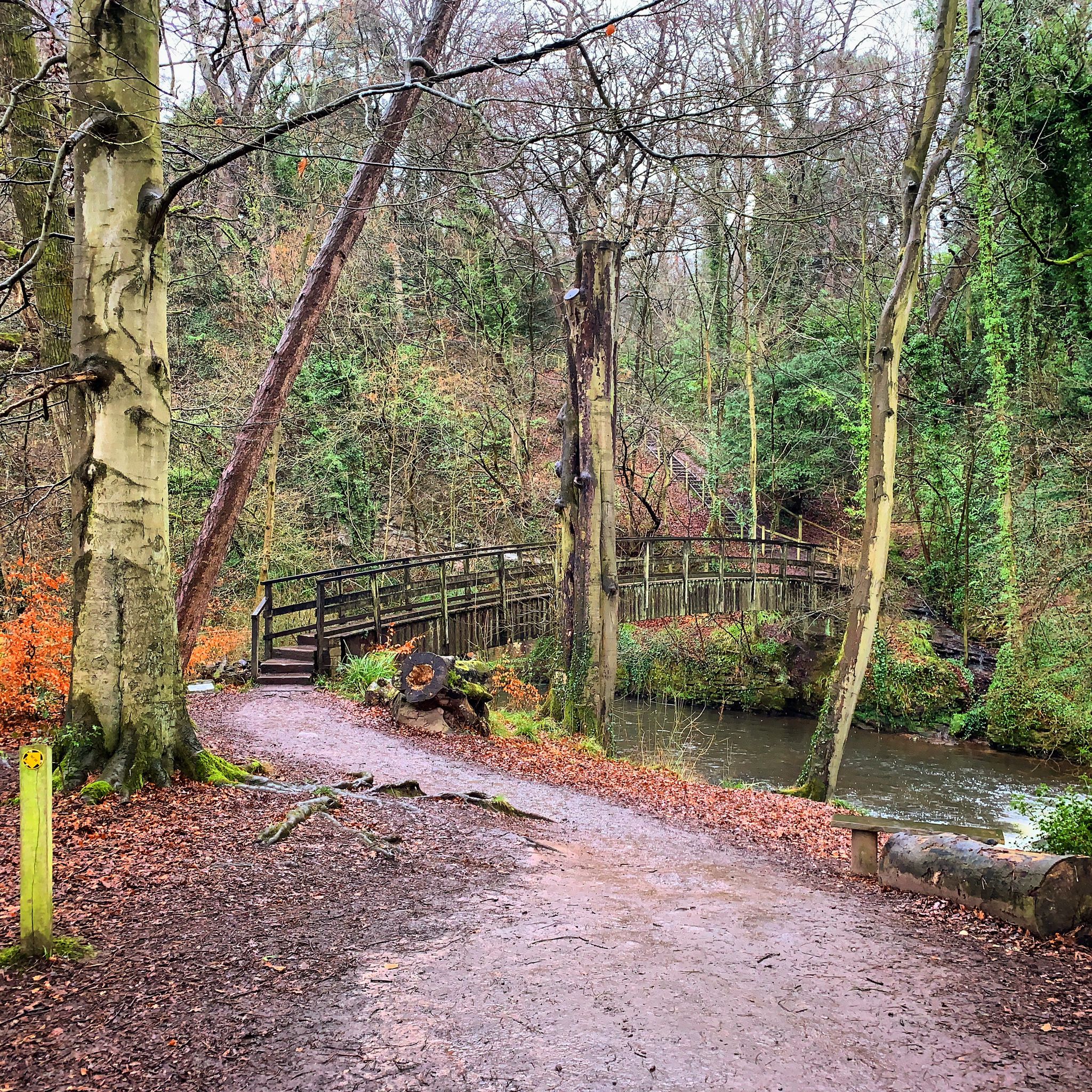
This is a small but impressive waterfall on the River Dean. It is in a beautiful setting at the lower end of Clough Pool. It has a certain amount of man-made influence, as the top of it appears to be built on to a natural waterfall to create the mill pond above it. It was used by Ingersley Clough Mill back in the nineteenth century. This is simply a delightful scenic spot.
2
0

Very tall tree, worth a visit when in the area.
2
0

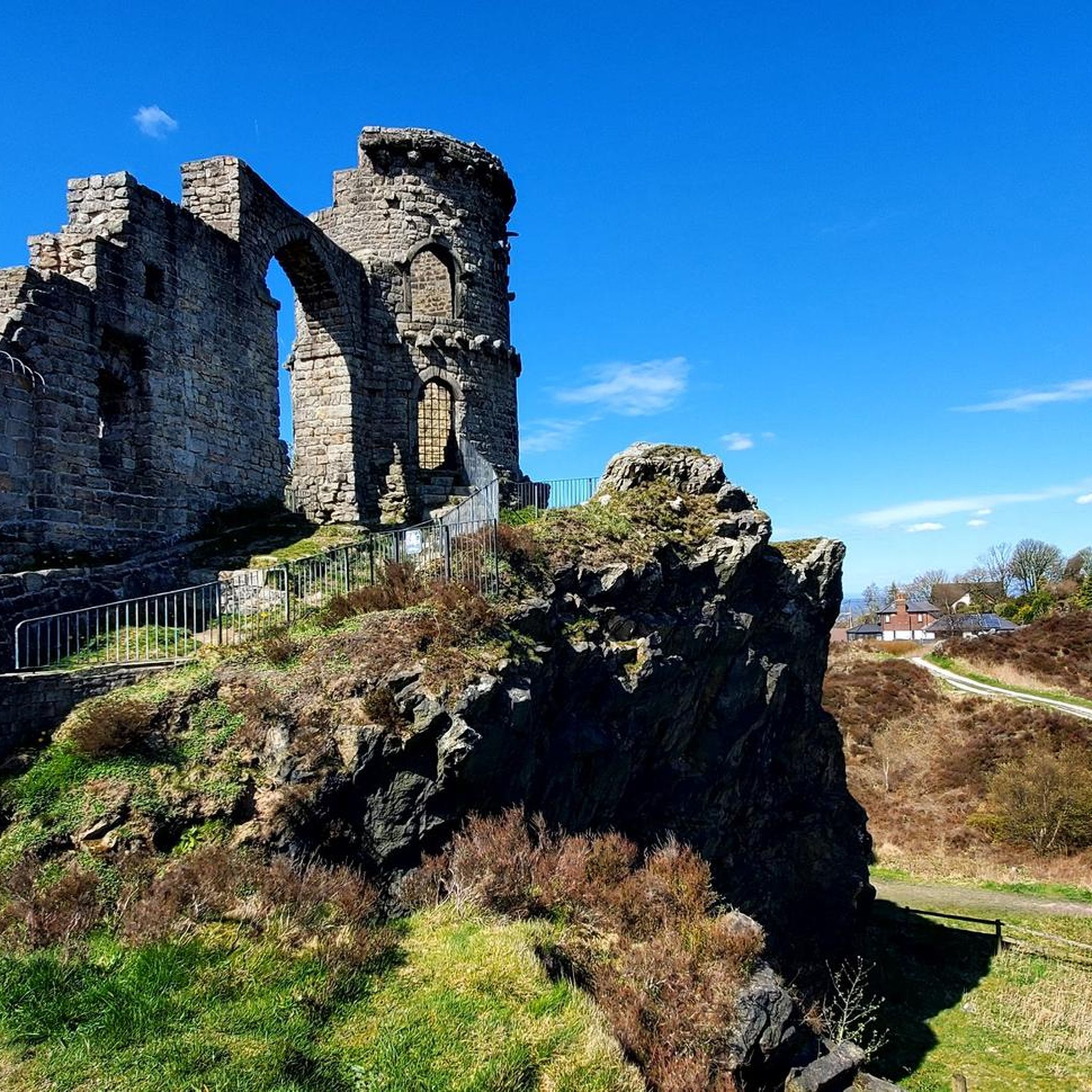
From the Allan Monkhouse Memorial on Higher Moor, you are treated to marvellous views of the Cheshire Plain, Lyme and beyond. In fact, seven counties can be seen on a good day. Allan was a playwright and novelist who lived in Disley, Cheshire.
0
1


Frequently Asked Questions
What unique natural features can I explore around Wilmslow?
Wilmslow offers a variety of unique natural features. You can visit Tatton Mere, a nationally important habitat known for waterbirds and wildflowers. Explore Lindow Common, a Site of Special Scientific Interest featuring rare heathland, woodlands, and the mysterious Black Lake. Additionally, discover the impressive Pareni Tree (Giant Sequoia) at Quarry Bank Mill, a towering forest natural monument.
Are there any historical natural monuments in the Wilmslow area?
Yes, the area is rich in historical natural monuments. You can visit St Chad's Well, a picturesque holy well near a chapel, traditionally associated with miraculous cures and ancient British head cults. Another significant site is The Bowstones, ancient Anglo-Saxon crosses thought to mark the edge of ancient territories, featuring carvings from the 10th century or earlier. Lindow Common also holds historical intrigue with the discovery of Lindow Man, an Iron Age bog body.
Where can I find good viewpoints of the surrounding landscape?
For stunning panoramic views, head to the Allan Monkhouse Memorial on Higher Moor. From here, you can enjoy marvellous vistas of the Cheshire Plain, Lyme, and beyond, with up to seven counties visible on a clear day.
Are there family-friendly natural monuments around Wilmslow?
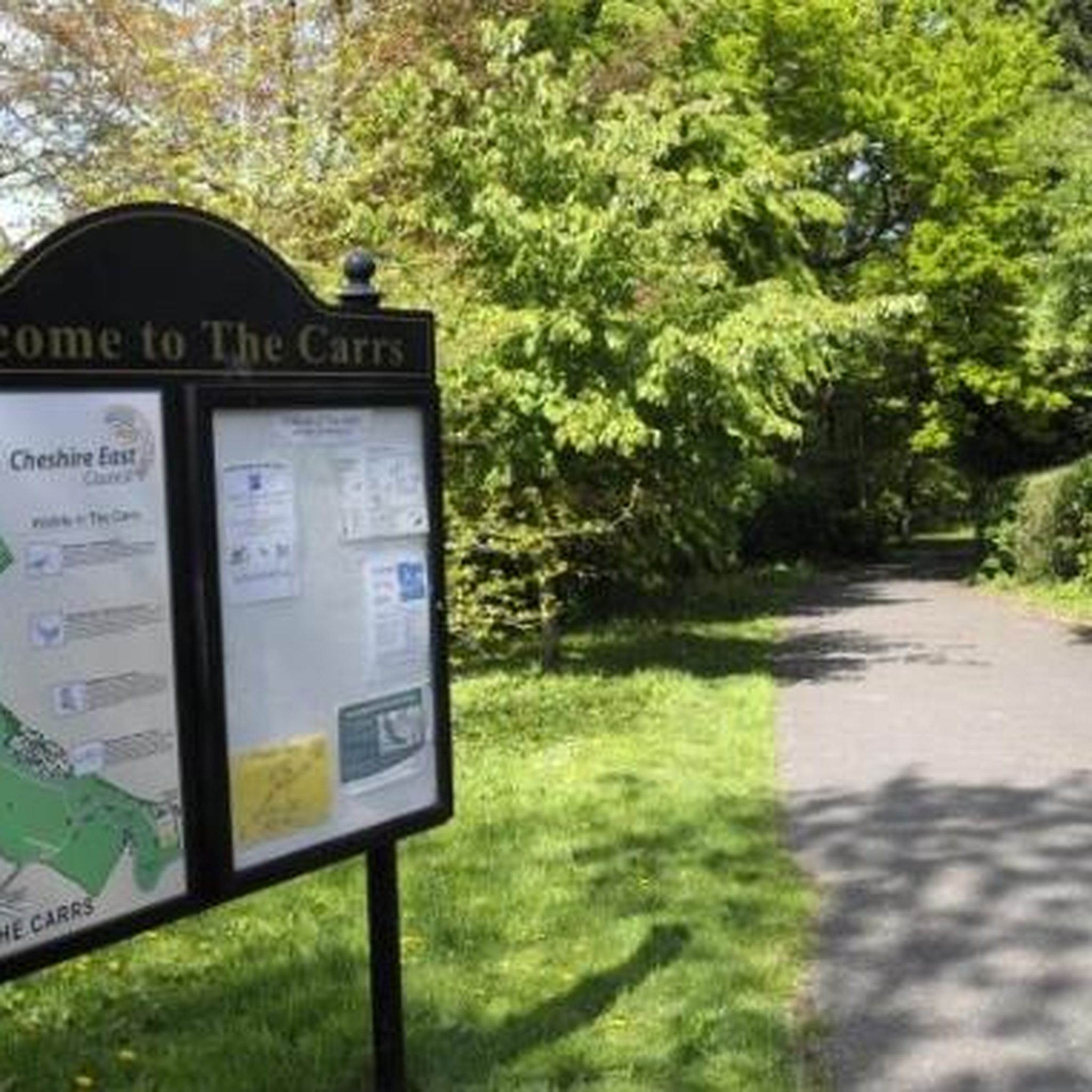
Absolutely! Many natural monuments in the area are suitable for families. Tatton Mere and the Pareni Tree at Quarry Bank Mill are both family-friendly highlights. The Carrs Park offers expansive green spaces, woodlands, and picnic areas perfect for children to play. Styal Country Park also provides a tranquil setting with various trails for all ages.
What outdoor activities can I do near these natural monuments?
The natural monuments around Wilmslow are excellent starting points for various outdoor activities. You can find numerous routes for hiking, gravel biking, and running. For example, there are many easy hikes around Wilmslow, including loops around Quarry Bank Mill and The Carrs Park. If you prefer cycling, explore gravel biking routes, or for runners, there are dedicated running trails, such as those around Lindow Common and The Carrs Park.
Where can I observe wildlife near Wilmslow's natural monuments?
Wildlife observation is possible at several locations. Tatton Mere is a dedicated Site of Special Scientific Interest and RAMSAR site, providing refuge for many waterbirds. The Carrs Park, situated along the River Bollin, is a good spot for wildlife watching, with kingfishers and sand martins nesting in the sandy banks. Styal Country Park also offers opportunities for birdwatching amidst its woodlands and riverside paths.
Are there accessible routes for natural monuments near Wilmslow?
Lindow Common features a surfaced path that provides easy access to Black Lake, making it suitable for those seeking more accessible routes. The Carrs Park also offers generally flat paths along the River Bollin, ideal for leisurely strolls.
What is Lindow Common known for?
Lindow Common is a Site of Special Scientific Interest (SSSI) and a Local Nature Reserve (LNR), primarily known for its rare heathland habitat, which is one of the world's most threatened. It also encompasses woodlands, wet mires, and the Black Lake. Historically, it gained fame for the discovery of Lindow Man, an almost intact Iron Age bog body.
Can I walk along the River Bollin near Wilmslow?
Yes, the River Bollin offers several pleasant riverside walks. The Carrs Park is situated along the River Bollin with woodland trails tracing the water's edge. Wilmslow Park also features pleasant meadows and riverside walks along the river, providing easy access from the town centre for peaceful strolls.
What do visitors enjoy most about the natural monuments around Wilmslow?
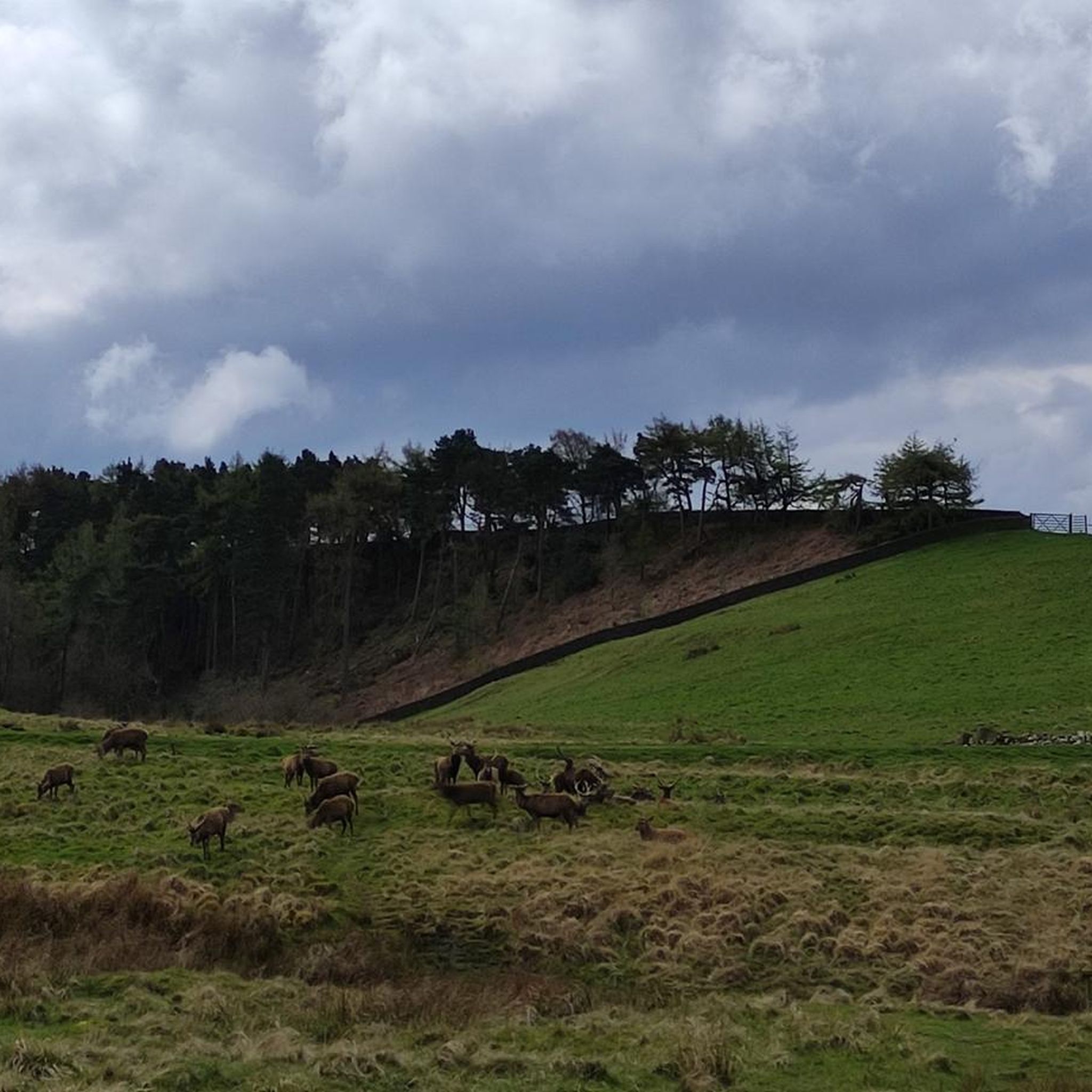
Visitors frequently highlight the diverse natural beauty and tranquility. Many appreciate the opportunity to see deer at Tatton Park, especially in the mornings. The stunning views from the Allan Monkhouse Memorial across the Cheshire Plain are also a favorite. The historical significance of sites like St Chad's Well and The Bowstones, along with the sheer size of the Pareni Tree, also captivate visitors.
Are there any specific conservation efforts in place for these natural areas?
Yes, several areas benefit from conservation efforts. Lindow Common is protected as a Site of Special Scientific Interest and a Local Nature Reserve. The Carrs Park and Wilmslow Park participate in conservation grazing, using Bollin Valley Longhorn cattle to maintain wildflower diversity and support biodiversity.
Where can I find more information about Lindow Common?
For more detailed information about Lindow Common, including its ecological importance and visitor guidelines, you can visit the official Cheshire East Council website: cheshireeast.gov.uk.
Most popular routes around Wilmslow
Most popular attractions around Wilmslow

Get inspired with the komoot mobile app


Explore more
Extend your search for the best caves by checking out these guides of the top ones around Wilmslow:
