Top 5 Natural Monuments around Horning
Best natural monuments around Horning are situated within the Norfolk Broads National Park, an area characterized by its unique wetland environment. This region features a network of navigable waterways, lakes, and rivers, many of which originated from medieval peat diggings. The landscape offers insights into a fragile ecosystem, making it significant for nature enthusiasts. Horning itself serves as a starting point for exploring these natural features.
Best natural monuments around Horning
- The most popular natural monuments is Upton Dyke,…
Last updated: June 29, 2026
Horsey Mere
Highlight • Natural Monument
Tip by

Upton Dyke
Highlight • Natural
Tip by
Sign up now to discover places like this
Get recommendations on the best single tracks, peaks, & plenty of other exciting outdoor places.
Sign up for free
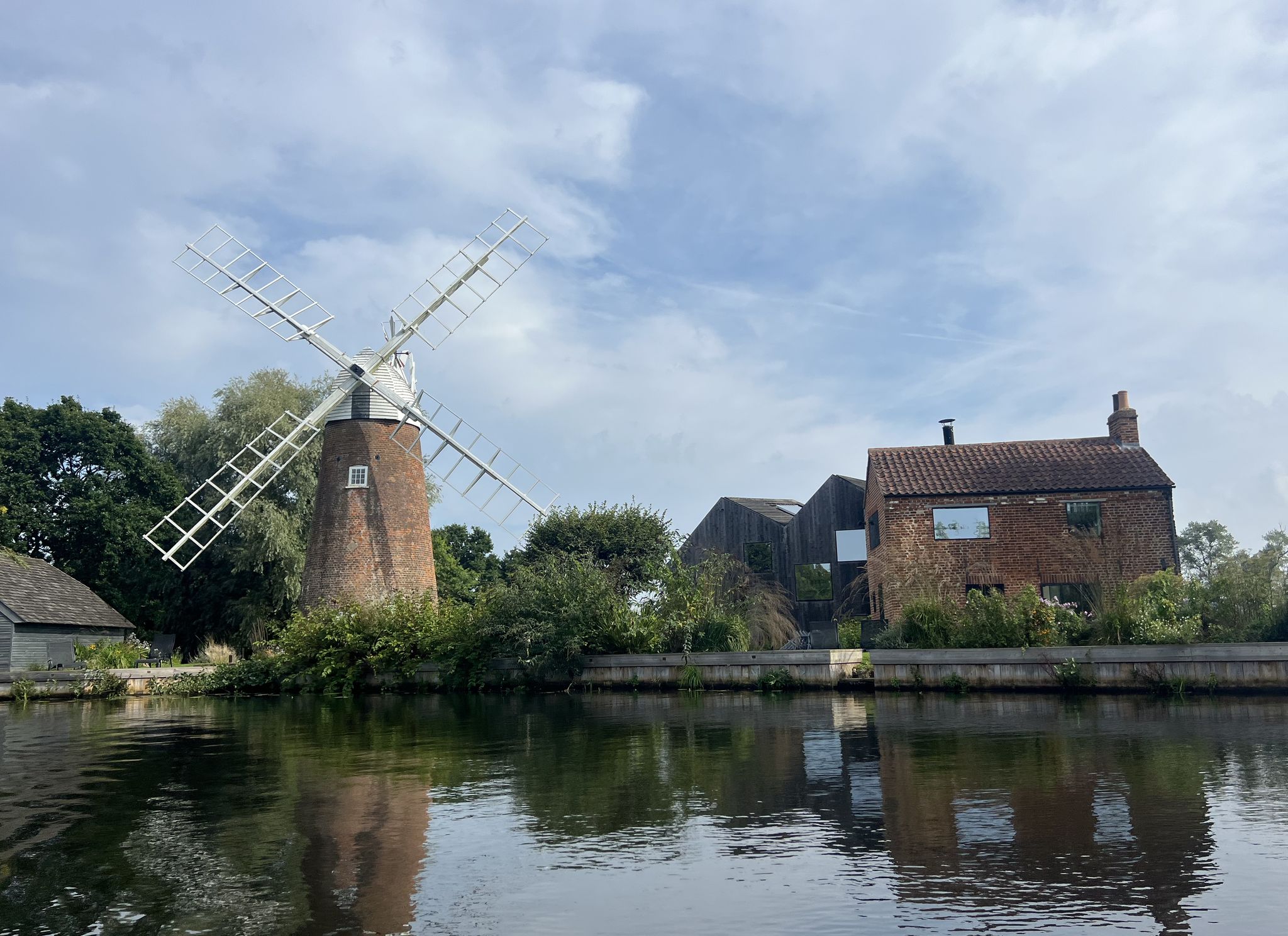
How Hill Windmill and Nature Reserve
Highlight • Structure
howhilltrust.org.uk
Tip by

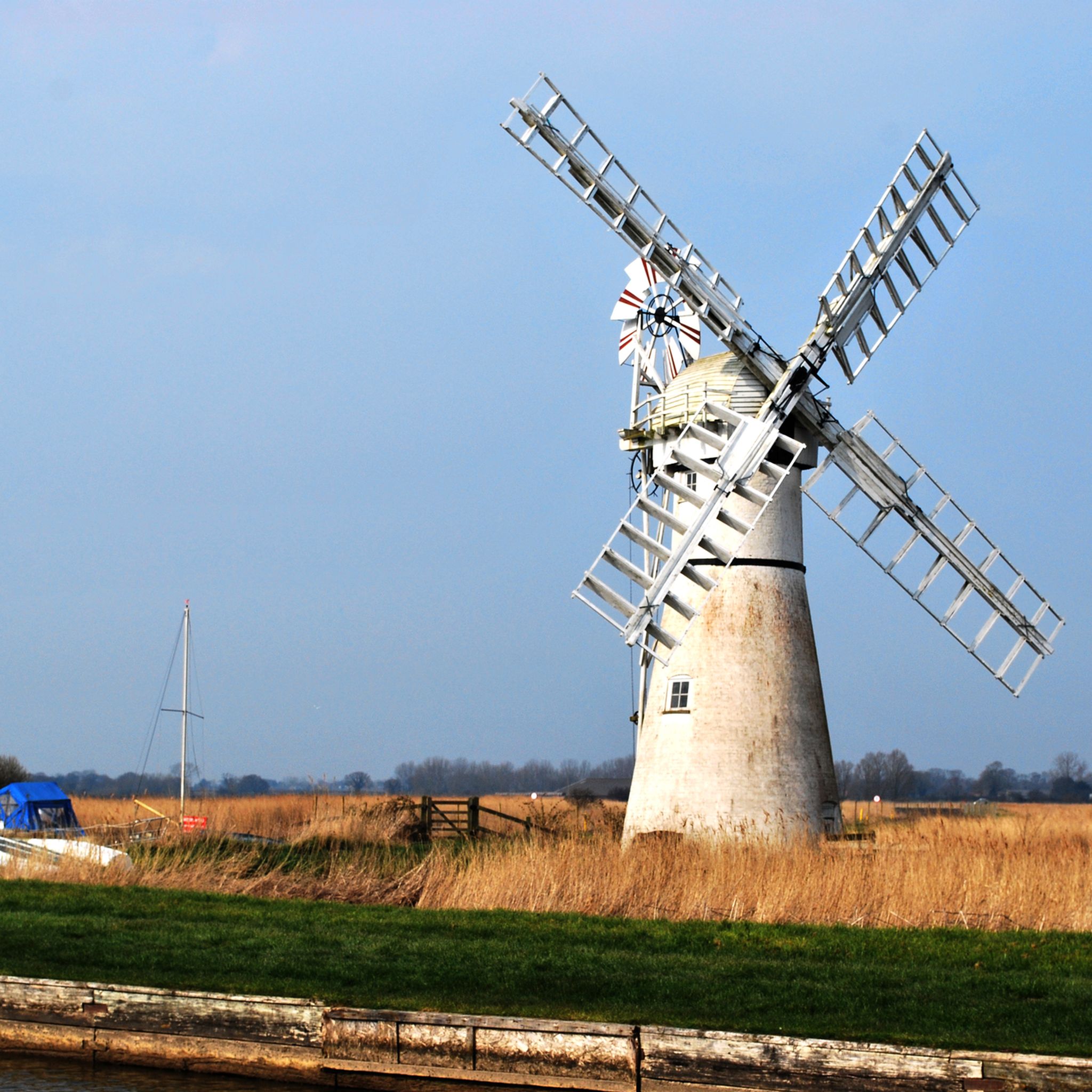
River Bure and Drainage Mills
Highlight • Natural Monument
Tip by

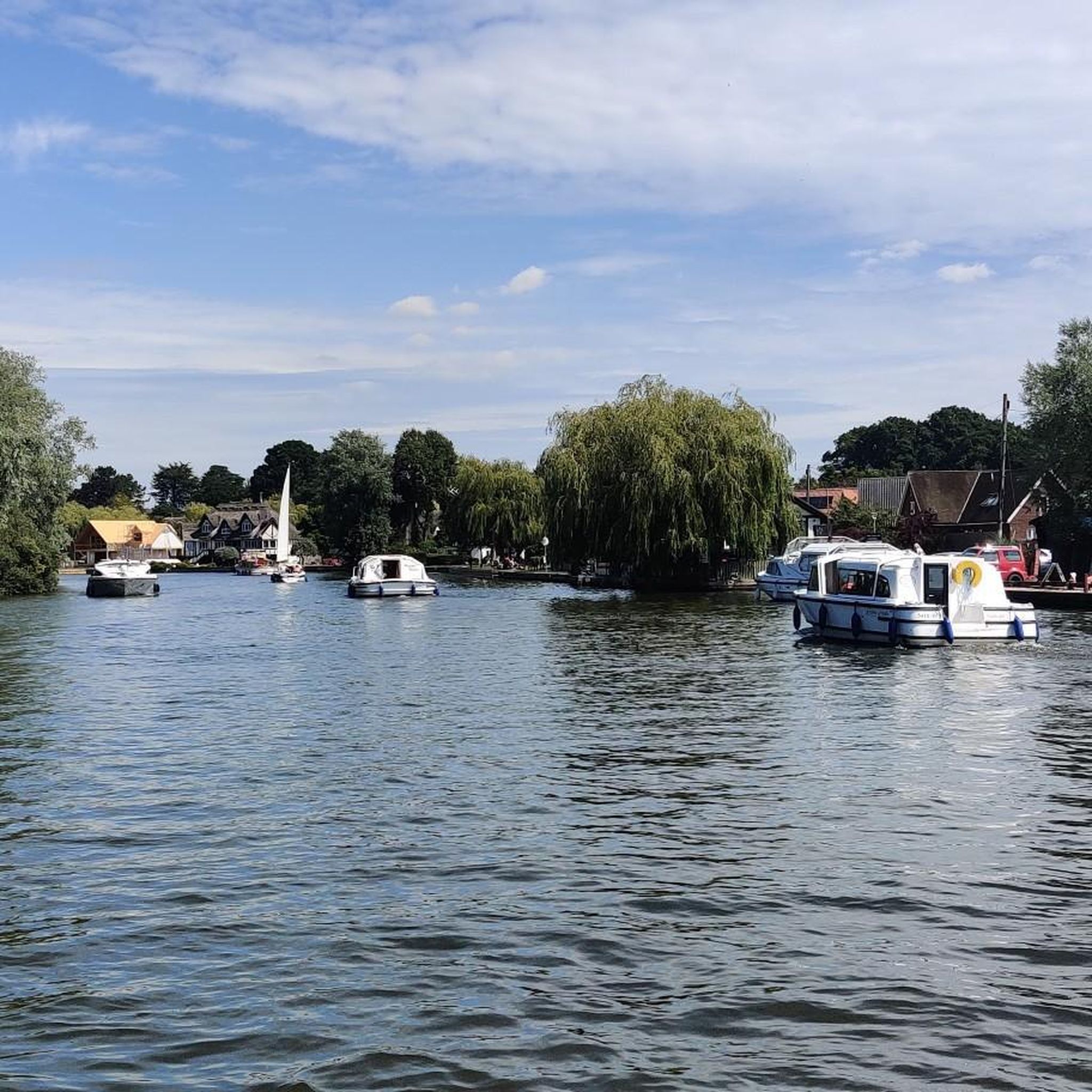
View of Barton Broad
Highlight • Viewpoint
Tip by

Sign up for free to discover even more natural monuments around Horning.
Sign up for free
Already have an account?
Start today with a free account
Your next adventure awaits.
Login or Signup

Other adventures around Horning

Tips from the Community

Great little viewing area with a couple of benches and a great view over the Mere.
1
0

This viewpoint looks over the expansive freshwater lake of Barton Broad in Norfolk. The lake features gorgeous reed beds and waterlilies that provide home for a number of wonderful bird species including marsh harriers, bitterns, and great crested grebes. Boating enthusiasts are often seen exploring the lake's waters too.
1
0

On this stretch of the River Bure you can see two examples of drainage mills, Upton Mill and Oby Drainage Mills. The mills pump water from the dikes out to tidal waterways to keep the land free of water. This is now done by electrical pumps but the windmills remain an iconic feature of the landscape.
0
0

When we passed through in early spring, we were amazed at the amount of Mute Swans on the surrounding farmland. On several occasions, groups of swans flew over to land in Upton Dyke and the River Bure. There is a small car park that is free to use.
1
0

Lovely hidden gem with superb views, a great tea room and delightful gardens. There's also Toad Hole Cottage Museum by the River Ant, which offers excellent walks and has several windmills to admire. https://howhilltrust.org.uk/
0
0

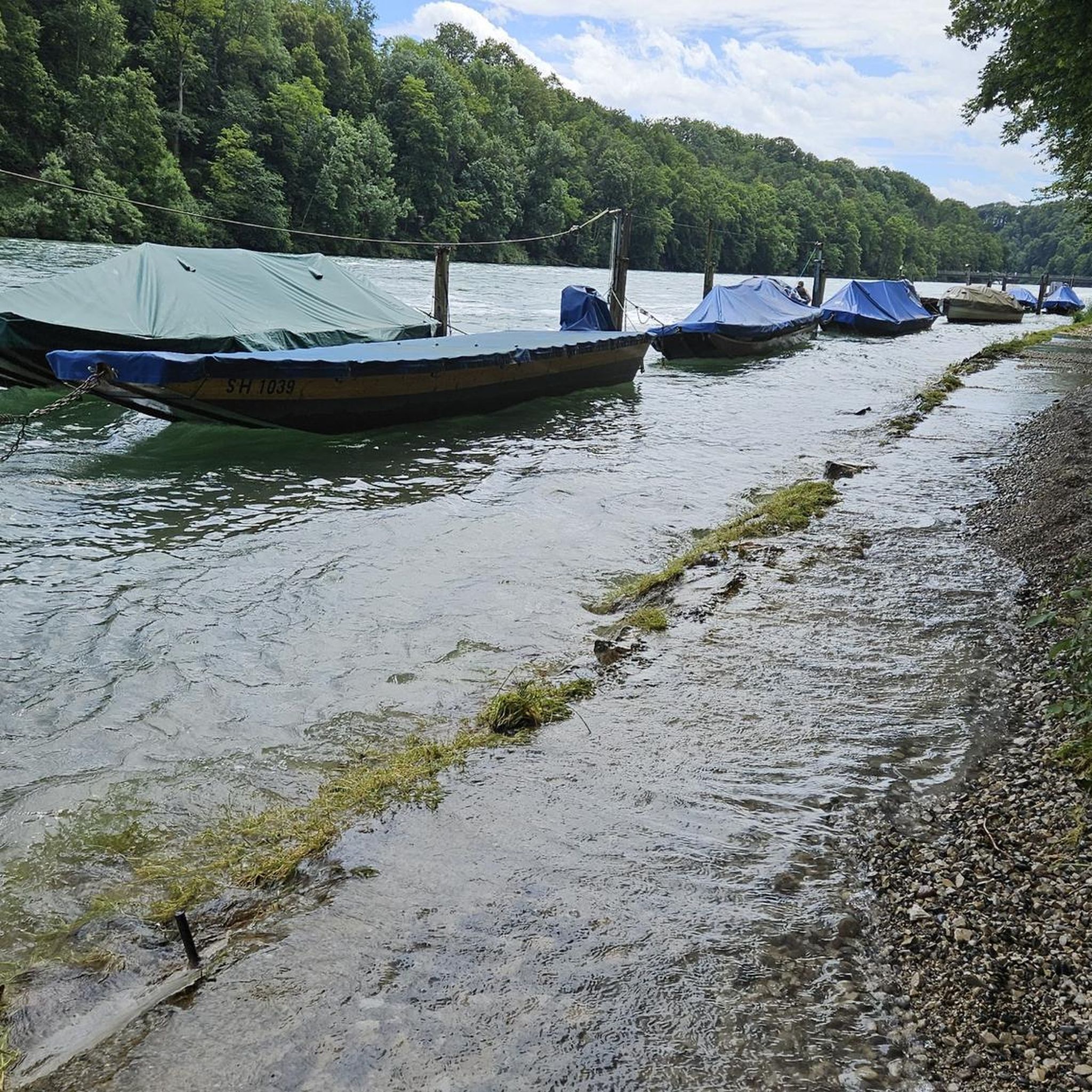
Upton Dyke is set amid marshes which have been designated as a Site of Special Scientific Interest, due to the rare wildlife here. The area is in the care of Norfolk Wildlife Trust. As you follow the dyke, you can admire the moored boats and keep a look out for rare birds and insects.
2
0
Horsey Mere is regarded as one of the most beautiful of the northern broads. Close to the Norfolk coast, Horsey's reed beds and grazing marshes offer a habitat of international importance for birds, including wigeon, teal, shoveller, pochard, gadwall, goldeneye, tufted duck, bitterns, stonechats, yellow wagtails, and grasshopper warblers. You might even spot two rare warblers here; Cetti's and Savi's. According to folklore, on 13th June every year the screams of drowned children can be heard from the mere.
3
0
Frequently Asked Questions
What types of natural monuments can I explore around Horning?
Around Horning, you'll discover a unique wetland environment within the Norfolk Broads National Park. This includes significant waterways like the River Bure, expansive lakes such as Horsey Mere and Barton Broad, and protected marshlands like Upton Dyke. Many of these areas are rich in biodiversity and offer insights into this fragile ecosystem.
Are there family-friendly natural monuments near Horning?
Yes, several natural monuments around Horning are great for families. Horsey Mere and Upton Dyke are both family-friendly, offering opportunities for wildlife spotting. How Hill Windmill and Nature Reserve also provides a delightful experience with its gardens, museum, and views, suitable for all ages.
Where can I observe wildlife around Horning's natural monuments?
The natural monuments around Horning are excellent for wildlife observation. Horsey Mere is internationally important for birds like wigeon, teal, and bitterns, with a dedicated viewing area. Upton Dyke, a Site of Special Scientific Interest, is known for rare wildlife and large numbers of Mute Swans. The Bure Marshes National Nature Reserve, accessible via a foot ferry from Horning, is also a haven for diverse birds and butterflies.
Are there any historical natural monuments or sites nearby?
While the natural monuments primarily showcase the wetland landscape, How Hill Windmill and Nature Reserve combines natural beauty with historical elements, featuring a windmill and the Toad Hole Cottage Museum. Additionally, the River Bure and Drainage Mills highlight the iconic drainage mills that are a historical part of the Broads' landscape.
What outdoor activities can I do near these natural monuments?
The area around Horning offers various outdoor activities. You can enjoy easy hikes, with routes like the 'River Ant in The Broads – Turf Fen Drainage Mill loop' available. Cycling is also popular, with options for road cycling and gravel biking. The extensive waterways of the Broads also provide unparalleled opportunities for boating and exploring.
Are there easy walking trails around Horning's natural monuments?
Yes, there are several easy walking trails. For example, you can find easy hikes around Horning, including routes like the 'St Benet's Abbey Ruins loop' which offers a gentle exploration of the area. Many of the natural monuments, such as Upton Dyke, also offer pleasant, flat paths suitable for leisurely walks.
What is the best time of year to visit the natural monuments around Horning?
Each season offers a different experience in the Broads. Spring brings emerging wildlife and wildflowers, while summer is ideal for boating and enjoying the warm weather. Autumn showcases beautiful foliage, and winter provides opportunities for spotting migratory birds. The unique wetland landscape is captivating year-round, but for birdwatching, spring and autumn are often recommended.
Are the natural monuments around Horning dog-friendly?
Many areas within the Norfolk Broads are dog-friendly, though it's always best to keep dogs on a lead, especially in nature reserves, to protect wildlife. Horsey Mere is listed as dog-friendly, and many walking paths around the dykes and broads are suitable for dogs.
Are there any natural monuments accessible by public transport near Horning?
Horning itself is a village within the Broads National Park, and local bus services connect it to larger towns. From Horning, the Bure Marshes National Nature Reserve is accessible via a foot ferry. For other specific natural monuments, checking local bus routes or considering a combination of public transport and walking/cycling would be advisable.
What do visitors enjoy most about the natural monuments in this region?
Visitors frequently appreciate the tranquility and the rich biodiversity of the area. The stunning views over expansive lakes like Barton Broad, the unique wetland habitats, and the chance to spot rare birds are often highlighted. The blend of natural beauty with historical elements, such as the windmills at How Hill, also adds to the appeal.
Are there any hidden natural gems around Horning?
While the main broads and dykes are well-known, exploring the smaller, less-trafficked paths and waterways can reveal hidden gems. The Bure Marshes National Nature Reserve, though accessible, offers a sense of untouched beauty. Venturing slightly off the main routes can lead to quieter spots along the River Bure or lesser-known sections of the broads, providing a more secluded experience.
Most popular routes around Horning
Most popular attractions around Horning

Get inspired with the komoot mobile app


Explore more
Extend your search for the best caves by checking out these guides of the top ones around Horning:
