Top 5 Natural Monuments around West Markham
Best natural monuments around West Markham offer a diverse landscape for exploration. This area features ancient woodlands, significant historical sites, and protected nature reserves. Visitors can discover unique geological formations and centuries-old trees that contribute to the region's natural heritage. The natural environment provides opportunities for outdoor activities and appreciating local flora and fauna.
Best natural monuments around West Markham
- The most popular natural monuments is The Major Oak, a natural monument that is said to have been the…
Last updated: June 29, 2026
The Major Oak
Highlight • Natural Monument
Tip by

Clumber Park Walled Kitchen Garden and Glasshouse
Highlight • Structure
Tip by

Sign up now to discover places like this
Get recommendations on the best single tracks, peaks, & plenty of other exciting outdoor places.
Sign up for free
Medusa Oak (Sherwood Forest)
Highlight • Natural Monument
Unlike some of the other trees …
Translated by Google •
Tip by

Robin Hood's Cave
Highlight • Historical Site
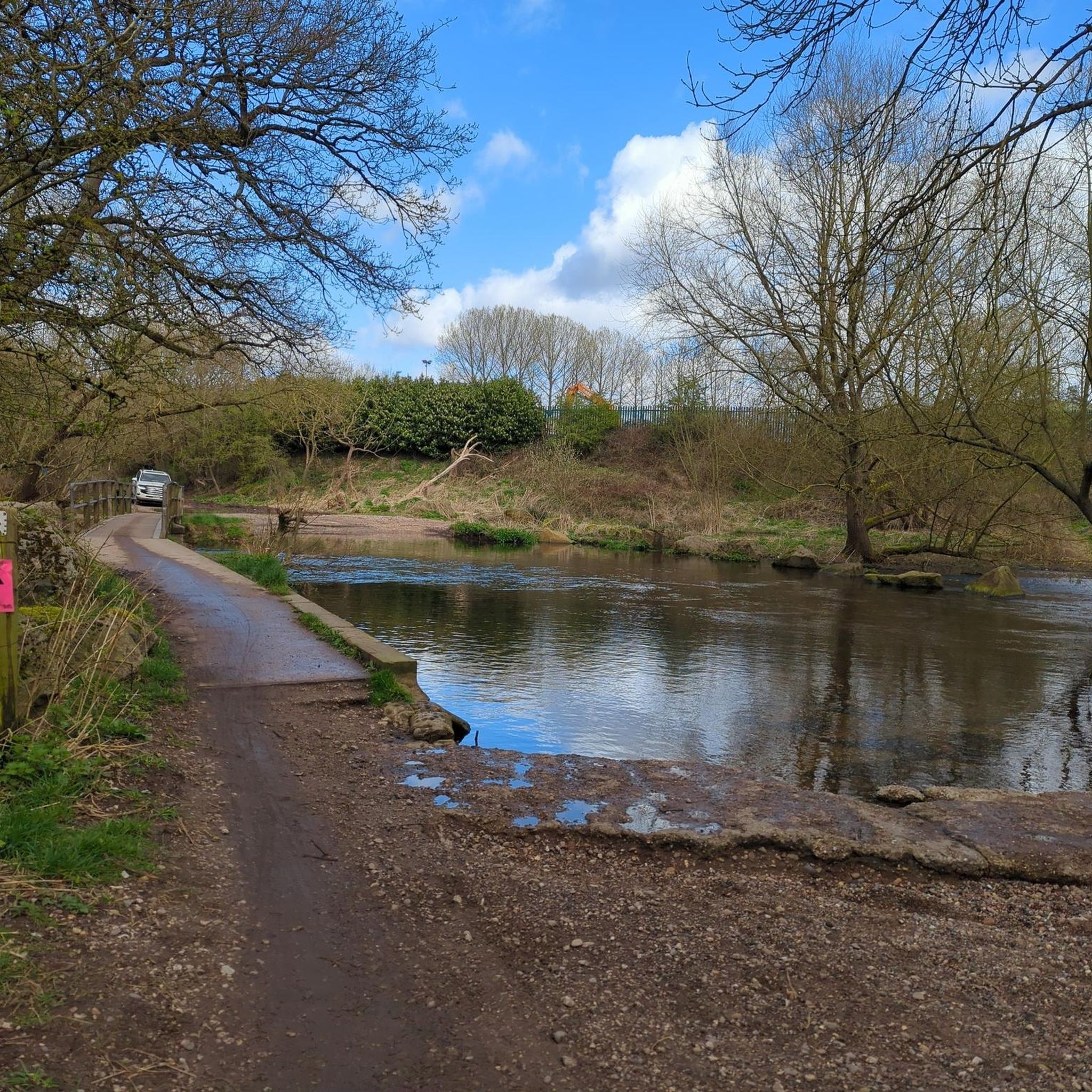
Robin Hood's Cave near Ollerton is situated on a bend in the River Maun north of …
Tip by

Mansey Common Nature Reserve
Highlight • Natural Monument
Tip by

Sign up for free to discover even more natural monuments around West Markham.
Sign up for free
Already have an account?
Start today with a free account
Your next adventure awaits.
Login or Signup

Tips from the Community

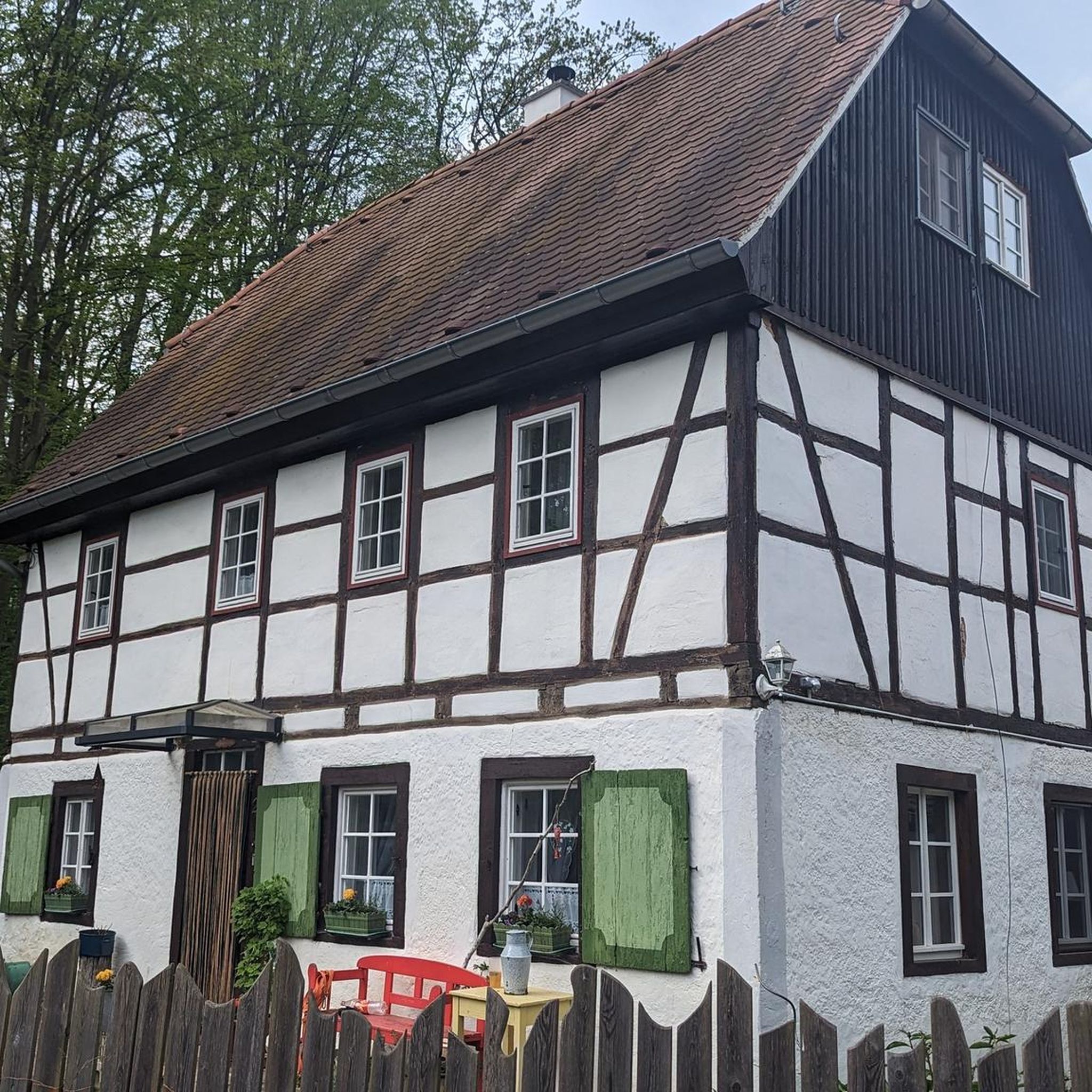
Dating from 1772, it supplied the sorts of exotic and unusual foods that the Dukes could impress their guests with. From asparagus to pineapples and strawberries at Christmas, this was an elite garden for an elite family. In its prime, the gardens would have provided employment for 30 people and had 6-acres under cultivation including a huge, heated Melon Yard and an orchard, which was re-established just outside the garden walls in 2021. At 451 feet, Clumber Park boasts the longest Glasshouse in National Trust care. It was installed by the 7th Duke of Newcastle and completed in 1910. By the 1970s it was derelict but the Trust has spent decades restoring it, most recently in 2023. Today, it boasts seasonal displays in its huge conservatory, an exotically planted Palm House and bays of grapes, figs, and peaches. Some of the utility rooms now serve as a museum displaying an extensive collection of gardening tools. The Apple Store and the Gardener's Mess have ever-changing displays.
0
0

Due to its venerable age, an old legend has manifested itself on this large oak tree: the story of ROBIN HOOD, which has been told over and over again for many centuries - although by no means historically confirmed - and is known and loved from literature and film far beyond the borders of England. This tree is said to have given him and his loyal followers, whose area of activity is located in Sherwood Forest, shelter here. You may want to believe it or not - the main thing is: the myth lives on!
0
0

The 'Medusa Oak' is a Sherwood Forest icon, 'she' lives on the northern edge of Birklands forest in the Sherwood Forest National Nature Reserve. Unlike some of the other trees in the Sherwood Forest landscape that bear ancient names from the past, Medusa got her name from the modern Rangers in the Sherwood Forest National Nature Reserve. (Mercian Archaeological Services)
12
2
In 2022, the Major Oak was selected as one of 70 ancient trees from around the UK to take their place in the Queen's Green Canopy, a 70th anniversary program to inspire the planting of new trees across the country. This oak is very old and must be supported because of its weight.
11
0

The Major Oak is said to have been the shelter of Robin Hood and his merry men. One thing is certain: It's very old, and is probably Britain's most visited tree.
2
0


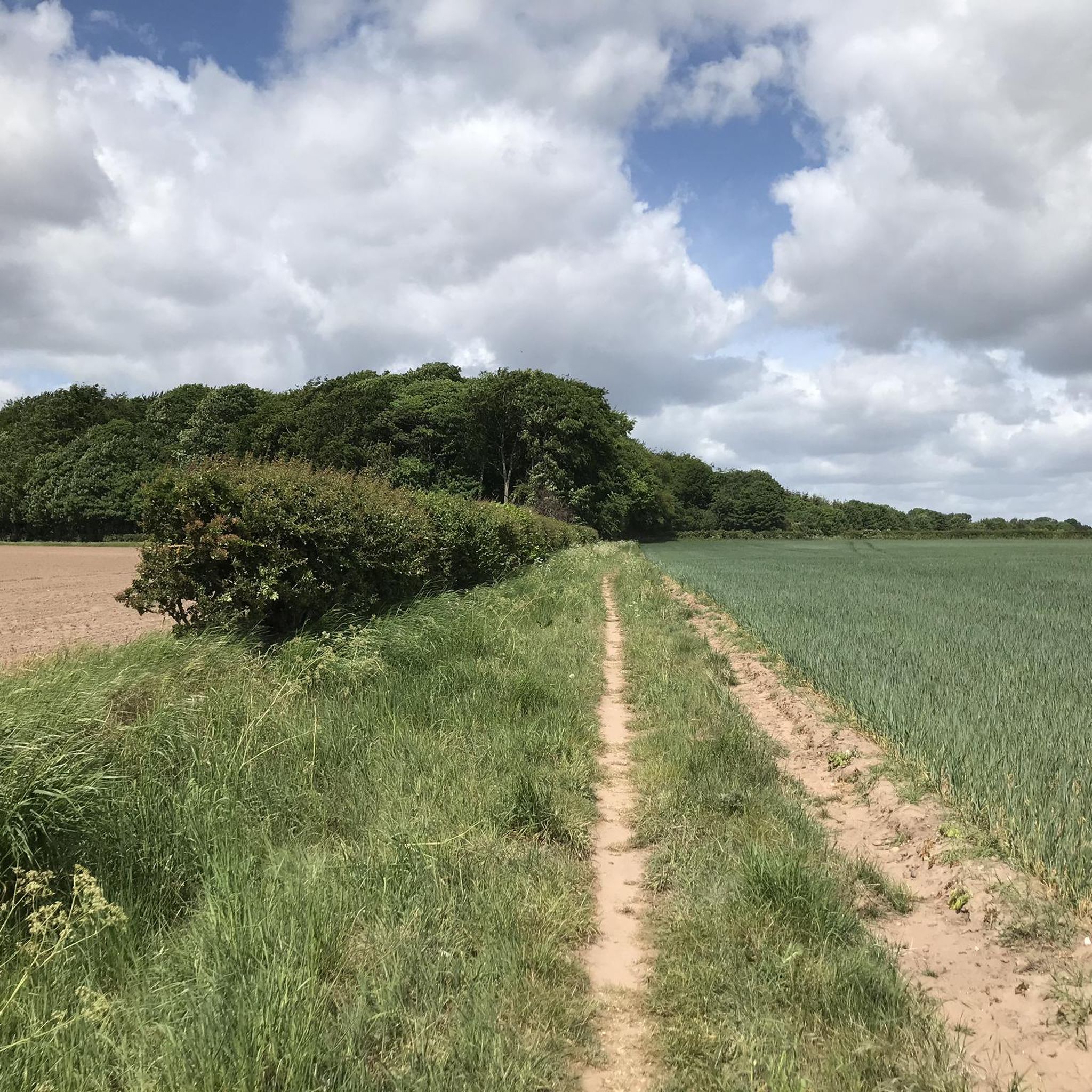
Once you are there, there are multiple trails to choose from. Terrain suitable for a pushchair/wheelchair depending on the trail choice. Car park - spacious, daily cost of £4.50.
4
2

Honestly not much to see but may be of interest to Robin Hood fans. Robin Hood's Cave near Ollerton is situated on a bend in the River Maun north of the village it consists of an outcrop of Sherwood Sandstone which Robin Hood reputedly used as one of his many hideaways. The river at this point, and the 'cave' are only a few yards from the route of the King's Highway to York which formed the eastern boundary of Sherwood Forest from the 13th century. This was the main routeway through Sherwood Forest from Nottingham to York. The location would therefore have been a great ambush site.
1
0
Frequently Asked Questions
What natural areas can I explore near West Markham?
While West Markham itself is primarily residential, several notable natural areas are easily accessible nearby. These include Wildwood Park for the Arts, War Memorial Park, and Ranch North Woods Preserve. Pinnacle Mountain State Park is also a short drive away, offering expansive natural landscapes.
Are there family-friendly natural attractions near West Markham?
Yes, several nearby natural areas are great for families. War Memorial Park features a natural play area with large rock formations and a splash pad designed to resemble Arkansas waterways, along with a fishing pond and picnic areas. Wildwood Park for the Arts offers peaceful trails and diverse gardens suitable for all ages.
What kind of wildlife can I expect to see in the natural areas around West Markham?
The natural areas near West Markham are home to diverse wildlife. At Wildwood Park for the Arts, you can observe various flora and fauna within its gardens and natural forests. Ranch North Woods Preserve is excellent for wildlife viewing, with opportunities to see migratory birds, bald eagles, deer, and seasonal wildflowers.
Where can I find hiking trails near West Markham?
For hiking, Ranch North Woods Preserve offers trails through open fields, hardwood forests, and along the Little Maumelle River. Pinnacle Mountain State Park, just west of Little Rock, provides over 33 miles of trails, including challenging mountain bike trails and scenic routes up Pinnacle Mountain.
Are there any accessible natural monuments or parks near West Markham?
While specific accessibility details vary, many parks strive to offer accessible features. Wildwood Park for the Arts has manicured paths and gardens that are generally easy to navigate. For detailed accessibility information, it's best to check the individual park websites directly.
What are the best times to visit the natural areas around West Markham?
Spring and fall generally offer the most pleasant weather for exploring, with mild temperatures and beautiful foliage. Spring brings blooming azaleas and wildflowers to places like Wildwood Park for the Arts. Summer can be warm, but shaded trails and water features (like the splash pad at War Memorial Park) can still be enjoyable. Winter offers a quieter experience, especially for birdwatching.
Can I go kayaking or canoeing near West Markham?
Yes, Ranch North Woods Preserve offers opportunities for kayaking and canoeing along the Little Maumelle River. Pinnacle Mountain State Park also provides various outdoor activities on the Big and Little Maumelle Rivers, including paddling.
Are there any historical natural sites in the West Markham area?
While not historical in the sense of ancient ruins, War Memorial Park has a long history as a significant green space in Little Rock. Its natural features, like Coleman Creek, have been part of the city's landscape for decades. Pinnacle Mountain State Park's landscape, with its unique sandstone ridges, also represents ancient geological history.
Where can I find a quiet natural escape near West Markham?
For a tranquil escape, Ranch North Woods Preserve is an excellent choice. This 234-acre preserve offers a quiet natural space with trails, riverbanks, and opportunities for peaceful wildlife viewing, providing a serene environment away from urban bustle.
What unique natural features can I find at Wildwood Park for the Arts?
Wildwood Park for the Arts features diverse gardens, including an azalea garden, a Richard Butler Arboretum, a Ruth Allen Dogwood Trail, a Boop Water Garden, and an eight-acre Swan Lake. It offers a blend of manicured landscapes and natural forests, providing a unique botanical experience.
Are there opportunities for fishing in the natural areas near West Markham?
Yes, fishing is an option in some nearby natural areas. Wildwood Park for the Arts allows catch-and-release fishing in Swan Lake. War Memorial Park also has a fishing pond, and Ranch North Woods Preserve includes a fishing pier.
What makes Pinnacle Mountain State Park a unique natural destination?
Pinnacle Mountain State Park is centered around Pinnacle Mountain itself, offering a unique landscape of sandstone ridges and exposed bare rock. It's a day-use park with over 33 miles of trails, the Arkansas Arboretum, and activities on the Big and Little Maumelle Rivers, making it a distinctive destination for scenic views and diverse outdoor experiences.
Most popular attractions around West Markham

Get inspired with the komoot mobile app


Explore more
Extend your search for the best caves by checking out these guides of the top ones around West Markham:
