Top 4 Natural Monuments around Swarkestone
Best natural monuments around Swarkestone offer a diverse range of natural and historical landscapes. This area, situated near the River Trent, features unique geological formations and ancient woodlands. Visitors can explore sites with significant historical use alongside preserved natural habitats. The region provides opportunities to connect with nature and local heritage.
Best natural monuments around Swarkestone
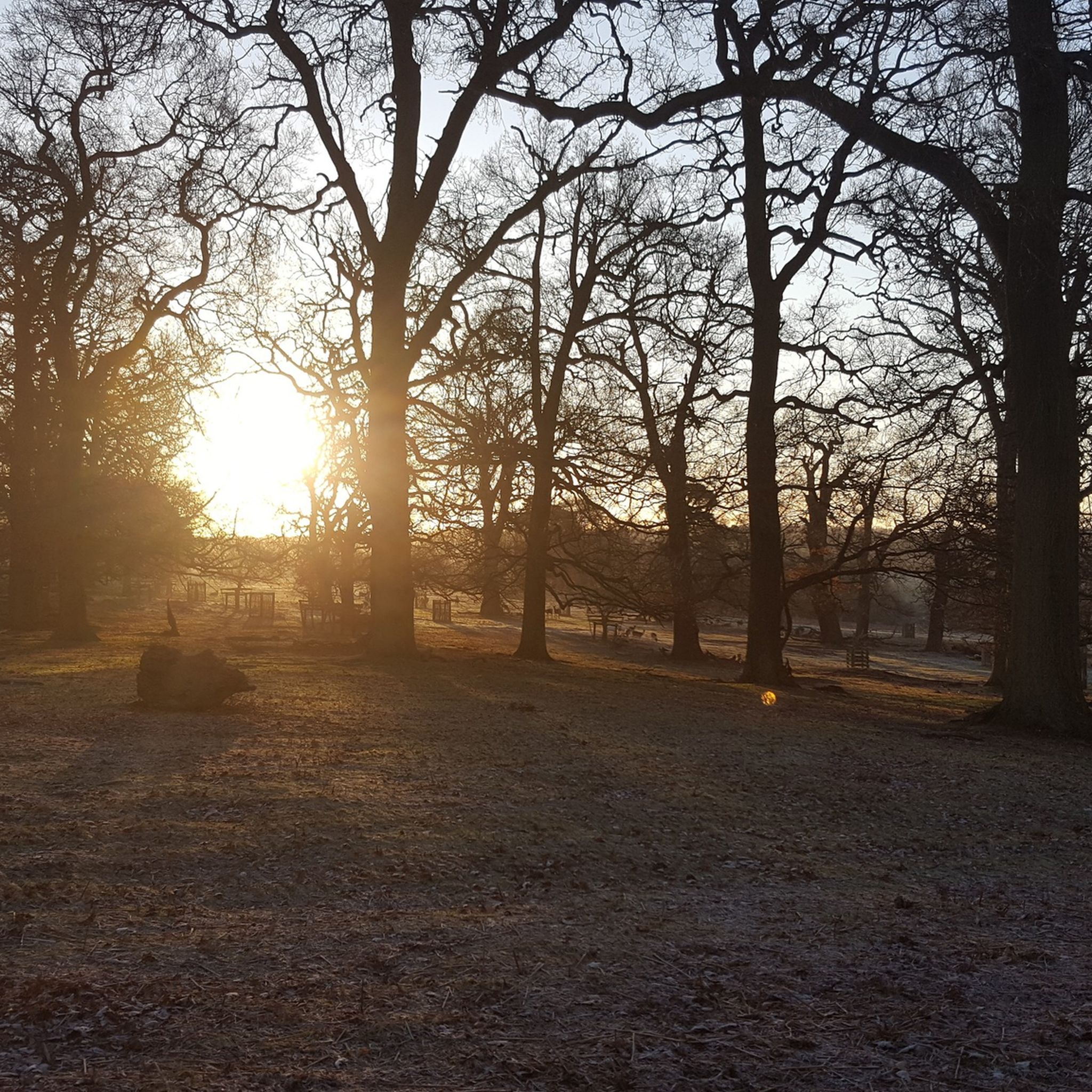
- The most popular natural monument is Deer Park at Calke Abbey, a natural monument that is an expansive, managed landscape designed to house…
Last updated: June 29, 2026
Deer Park at Calke Abbey
Highlight • Natural
Tip by

Anchor Church Caves
Highlight • Historical Site
Tip by

Sign up now to discover places like this
Get recommendations on the best single tracks, peaks, & plenty of other exciting outdoor places.
Sign up for free
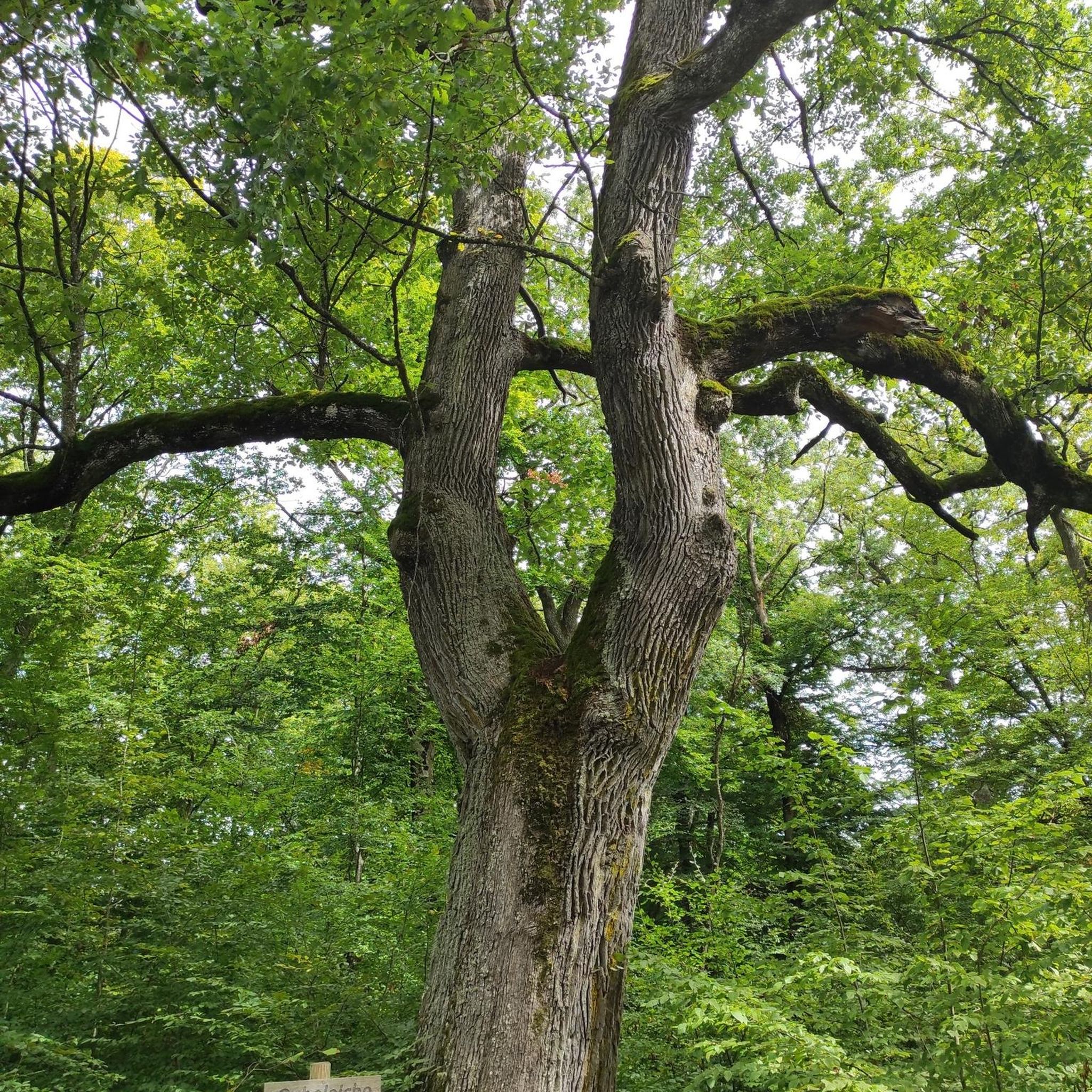
The Old Man of Calke Oak
Highlight • Forest
Tip by

Chaddesden Wood Local Nature Reserve
Highlight • Natural Monument
Tip by

Poacher's Oak, Markeaton Park
Highlight • Natural Monument
Tip by
Start today with a free account
Your next adventure awaits.
Login or Signup
Tips from the Community

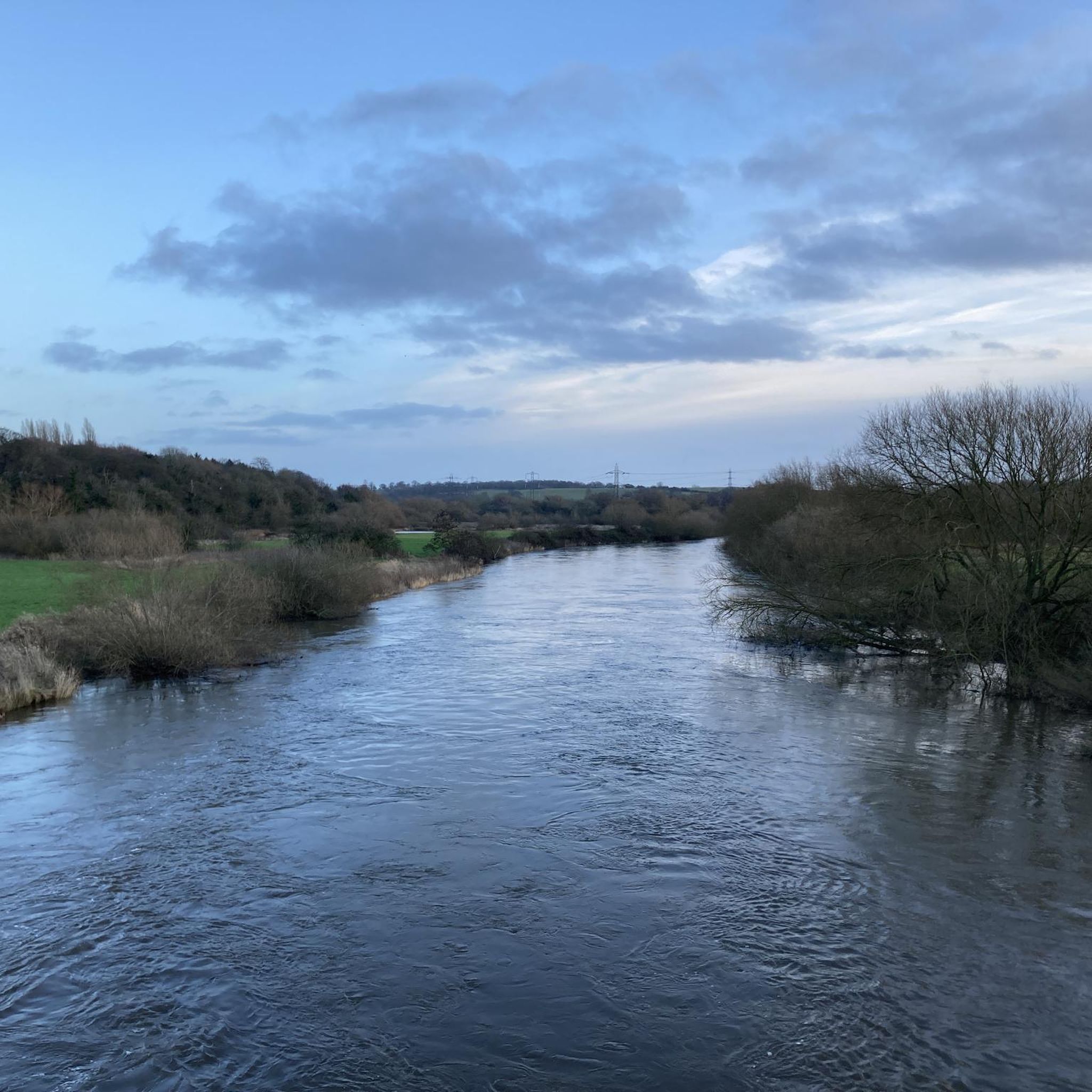
A 9.21-hectare (approx. 23-acre) ancient oak woodland, cherished as a tranquil community nature spot. Declared a Local Nature Reserve in 1991, it boasts over 400 years of history, with features like spring bluebells, wildlife spotting (woodpeckers, squirrels), and a 0.6-mile circular walking trail.
0
0

Added to the collection: komoot.com/de-de/collection/3600632/-naturdenkmaeler-besondere-baeume-und-weitere-schaetze-der-natur
0
0

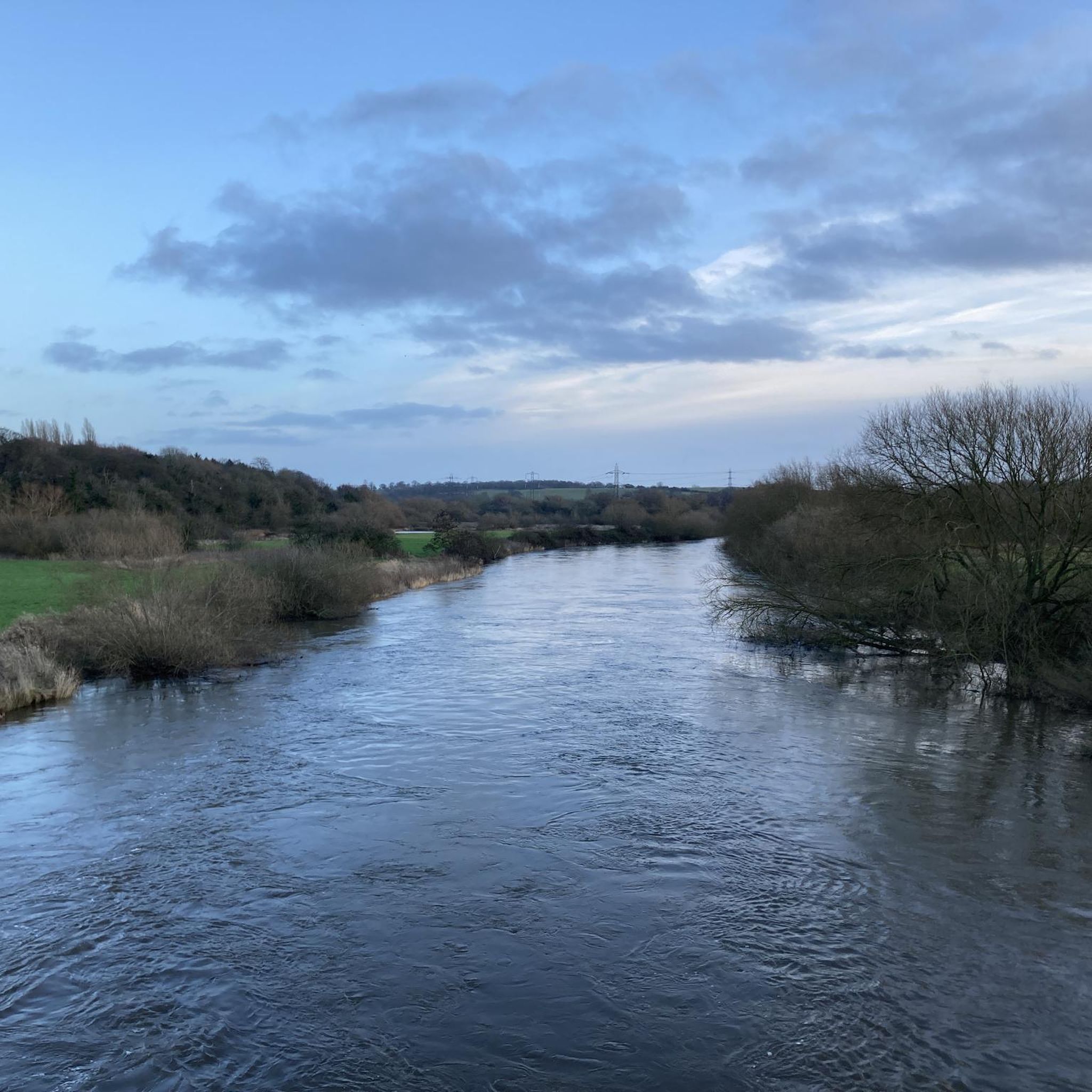
Calke Abbey is a must visit site for anyone interested in ancient trees. The 1,000 year old Old Man of Calke may be the oldest, but there’s an 800 year old oak just a few metres away. The parkland is full of countless ancient and veteran trees rich in deadwood habitat, which is anything but dead as it’s brimming with saproxylic life.
1
0
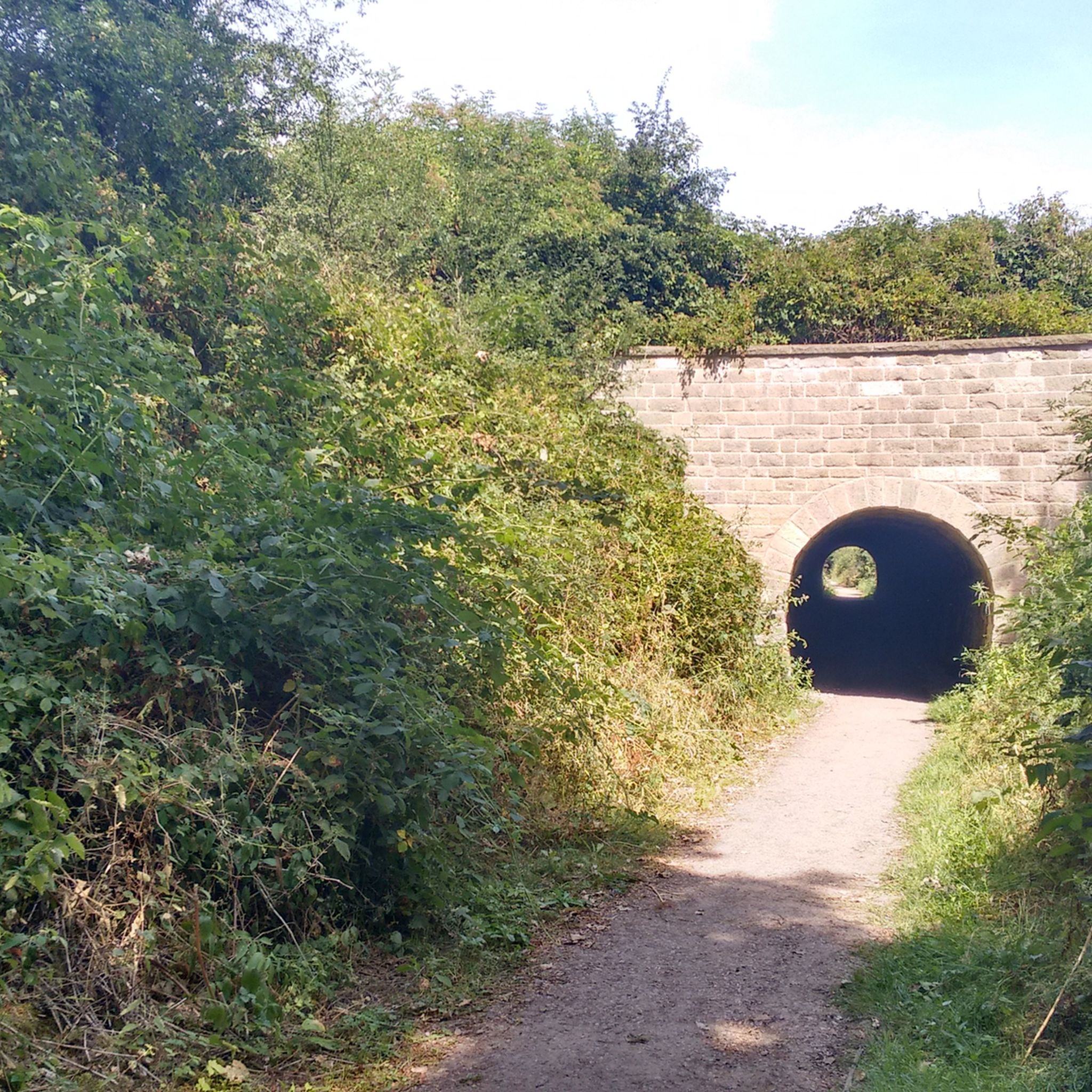
The Old Poachers Oak, Markeaton Park: This ancient oak tree, behind the Famous Trains building, is hollow in the middle. Its imaginative name comes from its use as a hiding place by illegal poachers when it was part of Markeaton Estate. Although it looks like a small tree, it is probably one of the oldest on the park and could tell some stories – perhaps the next one will be yours.
1
0

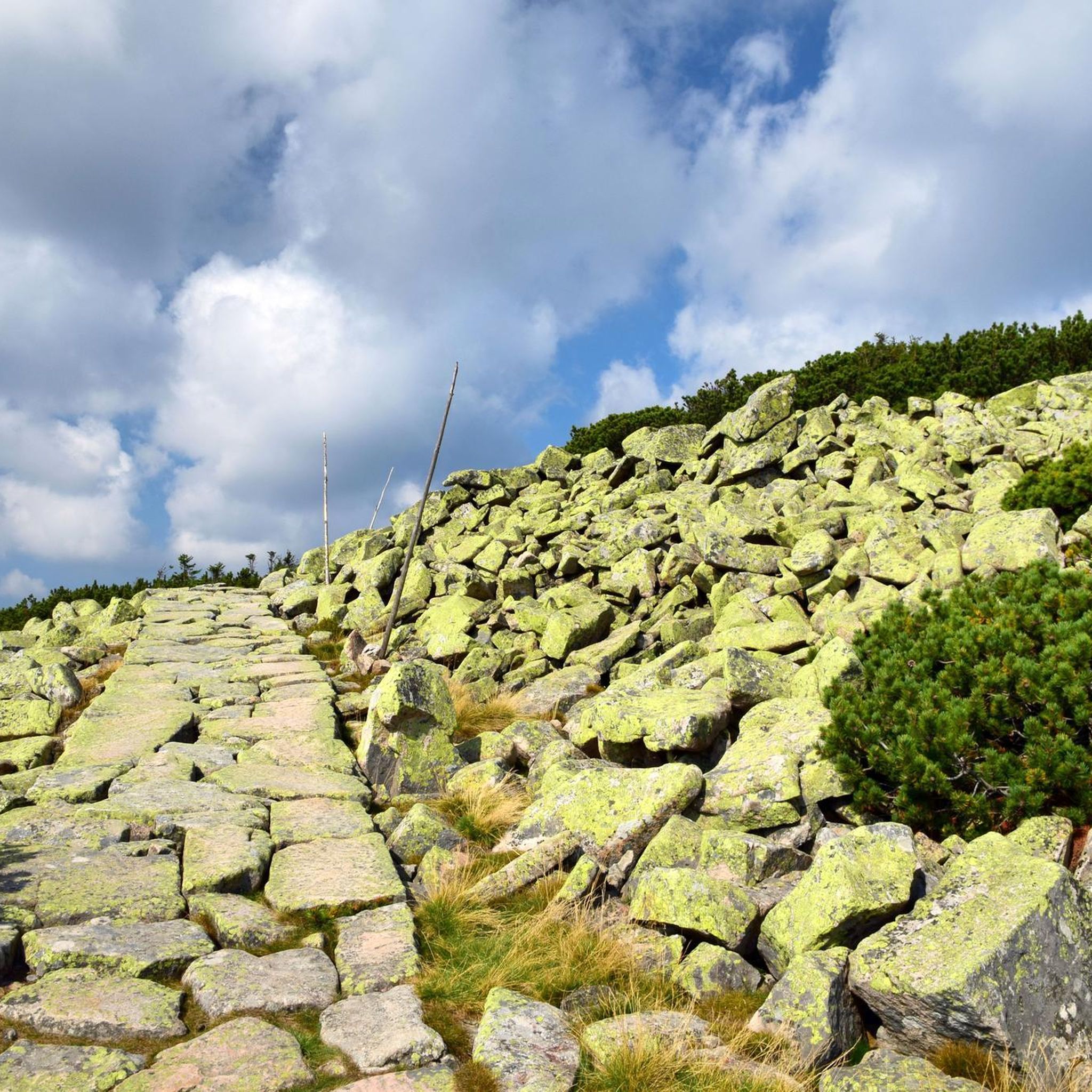
Anchor Church caves are found in a Sandstone outcrop, close to Ingleby. The naturally formed caves have been extended by to form a dwelling (likely a hermitage around the 8th/9th century), complete with door and window holes. In more recent history (1840's) the owners of Foremarke Hall undertook some additional enhancements so they could use the caves as a summerhouse and picnic spot.
3
0

A true natural landmark for the area, situated in one of the quieter areas of Calke.
2
0

This ancient Oak is thought to be around 1000-1200 years old! If you want to take a cool photo, go into the field behind the tree - you’ll get a much better picture!
4
1
Frequently Asked Questions
What are some family-friendly natural monuments to visit around Swarkestone?
Several natural monuments in the area are great for families. The Deer Park at Calke Abbey is an expansive landscape perfect for observing deer and enjoying nature. Chaddesden Wood Local Nature Reserve offers a tranquil ancient oak woodland with a 0.6-mile circular walking trail, ideal for a short family stroll. Additionally, the Poacher's Oak, Markeaton Park, an ancient hollow tree with a fascinating history, is also a family-friendly spot.
Are there any natural monuments with historical significance near Swarkestone?
Yes, the region is rich in natural monuments with historical ties. The Anchor Church Caves are naturally formed sandstone caves that were historically extended by humans, possibly serving as a hermitage as early as the 8th century. The Poacher's Oak, Markeaton Park, an ancient oak, is named for its historical use as a hiding place by illegal poachers. While primarily man-made, the medieval Swarkestone Bridge is also an iconic landmark deeply associated with the area's natural and cultural heritage.
What kind of wildlife can I expect to see at the natural monuments?
For wildlife spotting, the Deer Park at Calke Abbey is an excellent choice, as it's specifically designed to house and observe deer within its expansive parkland. At Chaddesden Wood Local Nature Reserve, visitors often spot woodpeckers and squirrels, especially amidst the spring bluebells.
Are there hiking or walking trails near these natural monuments?
Absolutely. Many natural monuments are integrated into walking routes. For instance, Chaddesden Wood Local Nature Reserve features a 0.6-mile circular walking trail. You can find numerous hiking routes around the area, including trails like 'View of Swarkestone Bridge – St James' Church, Swarkestone loop' or 'Swarkestone Lock – Sinfin Moor Nature Reserve loop'. Explore more options on the Hiking around Swarkestone guide.
What other outdoor activities can I do near Swarkestone's natural monuments?
Beyond hiking, the Swarkestone area offers various outdoor activities. Cyclists can enjoy road cycling routes such as the 'Swarkestone Lock – Trent & Mersey Canal Towpath loop' or the 'Cloud Trail – Meaks Coffee Shop loop'. Runners have options like the 'Alvaston Park Lake loop' or the 'Swarkestone Lock – Cloud Trail loop'. For detailed routes, check out the Road Cycling Routes around Swarkestone and Running Trails around Swarkestone guides.
What is the best time of year to visit the natural monuments around Swarkestone?
The natural monuments around Swarkestone can be enjoyed year-round, but each season offers a different experience. Spring is particularly beautiful at Chaddesden Wood Local Nature Reserve when bluebells are in bloom. Autumn brings vibrant colors to the woodlands and parks. Summer is ideal for longer walks and picnics, while winter offers a serene, quiet atmosphere, especially in the deer parks and ancient woodlands.
Are the natural monuments around Swarkestone dog-friendly?
Many of the natural monuments and their surrounding areas are dog-friendly, especially for walks. For example, the Deer Park at Calke Abbey is generally welcoming to dogs, often requiring them to be on a lead to protect wildlife. Always check specific site regulations before visiting, but generally, the extensive parklands and trails are suitable for walks with your dog.
Are there any hidden natural gems in the Swarkestone area?
While not entirely 'hidden,' the ancient trees within the Calke Abbey estate, such as 'The Old Man of Calke Oak,' are true natural landmarks that offer a sense of discovery. This particular oak is thought to be around 1000-1200 years old and is situated in one of the quieter areas of Calke, providing a unique and ancient natural experience.
What do visitors enjoy most about the natural monuments in this region?
Visitors frequently appreciate the blend of natural beauty and historical intrigue. The tranquility of places like the Deer Park at Calke Abbey and the ancient woodlands is highly valued. The unique geological formations and human history of sites like the Anchor Church Caves also captivate many. The komoot community has shared over 70 photos and given more than 320 upvotes, highlighting the region's appeal for nature lovers and history enthusiasts alike.
Is there parking available near the natural monuments?
Parking availability varies by location. For larger sites like the Deer Park at Calke Abbey, dedicated car parks are usually provided. For other natural monuments or trailheads, you may find public car parks in nearby villages or designated roadside parking. It's advisable to check specific access information for each monument before your visit.
How long does it typically take to explore these natural monuments?
The time required to explore varies greatly depending on the monument and your interest. A visit to the Anchor Church Caves might take an hour or two, while exploring the Deer Park at Calke Abbey could easily fill half a day or more, especially if you combine it with walks around the estate. Chaddesden Wood Local Nature Reserve has a 0.6-mile circular trail, which can be completed in under an hour at a leisurely pace.
Are there cafes or refreshment options near the natural monuments?
Yes, for some of the larger natural monuments, refreshment options are available. For instance, there is a cafe at Calke Abbey, which is convenient for visitors to the Deer Park. For other locations, nearby towns and villages will offer cafes and pubs. It's always a good idea to bring your own refreshments for more remote spots.
Most popular routes around Swarkestone
Most popular attractions around Swarkestone

Get inspired with the komoot mobile app


Explore more
Extend your search for the best caves by checking out these guides of the top ones around Swarkestone:
