Top 10 Natural Monuments around Ironville CP CP
Best natural monuments around Ironville CP CP offer diverse outdoor experiences within a landscape shaped by natural features and historical elements. The area features notable natural reserves, bodies of water, and woodlands. Visitors can explore floodplain and grassland areas, tranquil reservoirs, and sites with remnants of the region's industrial past. These locations provide opportunities for wildlife observation and appreciating the local environment.
Best natural monuments around Ironville CP CP
- The most popular natural monuments is Wyver Lane Nature Reserve,…
Last updated: June 29, 2026
Wyver Lane Nature Reserve
Highlight • Natural
It's an important wetland …
Tip by

St James' Church and Ancient Yew Tree, Papplewick
Highlight • Historical Site
Tip by

Sign up now to discover places like this
Get recommendations on the best single tracks, peaks, & plenty of other exciting outdoor places.
Sign up for free
Belper River Gardens and the Stone Bridge
Highlight • Viewpoint
Tip by
Cromford Canal Towpath
Highlight • Trail
Tip by

Loscoe Dam
Highlight • Natural Monument
Tip by

Sign up for free to discover even more natural monuments around Ironville CP CP.
Sign up for free
Already have an account?
Start today with a free account
Your next adventure awaits.
Login or Signup
Tips from the Community

The church is thought to have been built in the 12th century. In the grant made by Henry II to Newstead Priory, part of the endowment was “The Town of Papplewick with the Church of the same name and the Mill.”. Legend has it that Alan A’Dale, one of Robin Hood’s men, was married here. The present tower dates from the 14th century. The nave and chancel were rebuilt by the Right Hon. Frederick Montagu in 1795 (after he had rebuilt the Hall.). In 1855, Papplewick was united with Linby. The Parish is now called ‘the Parish of St. Michael, Linby cum St. James, Papplewick‘. The building was further restored and repaired in 1938 in memory of John Chadburn, son of Mr. C. W. Chadburn who lived in the Parish.
0
0

Origins in the 12th Century, rebuilt in 1795 & restored in 1940, this Grade I listed building is still in weekly use. The Yew tree outside is 350 years old.
1
0

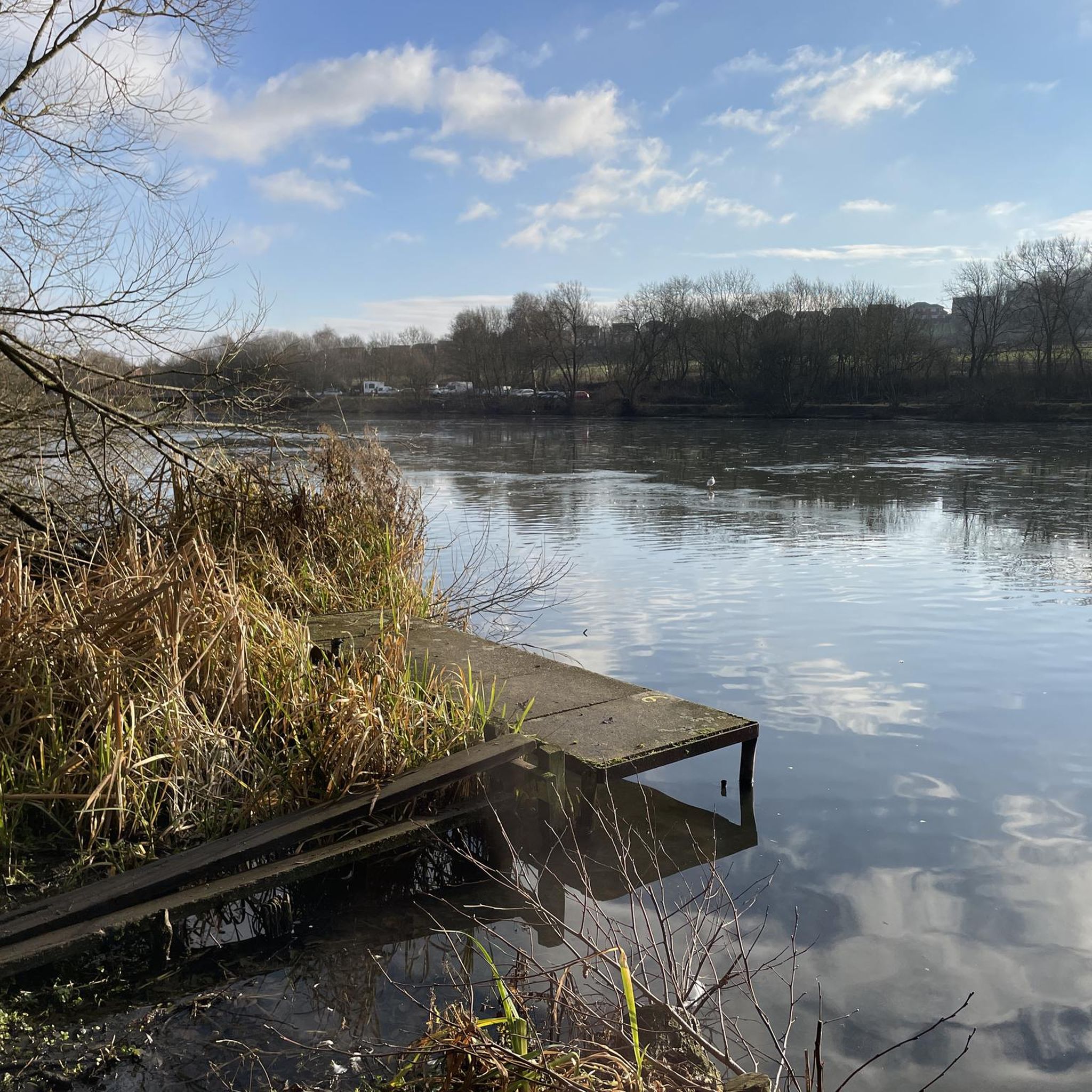
The Cromford Canal ran 14.5 miles (23.3 km) from Cromford just south of Matlock to the Erewash Canal. The canal was agreed in 1789 and completed by 1794. The canal mostly carried coal, iron and lead ore from the mines of the High Peak as well as spun cotton from the mills. The canal stopped being used commercially in the mid 1900's when railways took over. Some sections have been restored more recently and it's a very pleasant, flat and well surfaced trail to walk along.
0
0

At the heart of the Derwent Valley Mills UNESCO World Heritage Site, the town of Belper has a fascinating industrial history. Hot on the heels of Cromford to the north, it was home to some of the world's first water-powered cotton spinning mills, built by Jedediah Strutt. In 1803, Strutt's North Mill was rebuilt using the world's first fireproof iron frame. This was to become the blueprint for modern skyscrapers. The town is beautifully situated on the River Derwent and is an important stop on the Derwent Valley Heritage Way. There are plenty of places to eat and drink, as well as good accommodation options in the town.
0
0
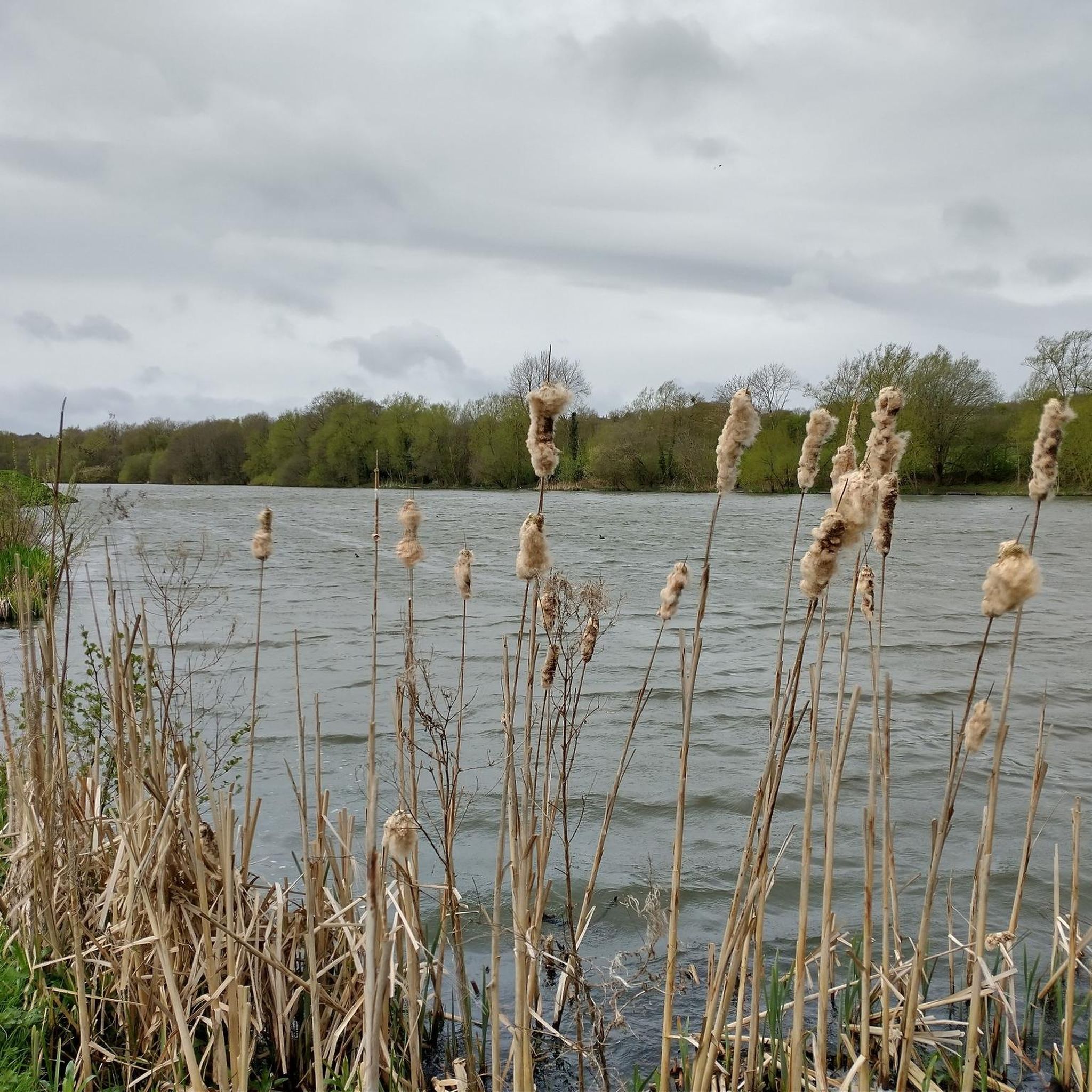
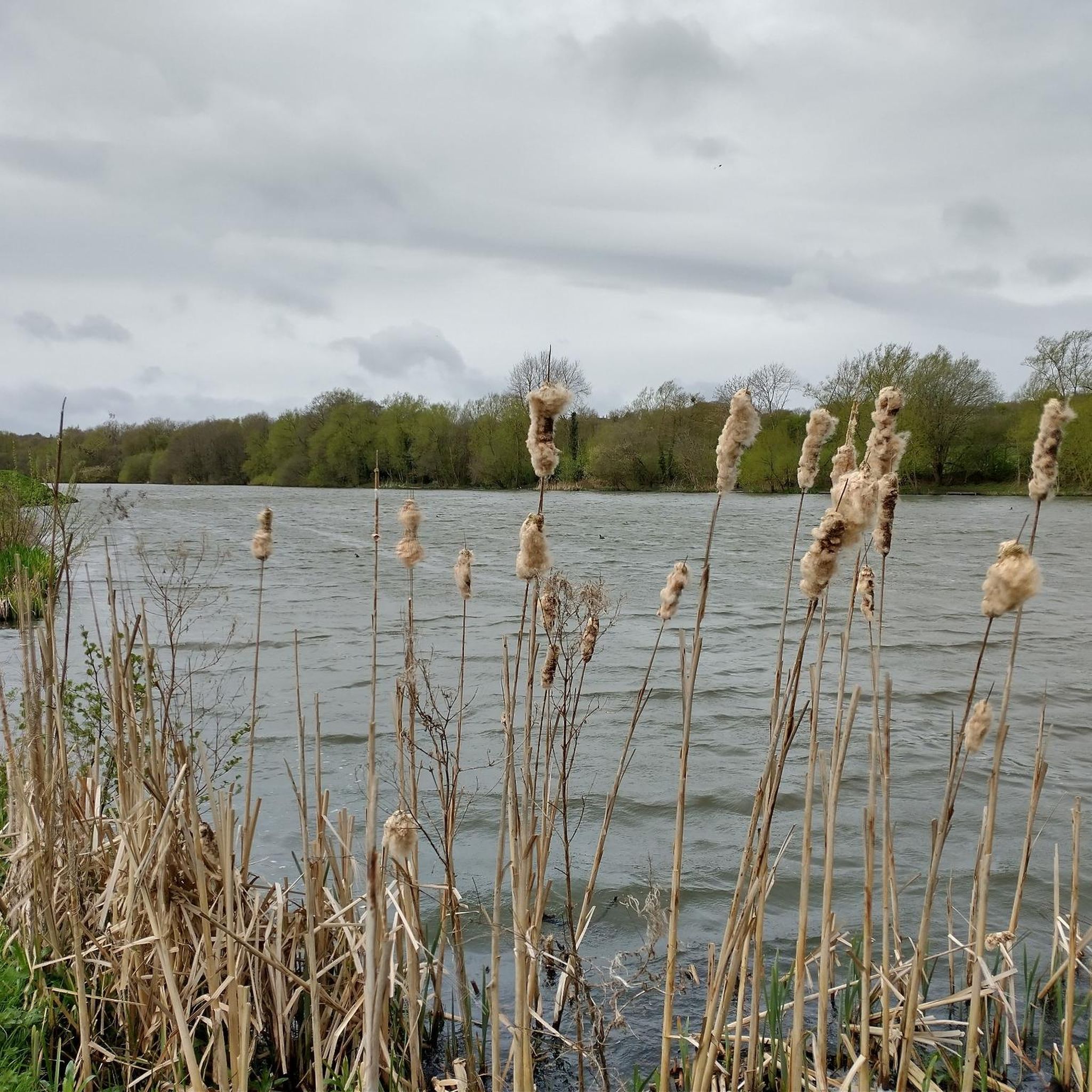
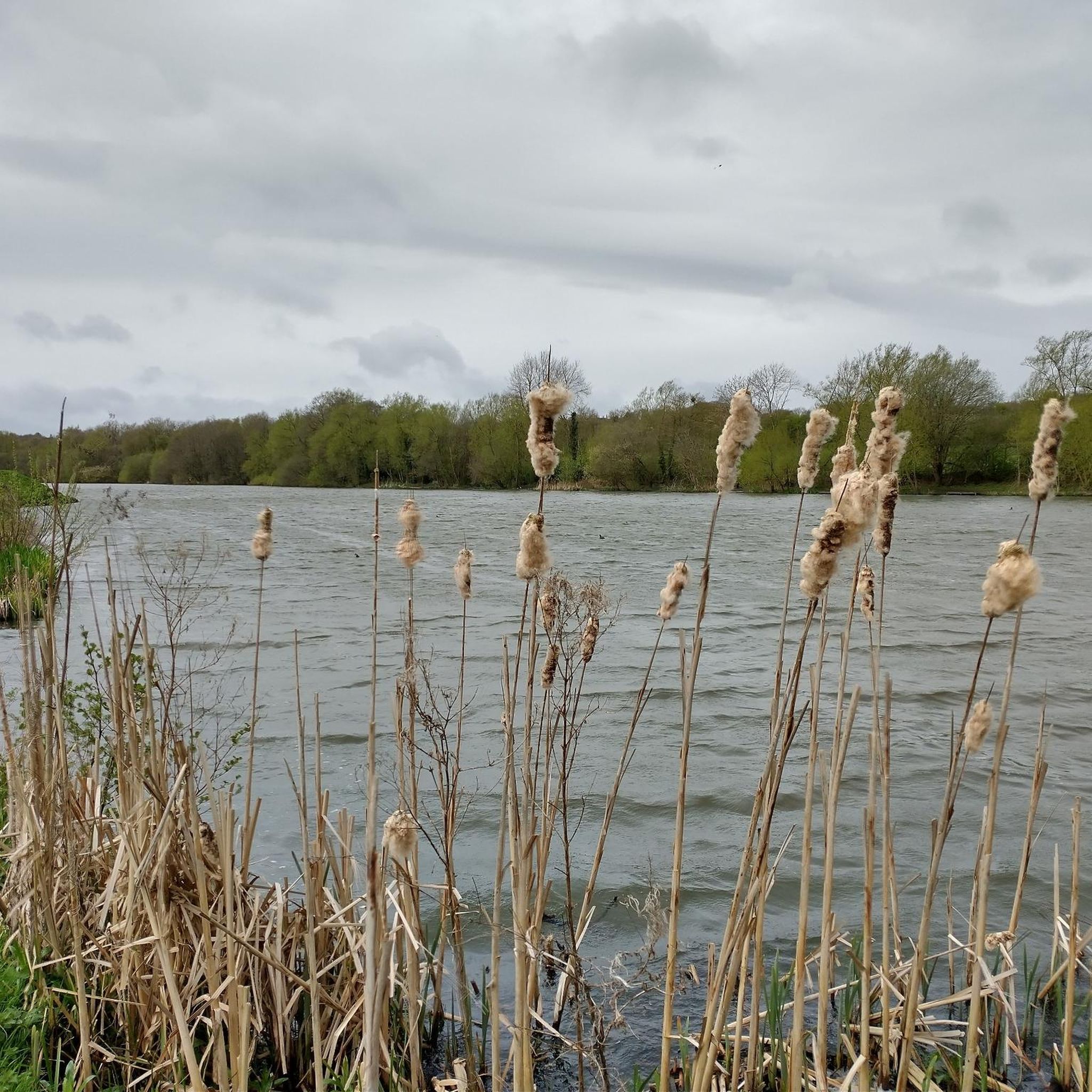
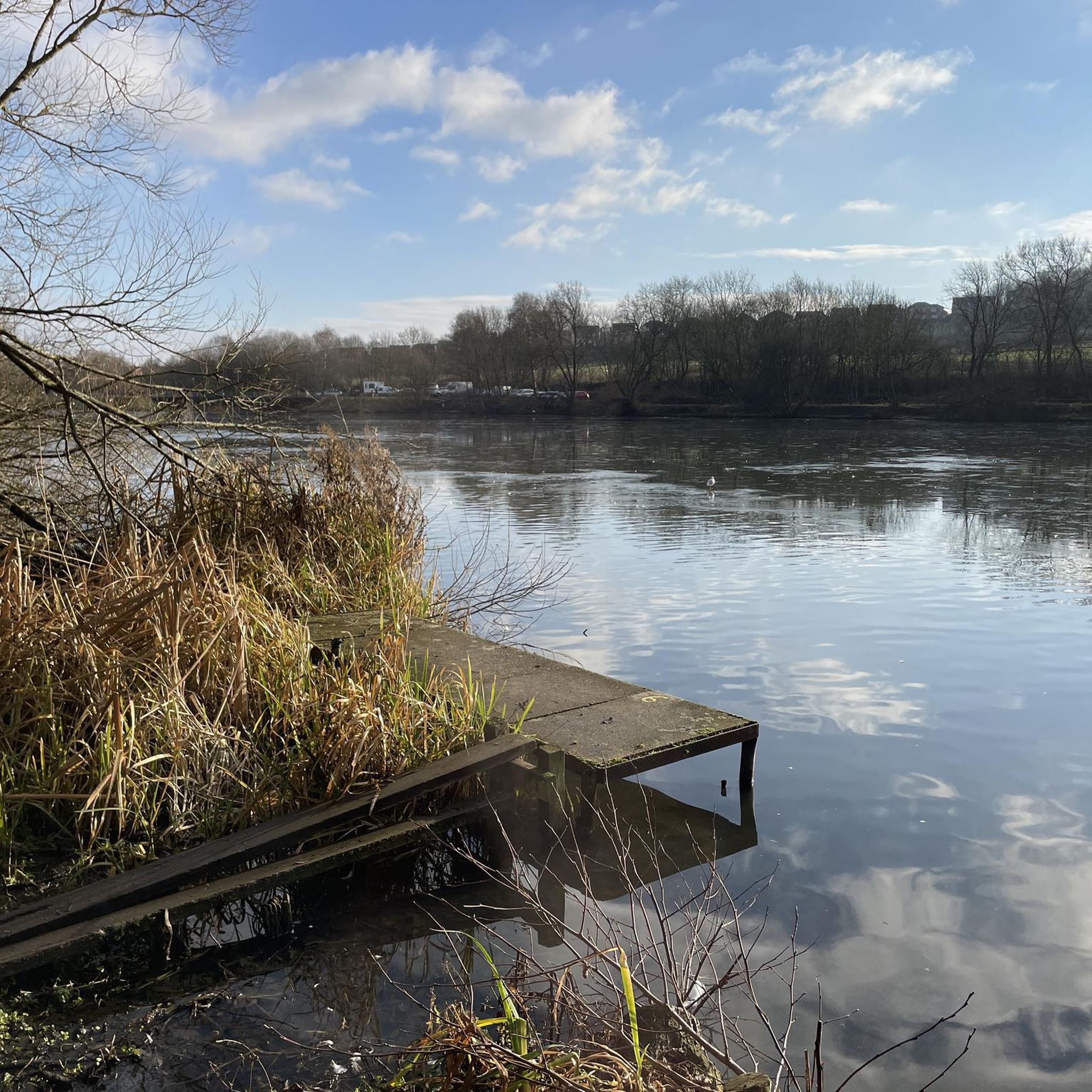
Wyver Lane Nature Reserve is a superb spot for an amble, particularly for wildlife lovers. It comprises two pools surrounded by reed beds and water meadows. It's an important wetland site and home to Canada geese, tufted ducks, little grebes, while large numbers of gulls visit in winter. The reserve is also home to otters, a glorious sight.
1
0


A lovely little nature reserve worth walking through on a hiking route :)
1
0
Frequently Asked Questions
What are some popular natural monuments to visit around Ironville CP CP?
Visitors frequently enjoy Wyver Lane Nature Reserve, known for its wetland habitats and diverse wildlife. Other popular spots include Belper River Gardens and the Stone Bridge, which combines natural beauty with industrial heritage, and Loscoe Dam, an ancient lake popular for wildlife observation.
Are there family-friendly natural monuments in the Ironville CP CP area?
Yes, several natural monuments are suitable for families. Wyver Lane Nature Reserve offers easy walks and birdwatching opportunities. Belper River Gardens and the Stone Bridge provides a pleasant setting along the River Derwent. Additionally, the Young People's Forest at Mead is an extensive area being reforested, offering space for exploration.
What kind of wildlife can I expect to see at these natural sites?
The area is rich in wildlife. At Wyver Lane Nature Reserve, you can spot Canada geese, tufted ducks, little grebes, and otters. Erewash Nature Reserve is home to water voles, various water birds, grass snakes, amphibians, and a variety of insects and butterflies. Mapperley Reservoir is also excellent for birdwatching.
Are there any historical natural monuments or sites with historical significance?
Yes, the region blends natural beauty with rich history. St James' Church and Ancient Yew Tree, Papplewick features a 12th-century church and a 350-year-old yew tree. Belper River Gardens and the Stone Bridge is part of the Derwent Valley Mills UNESCO World Heritage Site, showcasing the area's industrial past. Loscoe Dam is an ancient lake with a history of providing resources for local industry and nobility.
What outdoor activities can I do near the natural monuments around Ironville CP CP?
You can enjoy various outdoor activities. For hiking, explore routes like the 'Codnor Park Canal Bridge – Codnor Park Reservoir loop' or the 'Erewash Nature Reserve – Jacksdale Old Stone Bridge loop'. Running enthusiasts can try the 'Swanwick Baptist Church – The Steampacket Free House loop'. Cycling options include the 'Mapperley Reservoir – Shipley Country Park loop'. Find more details on these activities in the easy hikes, running trails, and road cycling routes guides for the area.
What is Erewash Nature Reserve known for?
Erewash Nature Reserve is recognized as the largest area of floodplain and grassland within the Erewash Valley. It's managed by the Derbyshire Wildlife Trust and features ponds, wet sections of a canal, and meadows. It's an excellent spot for observing water voles, various water birds, grass snakes, amphibians, and a rich diversity of insects and wildflowers.
What can I expect to see at Mapperley Reservoir?
Mapperley Reservoir is a tranquil body of water surrounded by bluebell woodlands and rolling farmland. It's an ideal location for wildlife spotting, especially birdwatching, and offers a peaceful setting. The area also contains interesting remnants of the region's coal mining heritage, blending natural beauty with historical elements.
Are there easy hiking routes suitable for beginners near Ironville CP CP's natural monuments?
Yes, there are several easy hiking routes. For example, you can try the 'Codnor Park Canal Bridge – Codnor Park Reservoir loop' which is just over 1 km, or the 'Codnor Park Reservoir – Codnor Park Canal Bridge loop' at around 3.6 km. These routes offer gentle terrain suitable for beginners. You can find more options in the easy hikes guide.
What is the best time of year to visit the natural monuments?
Spring and summer are particularly vibrant for visiting the natural monuments, as wildflowers bloom and many species of birds and insects are active. This is when Erewash Nature Reserve, for instance, is a haven for grass snakes, amphibians, and dragonflies. However, the tranquil settings of places like Mapperley Reservoir and Loscoe Dam can be enjoyed year-round for peaceful walks and wildlife observation.
Can I bring my dog to the natural monuments?
Many natural areas are dog-friendly, especially on marked trails and paths. However, specific rules can vary for nature reserves to protect wildlife. For example, at Wyver Lane Nature Reserve, dogs are generally welcome on the lane but access to the reserve itself might be restricted. It's always best to keep dogs on a lead and check local signage at each specific location to ensure compliance with any regulations.
Where can I find parking when visiting these natural monuments?
While specific parking details for each natural monument are not always available, many popular sites and nature reserves typically have designated parking areas nearby. For locations like Belper River Gardens, parking can often be found within the nearby town. For more remote natural areas, roadside parking might be an option, but always ensure you park responsibly and legally.
Are there cafes or pubs near the natural monuments for refreshments?
Yes, particularly in more developed areas. For instance, the town of Belper, near Belper River Gardens, offers plenty of places to eat and drink. For other natural monuments, you might find local pubs or cafes in nearby villages. It's a good idea to check for amenities in the closest towns or villages before your visit.
Most popular routes around Ironville CP CP
Most popular attractions around Ironville CP CP

Get inspired with the komoot mobile app


Explore more
Extend your search for the best caves by checking out these guides of the top ones around Ironville CP CP:
