Top 7 Natural Monuments around Hayton
Best natural monuments around Hayton, a village in Cumbria, England, are situated amidst a natural environment. The area features diverse landscapes, including woodlands, river valleys, and historical sites. These natural features offer opportunities for outdoor activities and exploration. Hayton serves as a base for accessing various natural attractions.
Best natural monuments around Hayton
- The most popular natural monuments is Millington Wood Nature Reserve, a forest that is a Local Nature Reserve with a distinctive chalk landscape. This historic woodland…
Last updated: June 29, 2026
Millington Wood Nature Reserve
Highlight • Forest
Tip by

Kiplingcotes Chalk Pit Nature Reserve
Highlight • Natural Monument
Tip by
Sign up now to discover places like this
Get recommendations on the best single tracks, peaks, & plenty of other exciting outdoor places.
Sign up for free
Burnby Hall Gardens
Highlight • Structure
Pocklington is known for its red-roofed buildings and unusual street names. The …
Tip by

St. Helen's Well
Highlight • Natural Monument
Tip by

Rifle Butts Quarry Nature Reserve
Highlight • Historical Site
Tip by
Sign up for free to discover even more natural monuments around Hayton.
Sign up for free
Already have an account?
Start today with a free account
Your next adventure awaits.
Login or Signup
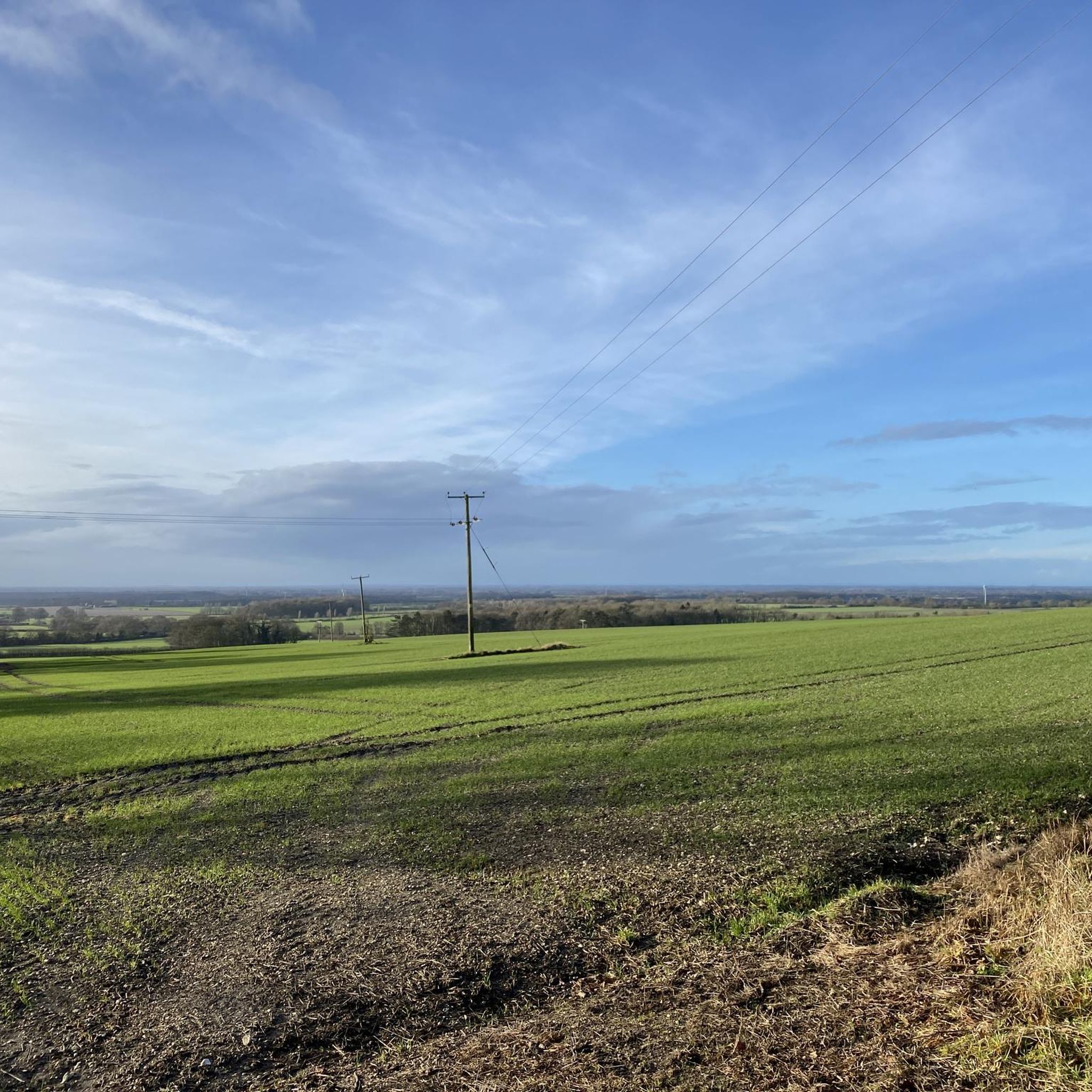
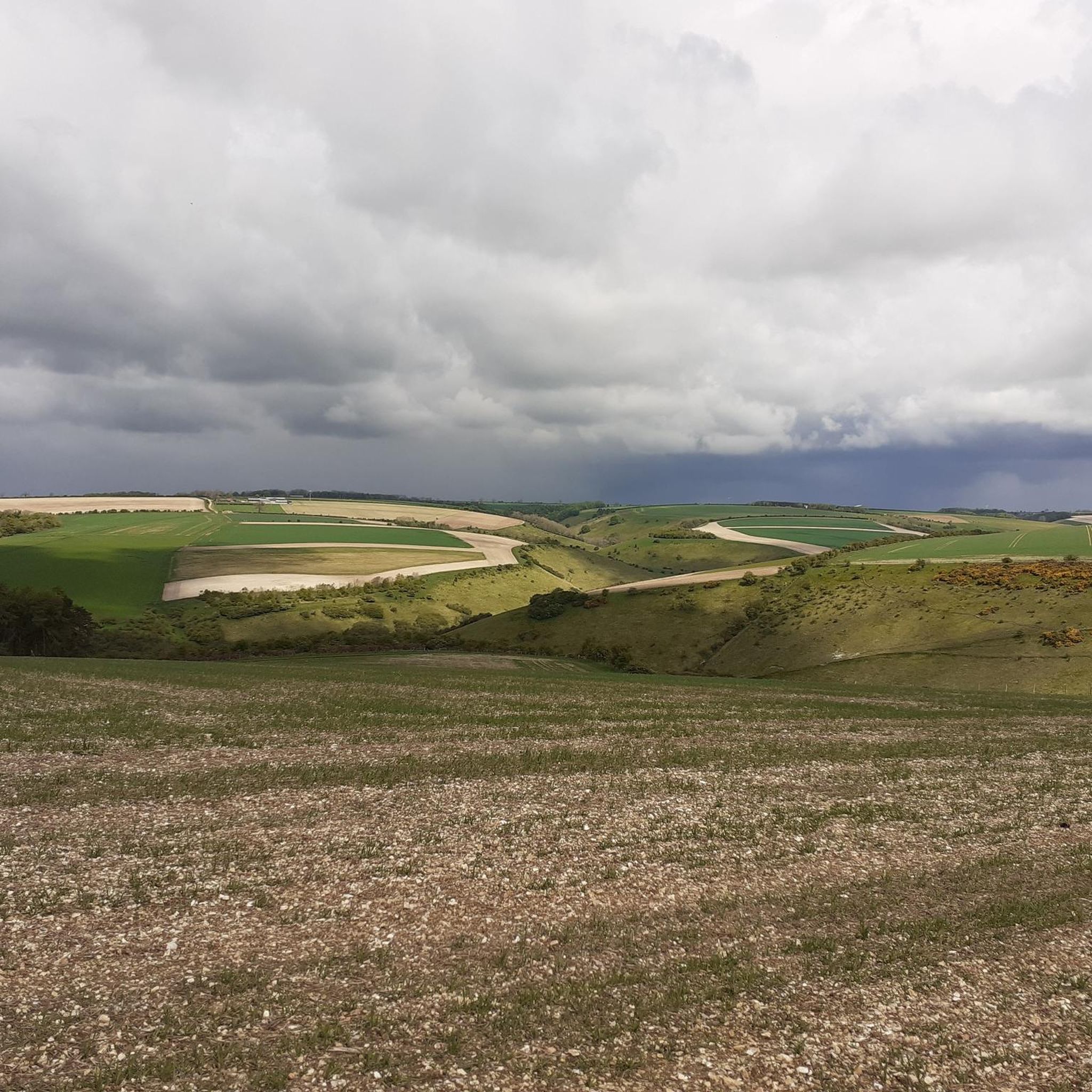
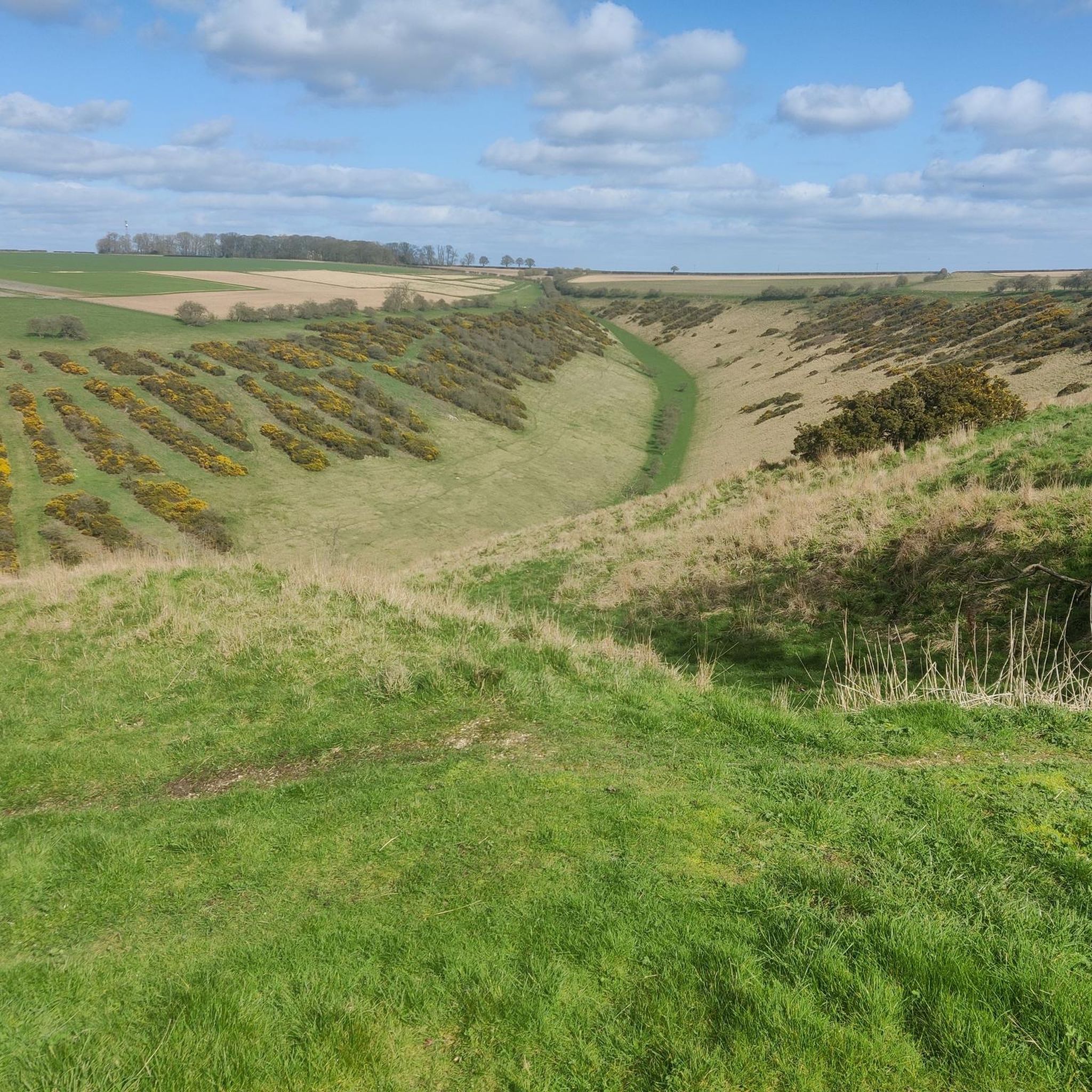
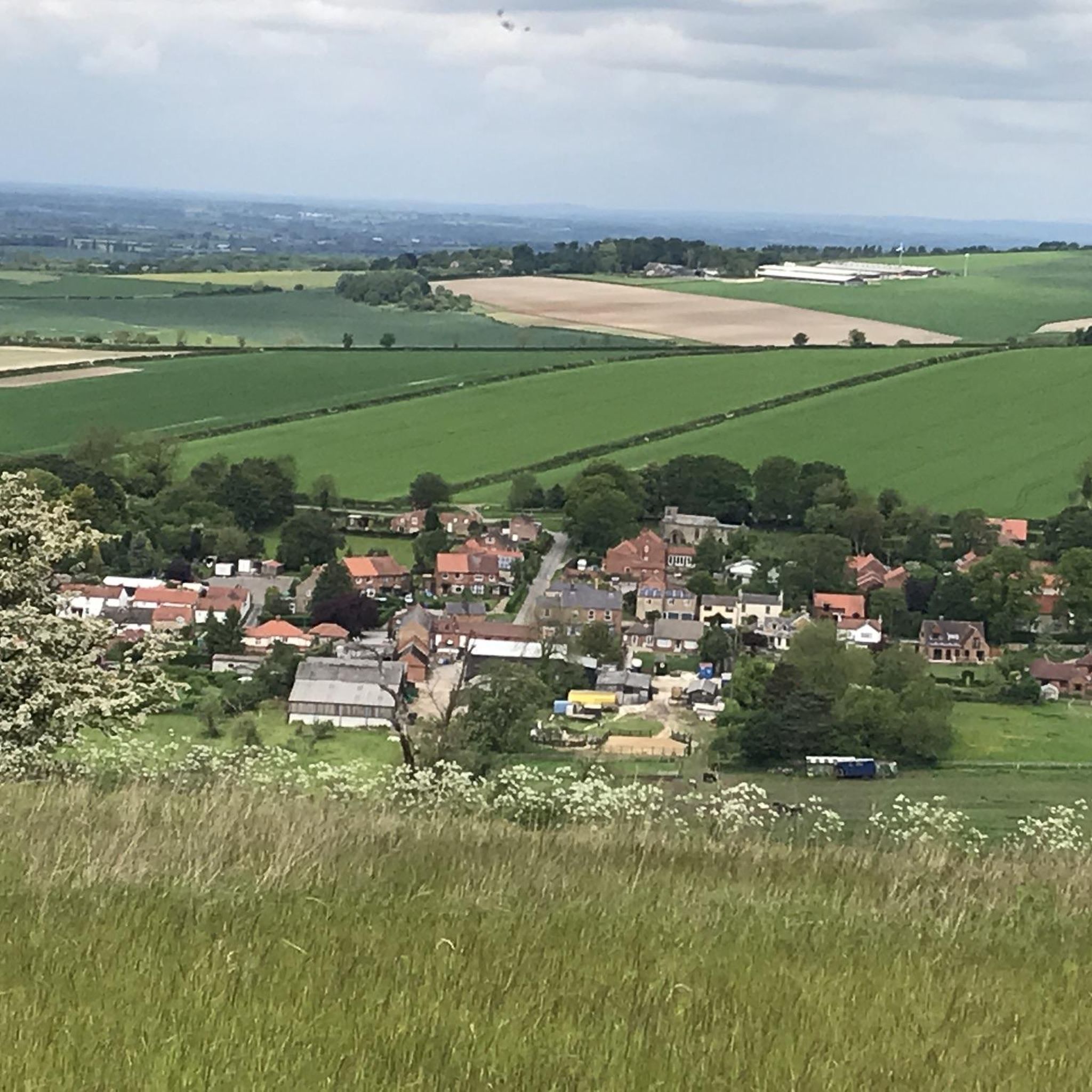
Tips from the Community

Parking for several cars, picnic benches a little bit shabby and decayed as of autumn 2025.
1
0
Natural spring and restored well - information board gives a good background to the site. Lots of ribbons tied on a tree for good luck, which is very reminiscent of the tanabata festival in Japan. The spring that feeds this well also causes the trail to become flooded and boggy in winter several metres past the well (heading east away from Market Weighton).
1
0
Maintained by the Yorkshire Wildlife Trust, Rifle Butts Quarry was created to provide stone for the construction of the railway line adjacent to the nature reserve. The site was then used as a rifle range from the 1890s to the First World War.
1
0

Pocklington is a classic English market town, located just 15 miles (24 km) from the city of York. Pocklington is known for its red-roofed buildings and unusual street names. The town has an array of independent shops and places to eat, and a number of attractions worth checking out. Among the town's treasures lies Burnby Hall Gardens, a horticultural haven often referred to as the 'jewel in Yorkshire's crown' – a mandatory stop for anyone visiting.
2
0

You can find picnic benches at the car park
1
0


The route from Beverley is excellent and the roads are extremely quiet
0
0

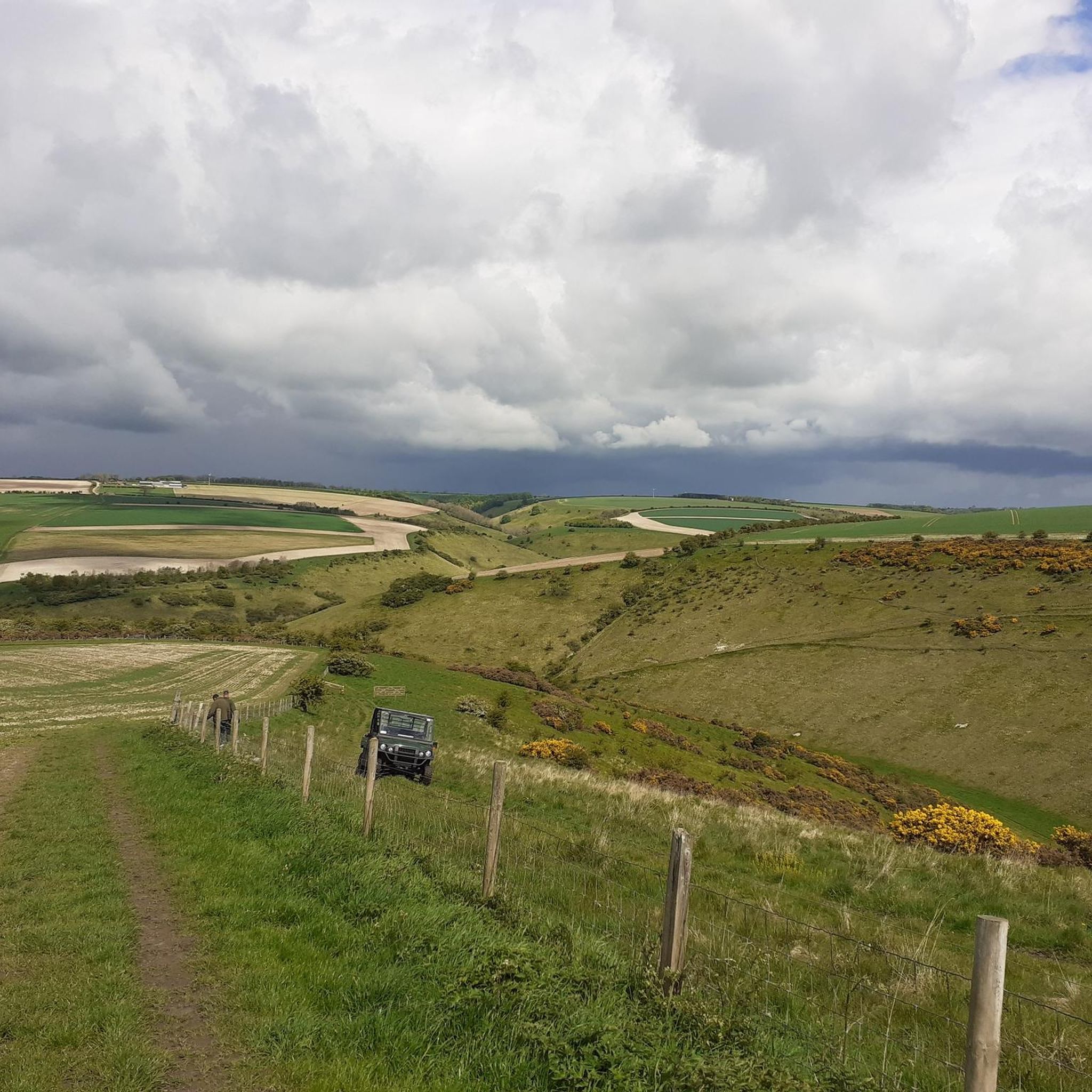
Historic woodland dating back to 1086, Millington Wood is a Local Nature Reserve with distinctive chalk landscape. The woods are a delight in every season: bluebells and ramsons carpet the forest floor in spring, autumn paints the leaves golden and red, and giant bellflowers grow up to 6 feet (1.8 metres) in summer. You can access the woods at all times.
3
0
Frequently Asked Questions
What types of natural features can I explore around Hayton?
Hayton and its surroundings offer a diverse range of natural features. You can explore ancient woodlands like Hayton Wood and Gelt Woods, which feature a gorge woodland and a Site of Special Scientific Interest (SSSI). The area is also home to the River Eden, known for its rich aquatic life and scenic valley. Additionally, you'll find unique geological formations such as the chalk landscape at Millington Wood Nature Reserve and the disused quarry at Kiplingcotes Chalk Pit Nature Reserve.
Are there any historical natural monuments in the Hayton area?
Yes, the region boasts several natural monuments with historical significance. Gelt Woods, for instance, features a Roman quarry that supplied stone for Hadrian's Wall, with chisel marks still visible. Millington Wood Nature Reserve is an historic woodland dating back to 1086. You can also visit St. Helen's Well, a natural spring and restored well with an information board detailing its background. Rifle Butts Quarry Nature Reserve was created for railway construction and later used as a rifle range.
What are some family-friendly natural monuments to visit near Hayton?
For families, Millington Wood Nature Reserve is a great choice, offering opportunities for exploration and wildlife spotting. It also has picnic benches near the car park. Burnby Hall Gardens, a horticultural site with lakes, is another family-friendly option known for its beautiful gardens near Pocklington.
Where can I go for walks and hikes near Hayton's natural monuments?
The area around Hayton offers numerous walking opportunities. You can find various paths through Gelt Woods and along the River Gelt, combining natural beauty with ancient history. The Eden Valley, through which the River Eden flows, also provides many riverside walks. For specific routes, you can explore options like the 'Pasture Dale – Millington Wood Nature Reserve loop' or the 'Burnby Hall Gardens – Burnby Church loop' which are available in the cycling guides around Hayton.
What wildlife can I expect to see at the natural monuments around Hayton?
The natural areas around Hayton are rich in wildlife. In Hayton Wood and Gelt Woods, you might spot pheasants and various woodland birds. Gelt Woods is also home to rare species of moss and liverworts. The River Eden and its habitats support Atlantic salmon, otters, and various lamprey species. At Kiplingcotes Chalk Pit Nature Reserve, you can find butterflies, long-tailed field mice, goldfinches, and yellowhammers, and in winter, Hebridean sheep and Exmoor ponies graze there.
Are there any unique geological formations or natural phenomena to see?
Yes, the region features several interesting geological formations. Millington Wood Nature Reserve is characterized by a distinctive chalk landscape. Kiplingcotes Chalk Pit Nature Reserve is a disused quarry now recognized for its chalk grassland. Gelt Woods features a significant gorge woodland, and the River Eden has unique sandstone formations like Lacy's Caves carved into its banks.
What is the best time of year to visit the natural monuments around Hayton?
The natural monuments around Hayton offer different displays throughout the seasons. Millington Wood Nature Reserve is particularly beautiful in spring when bluebells and ramsons carpet the forest floor, and in autumn when the leaves turn golden and red. Summer brings giant bellflowers. While many sites are accessible year-round, be aware that the trail past St. Helen's Well can become flooded and boggy in winter.
Can I find places to cycle near these natural monuments?
Absolutely. The area around Hayton is well-suited for cycling. You can find various routes, including road cycling and touring bicycle options. For example, there are routes like the 'Goodmanham Wold – Millington Dale Road loop' for road cyclists or the 'Burnby Hall Gardens – Melbourne Arms loop'. You can find more detailed cycling routes in the cycling guides around Hayton and road cycling guides around Hayton.
Are there any notable gardens or horticultural sites in the vicinity?
Yes, Burnby Hall Gardens is a prominent horticultural haven near Pocklington, often referred to as the 'jewel in Yorkshire's crown'. Within Hayton village itself, the village gardens are known for hosting one of the oldest walnut trees in the country, alongside remnants of damson orchards, contributing to the village's picturesque appeal.
What do visitors particularly enjoy about the natural monuments in this region?
Visitors appreciate the diverse natural beauty and historical depth of the area. They enjoy the seasonal changes in woodlands like Millington Wood Nature Reserve, the unique wildlife spotting opportunities at places like Kiplingcotes Chalk Pit Nature Reserve, and the blend of nature and history found in Gelt Woods with its Roman quarry. The tranquil atmosphere of sites like St. Helen's Well is also a highlight for many.
Are there running trails available near the natural monuments?
Yes, there are several running trails in the area. You can find routes such as the 'Burnby Hall Gardens – Whisk Café loop' or the 'Chapman & Craddock Gate loop'. For more options, refer to the running trails guide around Hayton.
What are the River Eden's unique features near Hayton?
The River Eden, situated near Hayton, is celebrated as one of Northern England's premier salmon and trout rivers. Its valley is characterized by lush green countryside, perfect for riverside walks. Along its course, you can discover intriguing points of interest such as Lacy's Caves, which are carved directly into the sandstone riverbank, and the Eden Benchmarks, a series of distinctive sculptures set in dramatic locations. The river is also ecologically significant, supporting a rich variety of aquatic plants and animals.
Most popular attractions around Hayton

Get inspired with the komoot mobile app


Explore more
Extend your search for the best caves by checking out these guides of the top ones around Hayton:
