Top 3 Natural Monuments around Wold Newton
Wold Newton’s landscape is a beautiful place to explore — something that you can best experience by visiting one of our 3
beautiful natural monuments around Wold Newton. To help you find the one for, you can see all the details you need to explore the best natural monuments, and better plan your next outdoor adventure!
Last updated: June 29, 2026
Rudston Monolith
Highlight • Natural
Tip by

Yorkshire Wolds Way End Monument
Highlight • Monument
Tip by

Sign up now to discover places like this
Get recommendations on the best single tracks, peaks, & plenty of other exciting outdoor places.
Sign up for free
Carr Naze Viewpoint
Highlight • Viewpoint
Tip by

View of Cayton Bay
Highlight • Natural Monument
Tip by

View of the Coastal Cliff
Highlight • Natural Monument
Translated by Google •
Tip by

Start today with a free account
Your next adventure awaits.
Login or Signup
Tips from the Community


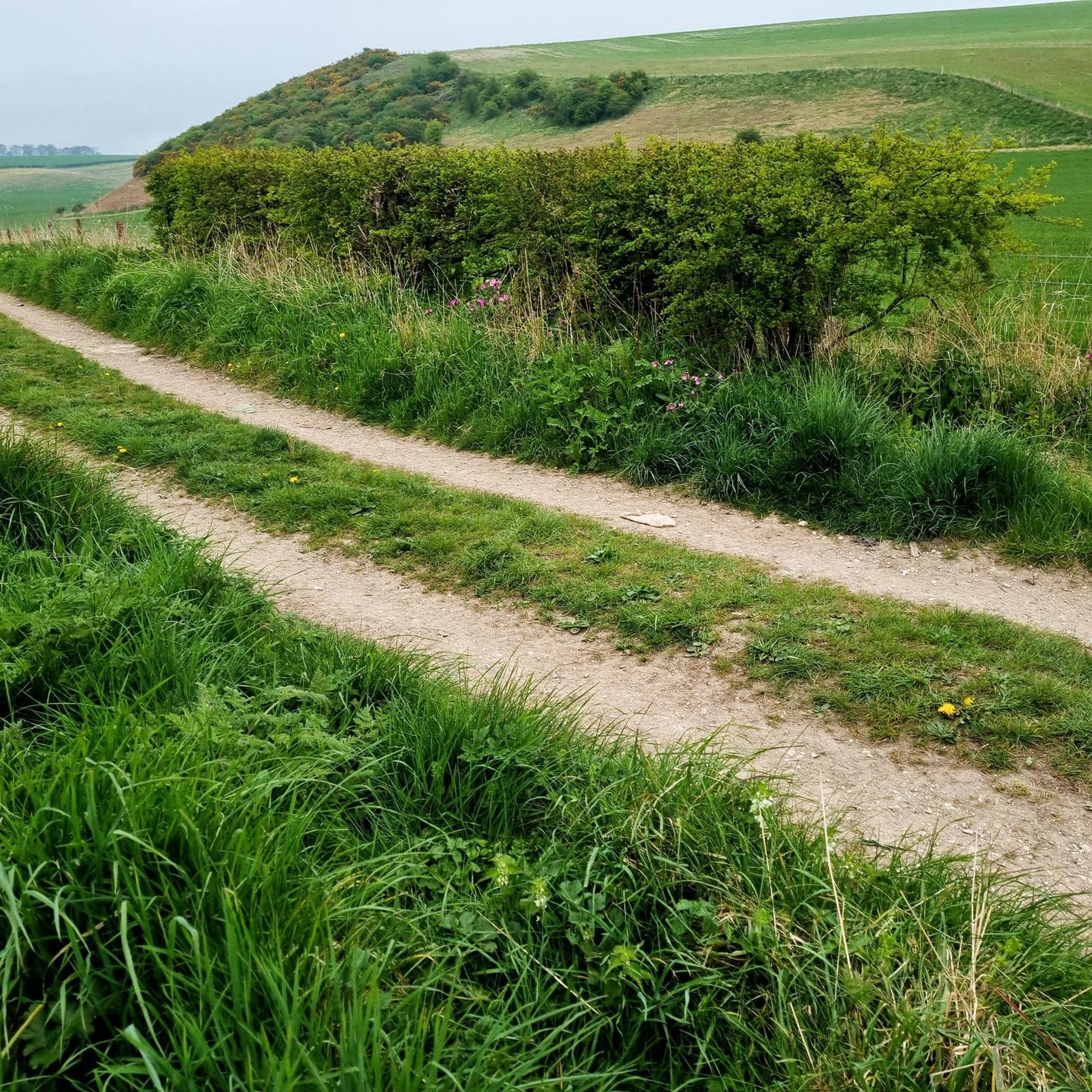
You'll need slightly wider tires to reach that spot, but even with about 30 mm you'll be fine. It's definitely worth a look.
0
0

The Rudston monolith is the tallest prehistoric standing stone in Britain, measuring almost 8 metres high, nearly 2 metres wide, a metre thick and estimated to weigh somewhere in the region of a massive 26 tons. This giant block of grey sandstone or gritstone was errected here either in the late Neolithic or early Bronze Age and is thought to have been quarried more than 10 miles away in the Cayton Bay area south of Scarborough, although the glacial transportation of a large block of stone that was then shaped and utilised by the prehistoric residents of the area cannot be ruled out. The top of the stone has been weathered and eroded into a fluted peak similar to the stones of the Devil's Arrows and a lead cap was first added to try to preserve it in the 18th century. The churchyard of All Saints that it stands in is of course much younger and although the christianisation of the site took place around 1100AD the stone had already stood here for at least 3000 years. The monolith stands close to the Gypsey Race, an occasional stream that flows along the floor of the Great Wold Valley from close to the barrow of Duggleby Howe in the east, past another pair of barrows at Wold Newton and Willie Howe before turning south past the Argham Henge and Cursus down to Rudston itself where it bends sharply and heads eastwards to the sea at Bridlington. The whole of the Gypsey Race landscape was obviously important in prehistoric times and holds a rich selection of sites, most of which have been destroyed or badly damaged by ploughing, including many round barrows, several long barrows, four cursuses and at least one henge. It continued to retain its importance into the historic period - a major Roman villa was discovered to the southwest of Rudston village. In the corner of the churchyard is a much smaller stone presumably brought here from a local barrow and also the remains of a double cist that was removed from a nearby barrow on Rudston Beacon by the antiquarian Canon Greenwell in the late 19th century.
0
0

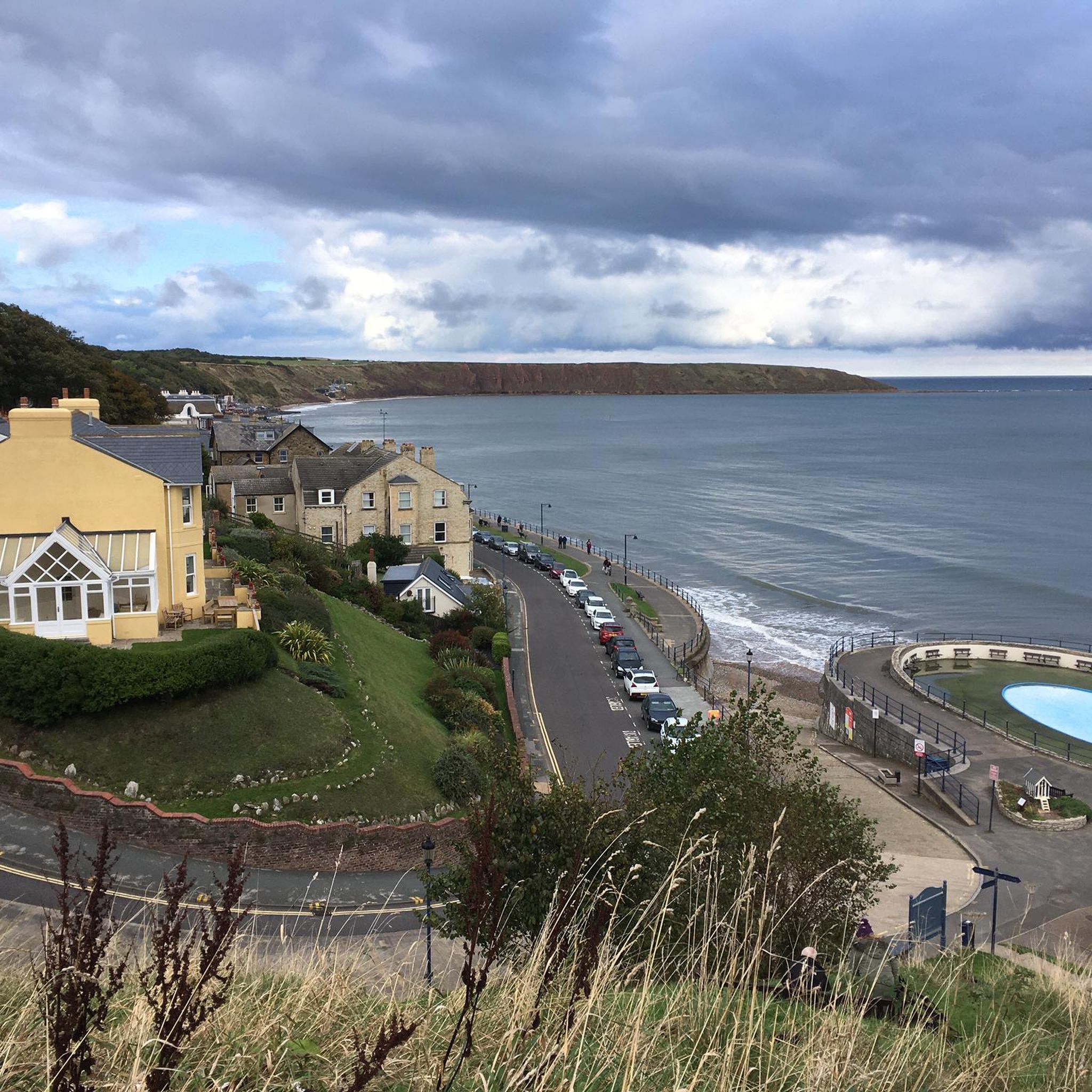
Nice view over the sea with several seats if you fancy a rest for a while.
0
0

Pretty Lily Pond, eheral, in the mist coming in from the sea
0
0

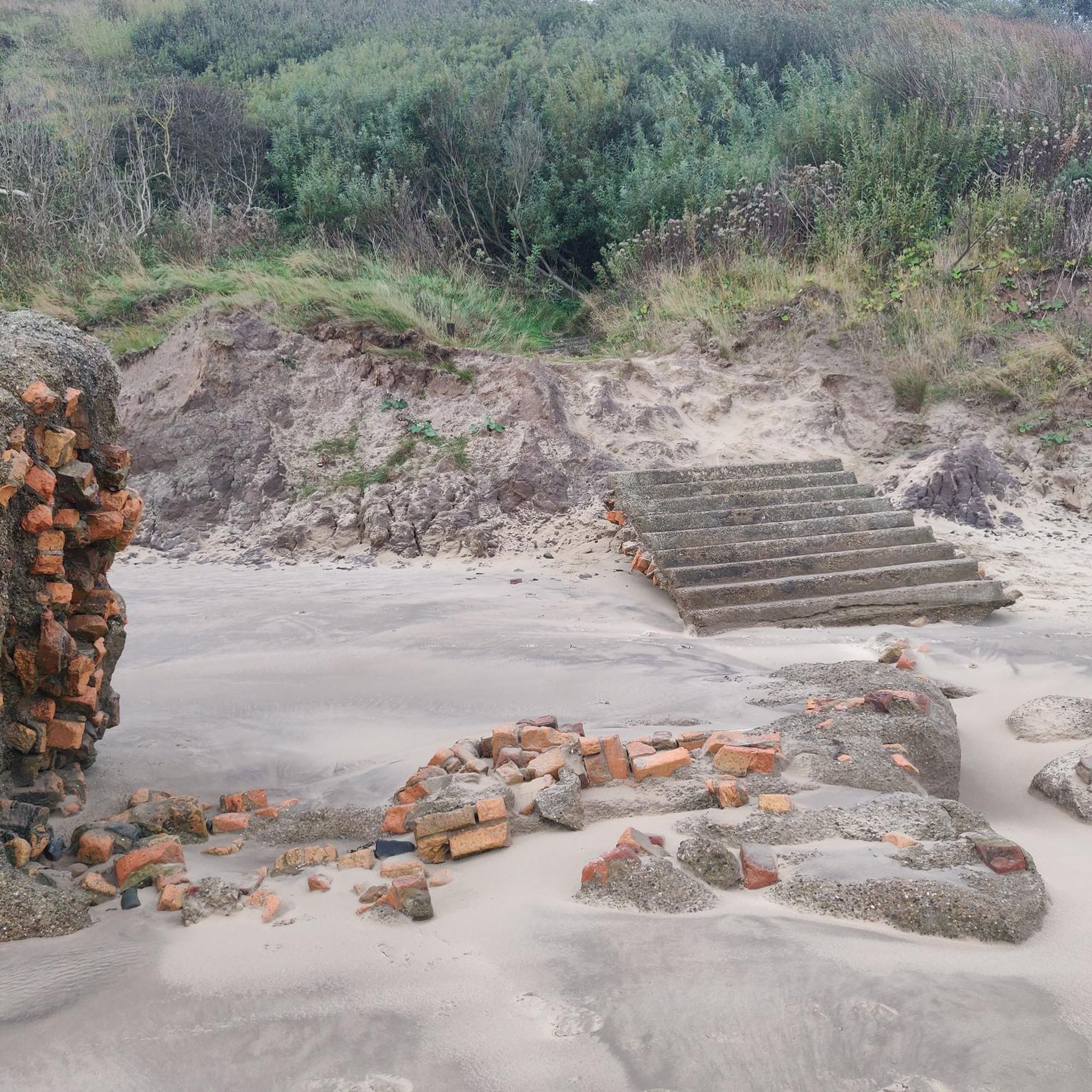
Not a significant waymarker as it’s worth pushing to the end of the cliff top before turning back, the views are worth it!
0
0

Situated in the churchyard in the village of Rudston, this monolith, which stands at over 25 feet, is the tallest megalith in the United Kingdom.
0
0
Most popular attractions around Wold Newton

Get inspired with the komoot mobile app


Explore more
Extend your search for the best caves by checking out these guides of the top ones around Wold Newton:
