Top 20 Natural Monuments in South Oxfordshire
Best natural monuments in South Oxfordshire showcase a diverse landscape of rolling chalk hills, ancient woodlands, and the meandering River Thames. This region is characterized by its prominent natural features, many of which hold historical significance and offer expansive views. Visitors can explore iconic hills, serene nature reserves, and riverside paths that highlight the area's rich ecological value. The natural monuments here provide opportunities for outdoor activities amidst varied ecosystems.
Best natural monuments in South Oxfordshire
- The most popular natural…
Last updated: October 15, 2026
Wittenham Clumps
Highlight • Natural Monument
Tip by

Watlington Hill
Highlight • Forest
Tip by

Sign up now to discover places like this
Get recommendations on the best single tracks, peaks, & plenty of other exciting outdoor places.
Watlington White Mark
Highlight • Natural Monument
Tip by
Old Kiln Lakes Wetland Habitat
Highlight • Natural
Tip by

Day's Lock
Highlight • Structure
Tip by

Cowleaze Wood Bluebells
Highlight (Segment) • Forest
Tip by
Little Wittenham Wood
Highlight • Forest
Tip by

Wetlands Watch Hide
Highlight • Viewpoint
Tip by
Hartslock Nature Reserve
Highlight • Viewpoint
Tip by

View of Stokenchurch Gap
Highlight • Natural Monument
The cutting is mainly through the Upper Chalk, with some Middle Chalk seen at its base. The cutting is a Site of Special Scientific Interest of geological importance. …
Tip by
Sign up for free to discover even more natural monuments in South Oxfordshire.
Already have an account?
Start today with a free account
Your next adventure awaits.
Popular around South Oxfordshire
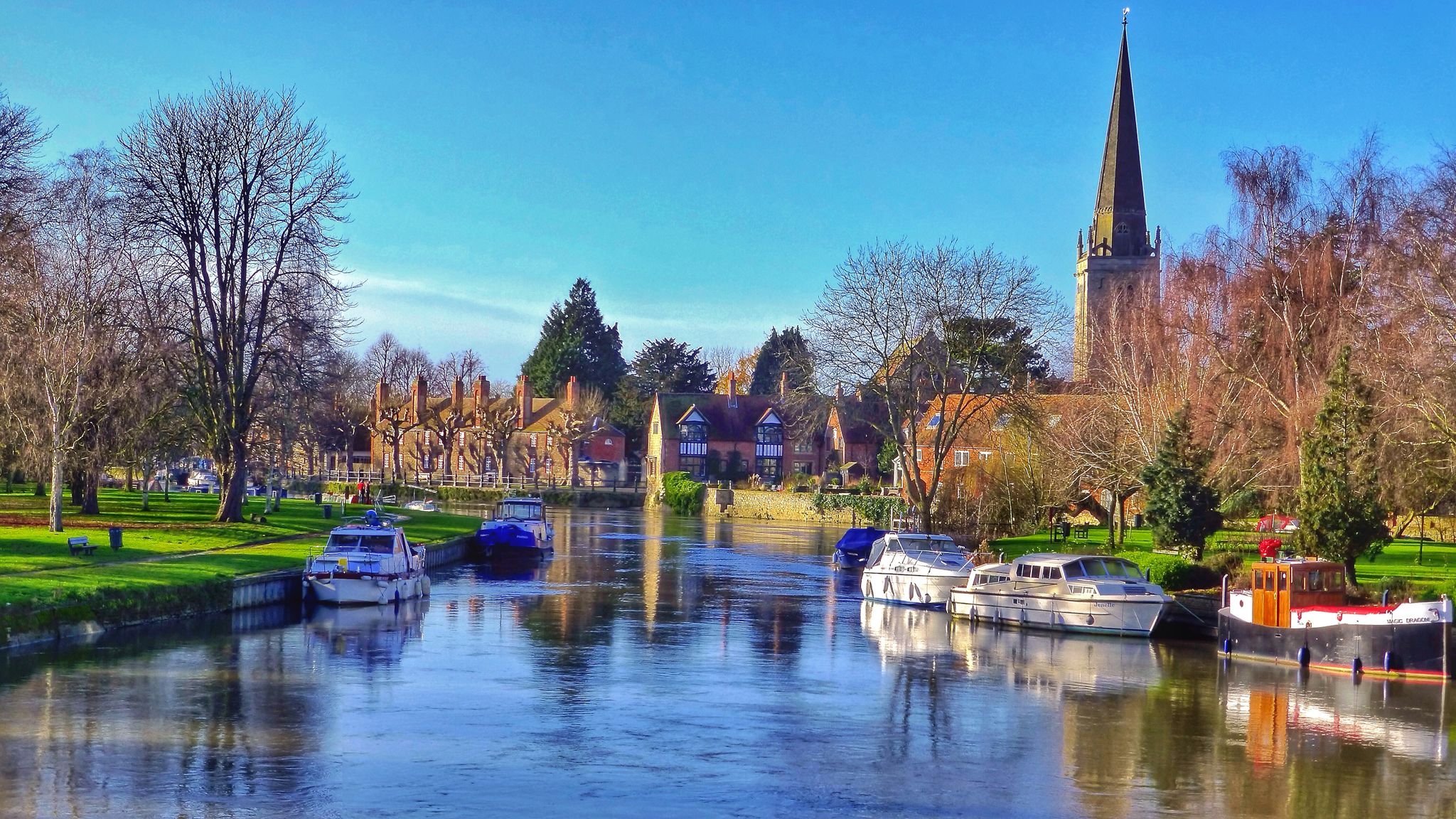
Hiking the Oxford Green Belt Way — Rivers, abbeys, manors and woods
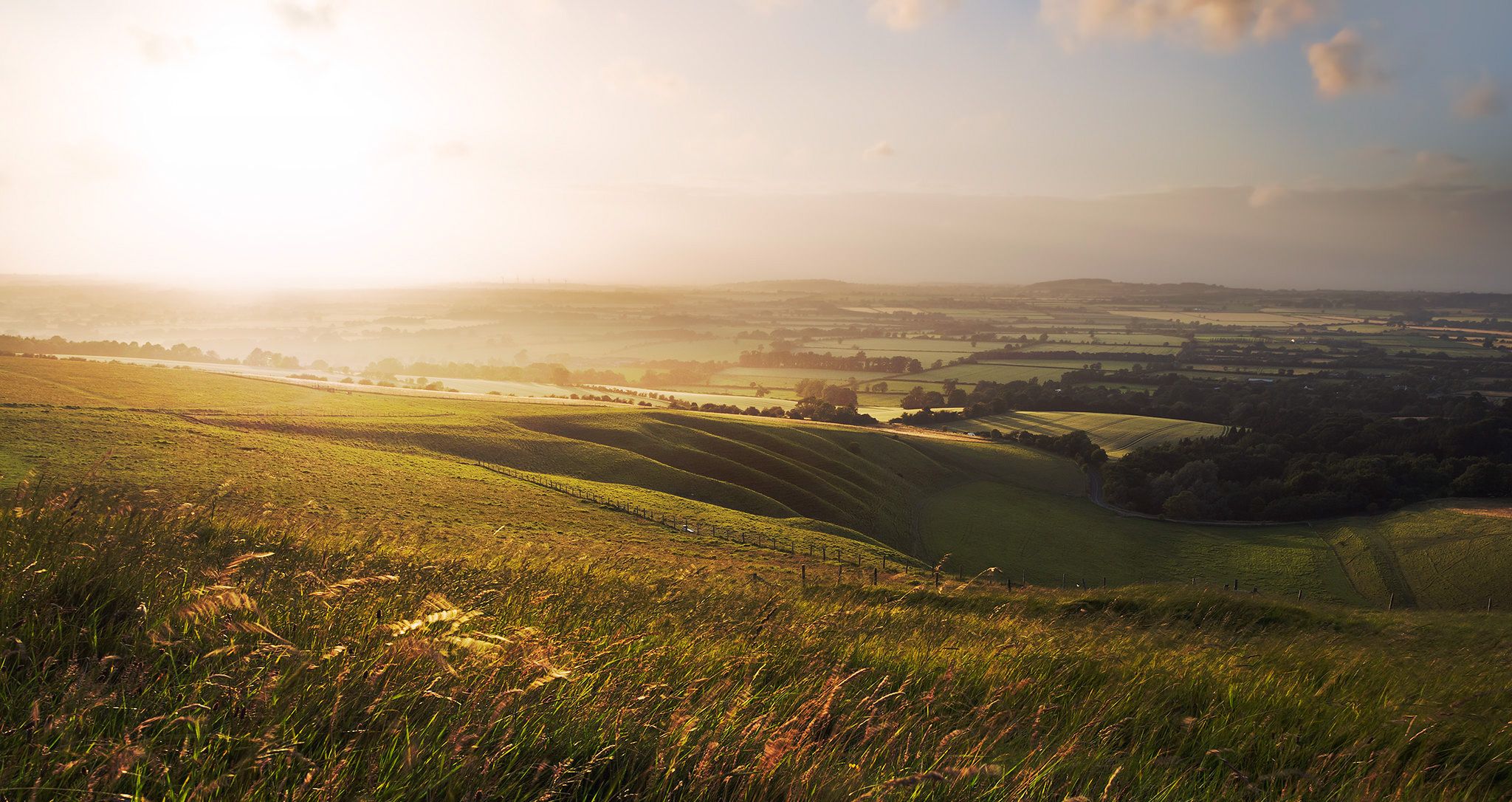
Hiking the Greater Ridgeway — Following Roman roads across England
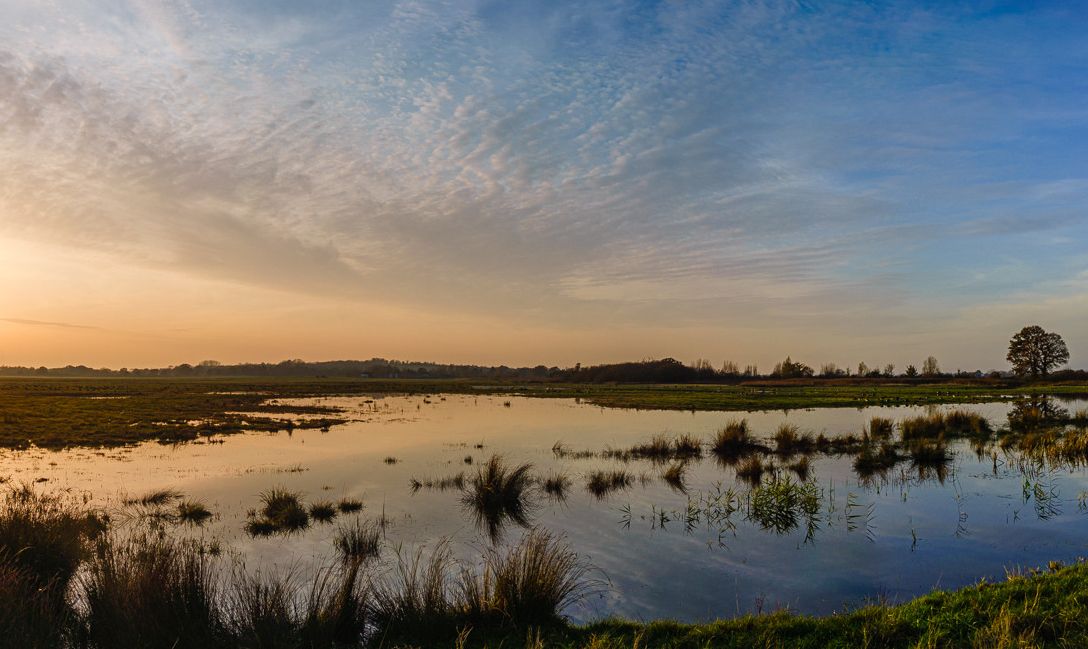
Oxfordshire Way — An idyllic walk in the heart of rural England
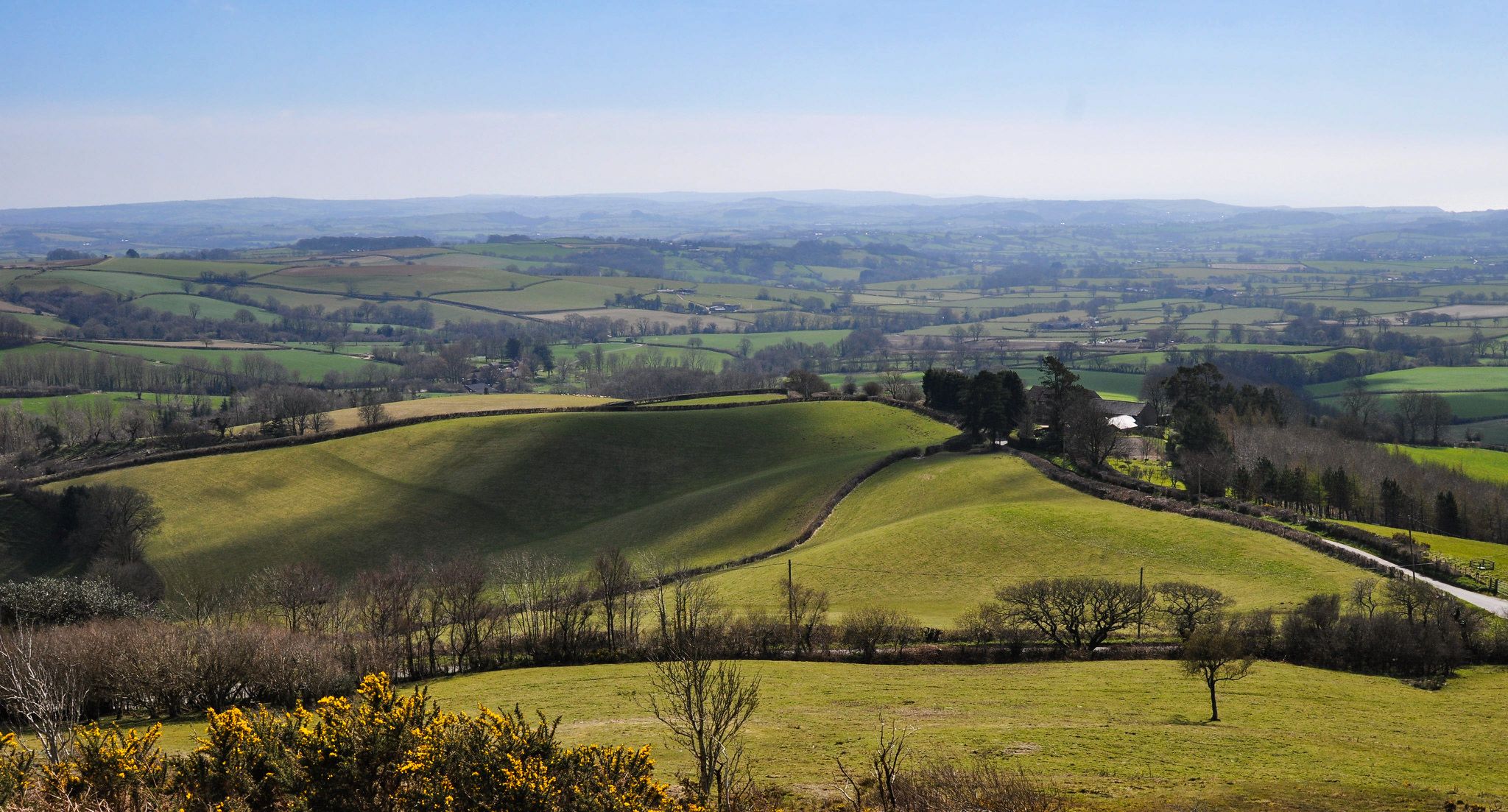
Hiking the Orange Way — Southern England in the footsteps of a king
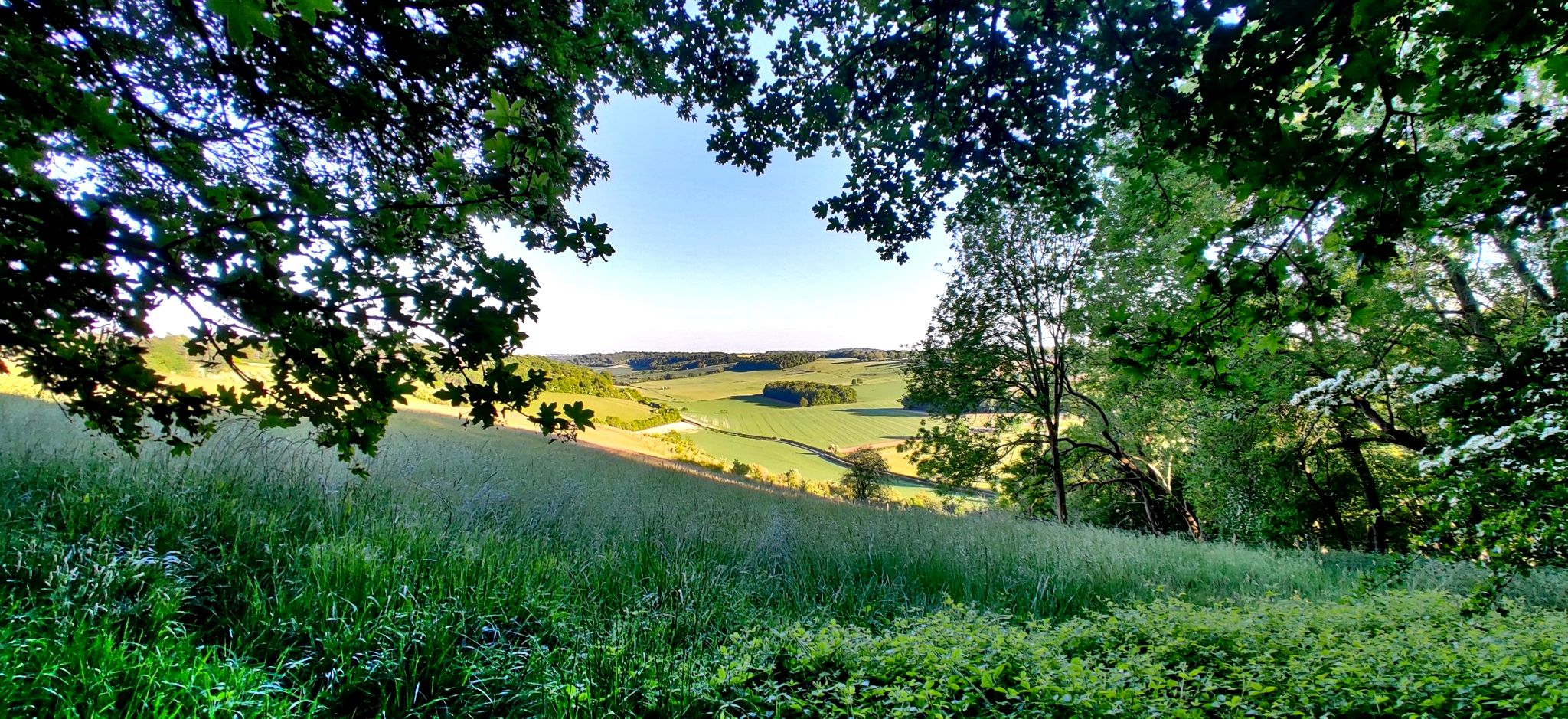
Chiltern Way — Hike some of the prettiest scenery in England

Cycle the Greater Ridgeway Trail — English Channel to North Sea
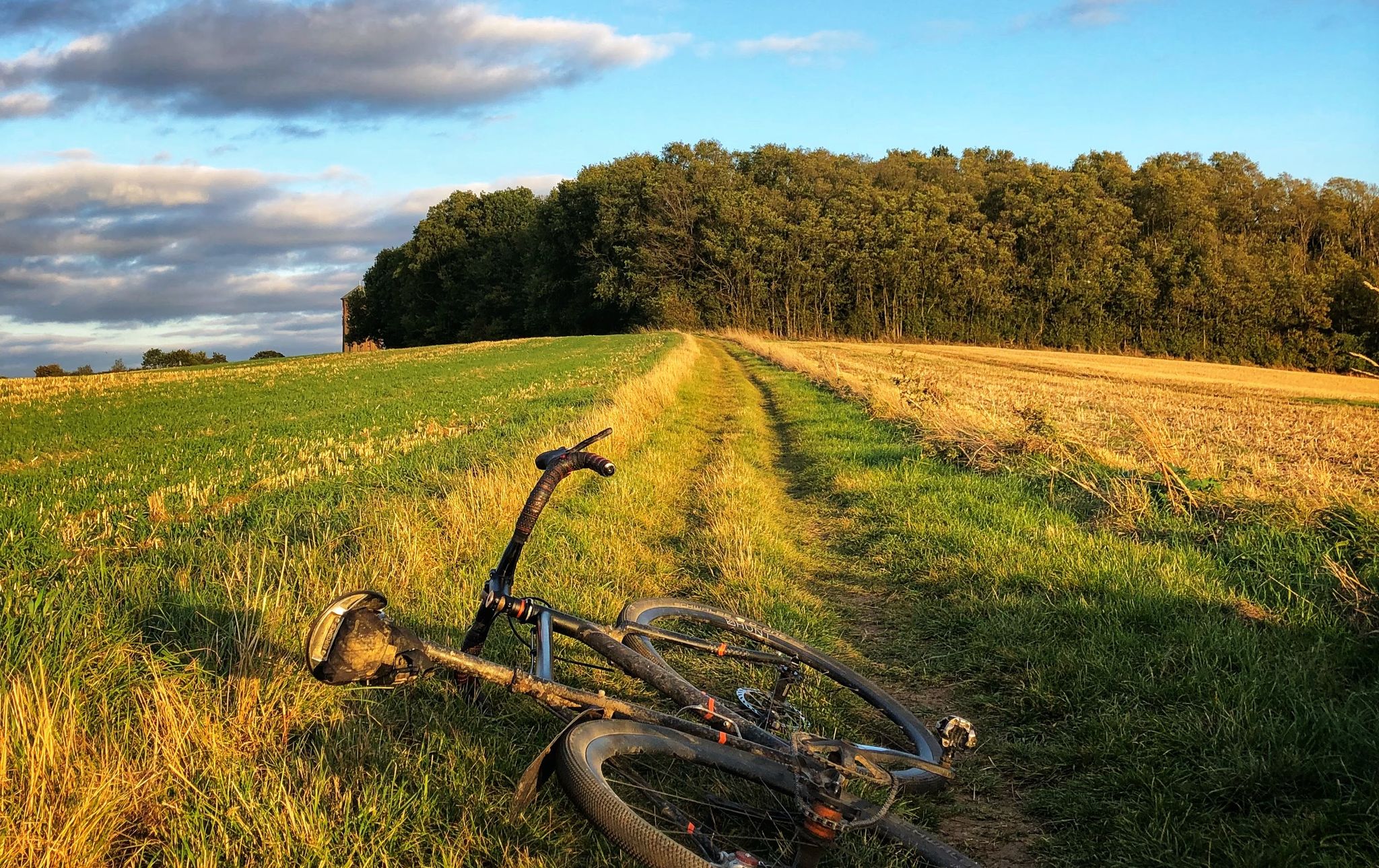
Icknield Way Trail — Ancient bridleways of Central England
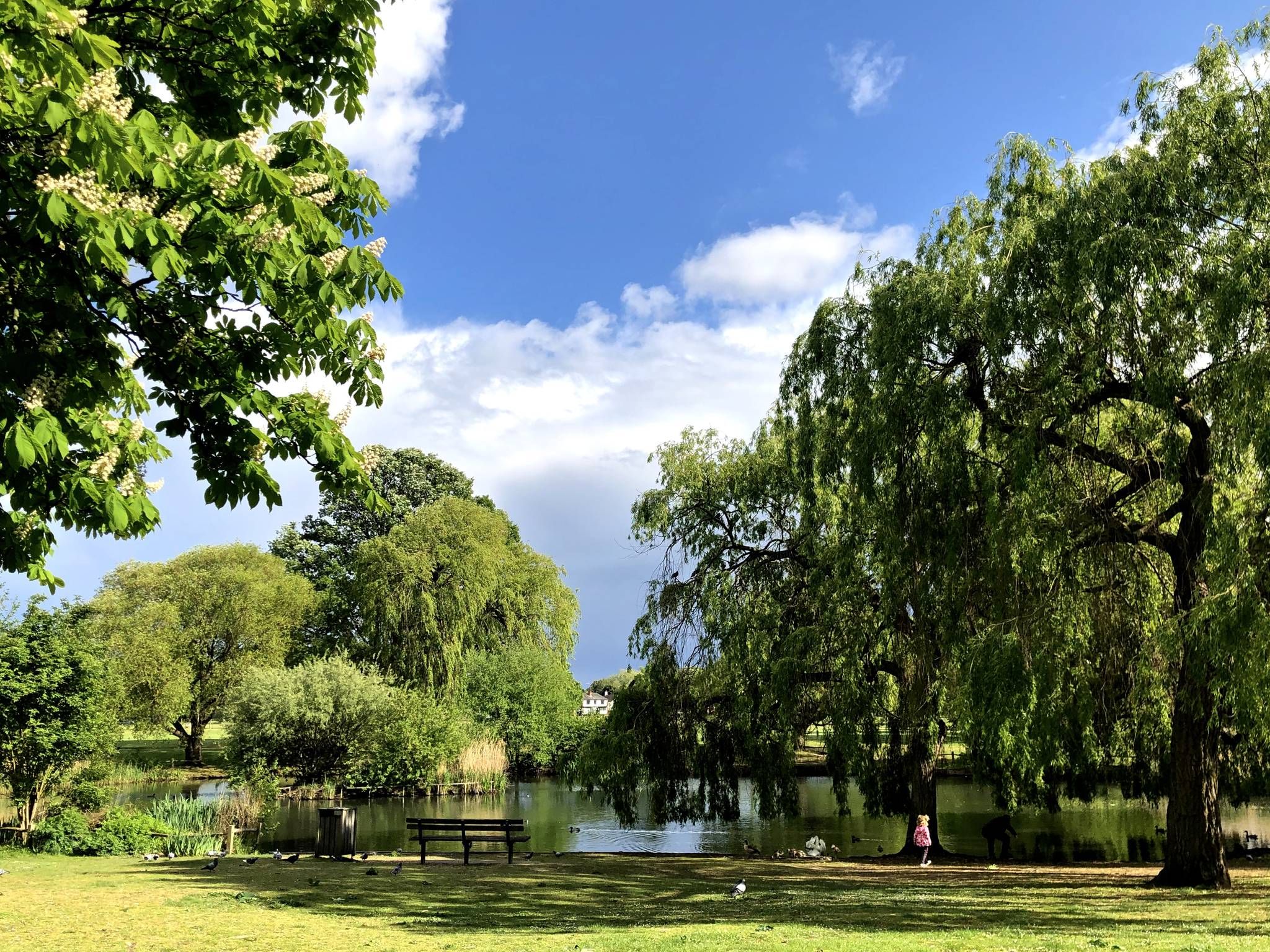
Thames Valley Cycle Route – Where red deer roam & history comes alive
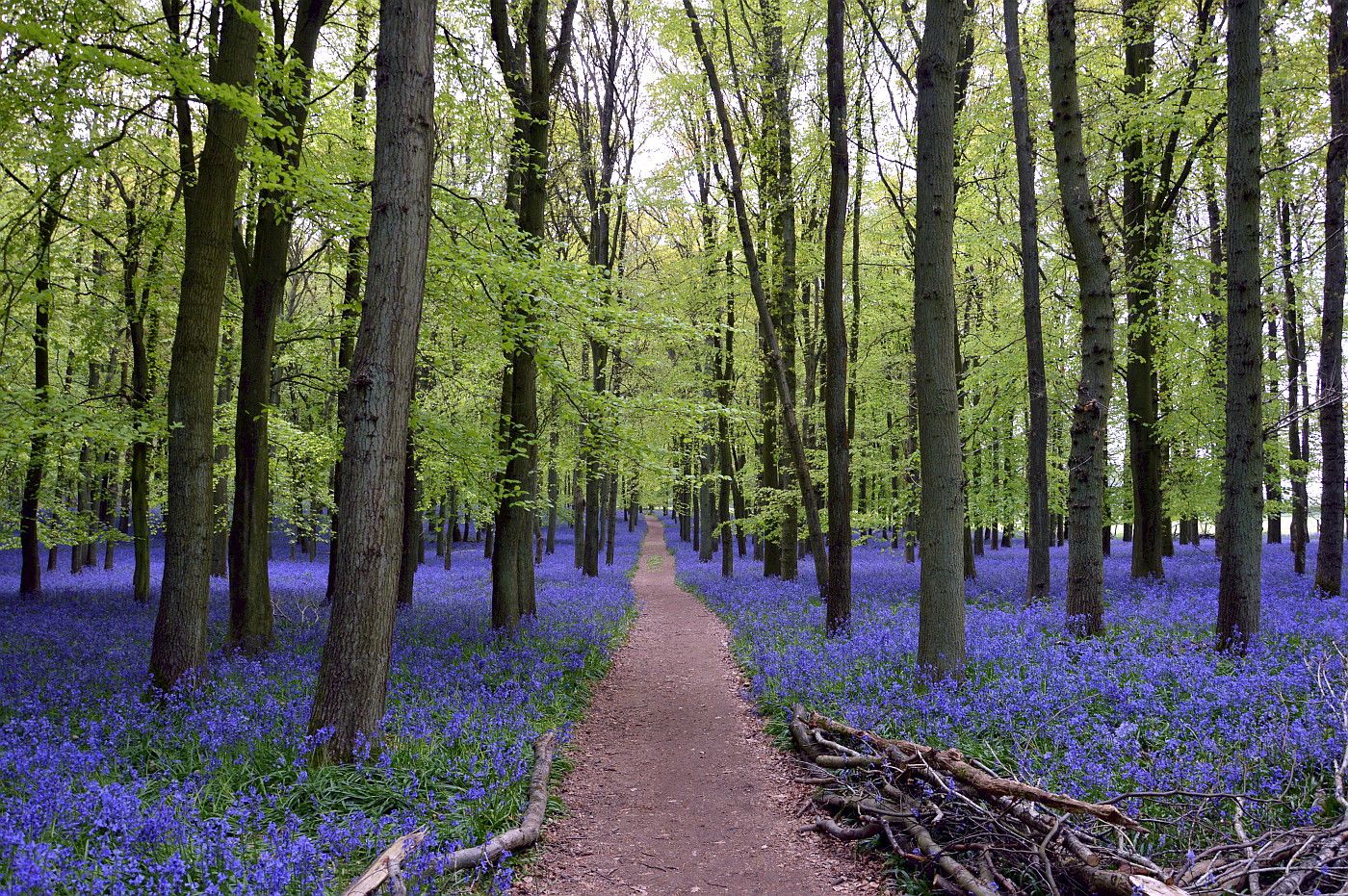
Chilterns Cycleway – Beautiful hills far and wide
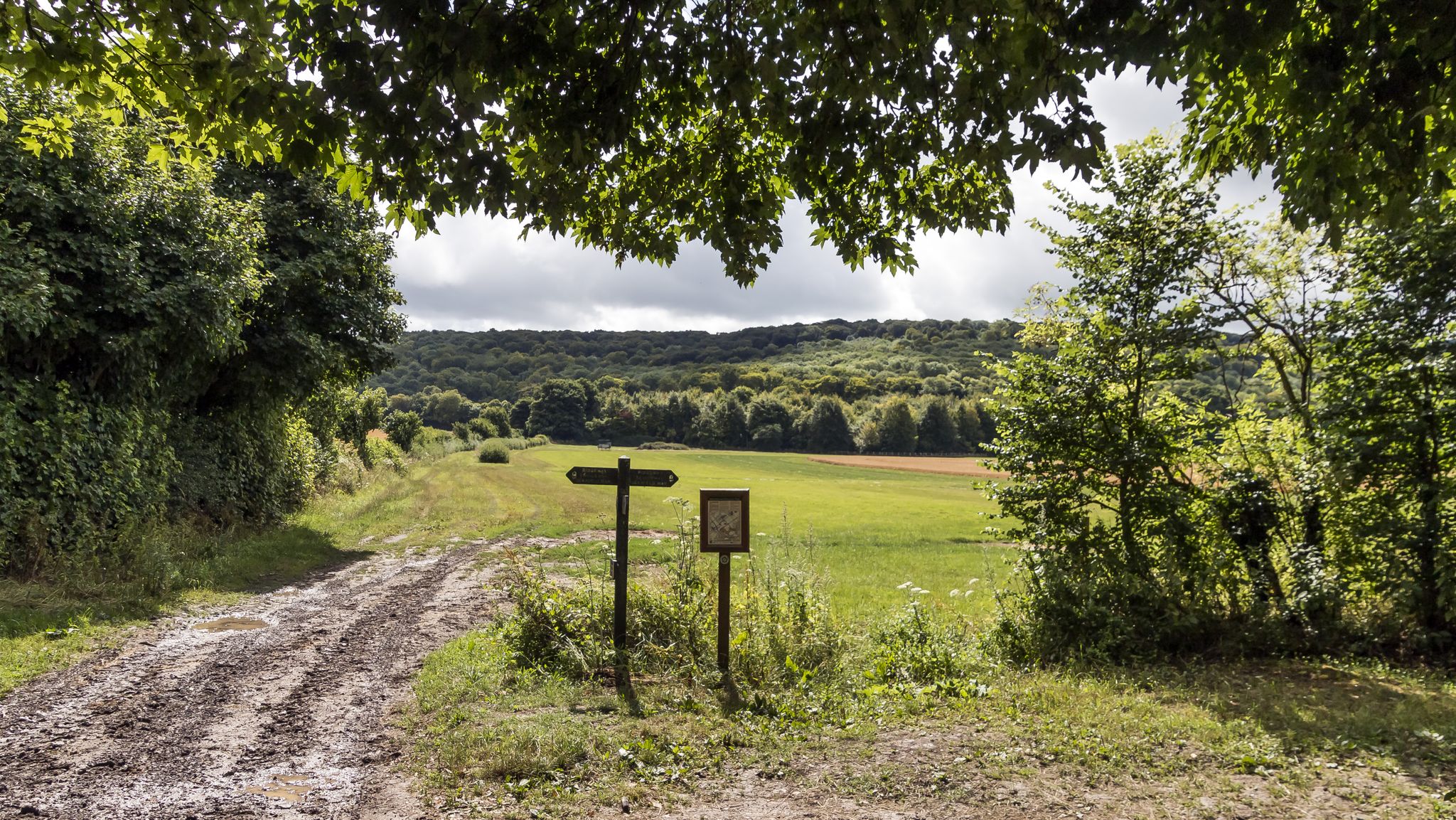
A bridleway hike across beautiful rolling pastures — Swan’s Way
Other adventures in South Oxfordshire


Tips from the Community

Added to the collection: komoot.com/de-de/collection/3600632/-naturdenkmaeler-besondere-baeume-und-weitere-schaetze-der-natur
0
0

Day's Lock is a lock on the River Thames near Dorchester-on-Thames, Oxfordshire, England on the Dorchester side of the river. The pound lock was built in 1789 by the Thames Navigation Commissioner. The lock is across the river from the small village of Little Wittenham and is overlooked from the south by the hills of Wittenham Clumps, with a particularly good view from Round Hill. The weir runs straight across the river from the other side of the lock island. Day's Lock is the main gauging station for the measurement of the water flow in the River Thames.
0
0
Little Wittenham Wood has been designated as both a Site of Special Scientific Interest (SSSI) and a Special Area of Conservation (SAC), reflecting its international importance for wildlife. The nature reserve is particularly important for the endangered species, the Great Crested Newt. This shy amphibian uses the many ponds within the nature reserve to breed, but it spends the majority of time in the surrounding woodland. Tucking itself quietly away in safe and secure hidden spots, you have to search carefully to find them. Much easier to spot are the dragonflies and damselflies which hover around the ponds. If you wander down to the bird hide, at the river’s edge, you might be lucky enough to catch a glimpse of Kingfishers or Otters.
0
0
Nice little lung opener first thing in morning. Entry to wooded area was permitted, has a few dens inside and plenty of benches externally, views to take in are beautiful. on a clear day can see for miles
0
0

It is a fantastic hide with views over the fields & ponds. DOGs are NOT allowed. This also means that you cannot use the direct footpath towards Beckley if you have a DOG. Instead you have to take the path via the RSPB car park, which adds 2k to the walk if you go back to the footpath, rather than follow the road up to the Abingdon Arms at Beckley
1
0


Located just across the river from the small town of Little Wittenham is this lock that provides glorious views up and down the River Thames.
1
0
The Wetlands Watch lookout and viewing screens are especially great to visit in the autumn and winter months when large numbers of wildfowl and waders are spotted on the floodplains.
2
0
Frequently Asked Questions
What natural features can I expect to see in South Oxfordshire's natural monuments?
South Oxfordshire's natural monuments showcase a diverse landscape. You'll find iconic rolling chalk hills like Wittenham Clumps, ancient woodlands, and serene river landscapes along the Thames. Many sites feature flower-rich chalk grasslands, such as Watlington Hill and Hartslock Nature Reserve, as well as wetland habitats like Old Kiln Lakes.
Are there any natural monuments with significant historical importance?
Yes, many natural monuments in South Oxfordshire are steeped in history. Wittenham Clumps, for instance, has evidence of Bronze Age, Iron Age, and Roman occupation, including Iron Age hill fort ramparts. Badbury Hill also features remains of an Iron Age hill fort, while Uffington White Horse Hill is crowned by a prehistoric hill figure. Nearby, Wayland's Smithy is an ancient Neolithic long barrow.
Which natural monuments are suitable for families?
Several natural monuments are great for families. Wittenham Clumps offers easy walking paths and is a nice picnic spot. Badbury Hill, with its serene woodland paths, is ideal for family adventures, especially during bluebell season. Day's Lock on the River Thames is also family-friendly, offering views and riverside activities.
Where can I find stunning panoramic views?
For breathtaking panoramic views, head to Wittenham Clumps, which offers expansive vistas over the River Thames and surrounding countryside. Watlington Hill provides stunning views over the Vale of Oxford, and Hartslock Nature Reserve boasts views over the River Thames and Goring Gap. Badbury Hill also offers spectacular views over the Thames flood plain.
What is the best time of year to visit these natural monuments?
The best time to visit depends on what you want to see. Spring is excellent for bluebells at Badbury Hill, Cowleaze Wood Bluebells, and Harcourt Arboretum. Summer offers vibrant wildflowers and butterflies, particularly at Watlington Hill and Aston Rowant National Nature Reserve. Autumn brings beautiful foliage, and winter can offer dramatic photographic opportunities with frost-covered landscapes, especially at Wittenham Clumps.
Are there opportunities for wildlife spotting?
Absolutely. South Oxfordshire's natural monuments are rich in wildlife. Watlington Hill is a nationally important wildlife site, home to diverse wildflowers, butterflies (like Adonis and Chalk Hill Blue), and birds. Aston Rowant National Nature Reserve supports diverse bird life, including finches and red kites, and over thirty species of butterfly. Hartslock Nature Reserve is also home to myriad species of plants and animals, some extremely rare.
What kind of walking and hiking trails are available near these natural monuments?
You'll find a variety of walking and hiking trails. For easy walks, consider the Wittenham Clumps loop or the Goring-on-Thames to Hartsford loop. Moderate options include the River Thames circular from Henley-on-Thames or the Wittenham Clumps via Thames Path loop. Many trails offer circular routes through woodlands and along rivers.
Can I find natural monuments within the Chiltern Hills Area of Outstanding Natural Beauty (AONB)?
Yes, a significant portion of South Oxfordshire falls within the Chiltern Hills AONB. Key natural monuments within this area include Watlington Hill, known for its chalk grassland and rare flora, and Aston Rowant National Nature Reserve, which boasts flower-rich chalk grassland and beech woodland. These areas offer endless opportunities for outdoor adventures amidst exceptional natural beauty.
What are some unique natural monuments beyond hills and woodlands?
Beyond the prominent hills and woodlands, you can explore unique natural features like the meandering River Thames and its floodplains, offering tranquil stretches perfect for leisurely strolls and observing riverside wildlife. Harcourt Arboretum, east of Abingdon, is another unique spot, a sanctuary for global tree species, including some of the oldest redwoods in the UK, alongside wildflower meadows.
What do visitors particularly enjoy about the natural monuments in South Oxfordshire?
Visitors frequently praise the stunning views and sense of history. For example, Wittenham Clumps is beloved for its breathtaking views over the Thames. Many appreciate the peaceful escape into nature, such as the serene woodland paths of Badbury Hill. The rich biodiversity, especially the wildflowers and butterflies at sites like Watlington Hill, is also a major draw.
Are there any natural monuments that are particularly good for winter walks?
Yes, Wittenham Clumps offers dramatic photographic opportunities during winter, with the sun casting a warm glow over frost-covered fields and bare trees silhouetted against the sky. The paths are mainly grassland and tend to remain dry, making them suitable for winter exploration. The Chiltern Hills AONB also provides crisp, invigorating walks through its ancient woodlands and rolling hills.
Are there any natural monuments with specific geological features?
Yes, South Oxfordshire features notable geological characteristics. The region is known for its rolling chalk hills, which form the basis of sites like Watlington Hill and Hartslock Nature Reserve, both featuring flower-rich chalk grassland. The ancient Wayland's Smithy is surrounded by dramatic sarsen stones, adding to its mysterious atmosphere.
Most popular routes in South Oxfordshire
Most popular attractions in South Oxfordshire

Get inspired with the komoot mobile app


Didn’t find what you were looking for?
Find even more amazing natural monuments in South Oxfordshire by checking out the top Highlights region by region:
Explore more
Extend your search for the best caves by checking out these guides of the top ones in South Oxfordshire:
