Top 4 Natural Monuments around Sunderland
Best natural monuments around Sunderland include a diverse range of natural landscapes and features. The region offers significant recreational and ecological value, characterized by its North Sea coastline, prominent hills, and reclaimed industrial lands. These areas are recognized for their natural beauty and environmental importance, providing varied outdoor experiences.
Best natural monuments around Sunderland
- The most popular natural monuments is Penshaw Monument, a man-made monument situated on a significant natural hill. This folly, built in 1844, offers panoramic views…
Last updated: June 29, 2026
Penshaw Monument
Highlight • Monument
Tip by

Tunstall Hill Trig Point
Highlight • Monument
Tip by

Sign up now to discover places like this
Get recommendations on the best single tracks, peaks, & plenty of other exciting outdoor places.
Sign up for free
John's Rock
Highlight • Monument
mining. He brought the 40 tonne rock from 70 metres below ground to
the top of the hill. The …
Tip by

Penshaw Monument and Stone Circle Viewpoints
Highlight • Natural Monument
on the rocks there is a small plaque showing a location and distance …
Tip by

View of Claxheugh Rock
Highlight • Natural Monument
Tip by
Start today with a free account
Your next adventure awaits.
Login or Signup
Popular around Sunderland




Tips from the Community

ive seen this sculpture many times but never been close enough to see what it actually is. on the rocks there is a small plaque showing a location and distance and when you look through sculpture you see a circled view of whata been named i never knew some of the places and never knew you could see so far from there
3
0

Ascend a winding staircase to the summit of Penshaw Hill, where a magnificent 21-meter Victorian folly stands amidst awe-inspiring vistas that stretch across Sunderland and its surrounding countryside. The folly is one of the North East's most prominent landmarks, and can be seen for miles around. Locals are so proud of the monument it even features on the Sunderland Football Club's badge.
1
0

Worth a visit just for the views but a bit difficult to access. Best access is from Leechmere Road. The track begins just before the houses and is signed for the Tunstall Hills park. One tip, once you've been there return the way you came. I tried to find a way down following some unmarked tracks and ended up having to cross a farmers field which is not ideal.
0
0

Impressive view of Claxheugh Rock from the opposite side of the river through an opening in the trees.
0
0
John’s Rock is named after John Leathley, general foreman of Crouch mining. He brought the 40 tonne rock from 70 metres below ground to the top of the hill. The rock has the faces of ‘ten men’ from the areas mining past etched onto steel plates.
0
0

worth the journey, on a weekend you can pay a fee and go to the top and enjoy some fantastic views of the north east
1
0

Lovely walk up to this monument with views all around from the top
2
0
A new stone circle with view points
1
0
Frequently Asked Questions
What are some of the most popular natural monuments to visit around Sunderland?
Among the most popular natural monuments around Sunderland are Penshaw Monument, which offers panoramic views from its significant natural hill, and Tunstall Hill Trig Point, known for its sweeping vistas of the coastline. The region's coastal features, such as Roker and Seaburn Beaches, are also highly regarded for their natural beauty and recreational value.
Are there family-friendly natural attractions in Sunderland?
Yes, several natural monuments around Sunderland are great for families. Penshaw Monument and Stone Circle Viewpoints is noted as family-friendly, offering interesting sights and views. Herrington Country Park, a large reclaimed parkland, provides walking and bike trails, lakes, and open spaces perfect for family outings. Roker and Seaburn Beaches are also ideal for traditional seaside activities with children.
Where can I find good walking routes near Sunderland's natural monuments?
Sunderland offers a variety of walking routes near its natural monuments. You can explore the trails around Penshaw Monument and its surrounding woodlands, or enjoy the paths at Tunstall Hills Nature Reserve. For coastal walks, the vegetated sea cliffs from South Shields to Blackhall Rocks offer unique scenery. You can find more detailed walking routes in the Cycling around Sunderland guide, which also features paths suitable for walking.
What kind of wildlife can I spot at Sunderland's natural monuments?
Sunderland's natural monuments offer opportunities for wildlife spotting, particularly in coastal and parkland areas. The sand dunes at Seaburn Beach support diverse microorganisms and invertebrates, which attract shorebirds. Joe's Pond Nature Reserve is a haven for birdwatchers, surrounded by lush greenery and wildflowers. Herrington Country Park's lakes attract swans and ducks, making it another good spot for observing local fauna.
Are there any natural monuments with historical significance in the Sunderland area?
While many natural monuments are appreciated for their geology and ecology, some have historical connections. Penshaw Hill, the natural feature upon which Penshaw Monument stands, is linked to local folklore like the Lambton Worm legend. Additionally, John's Rock, though a man-made monument, incorporates a 40-tonne rock brought from below ground, with etched faces of ten men from the area's mining past, connecting it to the region's industrial history.
What are the best times of year to visit Sunderland's natural monuments?
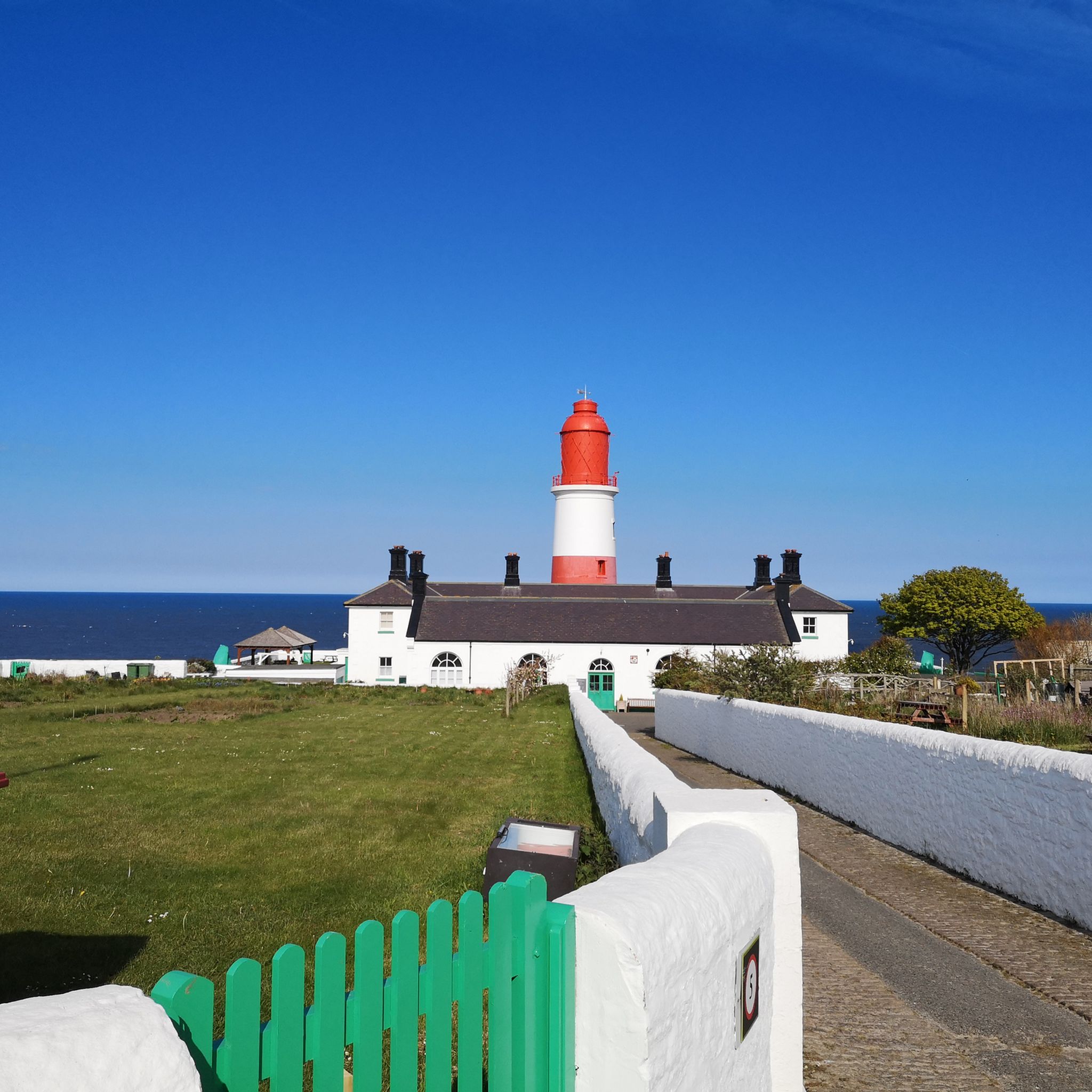
The best time to visit Sunderland's natural monuments largely depends on the activity. Spring and summer offer pleasant weather for coastal walks along Roker and Seaburn Beaches and exploring the wildflower meadows of the vegetated sea cliffs. Autumn provides beautiful foliage around Penshaw Hill and Herrington Country Park. Winter walks can be invigorating, especially along the dramatic coastline near Souter Lighthouse and The Leas, though appropriate clothing is recommended for colder conditions.
Can I find easy or beginner-friendly walks at the natural monuments?
Yes, there are several options for easy and beginner-friendly walks. Roker and Seaburn Beaches offer flat, sandy stretches perfect for leisurely strolls. Herrington Country Park has accessible walking and bike trails suitable for all abilities. Tunstall Hills Nature Reserve also provides various routes, some of which are gentle. For more specific routes, you can check the Cycling around Sunderland guide, which includes easy-grade routes that can often be enjoyed on foot.
Are there any natural monuments in Sunderland that are wheelchair accessible?
While specific accessibility details for all natural monuments can vary, Herrington Country Park is generally well-regarded for its accessible paths, making it a good option for wheelchair users. Its reclaimed industrial land has been developed with a network of trails. For coastal views, some sections of the promenades along Roker and Seaburn Beaches may also offer accessible routes.
Where can I go cycling near Sunderland's natural monuments?
Sunderland offers various cycling opportunities near its natural monuments. Herrington Country Park has dedicated bike trails. For longer rides, you can explore routes that pass by or near these sites. The Cycling around Sunderland guide features routes like the 'Sunderland to South Shields loop' or the 'Jarrow and South Shields loop from Sunderland', which incorporate coastal scenery and other points of interest.
What are the unique geological features of Sunderland's natural monuments?
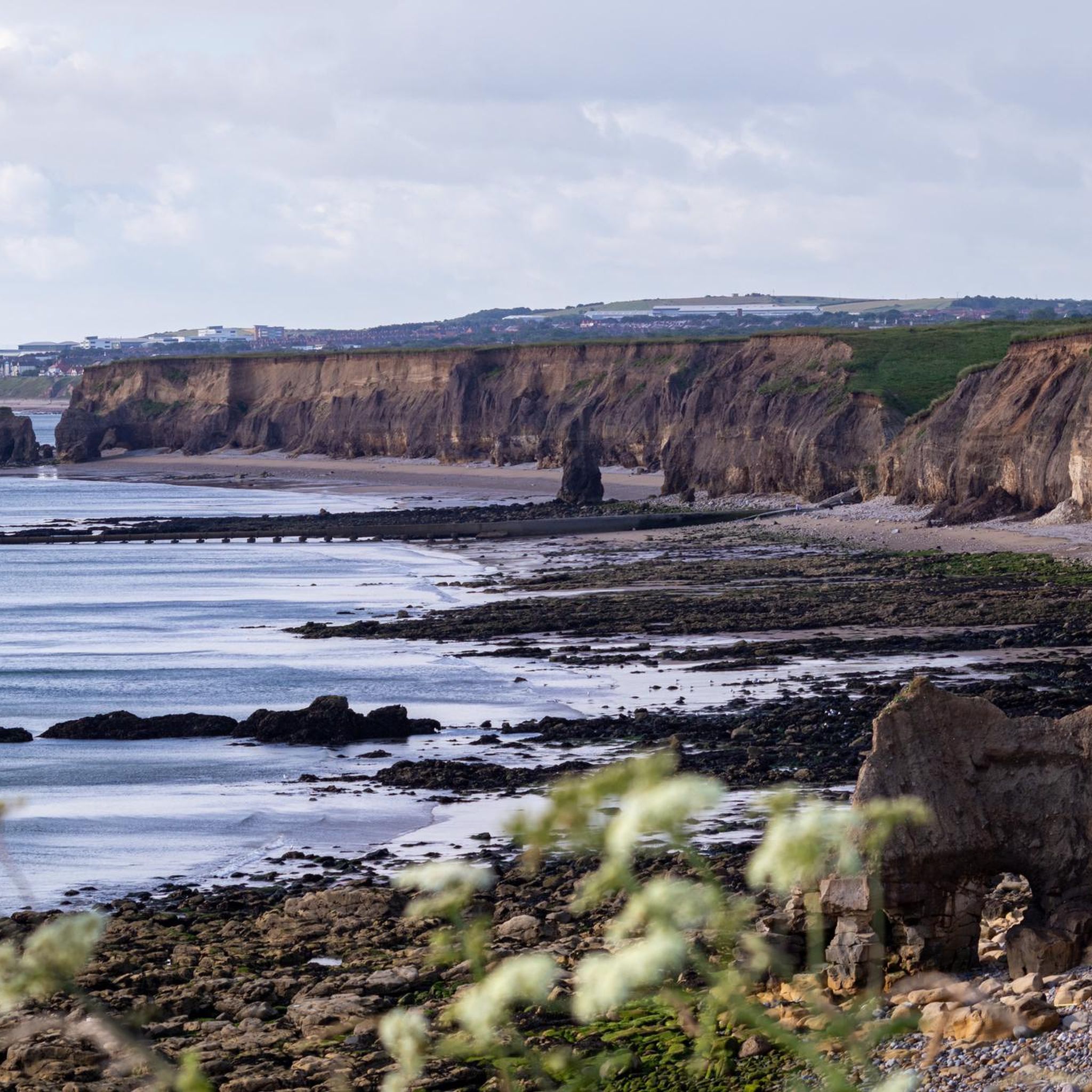
Sunderland's natural monuments showcase unique geological features, primarily related to its coastal and upland areas. Penshaw Hill is an isolated knoll formed by the erosion of the Durham Magnesian Limestone Plateau. The vegetated sea cliffs extending along the North Sea coastline are particularly significant as the only example of vegetated sea cliffs on magnesium limestone rock in the UK, hosting unique plant communities. Claxheugh Rock also offers an impressive geological sight along the river.
Are there places to eat or drink near Sunderland's natural attractions?
Yes, you'll find options for refreshments near many of Sunderland's natural attractions. Roker and Seaburn Beaches have cafes, restaurants, and pubs along their promenades. Areas around Herrington Country Park and Penshaw Hill also have local establishments. While specific recommendations depend on your exact location, the popular natural monuments are generally situated within reach of local amenities.
What are the best places for panoramic views of the Sunderland area?
For breathtaking panoramic views, Penshaw Monument on Penshaw Hill is an excellent choice, offering expansive vistas of the surrounding countryside, including glimpses of the Cheviot Hills and Durham Cathedral on a clear day. Tunstall Hill Trig Point also provides sweeping views of the area and coastline. Additionally, the clifftops around Souter Lighthouse and The Leas offer dramatic sea views.
Most popular routes around Sunderland
Most popular attractions around Sunderland

Get inspired with the komoot mobile app


Didn’t find what you were looking for?
Find even more amazing natural monuments around Sunderland by checking out the top Highlights region by region:
Explore more
Extend your search for the best caves by checking out these guides of the top ones around Sunderland:
