Top 20 Natural Monuments around Skjåk
Best natural monuments around Skjåk are found in a region characterized by majestic mountains, lush valleys, and glaciers, nestled between Reinheimen and Breheimen National Parks. This area offers a wealth of natural attractions, shaped by glacial activity and featuring distinctive geological formations. The landscape provides opportunities for immersion in pristine Norwegian wilderness, with diverse wildlife and panoramic views. Skjåk is an exceptional destination for nature enthusiasts seeking to explore its unique environment.
Best natural monuments around Skjåk
- The most popular…
Last updated: October 15, 2026
Storseter Falls
Highlight • Waterfall
Translated by Google •
Tip by

Storsæterfossen (Behind the Falls)
Highlight • Waterfall
Translated by Google •
Tip by

Sign up now to discover places like this
Get recommendations on the best single tracks, peaks, & plenty of other exciting outdoor places.
View of Geirangerfjord from Dalsnibba
Highlight • Viewpoint
Translated by Google •
Tip by

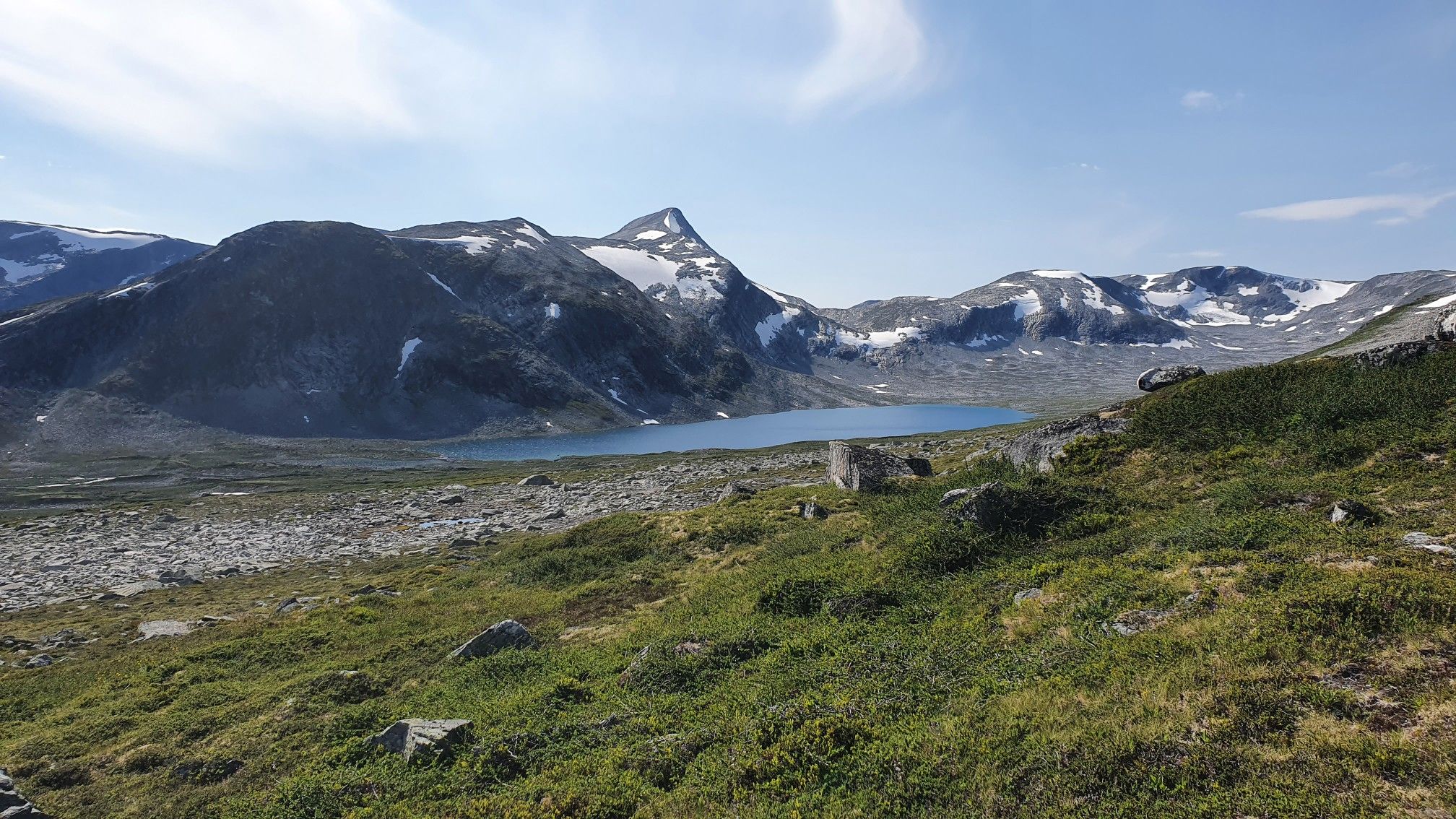
Djupvatnet
Highlight • Lake
Translated by Google •
Tip by

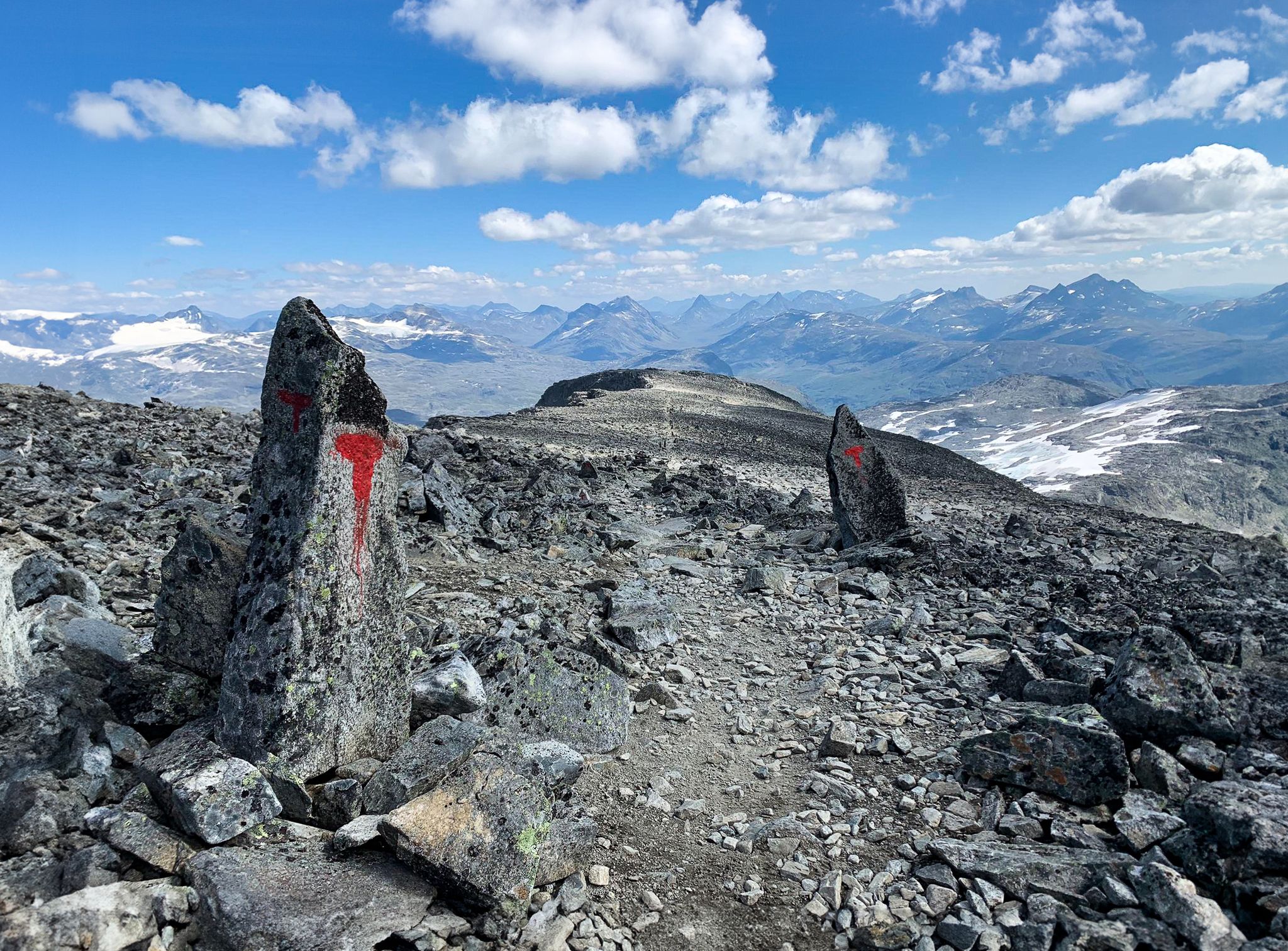
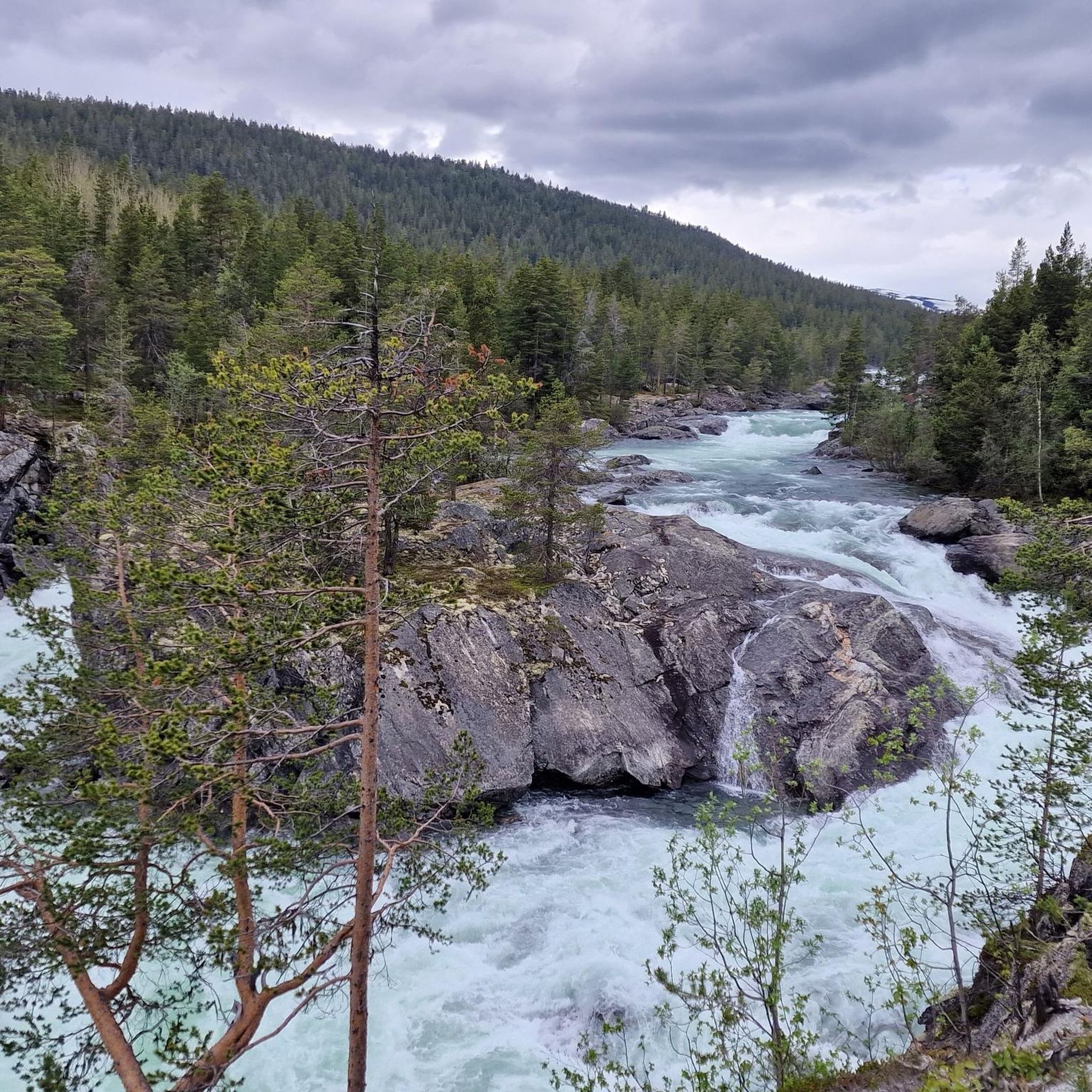
The Flydal Gorge
Highlight • Viewpoint
Translated by Google •
Tip by
Sign up for free to discover even more natural monuments around Skjåk.
Already have an account?
Other adventures around Skjåk


Tips from the Community

The hike to Storsæterfossen is definitely worthwhile and shouldn't be missed if you want to explore the Geirangerfjord. The waterfall is very impressive and offers the rare opportunity to walk behind it and experience it up close. But be careful: The path behind the waterfall is very slippery in places! However, there are ropes provided for support.
3
0
The opportunity to admire Storsæterfossen from behind or below, experiencing it with all your senses, is an impressive attraction that shouldn't be missed when exploring the Geirangerfjord. However, caution and sure footing are required, as the path leading under the roaring waterfall is quite slippery in places! Feel free to hold onto the provided ropes!
4
0


Nice tour, unfortunately the path under the waterfall is currently closed (August 24)
2
0

A relatively challenging climb, but once you reach the top you'll be rewarded for everything. You should definitely do it.
1
0
The climb is quite challenging, but once you reach the top you are rewarded with a fabulous natural spectacle and a breathtaking view. It is definitely worth it.
1
0

Please make sure you wear sturdy footwear (hiking boots, etc.) and bring a bottle of water with you. The elevation gain should not be underestimated either; plan your time accordingly.
6
0

Mega impressive view. I have to go there again
2
1
Frequently Asked Questions
What are the most popular natural monuments to visit around Skjåk?
Among the most appreciated natural monuments are Storseter Falls, where you can walk behind the 30-meter high waterfall for a unique perspective. Another impressive spot is Storsæterfossen (Behind the Falls), offering a similar immersive experience. For breathtaking panoramic views, the View of Geirangerfjord from Dalsnibba provides extensive vistas from its 1476-meter summit.
Are there any family-friendly natural monuments or activities in the Skjåk region?
Yes, the View of Geirangerfjord from Dalsnibba is considered family-friendly, offering stunning views and facilities. For easy hikes, consider routes like the 'Rock Formations – Hamse River Canyon loop' or 'Husomtjønn – Stone Shelter loop' which are part of the hiking trails around Skjåk.
What kind of natural features can I expect to see in Skjåk?
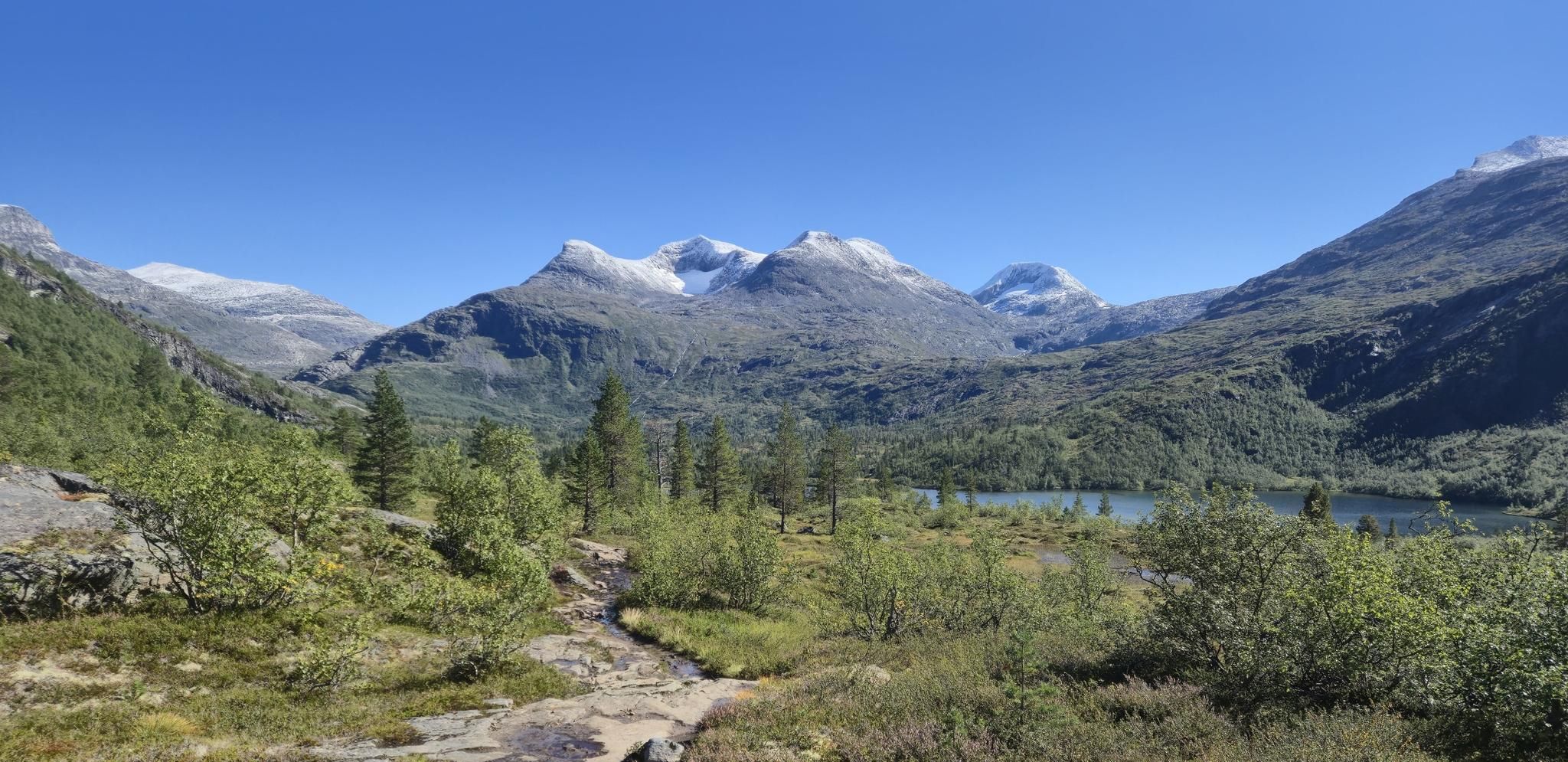
Skjåk is rich in diverse natural features, including majestic mountains, lush valleys, and glaciers, especially within the surrounding Reinheimen and Breheimen National Parks. You'll encounter dramatic waterfalls like Storseter Falls, serene lakes such as Djupvatnet, and spectacular viewpoints like The Flydal Gorge. The region's landscape is largely shaped by glacial activity, resulting in unique geological formations.
What outdoor activities can I do near the natural monuments in Skjåk?
The Skjåk region offers a wide range of outdoor activities. Hiking is very popular, with trails ranging from easy to difficult, including the challenging 'Summit hike to Tverrådalskyrkja' in Breheimen. You can explore various hiking routes around Skjåk. Cycling is also a great option, with several road cycling routes available, such as the 'Lom Stave Church – Sognefjellshytta loop'. Additionally, the national parks provide opportunities for hunting and fishing in 250 lakes and rivers.
What is the best time to visit Skjåk to experience its natural monuments?
The best time to visit Skjåk largely depends on the activities you plan. Summer (June to August) is ideal for hiking, cycling, and enjoying the full accessibility of most natural sites, though some high-altitude areas like Dalsnibba can still have snow even then. Spring and autumn offer beautiful colors and fewer crowds, but some mountain roads or trails might be closed due to snow. Winter provides opportunities for snow-based activities, but access to certain natural monuments may be limited.
Are there any natural stone formations or bridges to see in Skjåk?
Yes, the Føysstein is a unique natural stone bridge spanning a river gorge, accessible via hiking trails. It's a remarkable example of natural erosion and rock formation in the region. You can find a 'Føysstein Loop' among the running trails around Skjåk.
What are the national parks surrounding Skjåk and what do they offer?
Skjåk is nestled between Reinheimen National Park to the north and Breheimen National Park to the south. These parks are vast, untouched wilderness areas characterized by rich wildlife, rugged terrain, towering peaks, and numerous glaciers. They offer unparalleled opportunities for multi-day treks, serene fishing spots, and challenging climbs, providing an immersive experience in pristine Norwegian wilderness.
What are some notable waterfalls in the Skjåk area besides Storseter Falls?
Beyond the well-known Storseter Falls and Storsæterfossen (Behind the Falls), Billingenfossen Waterfall near Grotli is another dramatic waterfall in the region, known for its scenic beauty and picnic spots. The area is generally rich in waterfalls due to its mountainous and glacial landscape.
Can I find easy hiking trails to natural monuments in Skjåk?
Yes, there are several easy hiking trails suitable for exploring the natural monuments. For instance, the hike to Storseter Falls is considered an easy hike. Other easy options include the 'Rock Formations – Hamse River Canyon loop' and the 'Husomtjønn – Stone Shelter loop' which are part of the hiking routes around Skjåk.
Are there any lakes worth visiting for their natural beauty in Skjåk?
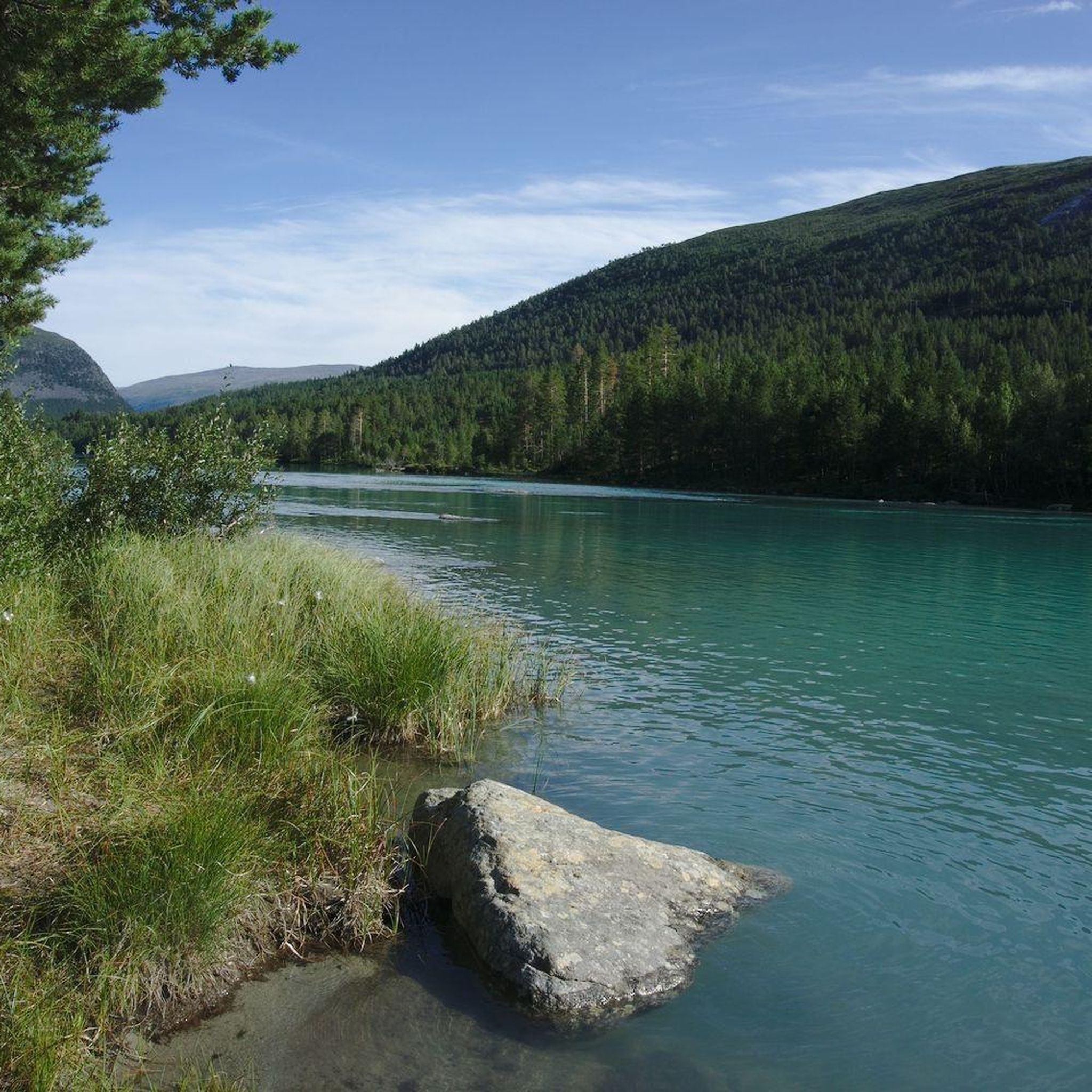
Absolutely. Djupvatnet is a beautiful lake located at an altitude of around 1016 meters, known for its clear waters and stunning reflections of surrounding peaks. Grotlivatnet Lake is also highly recommended for hiking, suggesting its significant scenic appeal and peaceful ambiance.
What are the driving conditions and accessibility like for viewpoints such as Dalsnibba?
The summit of Dalsnibba, offering the View of Geirangerfjord from Dalsnibba, is accessed via the Nibbevegen road. This is a toll road, and due to its height, it can often be snow-covered even in summer, so checking road conditions is advisable. The road provides direct access to the viewpoint, which also has parking and facilities.
What kind of wildlife can I spot near Skjåk's natural monuments?
The national parks flanking Skjåk, Reinheimen and Breheimen, are known for their rich wildlife. While specific species are not detailed, these vast, untouched wilderness areas provide habitats for diverse fauna. Visitors might encounter various bird species, reindeer, and other mountain wildlife, especially during treks through the parks.
Most popular routes around Skjåk
Most popular attractions around Skjåk

Get inspired with the komoot mobile app


Explore more
Extend your search for the best caves by checking out these guides of the top ones around Skjåk:
