Top 9 Natural Monuments around Stor-Elvdal
Best natural monuments around Stor-Elvdal are shaped by the region's geology and the Glomma River, located in the Østerdalen valley of Norway. The area features a range of natural attractions, including canyons, river landscapes, and access points to mountainous national parks. Stor-Elvdal offers diverse natural experiences, from high mountain summits to significant geological formations. Its landscape provides opportunities to explore varied natural features.
Best natural monuments around Stor-Elvdal
- The most popular natural monuments is Suspension Bridge at Atnsjømyrene Nature Reserve…
Last updated: October 15, 2026
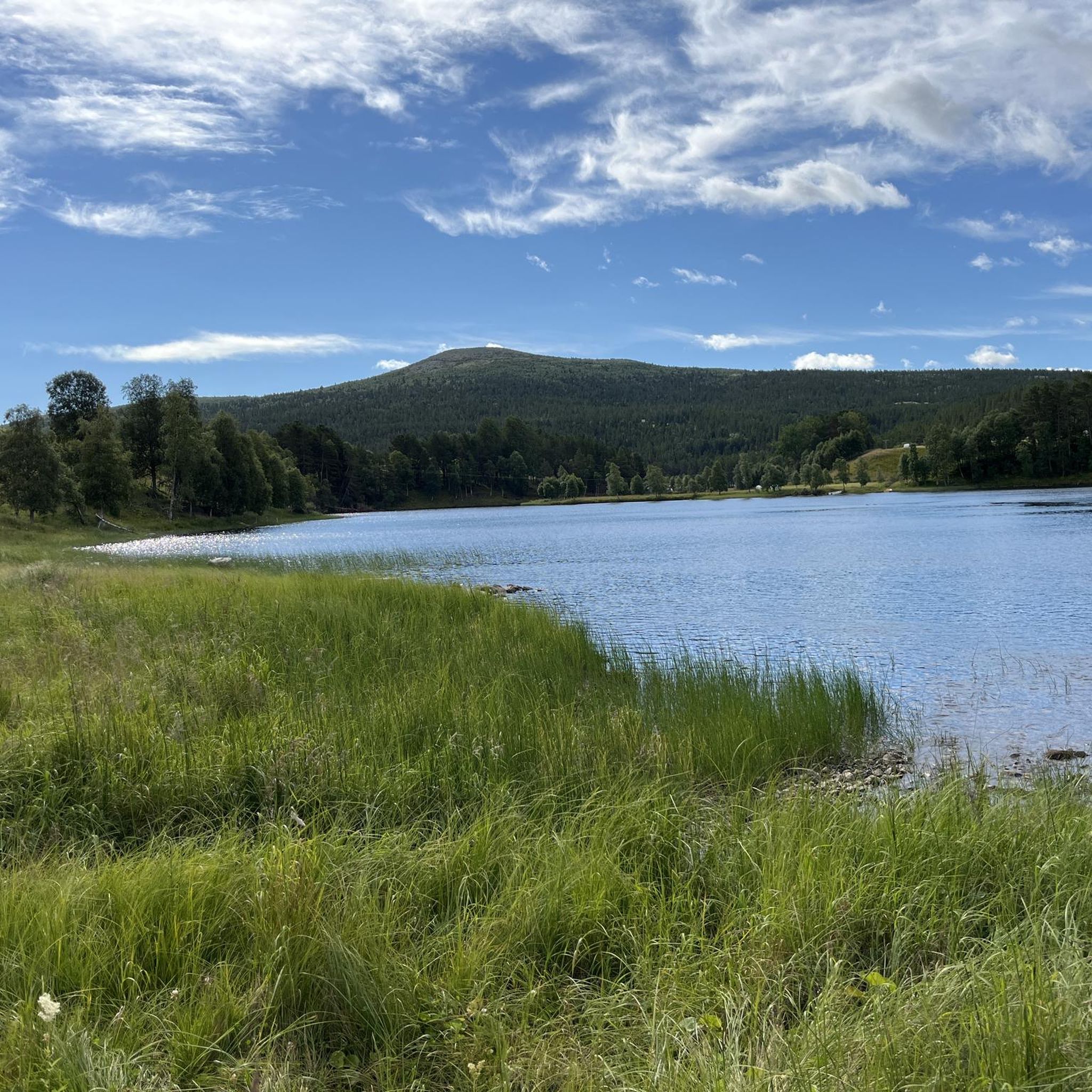
Muen (1,470 m)
Highlight • Summit
Translated by Google •
Tip by

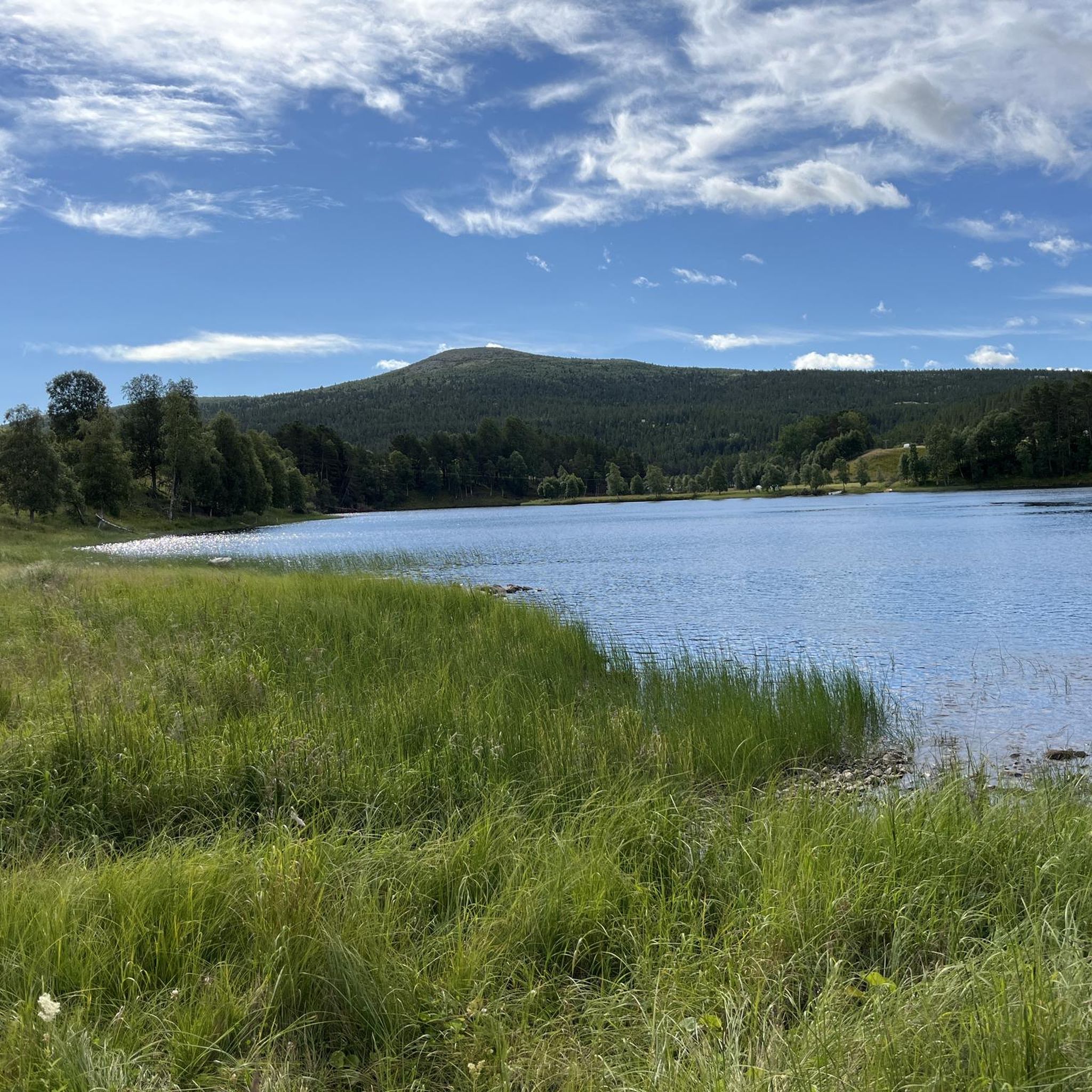
Suspension Bridge at Atnsjømyrene Nature Reserve
Highlight • Bridge
Translated by Google •
Tip by

Sign up now to discover places like this
Get recommendations on the best single tracks, peaks, & plenty of other exciting outdoor places.
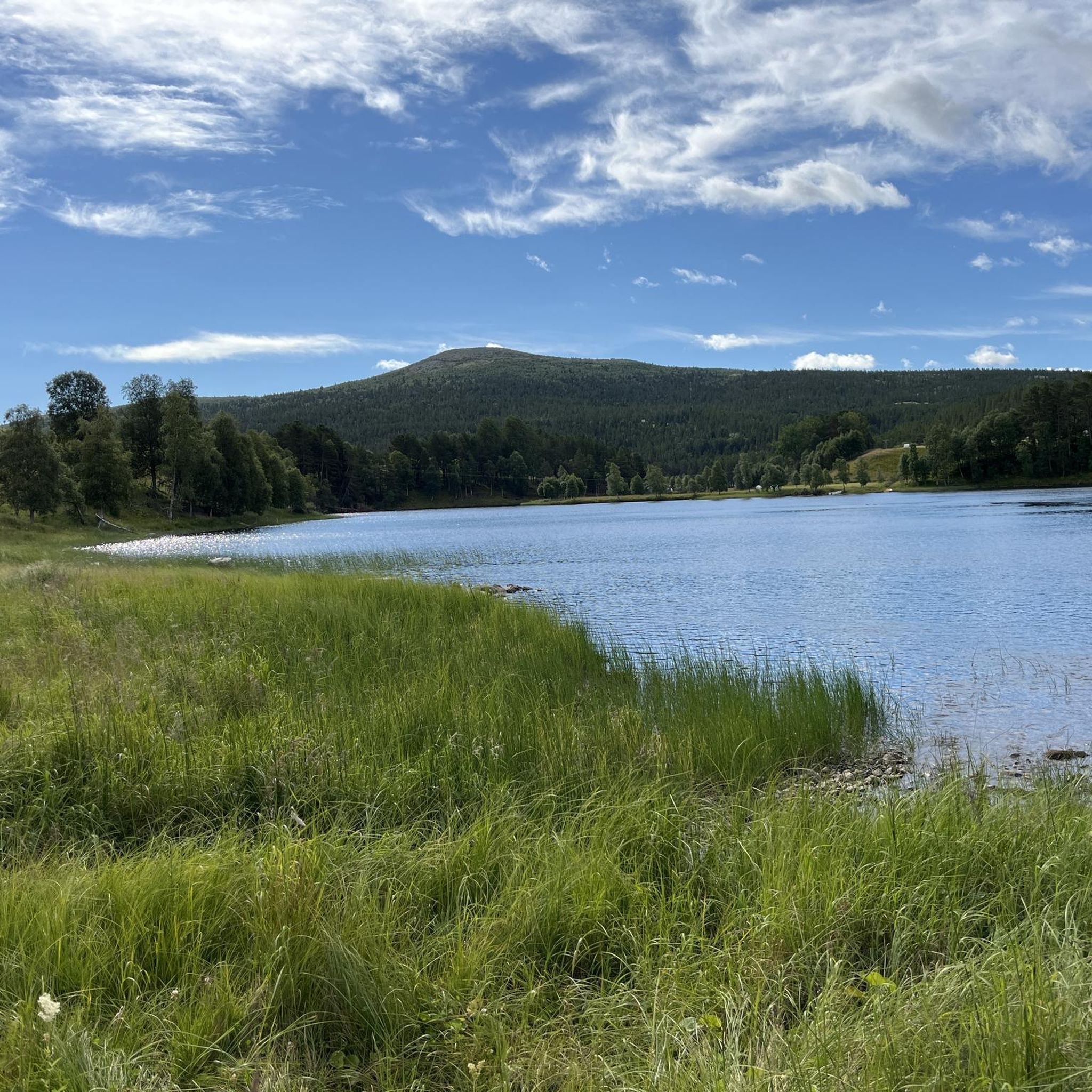
Støre Ramshøgda Summit (1,463 m)
Highlight • Summit
Translated by Google •
Tip by
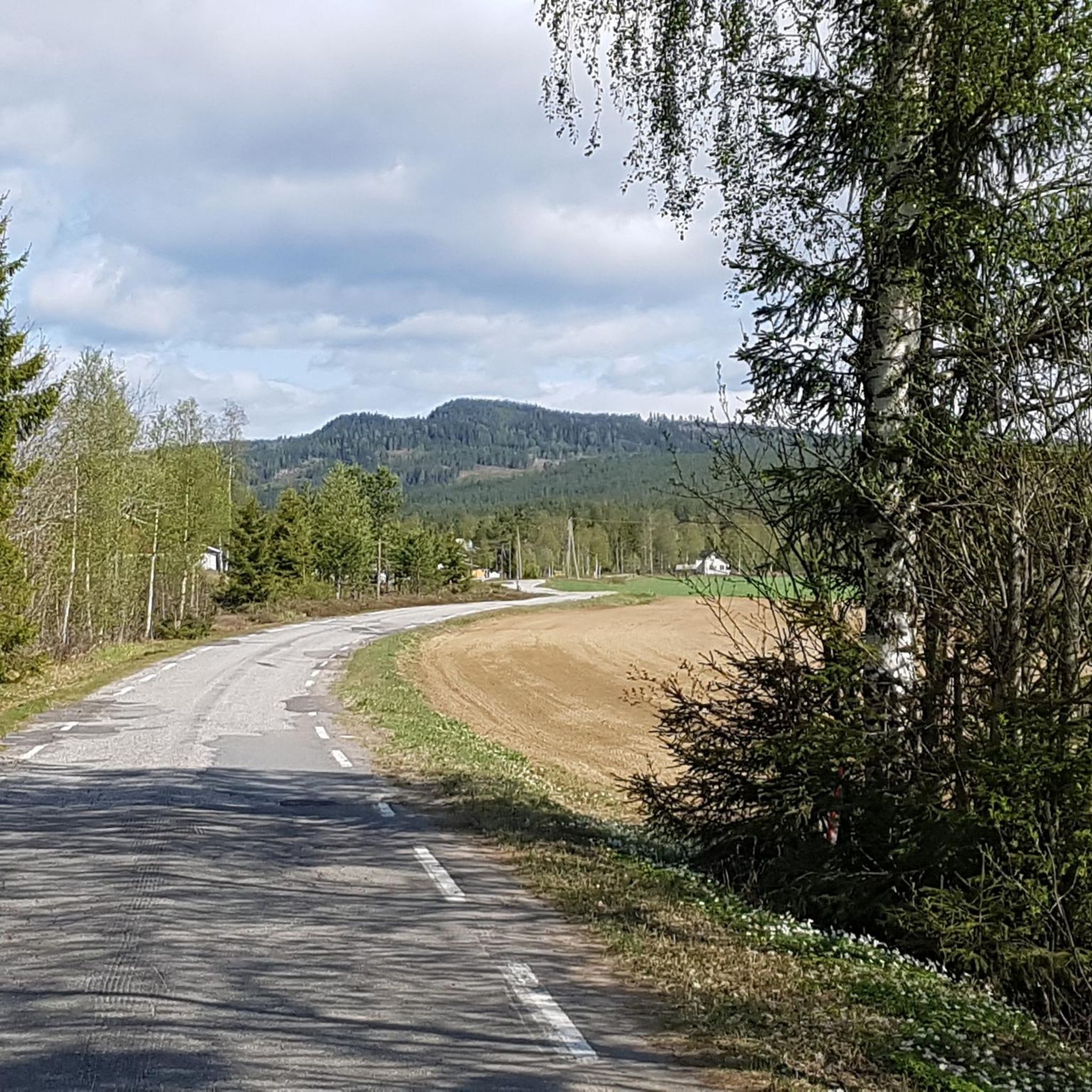
Dørjuvet canyon
Highlight • Gorge
Translated by Google •
Tip by

Myldingi Nature Reserve
Highlight • Natural
It …
Translated by Google •
Tip by

Sign up for free to discover even more natural monuments around Stor-Elvdal.
Already have an account?
Start today with a free account
Your next adventure awaits.
Tips from the Community

The suspension bridge at the starting point is currently being renovated and therefore crossing it is not possible.
1
0

after we almost drowned in the raised bog, we were still blessed with this deep gorge
0
0
Medium difficulty. Mountain boots recommended, as there are quite much loose rocks on the way. The roundtrip is approx 3 hrs from the parking at fv 27. A couple of steep paths, but climbing is not necessary.
0
0
Fantastic view. Including Rondane, Jotunheimen Sollia and many, many other mountains. On the summit there are many stones that have already been used to build vardens, windbreaks and other things. My kid loved building up there. And climbing from stone to stone on the way high in the scree. There are blueberries on the path further down.
0
0

Great view of the gorge! The path goes pretty close to the cliff at one point, so you really don't want to fall down 🤭
2
0
If you are not used to having to find your way over a boulder field, the ascent takes a little getting used to, but thanks to the heaps of stones that serve as signposts, it is still easy to find if you take a closer look! The view is really awesome! You can see pretty far in any direction.
0
0

An easy-to-reach panoramic mountain with a beautiful panorama.
1
0
From here there is a beautiful view of the gorge.
2
2
Frequently Asked Questions
What are some notable viewpoints for natural monuments in Stor-Elvdal?
For breathtaking panoramic views, consider visiting Muen (1,470 m), which offers expansive vistas over the Ringebufjellet and into Rondane National Park. Another excellent spot is Støre Ramshøgda Summit (1,463 m), known for its brilliant viewpoint with a flat summit plateau, providing views of the Rondane peaks on clear days. Additionally, Dørjuvet canyon provides a unique perspective with a great view of the gorge itself.
Are there family-friendly natural monuments to visit in Stor-Elvdal?
While specific 'family-friendly' categories aren't always explicit, many natural monuments in Stor-Elvdal can be enjoyed by families, depending on the activity level. For example, the area around the Suspension Bridge at Atnsjømyrene Nature Reserve offers access to signposted paths in Rondane National Park, which can include easier sections suitable for families. The Glomma River itself provides tranquil settings for activities like fishing, which can be a relaxing family outing.
What kind of outdoor activities can I do near the natural monuments in Stor-Elvdal?
Stor-Elvdal offers a variety of outdoor activities. You can find numerous hiking opportunities, with routes like 'View from Søre Vola loop' or 'Pika – Bench Between the Two Lakes loop'. For cyclists, there are options such as the 'Atnbrufossen Water Use Museum – Red Gate on Wooden Bridge loop' for touring bicycles, and challenging road cycling routes like 'Solida Ysteri – Venabygdsfjellet Summit loop'. You can explore more options on the dedicated guides for hiking, cycling, and road cycling around Stor-Elvdal.
What is the best time to visit the natural monuments in Stor-Elvdal?
The best time to visit Stor-Elvdal's natural monuments largely depends on your preferred activities. Summer (June to August) offers the warmest weather and best conditions for hiking and exploring high-altitude areas like Muen and Rondane National Park. Autumn (September to October) brings beautiful fall foliage, while spring (May) sees melting snow and awakening nature. Winter access to some higher elevation monuments might be challenging due to snow and ice, though cross-country skiing is popular in the region.
Are there any significant geological formations or canyons in the area?
Yes, Stor-Elvdal is home to impressive geological formations. The region is known for Dørjuvet canyon, which offers a notable viewpoint into the gorge. Additionally, the broader region is famous for Jutulhogget, one of Northern Europe's longest canyons, a dramatic testament to ancient geological forces. The Myldingi Nature Reserve is also shaped by Quaternary geological forms.
What kind of terrain and difficulty can I expect on hikes to natural monuments?
The terrain and difficulty vary. Some summits like Støre Ramshøgda Summit (1,463 m) are described as medium difficulty, recommending mountain boots due to loose rocks, with round trips taking about 3 hours. Muen (1,470 m) is considered an easy-to-reach panoramic mountain, with ascent and descent taking about 45-60 minutes. Paths near gorges like Dørjuvet canyon can be close to cliffs, requiring caution. Overall, you'll find a mix of intermediate and challenging routes, often involving rocky or uneven paths.
Can I access Rondane National Park from Stor-Elvdal?
Yes, Rondane National Park is significantly accessible from Stor-Elvdal. The Suspension Bridge at Atnsjømyrene Nature Reserve serves as a starting point for routes into the park, with several signposted paths leading through it. Points like Gravskardhøgda (1,767 meters) also offer panoramic views into the park, which is known for its high mountains, open plateaus, and wild reindeer herds.
What wildlife can I expect to see around Stor-Elvdal's natural monuments?
The natural monuments and surrounding areas of Stor-Elvdal, particularly near the Glomma River and Rondane National Park, are rich in wildlife. The Glomma River's riparian zones support diverse ecosystems, making it a good spot for observing local flora and fauna. Rondane National Park is especially known for its wild reindeer herds, offering a chance to see these majestic animals in their natural, untouched mountainous wilderness.
Are there any nature reserves worth exploring in Stor-Elvdal?
Yes, Stor-Elvdal features notable nature reserves. The Atnsjømyrene Nature Reserve is significant as it hosts a suspension bridge that acts as a gateway to Rondane National Park. Another important area is the Myldingi Nature Reserve, established in 1989 and expanded in 1993, known for its Quaternary geological forms and located west of Atnsjømyrene.
What role does the Glomma River play in the natural landscape of Stor-Elvdal?
The Glomma River, Norway's longest river, is fundamental to Stor-Elvdal's natural landscape. It shapes the region's geology and creates diverse natural experiences. The river is particularly known for its excellent fishing opportunities and its meandering course, which, along with surrounding riparian zones, fosters rich ecosystems. Its presence is central to the area's natural beauty and provides a tranquil setting for various outdoor activities.
What do visitors enjoy most about the natural monuments in Stor-Elvdal?
Visitors frequently appreciate the stunning panoramic views from summits like Muen and Støre Ramshøgda Summit. The dramatic geological formations, such as Dørjuvet canyon, also leave a lasting impression. Many enjoy the access to pristine wilderness and the opportunity to experience untouched nature, especially when heading towards Rondane National Park from points like the Suspension Bridge at Atnsjømyrene Nature Reserve.
Most popular attractions around Stor-Elvdal

Get inspired with the komoot mobile app


Explore more
Extend your search for the best caves by checking out these guides of the top ones around Stor-Elvdal:
