Top 6 Natural Monuments around Hvaler
Best natural monuments around Hvaler are found within an archipelago in southeastern Norway, characterized by a unique coastal and marine environment. The region is home to Ytre Hvaler National Park, Norway's first marine national park, which preserves a significant underwater landscape alongside rocky shores and coastal woodlands. This area offers diverse ecosystems, including extensive kelp forests and deep-water corals, making it a notable destination for natural exploration. The archipelago comprises numerous islands, islets, and skerries, providing varied natural features.
Best…
Last updated: June 28, 2026
Stenskeppet (The Stone Ship)
Highlight • Historical Site
Translated by Google •
Tip by

Naturum Kosterhavet
Highlight • Rest Area
Translated by Google •
Tip by

Sign up now to discover places like this
Get recommendations on the best single tracks, peaks, & plenty of other exciting outdoor places.
Sign up for free
Coastal View of Kosteröarna Nature Reserve
Highlight • Viewpoint
Translated by Google •
Tip by

Valfjäll Summit Viewpoint
Highlight • Summit
The climb is relatively easy, as it's almost the entire way up via a wooden staircase.
Translated by Google •
Tip by
Kråkerøy Church – Glufsa Hike
Highlight • Trail
Showing Translation
Tip by

Sign up for free to discover even more natural monuments around Hvaler.
Sign up for free
Already have an account?
Start today with a free account
Your next adventure awaits.
Login or Signup
Tips from the Community

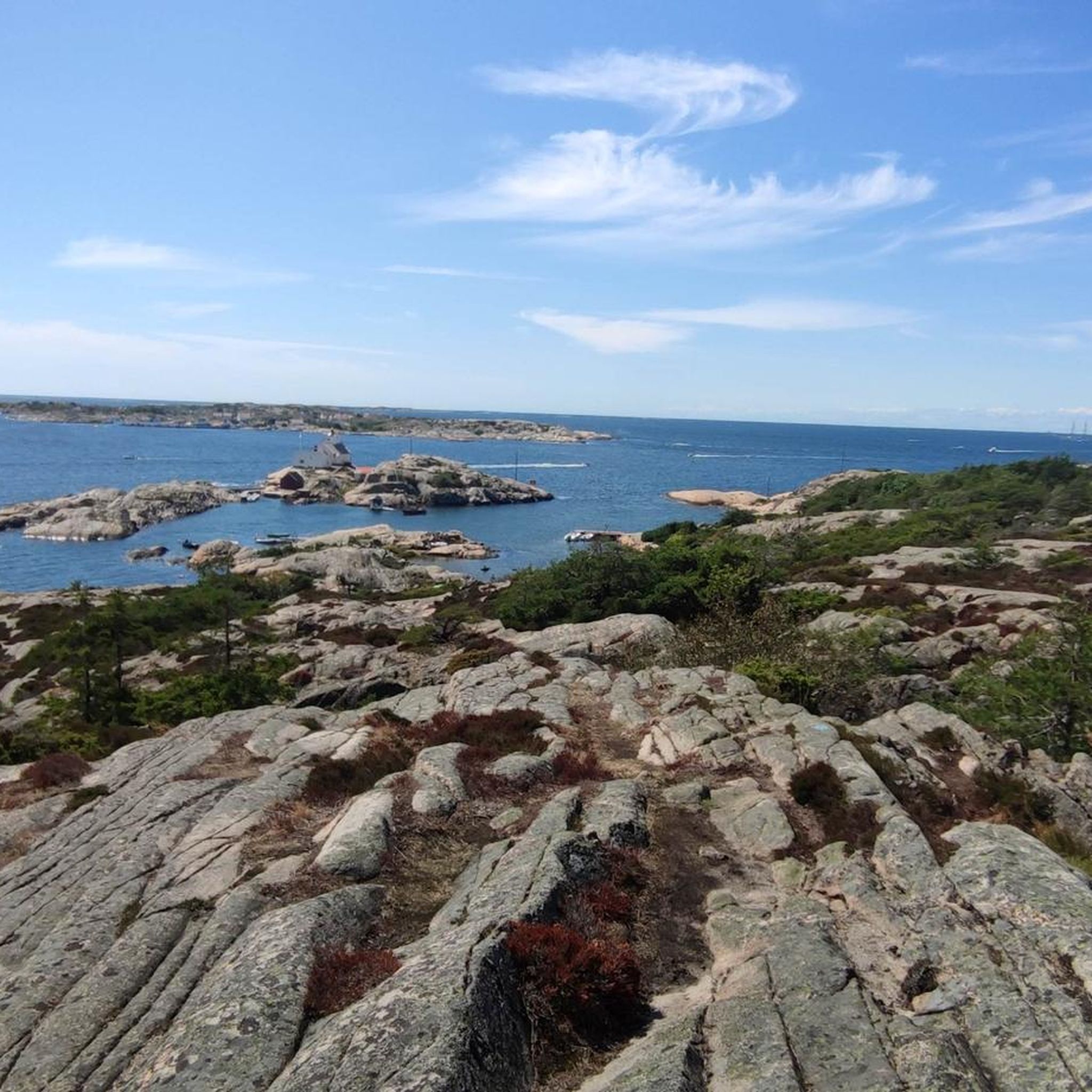
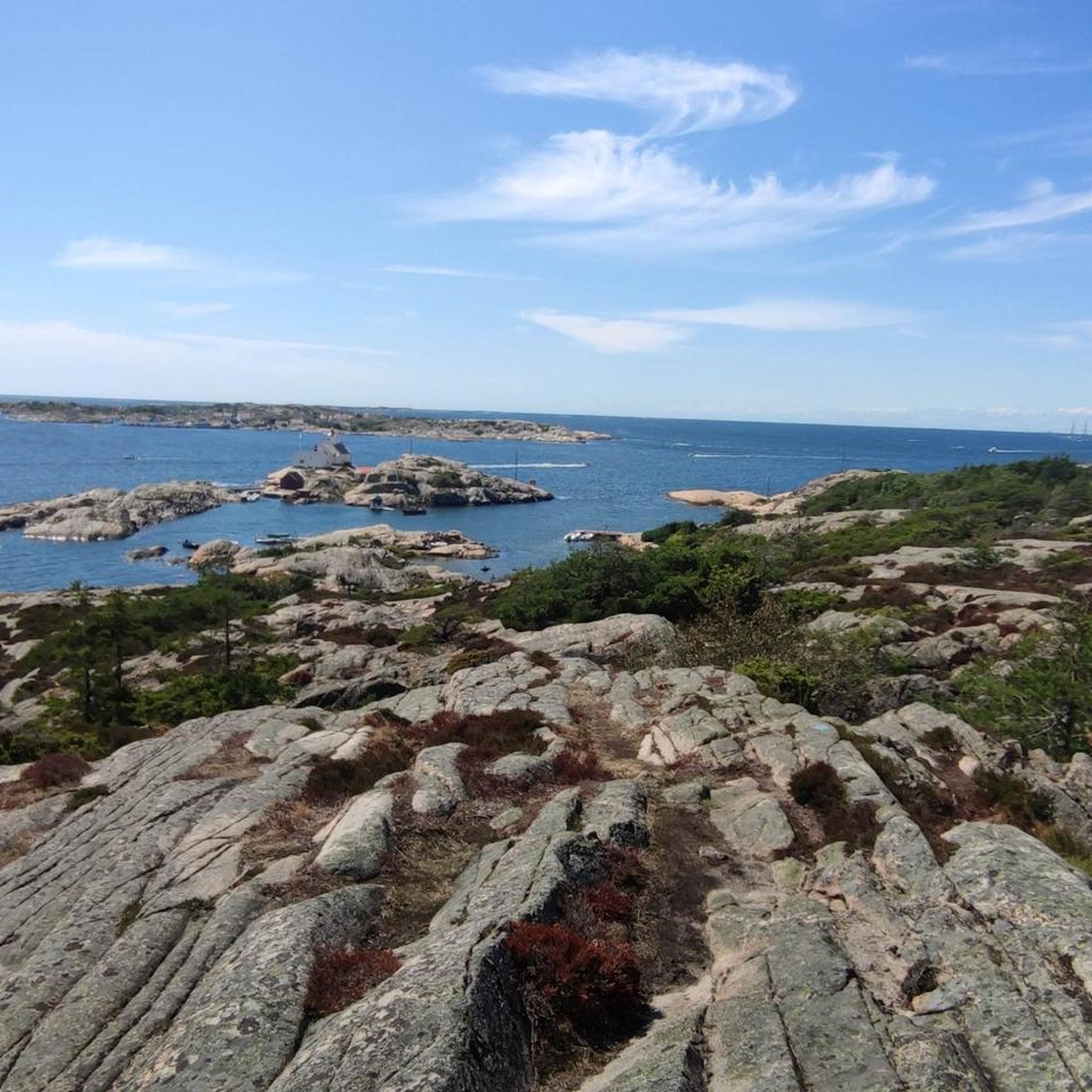
Here you can experience the wild coastal landscape of Eastern Norway, far from any hustle and bustle. The loop starts at the distinctive Kråkerøy church and leads over solid wooden bridges and smoothly polished Svaberg rocks out to the outermost islets of Glufsa. A name that is no coincidence: „Glufs* means «gust of wind» in Old Norse, and that is exactly what you feel here when the southwest wind meets the currents of the Oslo Fjord. Along the way, it is worth taking a look into the rock pools and gorges. An impressive Jettegryte awaits in a rocky bay. A giant's kettlehole formed by water as a silent testament to the forces of nature. The tour is accessible all year round and, thanks to its moderate altitude profile, is also suitable for families.
0
0


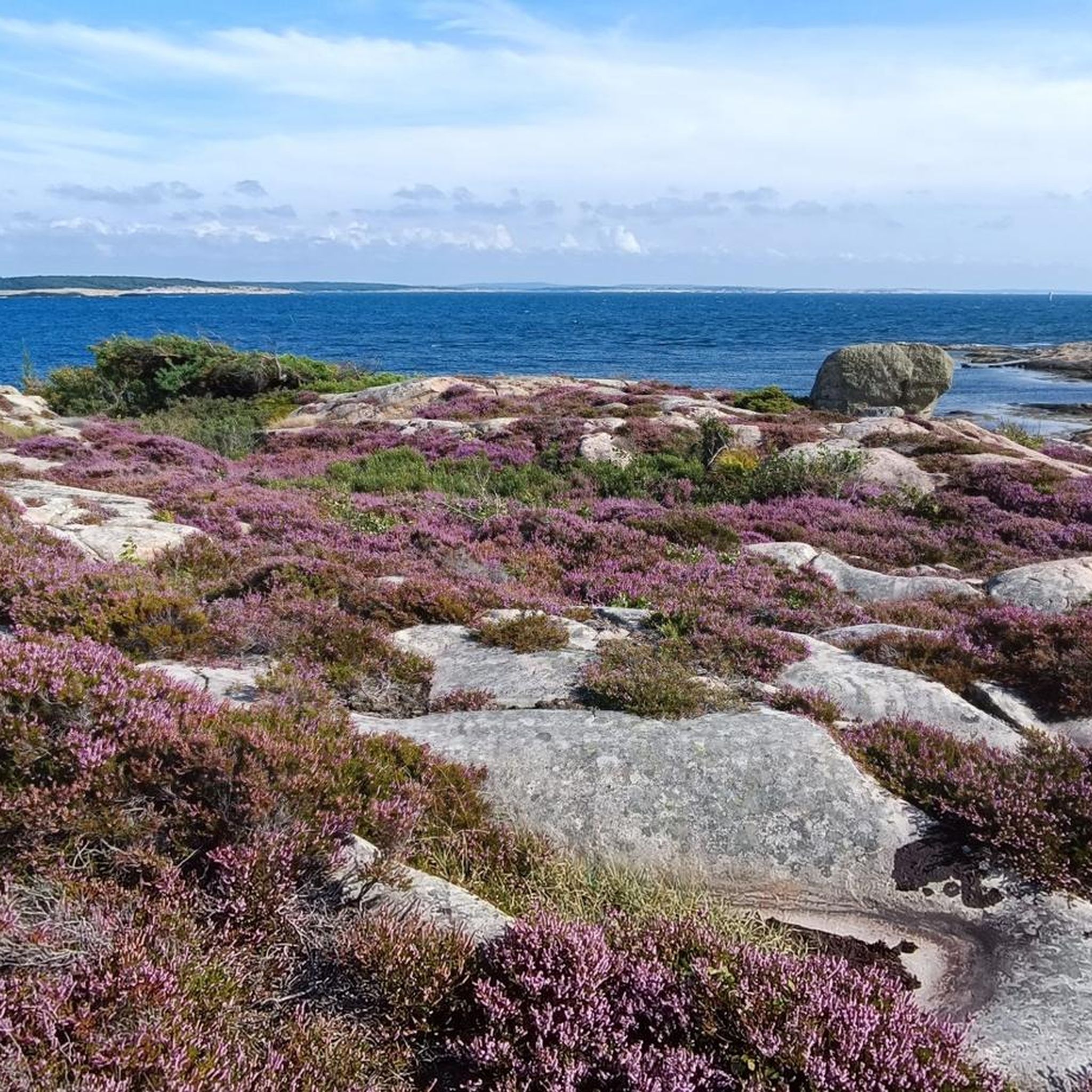
Beautiful view over the island. Even North Koster seems close enough to touch.
1
1
A nice little information center about the nature reserve. There's also the opportunity to purchase souvenirs.
1
1

The visitor center houses the Naturum, an information terminal about the Kosterhavet nature reserve. Public restrooms and rest areas with benches and tables are also located here. You can easily pass the time waiting for the ferry.
2
0
A beautiful summit with a slightly less impressive view than Ramnefjell. The climb is relatively easy, as it's almost the entire way up via a wooden staircase. Halfway up the wooden staircase is a rest area with a view of the church. Up there, everything is very spacious, and since the summit is quite wide, you don't really get a good view. There are two rest areas at the summit and a wooden platform with a distance marker in the middle, which is quite interesting to look over.
2
0

@Tilo Mushroom picking and berry picking are permitted in Sweden, both in national parks and nature reserves.
2
0
Valfjäll is the highest peak in South Koster and offers fantastic views over the two Koster Islands and Kosterhavet National Park. The climb, with its stairs, is somewhat more pleasant than the one to Ramnefjäll, and there are benches at the "summit" for a rest or a breather. The short detour/climb is worth it!
1
0
Frequently Asked Questions
What are the most popular natural monuments around Hvaler?
Visitors frequently enjoy exploring the region's unique natural and historical sites. Among the most popular are Naturum Kosterhavet, a visitor center offering insights into the marine reserve, and the Coastal View of Kosteröarna Nature Reserve, which provides spectacular ocean vistas. Another highly appreciated site is Stenskeppet (The Stone Ship), an ancient historical monument.
What kind of natural features can I expect to see in Hvaler?
Hvaler is an archipelago characterized by a diverse coastal and marine environment. You'll find rocky shores worn smooth by ice and water, coastal woodlands, and numerous islands, islets, and skerries. The region is part of Ytre Hvaler National Park, which boasts extensive kelp forests, eelgrass meadows, and deep-water corals beneath the surface, including the significant Tisler coral reef.
Are there family-friendly natural monuments to visit in Hvaler?
Yes, several natural monuments in the Hvaler area are suitable for families. The Naturum Kosterhavet visitor center, with its exhibition and aquarium, is a great educational stop. The Coastal View of Kosteröarna Nature Reserve offers accessible views and beach areas. Additionally, the historical site of Stenskeppet (The Stone Ship) and the Bronze Age Petroglyphs of Ships at Rundhaug provide engaging experiences for all ages.
What historical sites are considered natural monuments in Hvaler?
The Hvaler region features fascinating historical sites that are also recognized as natural monuments. One notable example is Stenskeppet (The Stone Ship), a 42-meter long ship setting made of 49 slender stones, likely dating from the Younger Iron Age. Another is the Bronze Age Petroglyphs of Ships at Rundhaug, featuring ancient rock carvings.
What outdoor activities can I do near the natural monuments in Hvaler?
The Hvaler region, particularly within Ytre Hvaler National Park, is excellent for outdoor activities. You can enjoy hiking, boating, kayaking, swimming, and diving. For specific routes, consider exploring the various trails available. You can find more information on hiking routes in the area on the Hiking around Hvaler guide, or discover cycling options in the Cycling around Hvaler guide.
Are there hiking trails near these natural monuments?
Yes, Hvaler offers numerous hiking opportunities. The Coastal Path (Kyststien) provides scenic trails across several islands, including Kirkøy, Asmaløy, and Vesterøy. You can find detailed hiking routes, such as the moderate 'View of Skjærhalden – Homlungen Lighthouse loop' or the easy 'Åsebu loop from Asmaløy', in the Hiking around Hvaler guide.
What is the best time to visit the natural monuments in Hvaler?
Hvaler benefits from a mild climate compared to other regions in Norway, making it an inviting destination year-round. There is very little snow in winter, which allows for almost continuous hiking. The warmer months are ideal for water-based activities like swimming and boating, while the mild climate makes spring, summer, and autumn excellent for exploring the coastal landscapes and trails.
Where can I find panoramic views of the Hvaler archipelago?
For stunning panoramic views, visit the Coastal View of Kosteröarna Nature Reserve, which offers spectacular vistas across the rocks, sands, and smaller islands. Another excellent spot is the Valfjäll Summit Viewpoint, the highest peak in South Koster, providing fantastic views over the Koster Islands and Kosterhavet National Park.
What marine life can I discover in Hvaler's natural monuments?
Ytre Hvaler National Park is renowned for its diverse marine ecosystems. You can find a rich underwater world featuring extensive kelp forests, eelgrass meadows, and deep-water corals, including the globally significant Tisler coral reef. These habitats support a wide array of marine life, such as fish, shellfish, various invertebrates, and even common seals, which have important pupping areas in the sea between Heia and Torbjørnskjær.
Is there a visitor center to learn more about the natural monuments?
Yes, you can visit the Naturum Kosterhavet, an information terminal about the Kosterhavet nature reserve. It features an exhibition and aquarium, offering insights into the region's marine life. Additionally, the Visitor Center Outer Hvaler National Park provides displays and an outdoor aquarium showcasing the local marine environment. You can check their information at visitoestfold.com.
What unique geological features are present in Hvaler?
The Hvaler archipelago exhibits notable geological features, primarily smooth and rounded slopes of granite and gneiss bedrock. The islands of Søsterøyene and Struten also contain rare rhomb-porphyry conglomerate, adding to the geological interest of the region.
What do visitors enjoy most about the natural monuments in Hvaler?
Visitors particularly appreciate the tranquility and immersion in the magnificent coastal landscape. They enjoy the panoramic ocean vistas, the unique marine biodiversity, and the opportunity to explore both historical sites and natural wonders. The mild climate and varied outdoor activities, from hiking scenic trails to observing marine life, also contribute to a highly positive experience.
Most popular attractions around Hvaler

Get inspired with the komoot mobile app


Explore more
Extend your search for the best caves by checking out these guides of the top ones around Hvaler:
