Top 11 Natural Monuments around Waremme
Best natural monuments around Waremme are found in the Hesbaye region of Belgium, offering diverse landscapes for exploration. This area features natural beauty, including nature reserves and river valleys. Visitors can discover 11 natural monuments, providing opportunities for hiking and enjoying varied environments. The region's natural features near Waremme include significant habitats for local flora and fauna.
Best natural monuments around Waremme
- The most popular natural monuments is Haut-Geer Nature Reserve, a lake that is a haven for birds…
Last updated: June 28, 2026
Haut-Geer Nature Reserve
Highlight • Lake
Translated by Google •
Tip by

Tree Frog Fountain
Highlight • Monument
This fountain is topped with a frog, a tree frog, as …
Translated by Google •
Tip by

Sign up now to discover places like this
Get recommendations on the best single tracks, peaks, & plenty of other exciting outdoor places.
Sign up for free
The Sept Fontaines Nature Reserve
Highlight • Natural Monument
Today there is a water pumping station and watercress beds are still in use.
Translated by Google •
Tip by

Jeker Valley Between Lauw and Otrange
Highlight • River
Translated by Google •
Tip by

Forest Path and Bench in Site Naturel du Grand-Axhe
Highlight • Forest
Translated by Google •
Tip by

Voroux Nature Reserve
Highlight • Forest
Translated by Google •
Tip by

Eastern Source of the Scheldt
Highlight • River
Translated by Google •
Tip by

Alluvial Forest of the Henri Fontaine Stream
Highlight • Forest
Translated by Google •
Tip by
Tumulus of Oleye (Liek)
Highlight • Historical Site
Translated by Google •
Tip by
Tumulus Trail
Highlight (Segment) • Historical Site
The …
Translated by Google •
Tip by

Start today with a free account
Your next adventure awaits.
Login or Signup



Tips from the Community

A beautiful area of (only) 34.5 hectares, characterized by reed beds, cattail ponds, and pools fringed by shrubs or with open banks... These diverse habitats offer countless bird species places to forage, nest, hibernate, or rest during their migration. No fewer than 212 species have already been observed! (Source: www.natagora.be)
3
0

The Henri Fontaine stream rises between Cras-Avernas and Bertrée, then irrigates several villages in the commune of Hannut before crossing the reserve at Grand-Hallet. Its source has long been linked to watercress cultivation, which requires good quality water.
6
0
In several places in the reserve, the alluvial bed is occupied by a floodplain forest, subject to the regular flooding of the Henri Fontaine stream, which deposits its silty alluvium. The forest stand is dominated by white willow and black alder, while the herbaceous layer is composed of large nettles. This wooded area is left to its own devices, favoring old trees, senescent wood, and deadwood. The Henri Fontaine stream rises between Cras-Avernas and Bertrée, then irrigates several villages in the commune of Hannut before crossing the reserve at Grand-Hallet. Its source has long been linked to watercress cultivation, which requires good quality water.
6
0
This marshy area of 21 hectares was already inhabited in prehistoric times and buildings were built in Roman times. Today there is a water pumping station and watercress beds are still in use. The area includes part of the valley of the Henri-Fontaine stream with flora that can no longer be found in the rest of the area. Damp meadows, dense reed land and tall perennial herbaceous plants of 1.5 to 2 meters high, located in alluvial zones on non-acidic and fairly moist soil with pieces of forest with trees that do well on wet soils, such as alders: these are remnants of the typical wet valleys that you often saw before agriculture became increasingly intensive. You cannot enter the nature reserve itself but you can see it quite well and at a certain point (if you follow the path next to it) you come to a beautiful piece of alluvial forest with the stream. Be sure to also walk to the Moulin Dardenne, which is located on the edge of the area on another road and location with the nature reserve behind it and streams that come out of the nature reserve. This is also the start of the path along the nature reserve. On the other side you will also find a start of the path - with information board - at a junction with the Rue du Condroz in Grand-Hallet. You will find it just before the bend behind which the Dardenne watermill is located. Turn left, it rises a little and then you are on the path. More on https://www.hannut.be/wp-content/uploads/2021/06/brochure-7-fontaines-nl.pdf where you will find a full description of a 'seven-sources walk' that of course runs along the nature reserve and many sights around it.
6
0

The Sept Fontaines nature reserve extends in Hannut on a part of the valley where the Henri-Fontaine flows, where many vegetation elements have disappeared, also on other territories municipalities. Stagnant water, a gently sloping river, dry reed beds, ruderal scrub, alluvial alder-ash forests, alluvial meadows... all bear witness to what could be observed less than a century ago in most valley bottoms, before the significant intensification of land use. The site is part of the main ecological structure of Hannut, as a core area.
4
0
The Tumulus of Saives or Tombe of Saives (locally referred to as A la Tombe) is a Gallo-Roman burial mound near Saives and Celles in the municipality of Faimes. The mound has a diameter of 42 to 46.5 metres and a height of six metres. In 1874, the burial mound was excavated by G. van Loon, who found a large central vault with a trapezoidal plan. The grave goods consisted of decorated leather harnesses and pieces of bronze horses. The pieces with inlay are kept in the Royal Museums of Art and History, the rest went to the Curtius Museum. Source: Wikipedia
2
0

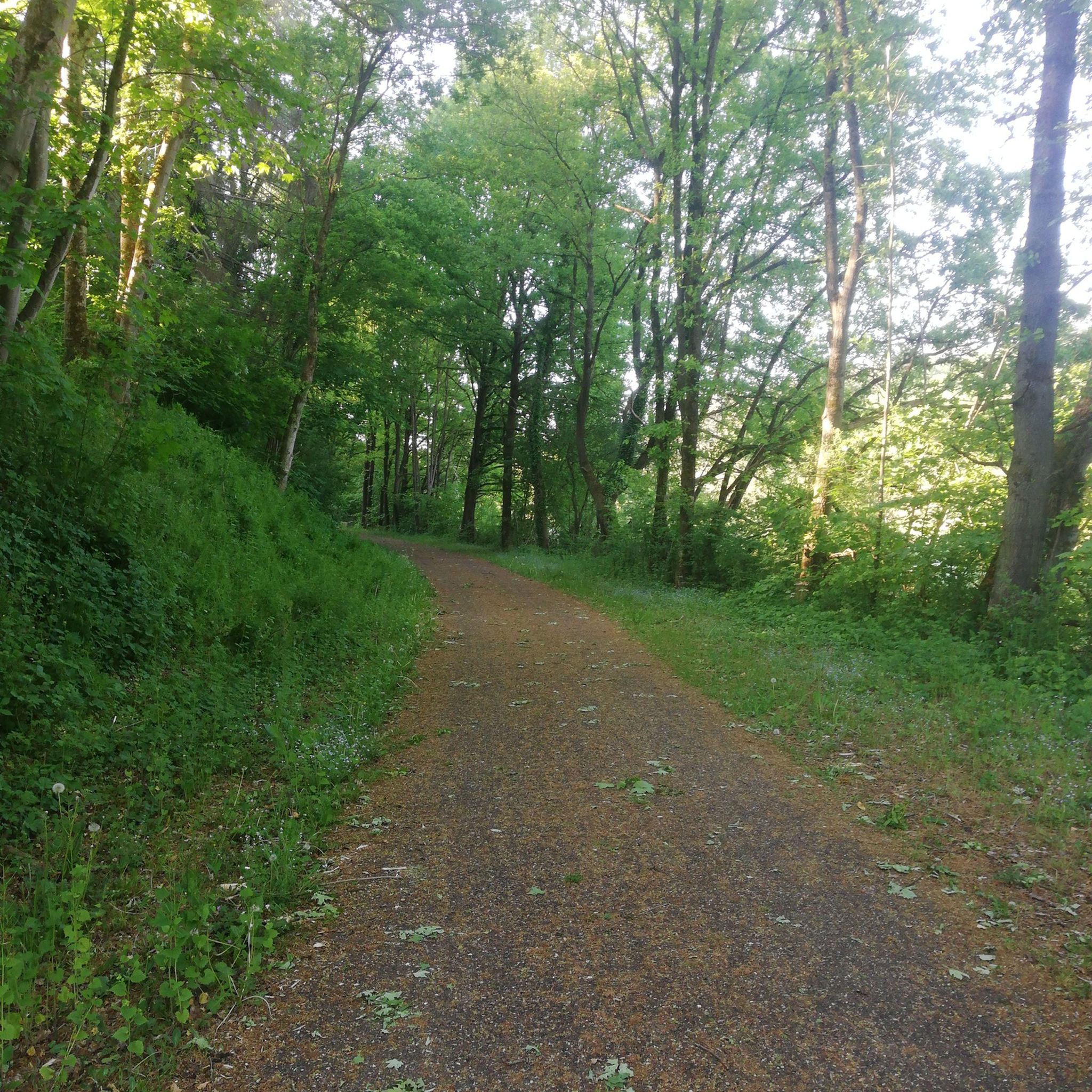
The Site naturel du Grand-Axhe is a beautiful natural area that extends over various landscapes, including grasslands, marshlands and small wooded areas. This place is a valuable habitat for a variety of flora and fauna and offers a peaceful environment for walkers who want to enjoy the natural beauty of the region.
0
0

the Geer, the Jeker in Dutch
3
0
Frequently Asked Questions
What are some of the most popular natural monuments around Waremme?
Among the most appreciated natural monuments are the Haut-Geer Nature Reserve, known as a haven for birds, and the Tree Frog Fountain, a unique man-made monument within a protected marshy meadow. Visitors also enjoy the Jeker Valley Between Lauw and Otrange for its varied landscapes.
Are there family-friendly natural monuments to visit near Waremme?
Yes, several natural monuments are suitable for families. The Haut-Geer Nature Reserve, the Tree Frog Fountain, the Jeker Valley Between Lauw and Otrange, and the Forest Path and Bench in Site Naturel du Grand-Axhe are all categorized as family-friendly, offering accessible environments for all ages to enjoy nature.
What kind of wildlife can I expect to see in the natural monuments around Waremme?
The region is rich in biodiversity. The Haut-Geer Nature Reserve is particularly renowned as a bird haven, with over 212 species observed. Wetlands like those around the Tree Frog Fountain support unique fauna and flora, including amphibians. Other reserves like Voroux Nature Reserve are also rich in various types of flora and fauna.
What outdoor activities can I do near these natural monuments?
The natural monuments around Waremme offer opportunities for various outdoor activities. You can find numerous routes for hiking, running, mountain biking, and road cycling. For detailed routes, explore the Running Trails around Waremme, MTB Trails around Waremme, and Road Cycling Routes around Waremme guides.
Are there historical natural monuments in the Waremme area?
Yes, the region also features natural monuments with historical significance. The Tumulus of Oleye (Liek) and the Tumulus Trail are examples of historical sites that are also recognized as natural monuments, offering a blend of nature and heritage.
What types of natural features can I expect to see around Waremme?
Waremme's natural monuments showcase diverse features, including lakes, rivers, forests, and grasslands. You can explore the reed beds and ponds of the Haut-Geer Nature Reserve, the undulating river valley of the Jeker Valley, and the varied landscapes of the Site Naturel du Grand-Axhe which includes grasslands, marshlands, and wooded areas.
Where can I find peaceful nature walks near Waremme?
For peaceful nature walks, the Forest Path and Bench in Site Naturel du Grand-Axhe offers a tranquil environment with grasslands, marshlands, and small wooded areas. The Voroux Nature Reserve is also known for its natural calm and the unique sound of birds, making it ideal for a quiet stroll.
Are there any natural reserves focused on rivers or streams?
Yes, the region includes natural monuments centered around watercourses. The Sept Fontaines Nature Reserve, the Eastern Source of the Scheldt, and the Alluvial Forest of the Henri Fontaine Stream all highlight the importance of rivers and streams within their natural settings.
What is the Burdinale Mehaigne Natural Park and what does it offer?
The Burdinale Mehaigne Natural Park, located near Waremme, is celebrated for its diverse and contrasting landscapes, rich fauna, and flora. It offers numerous opportunities for nature walks and outdoor activities. Within the park, you can find sites like the Tree Frog Fountain and areas ideal for walks, such as around Fumal, which feature forests, meadows, and orchards.
What is the best time to visit the natural monuments around Waremme?
The natural monuments around Waremme can be enjoyed throughout the year, with each season offering a different experience. Spring and autumn are particularly pleasant for hiking and birdwatching due to milder temperatures and vibrant natural colors. Summer allows for longer days and full enjoyment of the landscapes, while winter can offer serene, quiet walks, especially in forested areas.
Are there any natural monuments that are particularly good for birdwatching?
Absolutely. The Haut-Geer Nature Reserve is considered one of the most beautiful observation sites in the Walloon Region for birds. Its diverse habitats, including reed beds and ponds, attract a wide variety of bird species, making it a prime location for birdwatching enthusiasts.
Most popular routes around Waremme
Most popular attractions around Waremme

Get inspired with the komoot mobile app


Didn’t find what you were looking for?
Find even more amazing natural monuments around Waremme by checking out the top Highlights region by region:
Explore more
Extend your search for the best caves by checking out these guides of the top ones around Waremme:
