Top 20 Natural Monuments around Geer
Best natural monuments around Geer are found in a region characterized by its diverse geological features and rich ecosystems. The area, particularly around the Geer River valley, offers a landscape shaped by rivers and historical human interaction with its natural resources. This includes limestone plateaus, extensive underground networks, and significant nature reserves. The natural monuments provide insights into the region's geological past and support a variety of flora and fauna.
Best natural monuments around Geer
- The most popular natural monument…
Last updated: June 28, 2026
Haut-Geer Nature Reserve
Highlight • Lake
Translated by Google •
Tip by

Overbroek Nature Reserve
Highlight • Natural
Translated by Google •
Tip by

Sign up now to discover places like this
Get recommendations on the best single tracks, peaks, & plenty of other exciting outdoor places.
Sign up for free
Horne Forest
Highlight • Forest
Translated by Google •
Tip by

Twee Tommen Gallo-Roman Burial Mounds
Highlight • Historical Site
Translated by Google •
Tip by
Beautiful view of the hill
Highlight • Viewpoint
Translated by Google •
Tip by
Sign up for free to discover even more natural monuments around Geer.
Sign up for free
Already have an account?
Start today with a free account
Your next adventure awaits.
Login or Signup

Tips from the Community

Where silence, beauty and color make a connection with your hike...
3
0

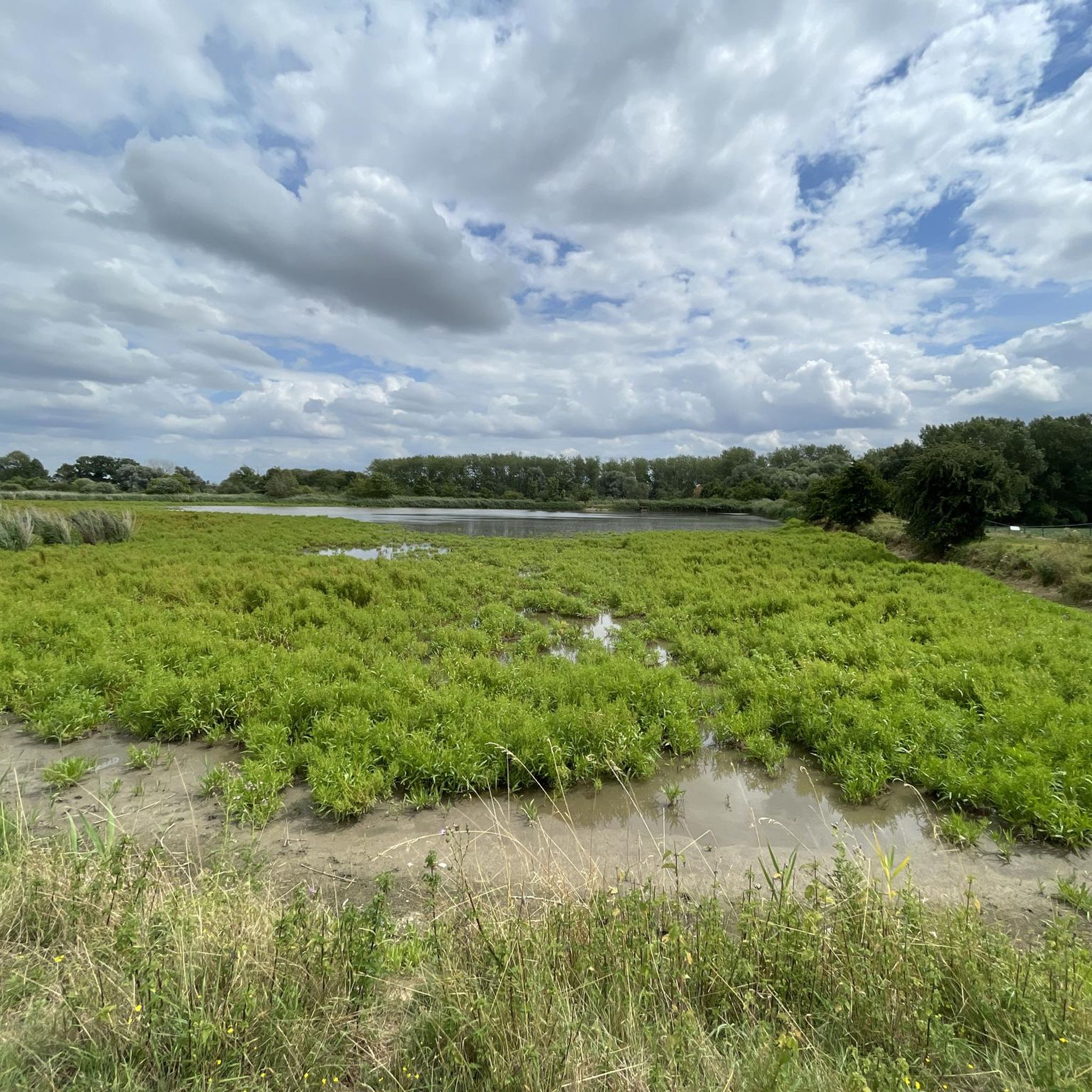
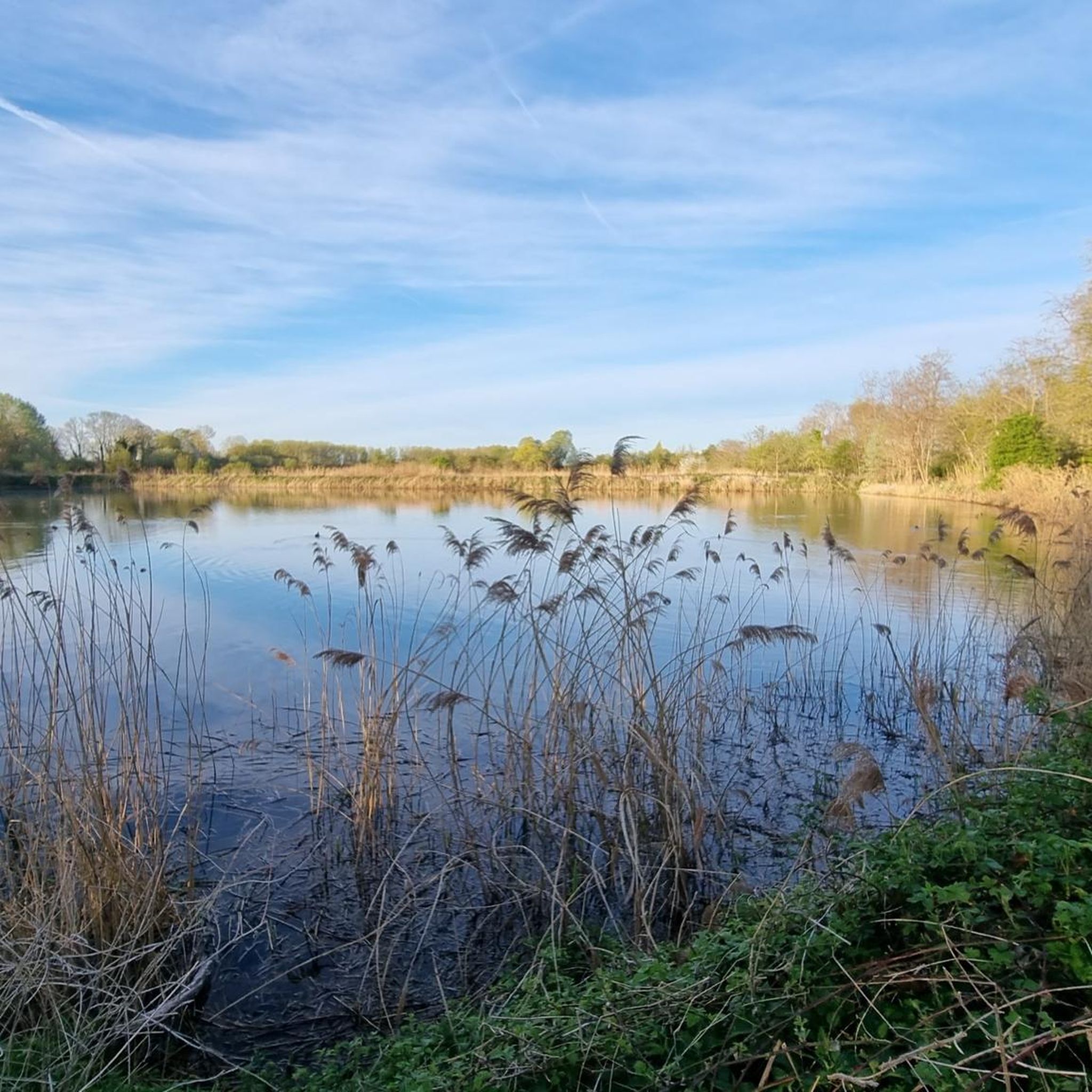
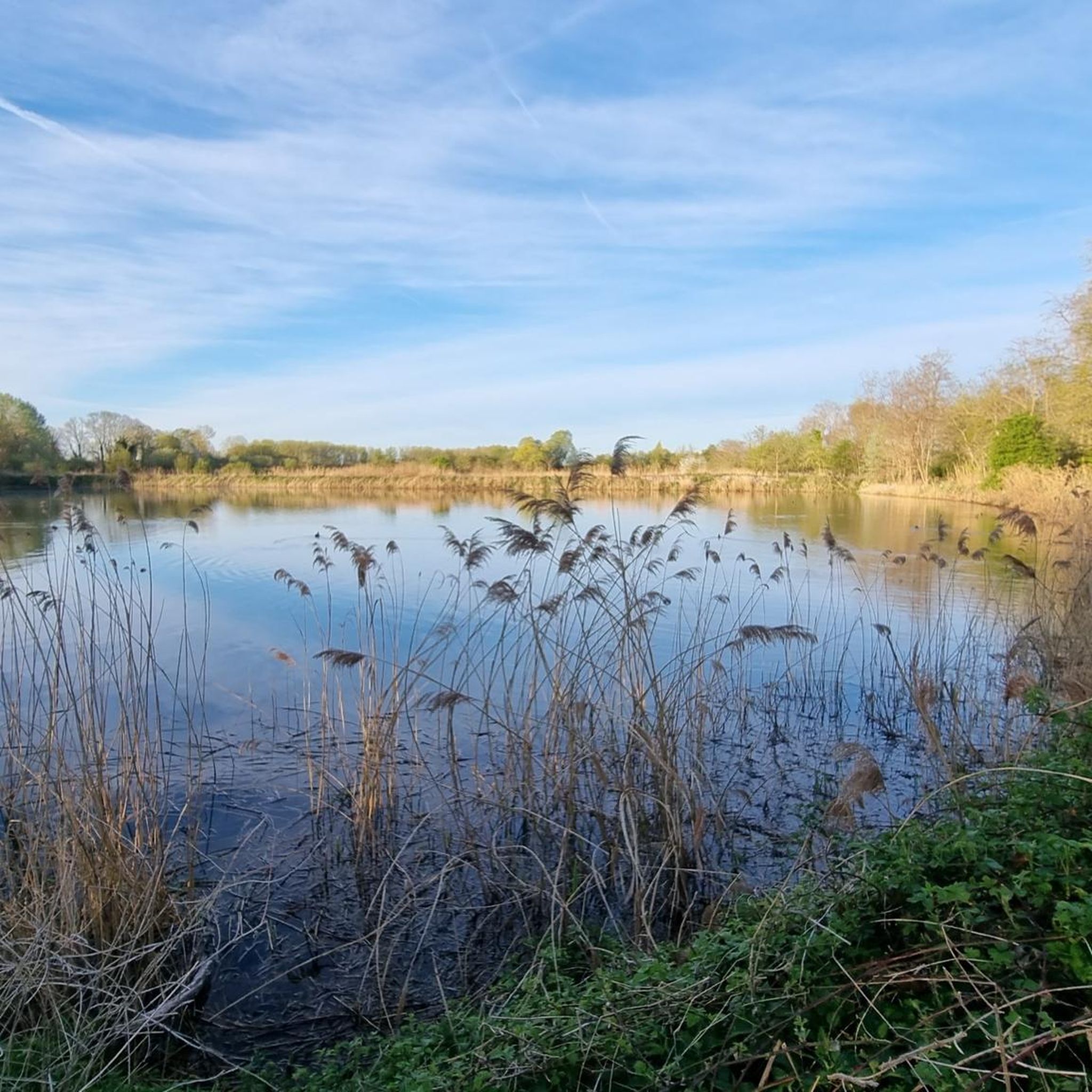
A beautiful area of (only) 34.5 hectares, characterized by reed beds, cattail ponds, and pools fringed by shrubs or with open banks... These diverse habitats offer countless bird species places to forage, nest, hibernate, or rest during their migration. No fewer than 212 species have already been observed! (Source: www.natagora.be)
3
0

Deciduous forest traversed by the Hornebeek stream. In recent decades, it has dried out considerably, especially during the summer, with the stream also drying up because the Water Group operates a drinking water extraction facility here. This permit is expiring so the stream and wet forest can slowly recover.
1
0
Through the Hornebos forest of deciduous trees and shrubs. Nature management here means "leave everything that falls or blows over." The Hornebeek stream accompanies you along the avenue. The first source immediately runs to the left of the road, while the second source emerges 200m from the right, passing under the road, where they continue together.
1
0

Tumulus is the Roman term for a burial mound built over the cremation grave of a prominent citizen.
5
0
This fertile region was clearly a chosen area for Gallo-Roman villa builders. At a good 2.5 km apart you will find 3 tumili sites. Here the 2 Tommen van Vorsen.
3
0
This deciduous forest, one of the few in Droog-Haspengouw, originally belonged to the domain of Bovelingen Castle. The forest is rich in plants, including Slender Primrose and Giant Beetle Orchid. The highest point is about 130 meters above sea level. From there you have a beautiful view over the clay plateau of Haspengouw. There are sunken roads in the forest. The Peterkerebrukensloop originates in the forest, which flows into the Herk. An underground tunnel connected this stream with the castle ponds. In 1980, this forest was purchased by the Agency for Nature and Forests. Then the damp parts were overgrown with poplar and Norway spruce. In 1985 these trees were replaced by more natural vegetation, and in 2002 a further 15 hectares, bordering the forest, were planted with trees.
3
1

It is a protected monument. The tumuli were intended for eternity. In 1979 we were legally protected because they are also valuable for our time and for the future. They remind us of the rich culture of almost 2000 years ago. By taking care of it together, the rich past is preserved for generations to come. The hills in front of you were made by man, in the second century. Under such a hill lay the grave of an inhabitant of one of the many Gallo-Roman farms in the area. We call a Gallo-Roman burial mound a tumulus (Latin, plural: tumuli). There have been hundreds of tumuli throughout Haspengouw. Now there are only fifteen left in our province. Gingelom has six, more than any other municipality in South Limburg. You can visit them all.
3
0
Frequently Asked Questions
What are some prominent natural features around Geer?
The Geer region offers diverse natural features. You can explore the wetlands and reed beds of Haut-Geer Nature Reserve, the unique calcareous grasslands and forests of Overbroek Nature Reserve, and the tranquil, diverse flora of Horne Forest. The area is also characterized by its limestone plateau and river valleys, particularly around the Geer and Meuse rivers.
Are there any historical natural monuments in the Geer area?
Yes, the region combines natural beauty with historical significance. The Twee Tommen Gallo-Roman Burial Mounds are ancient man-made hills that blend into the natural landscape, offering a glimpse into the region's past. Additionally, the geological formations, especially around Mount Saint Peter, have been utilized by humans since Neolithic times for flint mining, creating extensive underground networks that are now ecologically significant.
What kind of wildlife can I expect to see in the natural monuments around Geer?
The natural monuments around Geer are rich in wildlife. Haut-Geer Nature Reserve is a significant bird observation site, with over 212 species recorded, making it a paradise for birdwatchers. The tunnels and caves of Mount Saint Peter are home to various bat species, and the nature reserves support diverse ecosystems, including birds like the Eurasian eagle-owl and unique flora like orchids.
Are there family-friendly natural monuments to visit near Geer?
Many natural monuments in the Geer area are suitable for families. Haut-Geer Nature Reserve, Overbroek Nature Reserve, and Horne Forest are all marked as family-friendly. These locations offer opportunities for gentle walks, nature observation, and enjoying the outdoors together. The Twee Tommen Gallo-Roman Burial Mounds also provide an educational and accessible historical experience for all ages.
What are the best times of year to visit the natural monuments around Geer?
The natural monuments around Geer can be enjoyed throughout the year, each season offering a different experience. Spring is ideal for seeing wild daffodils and other rare plants in bloom at Overbroek Nature Reserve. Summer and autumn are excellent for hiking and enjoying the lush greenery and changing foliage in areas like Horne Forest. Birdwatching at Haut-Geer Nature Reserve is rewarding during migration seasons.
Where can I find hiking and cycling routes near Geer's natural monuments?
The Geer area offers numerous routes for outdoor activities. For running, you can find trails around Haut-Geer Nature Reserve, with distances up to 12 km and moderate difficulty. Road cycling routes, including longer rides up to 75 km, are also available. Mountain biking enthusiasts can explore trails around Haut-Geer Nature Reserve, with routes up to 47 km. You can find detailed guides for these activities on the Running Trails around Geer, Road Cycling Routes around Geer, and MTB Trails around Geer guide pages.
Are there any unique geological sites to explore in the Geer region?
Yes, the Geer region is geologically significant. The area, particularly around Mount Saint Peter, is a limestone plateau with chalk deposits rich in fossils. You can visit the Geological Collection at Natuurhuis Haspengouw in Gelinden, which displays local rocks and fossils, including marls from the region's quarries. This collection provides insights into the geological layers that form the hills and landscapes of Geer.
What makes the Haut-Geer Nature Reserve special for birdwatching?
The Haut-Geer Nature Reserve is considered one of the most beautiful bird observation sites in the Walloon Region. Formed from old settling basins, its 34.5 hectares feature diverse habitats like reed beds, cattail ponds, and open banks. These provide crucial foraging, nesting, hibernating, and resting spots for countless bird species during migration, with over 212 species observed.
What unique flora can be found at Overbroek Nature Reserve?
The Overbroek Nature Reserve is renowned for its unique flora, especially in its calcareous grasslands, poplar forests, wet meadows, and reed beds. In early spring, visitors can witness beautiful displays of wild daffodils. The reserve also hosts various rare plants that thrive in calcareous environments, including several species of orchids.
What is the significance of the Twee Tommen Gallo-Roman Burial Mounds?
The Twee Tommen Gallo-Roman Burial Mounds are historically significant as they are among the few remaining tumuli in Haspengouw. These man-made hills, dating back to the second century, served as burial sites for prominent citizens during the Gallo-Roman period. They are protected monuments, offering a tangible link to the rich culture of nearly 2000 years ago and providing an opportunity to learn about ancient burial practices.
What kind of geological collection can be seen at Natuurhuis Haspengouw?
Next to the Natuurhuis Haspengouw visitor center in Gelinden, you can view a fascinating Geological Collection. It features a variety of rocks, many sourced from the local region, including marls from Gelinden's famous quarry. Each rock is clearly labeled with its name, location, and age. The visitor center also houses a permanent exhibition of 58-million-year-old fossils of marine and land plants, as well as flints and other archaeological finds.
What do visitors enjoy the most about the natural monuments around Geer?
Visitors particularly appreciate the tranquility and natural beauty of the Geer region's natural monuments. The diverse flora and fauna, especially the birdlife at Haut-Geer Nature Reserve and the unique plants at Overbroek Nature Reserve, are highly valued. The peaceful atmosphere and varied views of Horne Forest also receive positive feedback, with some describing it as having a 'fairytale-like feel'.
Most popular attractions around Geer

Get inspired with the komoot mobile app


Explore more
Extend your search for the best caves by checking out these guides of the top ones around Geer:
