Top 18 Natural Monuments around Moerbeke
Natural monuments around Moerbeke, a municipality in East Flanders, Belgium, offer diverse natural areas for exploration. The region is characterized by its ecological significance and opportunities for outdoor recreation. Key features include heathland, such as Stropersbos, and various waterways. These natural landscapes provide habitats for specific wildlife and are suitable for hiking and cycling.
Best natural monuments around Moerbeke
- The most popular natural monument is Spanish Line in Stropersbos, a historical site within a forest that contains remains of…
Last updated: August 22, 2026
Spanish Line in Stropersbos
Highlight • Historical Site
Translated by Google •
Tip by

Molsbroek Nature Reserve
Highlight • Natural Monument
Translated by Google •
Tip by

Sign up now to discover places like this
Get recommendations on the best single tracks, peaks, & plenty of other exciting outdoor places.
Sign up for free
Fort Sint-Jacob and Staats-Spaanse Lines
Highlight • Historical Site
Translated by Google •
Tip by

Observation tower in the Boudelo Foundation
Highlight • Viewpoint
Translated by Google •
Tip by

Fort Sint-Jacob
Highlight • Historical Site
Translated by Google •
Tip by
Sign up for free to discover even more natural monuments around Moerbeke.
Sign up for free
Already have an account?
Start today with a free account
Your next adventure awaits.
Login or Signup

Tips from the Community

The lookout tower in the Fondatie van Boudelo nature reserve is a design by the young architectural firm Baeten Hylebos Architecten. The tower stands diagonally relative to the avenue amidst the undergrowth, a few meters from the path. In the Architecture Book Flanders N°14 (2021), it is poetically described as follows: In the doorway "light seeps in through the cracks of the planked walls and falls onto a staircase that winds invitingly around the central column. The walk upwards already offers, here and there, some perspectives on the surrounding natural beauty. For this purpose, the planks of the wall conveniently lie in a horizontal articulation. At the top of the stairs, the true reward awaits: an impressive tableau of fields, ponds, forests, birds, and if you're lucky, a leap of deer."
3
0

On this elevated gravel path, you'll discover a special piece of the past and nature at Fort Sint-Jacob. This historic fort is part of the impressive Staats-Spaanse Linies and was strategically located between Fort Sint-Joseph and Fort Sint-Livinus, as part of the line of communication between Hulst and Sas van Gent. Here you can still feel the traces of the Eighty Years' War, when the fort was constructed in 1634 to protect the hinterland against invasions. Just a few years later, it fell into other hands, making the story of this place all the more captivating. Once, Fort Sint-Jacob was a compact, square redoubt with sturdy earthen ramparts and a protective moat. Today, these outlines are still clearly visible in the landscape, allowing visitors to literally walk through history. Thanks to careful restorations, including a reconstructed courtyard and a new drawbridge, the fort has been brought back to life. At the same time, nature has been allowed to run wild here. The area is managed by Staatsbosbeheer and has become a tranquil nature reserve. Whether you are interested in history, enjoy walking or cycling, or simply want to escape the hustle and bustle for a while: Fort Sint-Jacob invites you to come and see, discover, and enjoy.
6
0
An ideal stopping point on your cycling or hiking experience: Step back in time and discover a hidden piece of history: Fort Sint-Jacob. This fascinating remnant from the Eighty Years' War takes you back to a period when borders were still fought over and waterways made the difference between safety and danger. Located on the Passageule, this fort once formed a crucial link between the Spanish Netherlands and the States' territories. As part of the impressive States-Spanish Lines, Fort Sint-Jacob guarded the border and held back enemy infiltrations from the north. After the Peace of Münster, the fort lost its military function and slowly faded into obscurity. Nature took over, until around 2010 it was restored with care and respect for the past. Today, you can once again experience the contours of the past, including a replica of a cannon that symbolises the struggle that was once waged here. But Fort Sint-Jacob is more than just history. It is a place where peace and nature meet. The ramparts and moats now form a unique landscape where special plants and animals feel at home, typical of the brackish Zeeland area. Whether you are walking or cycling, this is an ideal place to pause, enjoy, and let yourself be carried away by the past. Let yourself be surprised and experience Fort Sint-Jacob for yourself.
4
0
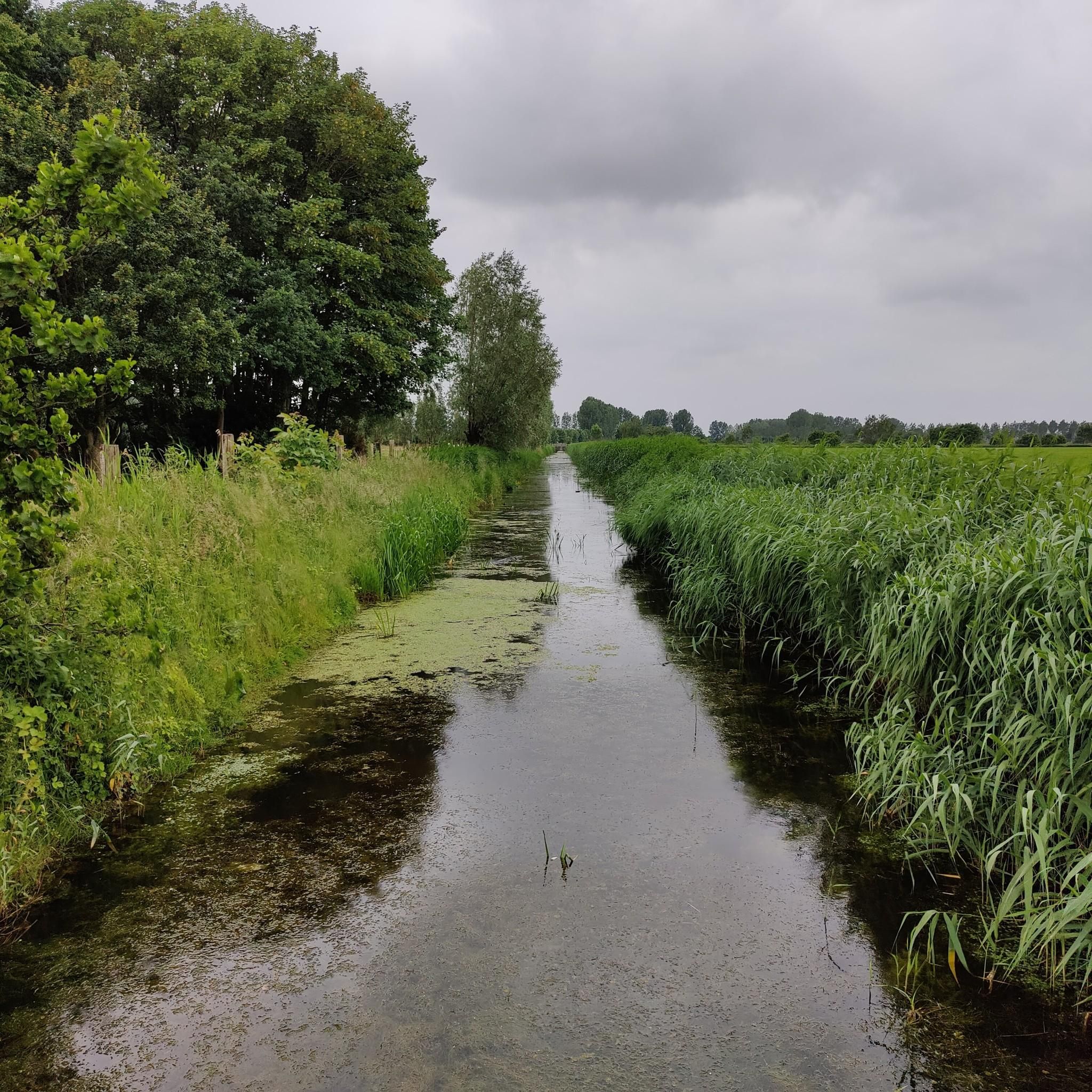
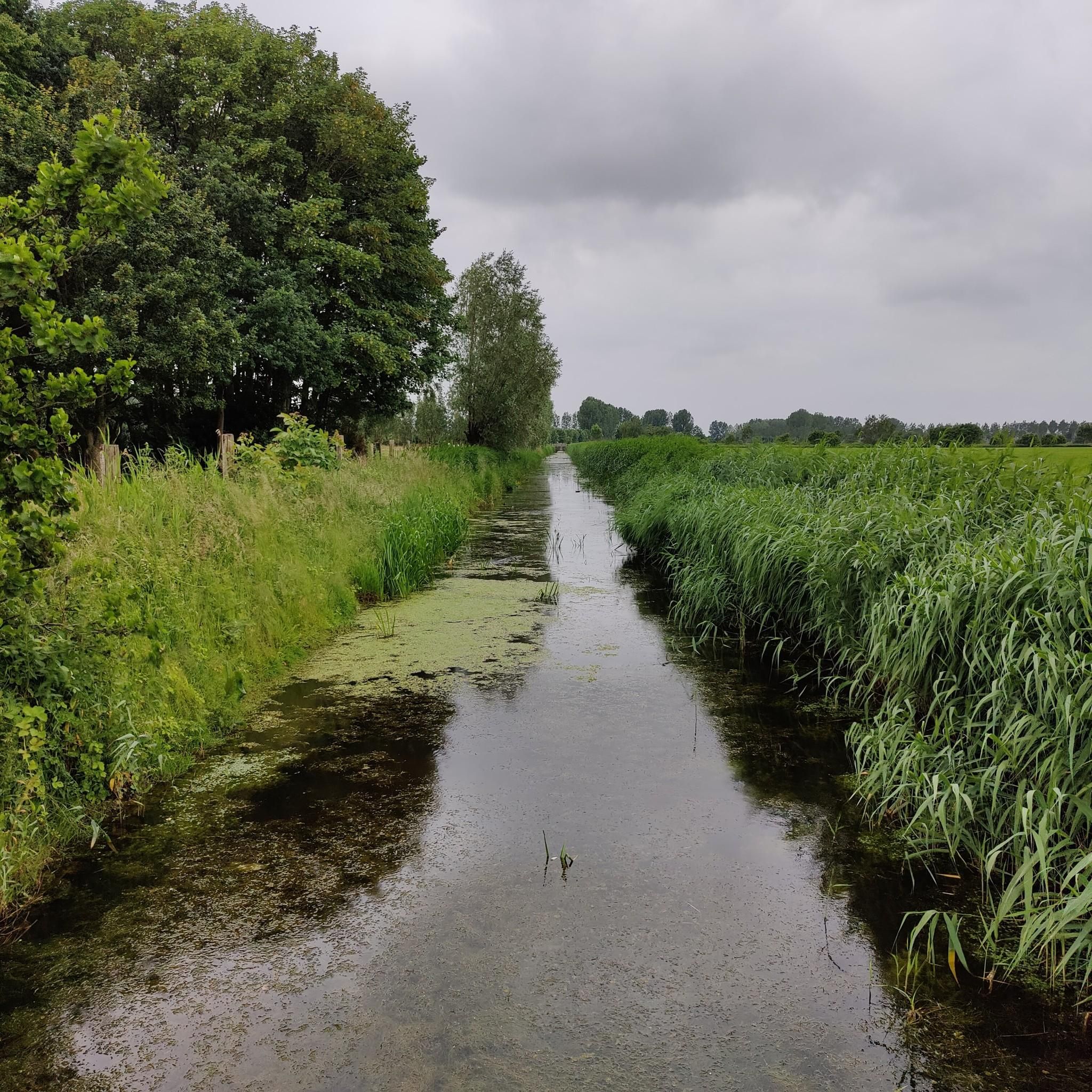
When you think of nature in Lokeren, you immediately think of the Molsbroek! It is the largest protected nature reserve (more than 80 hectares) in the region. Many visitors seek out the peaceful watery landscape. Enjoy at your own pace.
1
0

Cycling along two nature reserves: Molsbroek and the Buylaerts...
0
0

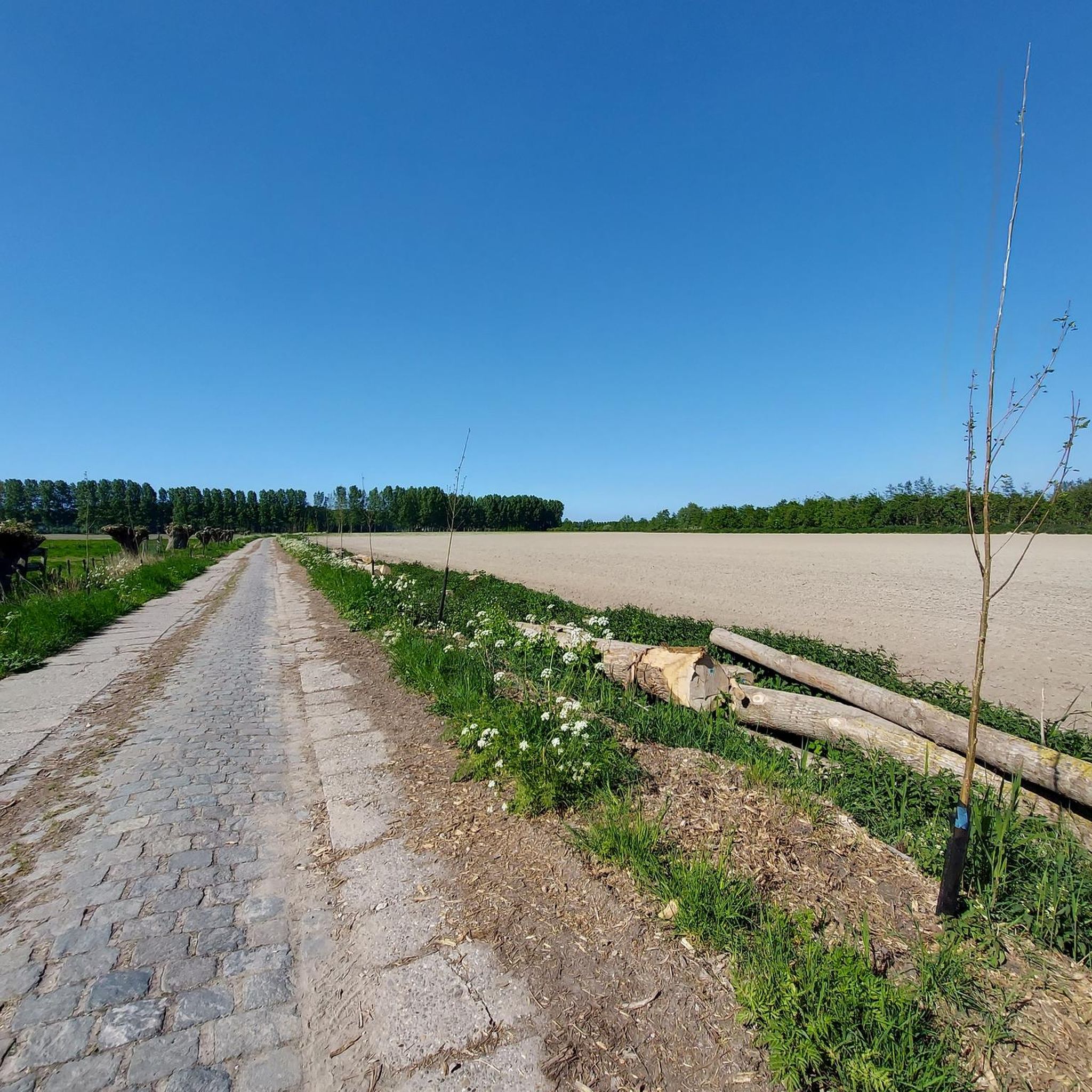
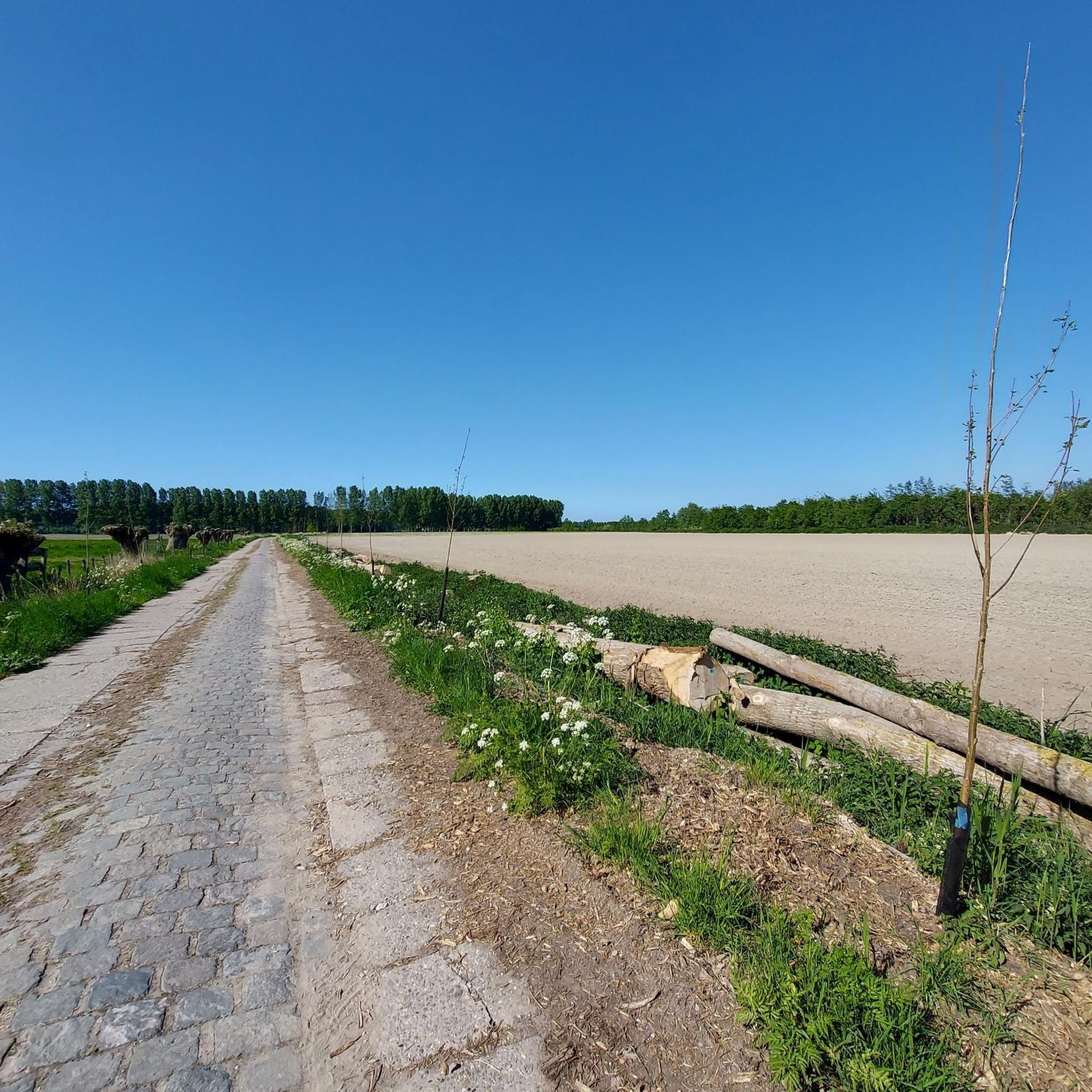
Nice and quiet place to walk (or even cycle). If you are lucky you might see sheep on the path. Here and there on the route there are benches to rest.
2
0
Beautiful and quiet forest (if in high season). The hiking trails are almost in order, sometimes it can be a bit muddy during heavy rain. If you are lucky you might spot some deer 😊
1
0

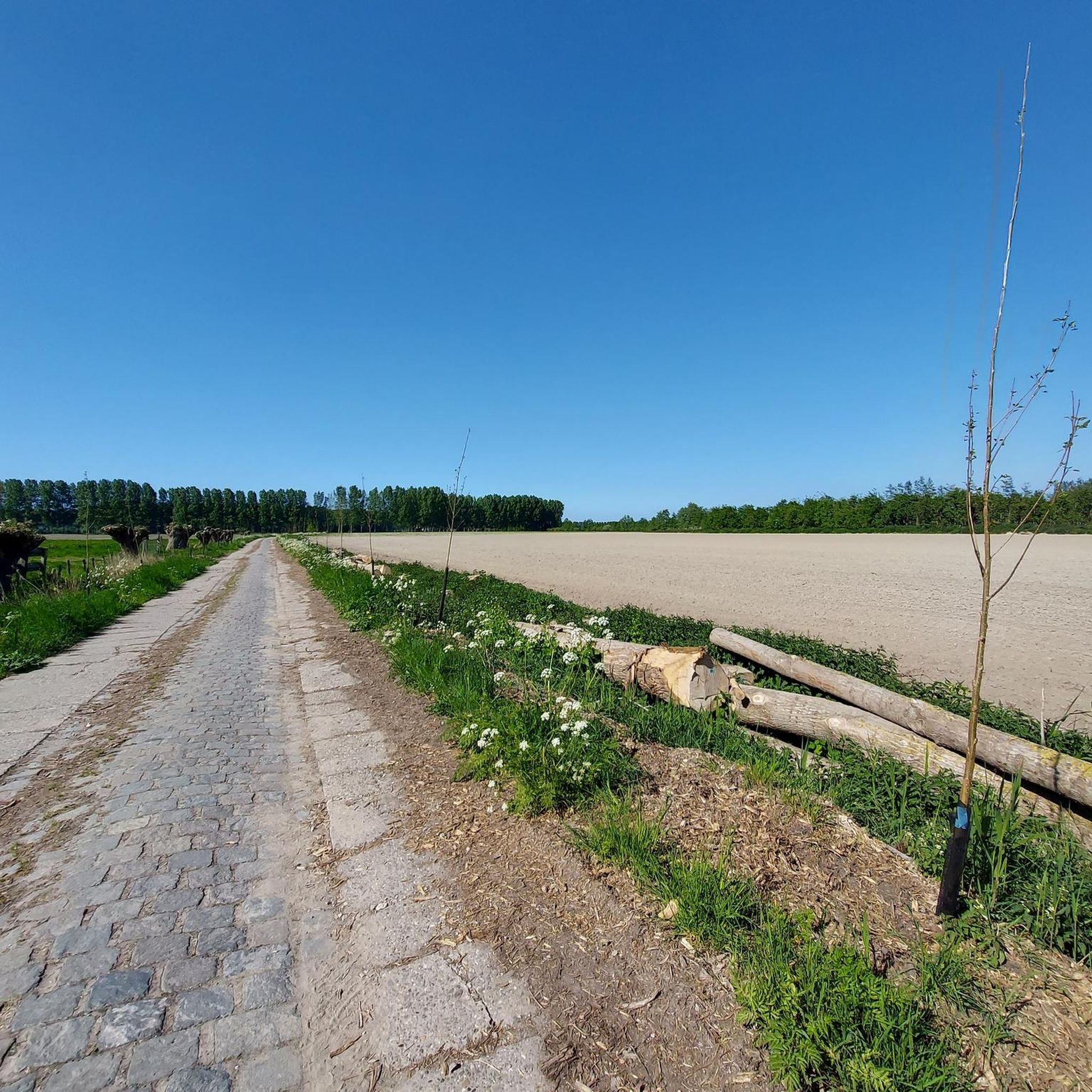
The fort and the line dike are still clearly recognizable in the landscape. Restoration work was carried out in 2009, which also included the construction of a new drawbridge and the reconstruction of the courtyard. The fort is now a nature reserve, managed by Staatsbosbeheer. It is freely accessible and there are hiking trails.
8
0
Frequently Asked Questions
What unique natural landscapes can I explore in Moerbeke?
Moerbeke offers diverse natural landscapes, most notably the heathland of Stropersbos (also known as Heidebos). This area, once coniferous forest, has been restored to its natural heathland state, providing a unique ecosystem. Additionally, the scenic towpaths along the Moervaart and Stekense Canal offer peaceful natural views along historic waterways.
What kind of wildlife can I observe in Moerbeke's natural areas?
In the restored heathland of Stropersbos, you might spot specific wildlife such as field crickets and woodlarks, which thrive in this unique habitat. The various waterways and forests also provide homes for diverse bird species and other small animals.
Are there historical sites integrated with the natural monuments around Moerbeke?
Yes, several natural monuments in Moerbeke have significant historical connections. For instance, the Spanish Line in Stropersbos features remains of a 1701 defense line. Another notable site is Fort Sint-Jacob, a 17th-century fort that is now a nature reserve with hiking trails.
Are there family-friendly natural monuments around Moerbeke?
Absolutely. Several natural monuments are suitable for families, including Fort Sint-Jacob, which offers hiking trails within a recognizable landscape. Groote Gat, a nature reserve and former dike breach area, is also family-friendly and popular for recreational fishing. The Water Extraction Forests Zeeuws-Vlaanderen are another option, providing space for various plants and animals.
What outdoor activities can I do near the natural monuments in Moerbeke?
The natural monuments around Moerbeke are excellent for outdoor activities. You can enjoy cycling along the Moervaart Towpath and Stekense Canal, which offer peaceful and scenic routes. Hiking is popular in areas like Stropersbos and Fort Sint-Jacob. For more structured routes, consider exploring the nearby cycling guides, such as those for Cycling around Moerbeke or Gravel biking around Moerbeke.
Can I go hiking in the natural monuments around Moerbeke?
Yes, hiking is a popular activity. Stropersbos offers trails through its unique heathland. Fort Sint-Jacob also has accessible hiking trails within its nature reserve. These areas provide opportunities to explore the natural beauty and historical elements of the region on foot.
Are the natural monuments around Moerbeke dog-friendly?
Many natural areas and towpaths in Moerbeke, such as the Moervaart Towpath and Stekense Canal, are generally dog-friendly, especially if dogs are kept on a leash. For specific natural reserves like Stropersbos or Fort Sint-Jacob, it's advisable to check local signage for any specific regulations regarding dogs.
What is the best time of year to visit the natural monuments in Moerbeke?
The natural monuments in Moerbeke can be enjoyed year-round. Spring and summer are ideal for experiencing the lush greenery and wildlife, especially in areas like Stropersbos. Autumn offers beautiful foliage along the waterways. Even in winter, the quiet towpaths along the Moervaart and Stekense Canal provide peaceful walks.
Where can I find refreshments or accommodation near the natural monuments?
While direct facilities might not be at every monument's entrance, the municipality of Moerbeke and surrounding towns offer various cafes, pubs, and accommodation options. It's recommended to plan your visit and check for establishments in Moerbeke-Waas or nearby villages before or after your exploration.
What do visitors appreciate most about the natural monuments in Moerbeke?
Visitors frequently appreciate the blend of nature and history. The komoot community has upvoted highlights like the Spanish Line in Stropersbos for its historical significance within a natural setting, and Fort Sint-Jacob for its well-preserved fort and nature reserve status. The peacefulness of the waterways and the unique heathland landscape are also highly valued.
Are there any lesser-known natural monuments worth exploring in the region?
Beyond the more prominent sites, consider visiting the Rieme-Oostakker Execution Site and Deportation Wagon. While primarily a historical site, it is also recognized as a green zone for peace and contemplation, offering a reflective natural space that is protected as a landscape.
Most popular routes around Moerbeke
Most popular attractions around Moerbeke

Get inspired with the komoot mobile app


Explore more
Extend your search for the best caves by checking out these guides of the top ones around Moerbeke:
