Top 20 Natural Monuments around Willebroek
Natural monuments around Willebroek offer diverse landscapes, from expansive flood plains to unique geological formations. The region is characterized by its waterways, including the Rupel river and various flood areas, which contribute to its rich biodiversity. These natural areas provide opportunities for observing wildlife and exploring varied ecosystems. The landscape features remnants of ancient forests, wetlands, and rare inland dunes, showcasing a blend of ecological and historical significance.
Best natural monuments around Willebroek
- The most popular natural monument is Confluence…
Last updated: October 15, 2026
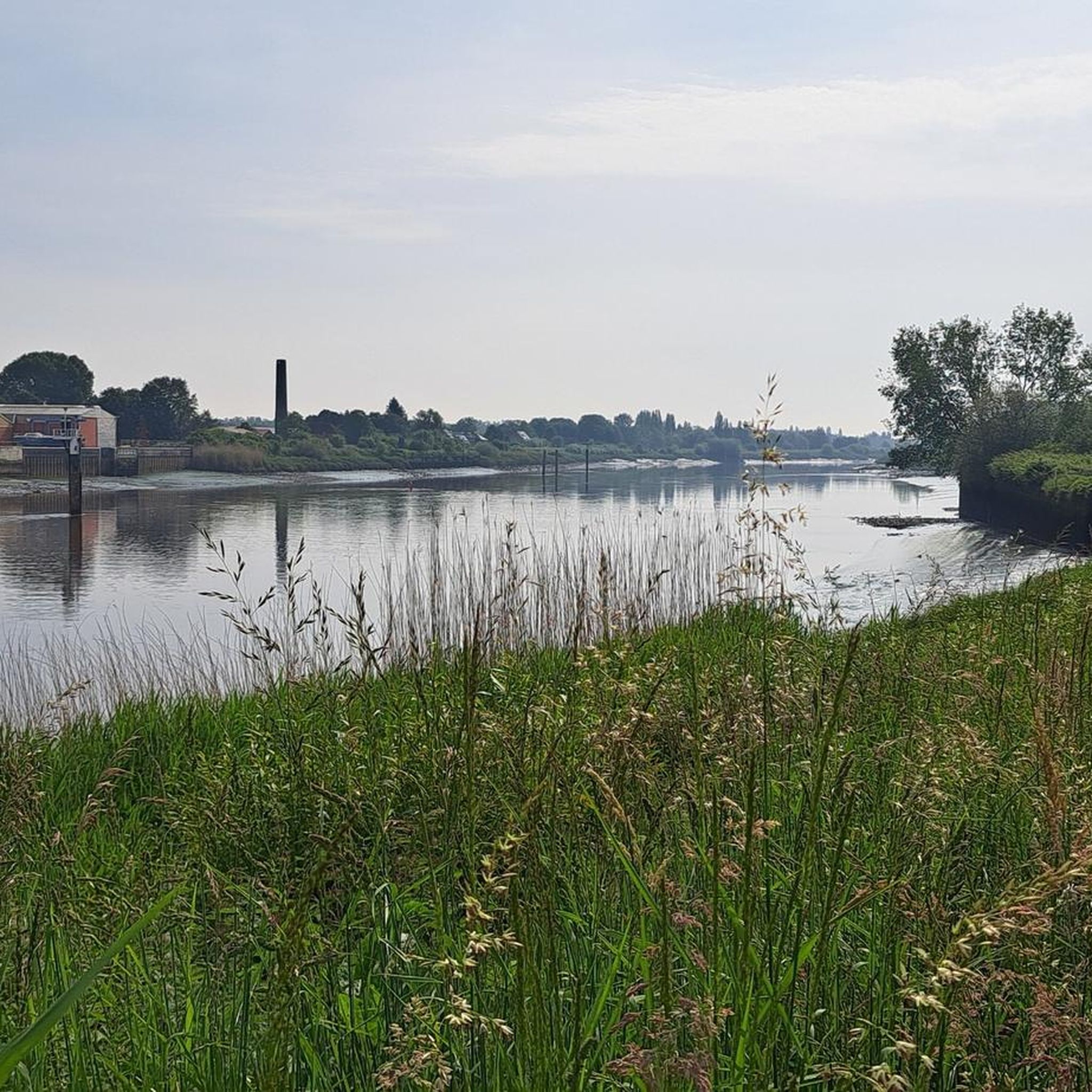
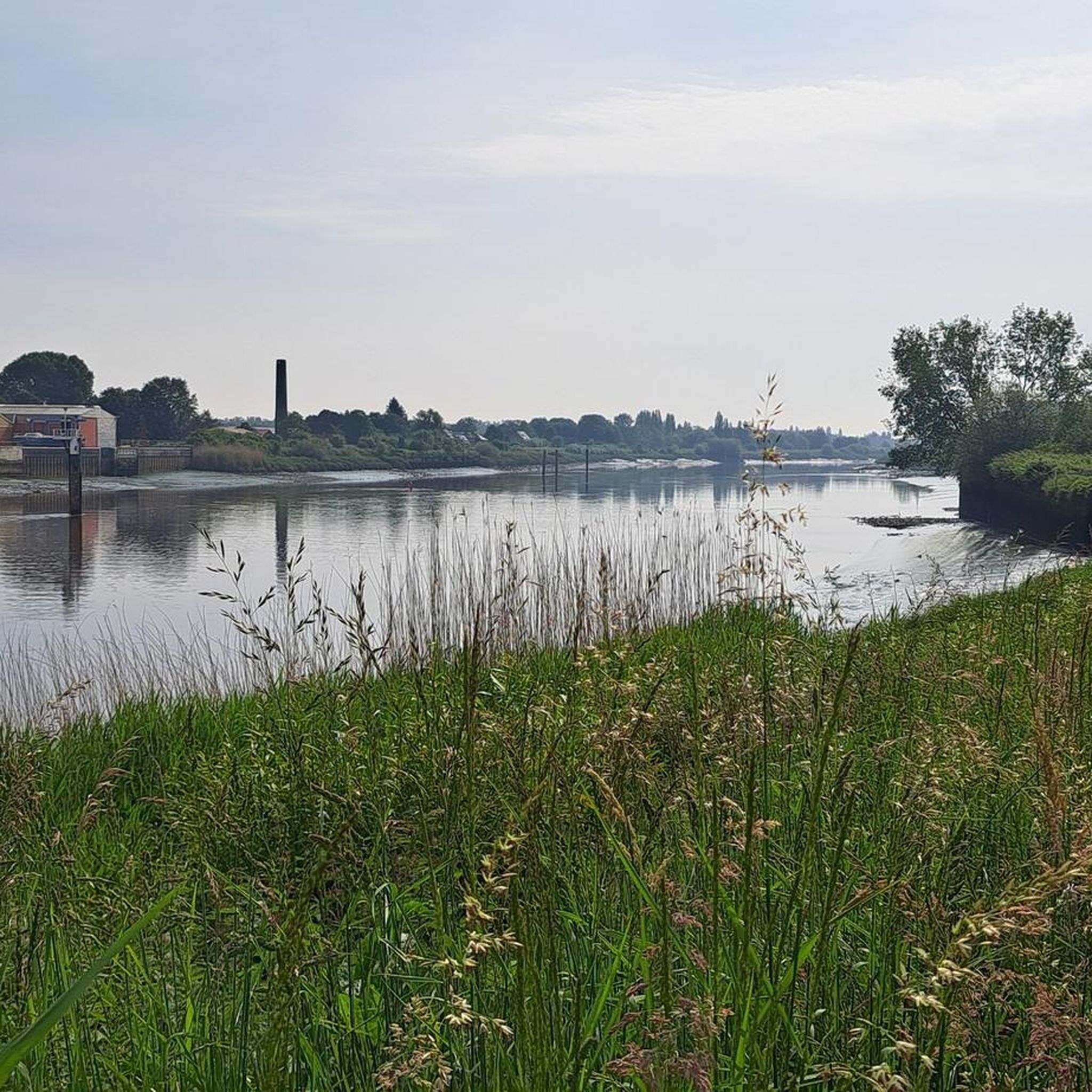
Confluence of the Dijle and Nete = Rupel
Highlight • River
Translated by Google •
Tip by

Meise Botanic Garden
Highlight • Natural
Translated by Google •
Tip by

Sign up now to discover places like this
Get recommendations on the best single tracks, peaks, & plenty of other exciting outdoor places.
Geographical Center of Flanders
Highlight • Monument
Translated by Google •
Tip by

The Putten van Lacourt
Highlight • Lake
Translated by Google •
Tip by

Hennenput Pond, Buggenhoutbos
Highlight • Lake
(Nature point)
Translated by Google •
Tip by
Sign up for free to discover even more natural monuments around Willebroek.
Already have an account?
Start today with a free account
Your next adventure awaits.
Tips from the Community

It is good to know where the center is in Flanders. Well, this is not the political center of Flanders, but the geographical center.
5
1

The geographical centre of Flanders was determined by students of the Faculty of Applied Sciences of the University of Leuven. Using GPS measurements and with the help of mathematics teacher Prof. Theo Van der Waeteren, the centre was determined in 1999: it is located in the far corner of East Flanders, a few dozen metres from the previously determined "three-province point" (East Flanders, Antwerp and Flemish Brabant). Just a few metres from the territory of Sint-Amands, it is just in Opdorp, a sub-municipality of Buggenhout. The coordinates are: 51° 2′ 16″ N, 4° 14′ 26″ E. A monument was placed at this point in 2003.
2
0

Today Komoot was asked to change the name of this Highlight to Hennenput.
11
0

The geographical center of Flanders was determined by students from the Faculty of Applied Sciences of the University of Leuven. The center was determined in 1999[source?] via GPS measurements and with the help of the mathematics teacher: it is located in the furthest corner of East Flanders, a few tens of meters from the previously determined "three-province point" (East Flanders, Antwerp and Flemish Brabant). It is just a few meters away from the territory of Sint-Amands in Opdorp, a sub-municipality of Buggenhout. The coordinates are: 51° 2′ 16″ N, 4° 14′ 26″ E. In 2003 a monument was placed at this point.
5
0
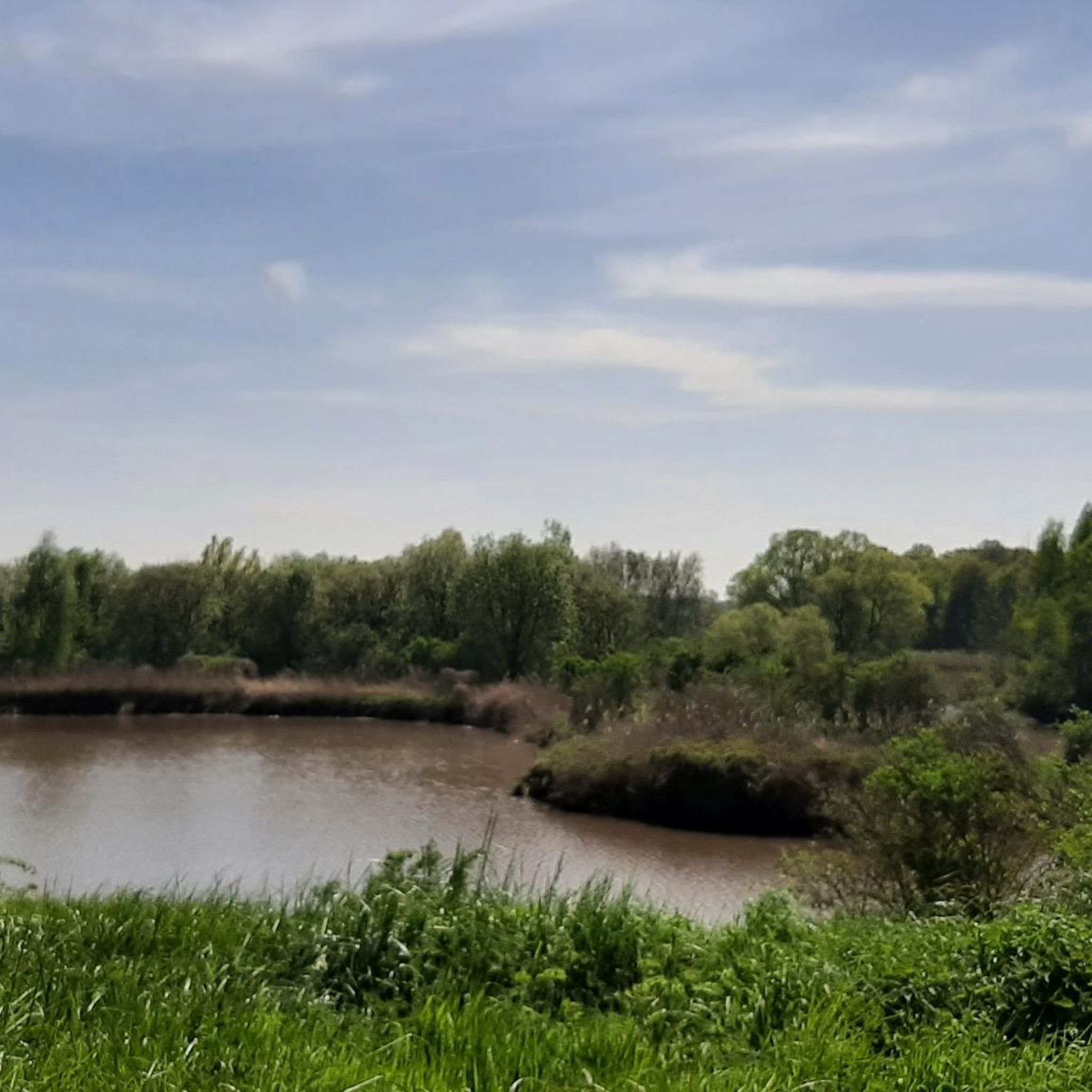
The Henneput, the largest water feature, is an attraction for almost all animals, a spawning ground for toads and frogs in the spring, a moment of relaxation for many hikers. (Nature point)
18
0
Resting on the benches can be good.
11
0

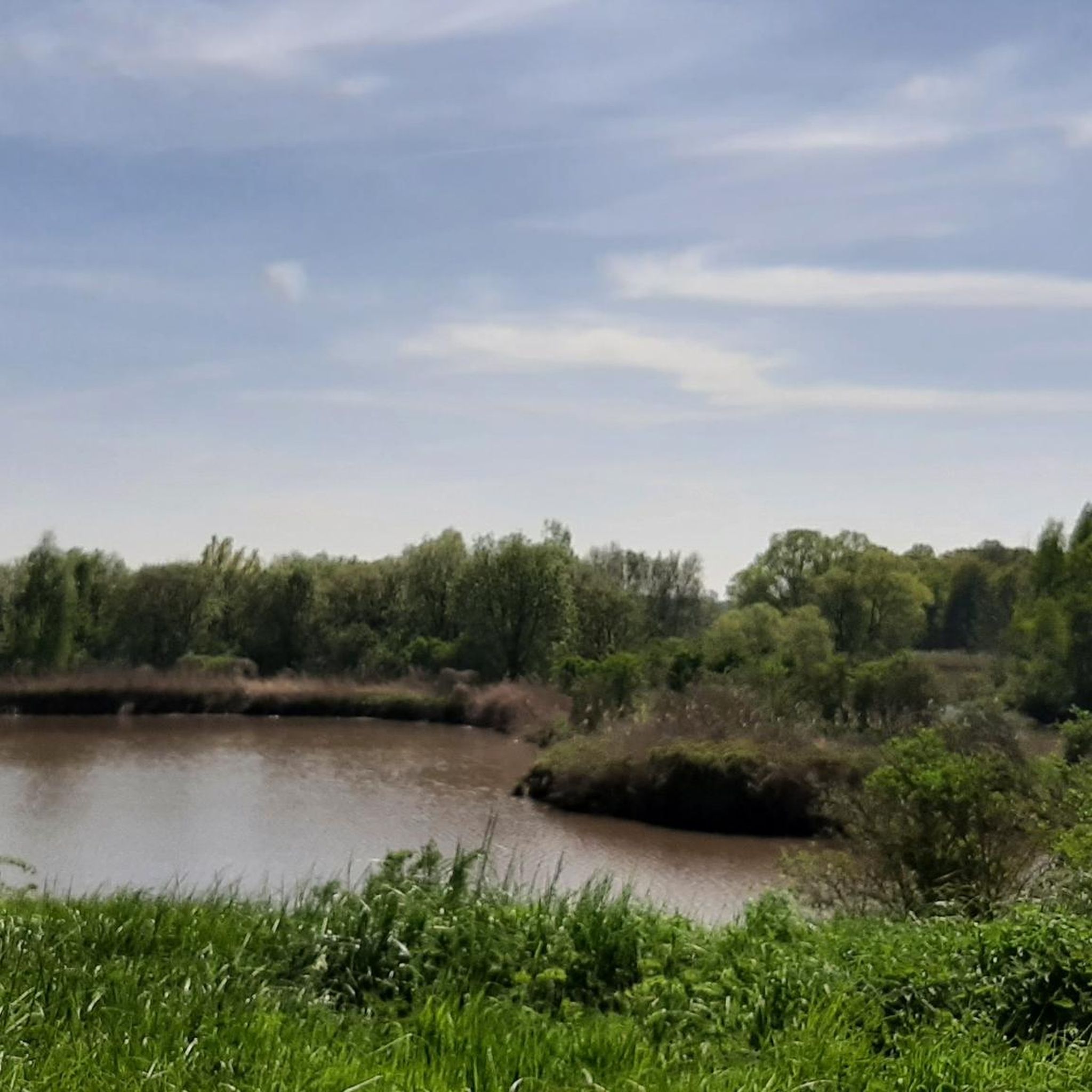
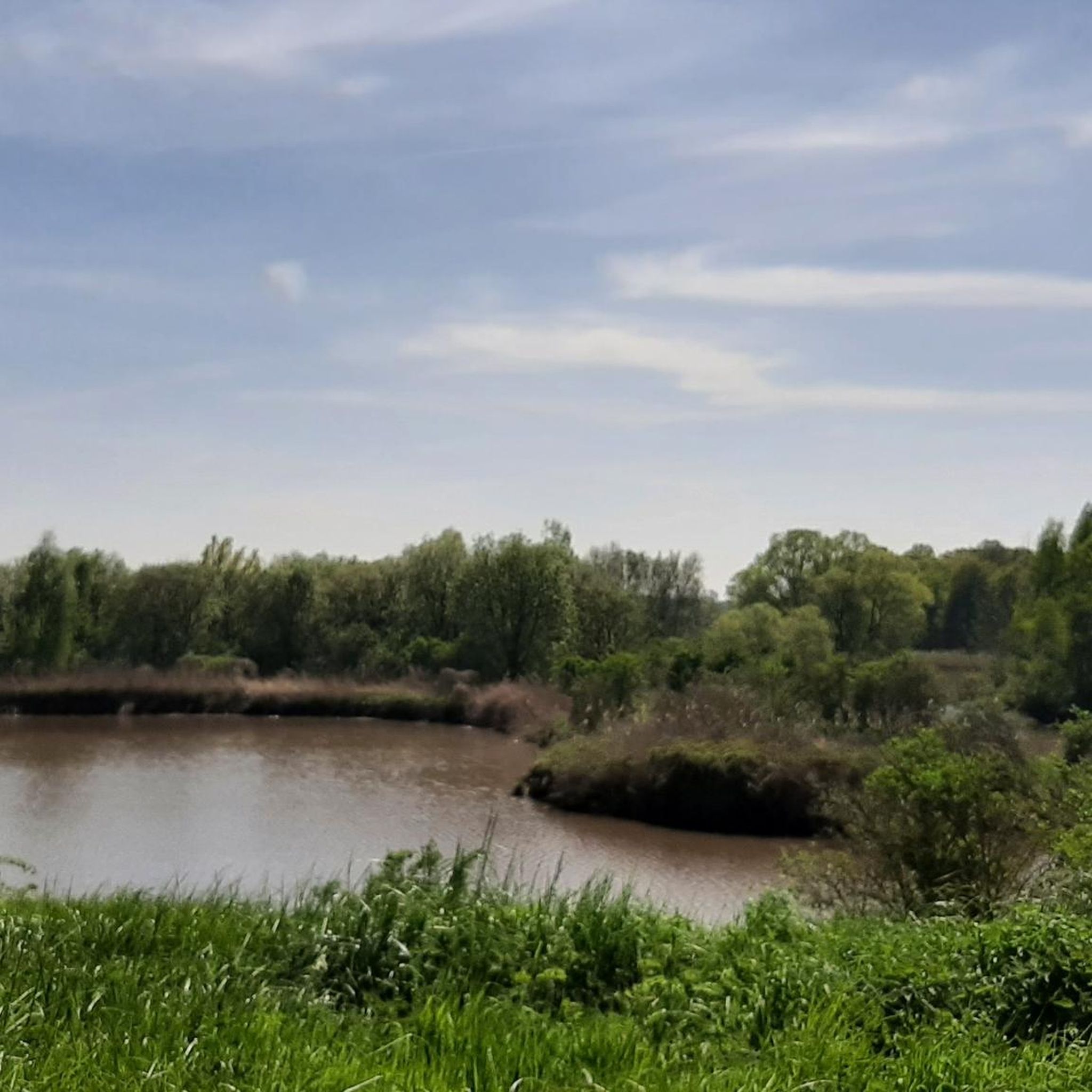
Beautiful water lilies, dragonflies, but dirty brownish water
5
2

The "Samenvloeiing van Dijle en Nete = Rupel" is a place in Belgium which is located where the rivers Dijle and Nete join to form the river Rupel. It is located in the Flemish region, in the province of Antwerp, in the city of Rumst. This site is known for its natural beauty and for being a meeting point between the waters of the two rivers. The confluence of the rivers creates a striking and fascinating landscape, with large expanses of water joining and mixing. The area around the Samenvloeiing van Dijle en Nete = Rupel also offers opportunities to enjoy the surrounding nature, with scenic trails and green areas that invite for walks and hikes. It's a popular spot with nature lovers and those looking to spend time outdoors.
5
0
Frequently Asked Questions
What are some unique natural monuments to explore around Willebroek?
Beyond the well-known spots, consider visiting the Confluence of the Dijle and Nete = Rupel, where Belgium's shortest river begins. Another unique site is the Zennegat Flood Area, a controlled flood plain that creates a valuable habitat for diverse plant and animal life, featuring gullies, mudflats, and salt marshes. For a botanical experience, the Meise Botanic Garden offers extensive outdoor areas and greenhouses with rare plants year-round.
What kind of natural features can I expect to see in Willebroek's natural monuments?
The natural monuments around Willebroek offer a diverse range of features. You'll find expansive flood plains like the Polders of Kruibeke with mudflats and salt marshes, river confluences, and serene lakes such as The Putten van Lacourt. There are also unique geological formations like the Stuifzandrug Heindonk, an inland dune from the last Ice Age, and areas with remnants of ancient forests and wetlands.
What wildlife can I observe in the natural monuments near Willebroek?
Willebroek's natural monuments are rich in wildlife. The Polders of Kruibeke are home to deer, beavers, otters, and thousands of meadow and water birds. Biezenweiden is known for nightingales and one of Flanders' largest cormorant breeding colonies. Blaasveldbroek also hosts beavers, diverse waterfowl, and breeding birds like blue tits and kingfishers. Stuifzandrug Heindonk offers sightings of green frogs, newts, herons, and even deer.
Are there family-friendly natural monuments around Willebroek?
Yes, several natural monuments are great for families. Blaasveldbroek is particularly family-friendly, featuring an 'otter and beaver island' with play zones, a sand play mountain, and an adventurous log trail. Beaver safaris are also offered there. The Meise Botanic Garden is another excellent choice with its vast outdoor areas and engaging exhibits.
Are any natural monuments in Willebroek wheelchair accessible?
While some paths in areas like Biezenweiden may not be suitable for wheelchairs, especially in autumn and winter, there is a dedicated wheelchair-accessible path connecting Klein-Willebroek to Broek De Naeyer. It's always advisable to check specific trail conditions before visiting.
What outdoor activities can I do near Willebroek's natural monuments?
The region offers a variety of outdoor activities. You can enjoy walking and cycling through areas like the Polders of Kruibeke, which has numerous routes including a 1.2-kilometer beaver trail. Birdwatching is popular at Biezenweiden and Broek De Naeyer, which both feature bird-watching huts. For more structured routes, you can explore options for gravel biking, mountain biking, and road cycling around Willebroek.
What is the best time of year to visit the natural monuments around Willebroek?
The natural monuments around Willebroek can be enjoyed year-round, each season offering a different experience. Spring and summer are ideal for lush greenery, birdwatching, and outdoor activities. Autumn brings beautiful colors to the landscapes, while winter can offer a unique, tranquil beauty, especially in areas like the Polders of Kruibeke when occasional flooding creates dynamic scenery.
Can I visit the natural monuments around Willebroek during winter?
Yes, many natural monuments are accessible in winter. While some paths might require sturdy shoes due to potential mud, areas like the Polders of Kruibeke can offer impressive 'waterfalls' as water flows into the reserve during high tides, creating a unique winter landscape. The Meise Botanic Garden also offers year-round botanical interest, with its greenhouses providing warmth and vibrant plant life even in colder months.
Where can I find parking when visiting natural monuments in Willebroek?
Parking availability varies by location. For popular sites like Blaasveldbroek, there are often designated parking areas near visitor centers, such as Onthaalcentrum Scheyvaertshof. For other natural areas, it's recommended to check local signage or specific monument websites for parking information, as some areas might have limited facilities.
Are there places to eat or drink near the natural monuments?
Yes, you can find options for refreshments. Blaasveldbroek has a visitor center, Onthaalcentrum Scheyvaertshof, which provides facilities including picnic areas. The Meise Botanic Garden features an orangery that serves as a self-service restaurant, perfect for warming up with a mulled wine. For other areas, local cafes and pubs can be found in nearby towns and villages.
Are dogs allowed in the natural monuments around Willebroek?
Policies regarding dogs vary by natural monument. While some areas may allow dogs on a leash, others might have restrictions to protect wildlife, especially in sensitive breeding habitats. It's best to check the specific rules for each natural monument you plan to visit to ensure a pleasant experience for both you and your pet.
Are there any natural monuments with historical significance in the Willebroek area?
Yes, some natural monuments carry historical significance. Blaasveldbroek, for instance, showcases evidence of its past with old poplars once planted for match production and protects a monumental sweet chestnut tree over 300 years old. Broek De Naeyer, once an industrial site, has been transformed into a nature reserve, highlighting a shift from industrial use to ecological preservation.
What makes the Stuifzandrug Heindonk a unique natural monument?
The Stuifzandrug Heindonk is unique because it's a rare and ecologically significant remnant of an inland dune, a relic from the last Ice Age. This distinctive habitat supports rare water plant species, some on the red list of endangered species, as well as various old forest plants. It's a testament to the region's geological history and ongoing conservation efforts.
Most popular routes around Willebroek
Most popular attractions around Willebroek

Get inspired with the komoot mobile app


Explore more
Extend your search for the best caves by checking out these guides of the top ones around Willebroek:
