Top 20 Natural Monuments around Liedekerke
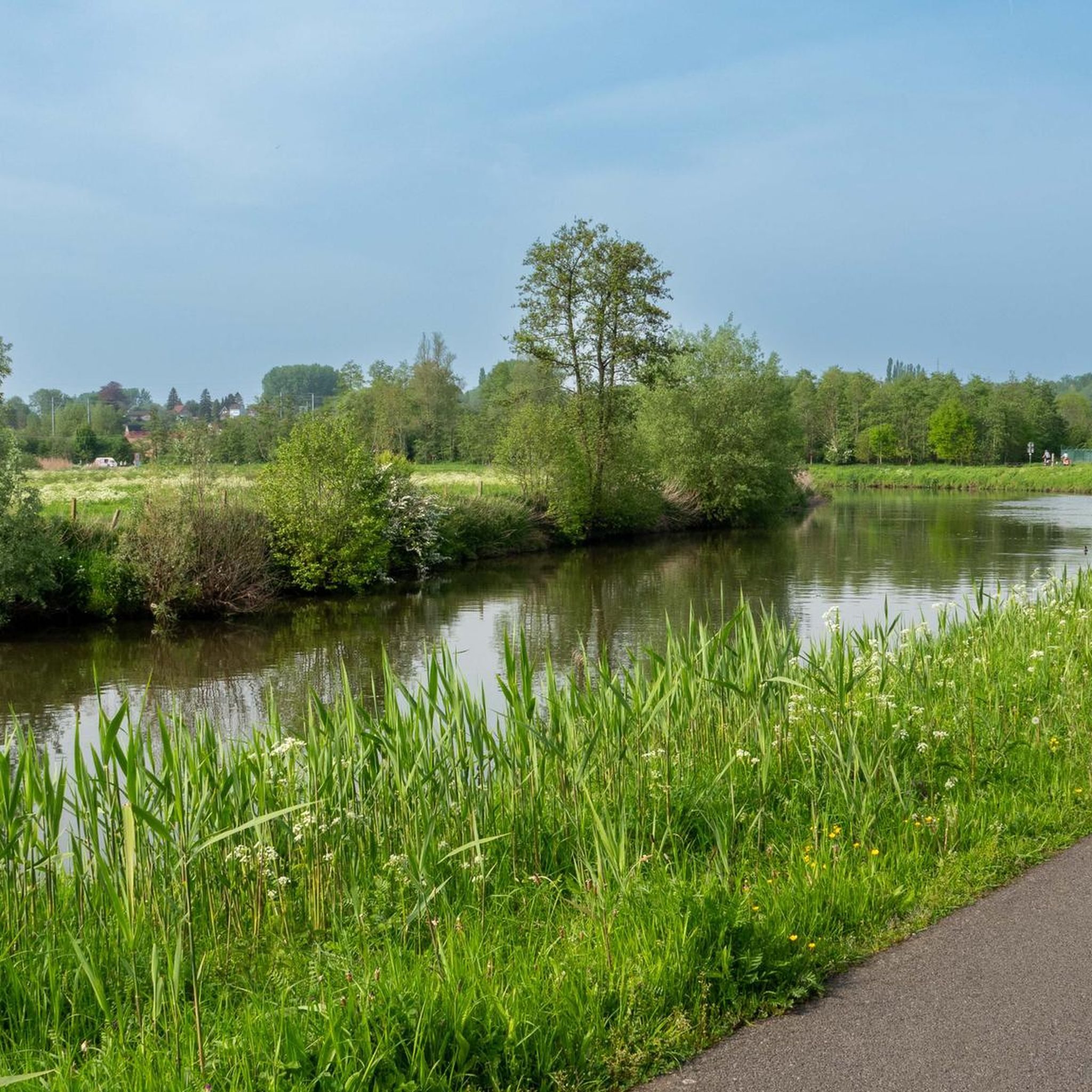
Best natural monuments around Liedekerke include diverse landscapes such as ancient forests, wetlands, and nature reserves. The region, a municipality in Belgium, features significant natural areas recognized for their ecological value and natural beauty. These sites offer varied ecosystems, providing habitats for flora and fauna. The area is characterized by remnants of the ancient Kolenwoud (Charcoal Forest) and natural floodplains.
Best natural monuments around Liedekerke
- The most popular natural monuments is Hollow Way in Neigembos, a trail where centuries…
Last updated: October 15, 2026
Hollow Way in Neigembos
Highlight • Trail
Translated by Google •
Tip by

Kravaalbos Forest
Highlight • Forest
Translated by Google •
Tip by

Sign up now to discover places like this
Get recommendations on the best single tracks, peaks, & plenty of other exciting outdoor places.
Highest point of Neigembos
Highlight • Summit
Translated by Google •
Tip by
Wolfsputten Nature Reserve
Highlight • Natural
Translated by Google •
Tip by

Groenenberg castle and park
Highlight • Castle
Translated by Google •
Tip by

Sign up for free to discover even more natural monuments around Liedekerke.
Already have an account?
Start today with a free account
Your next adventure awaits.
Tips from the Community

Hollow ways are typical small landscape elements in hilly areas with a loess subsoil. Most hollow ways presumably originated in the Middle Ages. Centuries of use of the same path, on foot or by horse and cart, led to a natural erosion process. Hollow ways therefore carry a piece of history with them and are thus part of our cultural heritage. (Information board on site)
8
0
In the Neigembos, nature is allowed to evolve almost spontaneously. The trees can grow old and there is a lot of dead wood. Due to the danger of falling branches, it is important to stay on the paths. There is a rich plant growth: on the more acidic soils you will find mainly bracken, lily of the valley and woodruff. On the more loamy soils, you can enjoy wild hyacinth, wood anemone, wild garlic and yellow dead-nettle in the spring. The western part of the forest reserve, also known as the Vriezenbos, consists of, among other things, a spring forest with typical species such as black alder, common ash, marsh marigold, giant horsetail, bitter cress and the two species of lesser celandine. Enjoy the natural beauty with the help of the three mapped-out walks: the Dikke Beukenwandeling, the Bevingenwandeling and the Groebenwandeling. (Agentschap Natuur en Bos)
9
0
The area offers a rich variety of habitats: you'll walk through forests, grasslands, scrubland, and fields with varying degrees of moisture and nutrient richness. The calcareous springs in the south of the area foster a very specific flora in the central stream valley. Along the way, you'll encounter wild garlic, water plantain, wood anemones, and bracken, among other plants. (Visit Dilbeek)
10
0

A 90-hectare gem in the Green Belt, just a stone's throw from Brussels. This nature reserve is known for its rich terrain, with beautiful spring flora alternating between dry and marshy areas. Restored and newly constructed boardwalks—a total of approximately 370 meters—guide you comfortably through the valley without damaging the fragile, wetlands. The highlight of Wolfsputten is undoubtedly the new viewing platform, a popular stop or selfie spot. Want to know more? Click through to https://www.natuurenbos.be/natuurgebieden/wolfsputten
7
0

The Wolfsputten form a varied nature reserve with ravine forests, calcareous spring streams and rare flora such as wild garlic, orchids and giant horsetail. In this rolling landscape you walk along old sandstone quarries and deeply cut stream valleys that once provided the building materials for churches and town halls in Brussels, Ghent and Leuven. With more than 300 plant species and dozens of birds and mammals, this is one of Flanders' most biodiverse places.
4
0

beautiful views, easy country roads, extension possible in the Kravaal forest
3
1
Beautiful, quiet forest. Some very muddy passages due to the persistent rain of the last months.
4
0

Varied forest, beautiful paths that can sometimes be muddy. Furthermore, the forest feels rather wild, fallen trees are only removed on narrower paths if the passage is too much hindered. Much attention is also paid to ensuring that the permanent forest inhabitants can do their thing as undisturbed as possible.
6
0
Frequently Asked Questions
What kind of natural landscapes can I expect to find around Liedekerke?
The natural monuments around Liedekerke offer a diverse range of landscapes, including ancient forests, wetlands, and nature reserves. You'll find remnants of the ancient Kolenwoud (Charcoal Forest) like Kravaalbos Forest, as well as significant natural floodplains such as De Valier, De Pamelse Meersen, and De Oude Dendermeersen. These areas provide varied ecosystems and habitats for local flora and fauna.
Are there any natural monuments with historical significance in the region?
Yes, the region boasts natural monuments with historical roots. For instance, the Hollow Way in Neigembos is a fascinating example where centuries of use by foot and cart led to natural erosion, deepening the path. These hollow roads are often bordered by veteran trees, which are remnants of the great Coal Forest that once covered much of the area.
What are some of the most popular natural monuments for visitors?
Visitors particularly enjoy the Hollow Way in Neigembos for its unique historical and natural features. Another favorite is Kravaalbos Forest, known for its vibrant autumn colors and spring bluebells. The Wolfsputten Nature Reserve is also highly appreciated for its varied terrain, rare flora, and accessibility via boardwalks.
What outdoor activities can I do near the natural monuments around Liedekerke?
The area around Liedekerke is excellent for various outdoor activities. You can find numerous hiking trails, such as those in the Hertigembos or the Liedekerkebos. For mountain biking enthusiasts, there are many MTB trails, including routes that pass through areas like Kravaalbos. Gravel biking is also popular, with challenging routes like the Gravel section along Kravaalbos.
Are there family-friendly natural monuments or walks suitable for beginners?
Many natural areas around Liedekerke are suitable for families and beginners. The Wolfsputten Nature Reserve features boardwalks that make it accessible and enjoyable for all ages. The Liedekerkebos loop is an easy hiking option, perfect for a leisurely family stroll. These areas often have well-maintained paths and offer opportunities for nature observation without strenuous climbs.
When is the best time to visit the natural monuments in Liedekerke?
The natural monuments around Liedekerke offer beauty throughout the year, but spring and autumn are particularly rewarding. In spring, you can witness the purple bluebells in Kravaalbos Forest and the colorful carpets of bluebells, bellflowers, and wild garlic in Neigembos. Autumn brings vibrant colors and scents to the forests. Even in winter, the deep sunken roads of Neigembos offer a distinct microclimate for walks.
Can I bring my dog to the natural monuments?
Yes, several natural monuments are dog-friendly. For example, the Wolfsputten Nature Reserve is explicitly listed as dog-friendly, offering varied terrain for you and your canine companion to explore. Always ensure your dog is kept on a leash and that you clean up after them to preserve the natural environment.
What kind of wildlife and flora can I observe in these natural areas?
The natural monuments are rich in biodiversity. In areas like the Wolfsputten Nature Reserve, you can find over 300 plant species, including rare flora like wild garlic, orchids, and giant horsetail. The Liedekerkebos is home to various spring flowers and is a protected habitat for the European great crested newt. You can also spot dozens of bird and mammal species across the region's forests and wetlands.
Are there any viewpoints or scenic spots within the natural monuments?
Yes, there are several scenic spots. The Highest point of Neigembos offers beautiful views of the natural beauty of the forest. Additionally, the Wolfsputten Nature Reserve features a new viewing platform, which is a popular spot for visitors to take in the landscape.
What are the accessibility options for natural monuments, especially for those with mobility considerations?
While some areas feature challenging terrain, efforts have been made to improve accessibility. For instance, De Valier nature reserve has a boardwalk made of FSC-labeled wood to ensure hikers can access the area, though it may occasionally flood during exceptionally high water levels. The Wolfsputten Nature Reserve also has restored and newly constructed boardwalks, totaling approximately 370 meters, guiding visitors comfortably through sensitive wetland areas.
Where can I find information about the ecological value and management of these reserves?
Many natural reserves provide information boards at their entrances. For example, De Valier has information boards detailing the reserve's management, importance, and ecological value. Organizations like Natuurpunt also manage significant portions of areas like De Pamelse Meersen and De Oude Dendermeersen, focusing on nature restoration and development, and often provide insights into their conservation efforts.
Are there any specific trails or walks recommended for experiencing the unique microclimates of the region?
Yes, the deep sunken roads found in Neigembos are known for their distinct microclimate, making them a pleasure to walk through. These paths offer a unique experience, especially during different seasons, as they retain moisture and provide shelter, fostering specific flora.
Most popular routes around Liedekerke
Most popular attractions around Liedekerke

Get inspired with the komoot mobile app


Explore more
Extend your search for the best caves by checking out these guides of the top ones around Liedekerke:
