Top 15 Natural Monuments around Kaprijke
Best natural monuments around Kaprijke are found within this East Flanders municipality, offering a range of natural features. The region is known for its diverse landscape, including significant natural areas like the Lembeekse Bossen, which features coniferous and deciduous woodlands, agricultural fields, and hedgerows. Visitors can explore a variety of natural landmarks and trails, with the guide detailing 15 natural monuments around Kaprijke.
Best natural monuments around Kaprijke
- The most popular natural monuments is Boerekreek, a lake that is…
Last updated: June 28, 2026
Boerekreek
Highlight • Lake
Translated by Google •
Tip by

Schouwbroek Castle
Highlight • Castle
Translated by Google •
Tip by

Sign up now to discover places like this
Get recommendations on the best single tracks, peaks, & plenty of other exciting outdoor places.
Sign up for free
Oostpolder Creek
Highlight • Lake
Creek contains brackish water. A creek where the eel feels at home.
Translated by Google •
Tip by

Het Vuil Poelke
Highlight • Natural
Translated by Google •
Tip by
The Gezusterkreken
Highlight • Lake
The Gezusterskreeks consist of the Grote Kil and …
Translated by Google •
Tip by
Sign up for free to discover even more natural monuments around Kaprijke.
Sign up for free
Already have an account?
Start today with a free account
Your next adventure awaits.
Login or Signup

Other adventures around Kaprijke

Tips from the Community

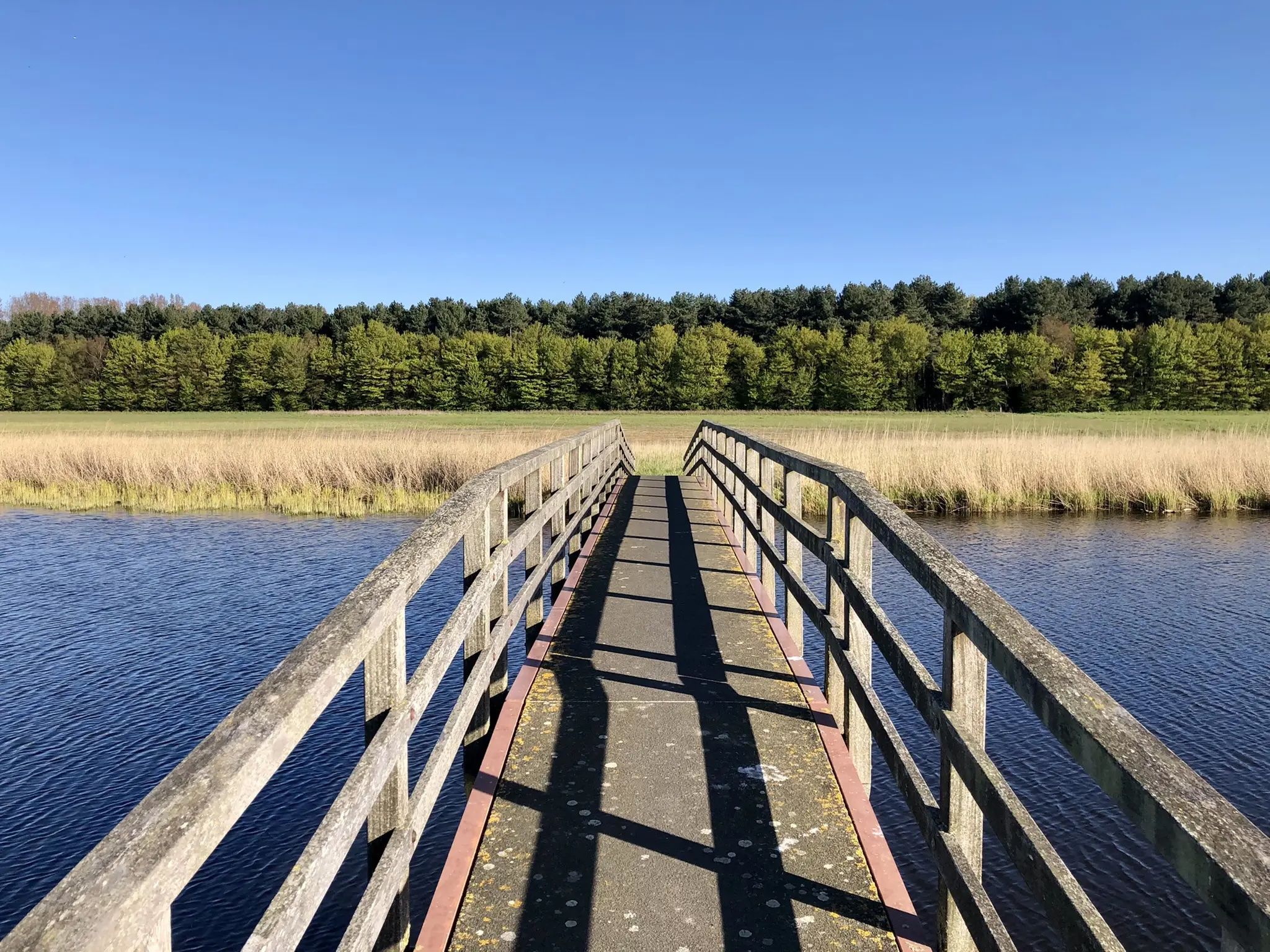
This creek connects to the Boerekreek to the west and to the Oudemanskreek to the east. It contains brackish water. The creek lies directly north of the Leopold Canal. Due to silting, the creek could no longer drain, which caused problems for agriculture. Therefore, around 2000, the drainage to the Leopold Canal on the east side was improved, the creek was also dredged, and the banks were reinstated to the nature reserve. (Wikipedia)
7
0


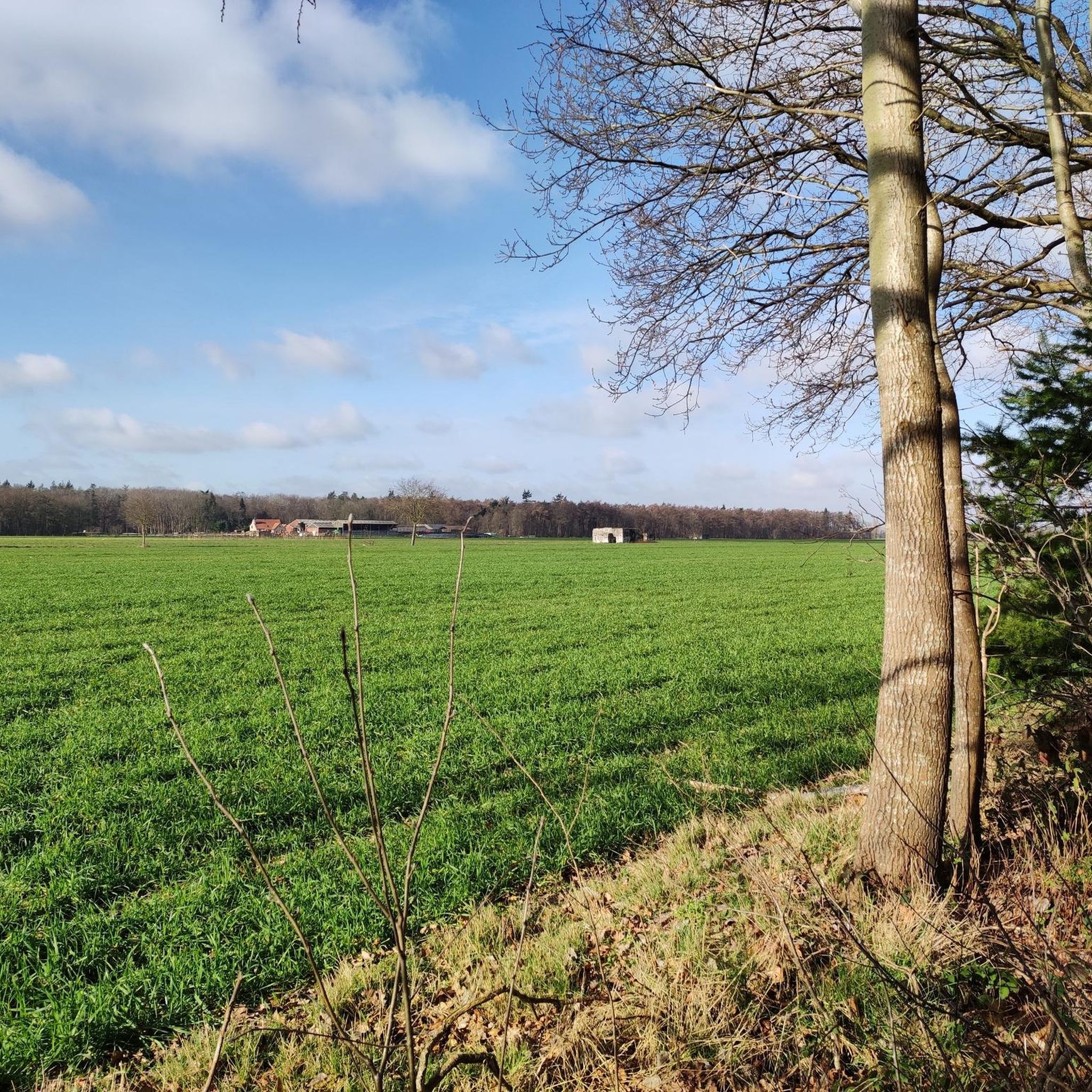
The famous Graaf-Jansdijk once cut through the landscape here, offering protection against storm surges. For years, the area served as arable land, until Natuurpunt converted it into grassland. A flower-rich hay meadow is now developing around the Vuil Poelke, alternating with a flower-rich reed land. You can see a gradual transition from moist to very wet zones. Small landscape elements receive a lot of attention here: around the Vuil Poelke, the natural value of the pollard willows increases year after year. They develop into gnarled old trees, appreciated by everyone. Simply enjoy the historic landscape in restoration. Source: information can be read on site.
6
0
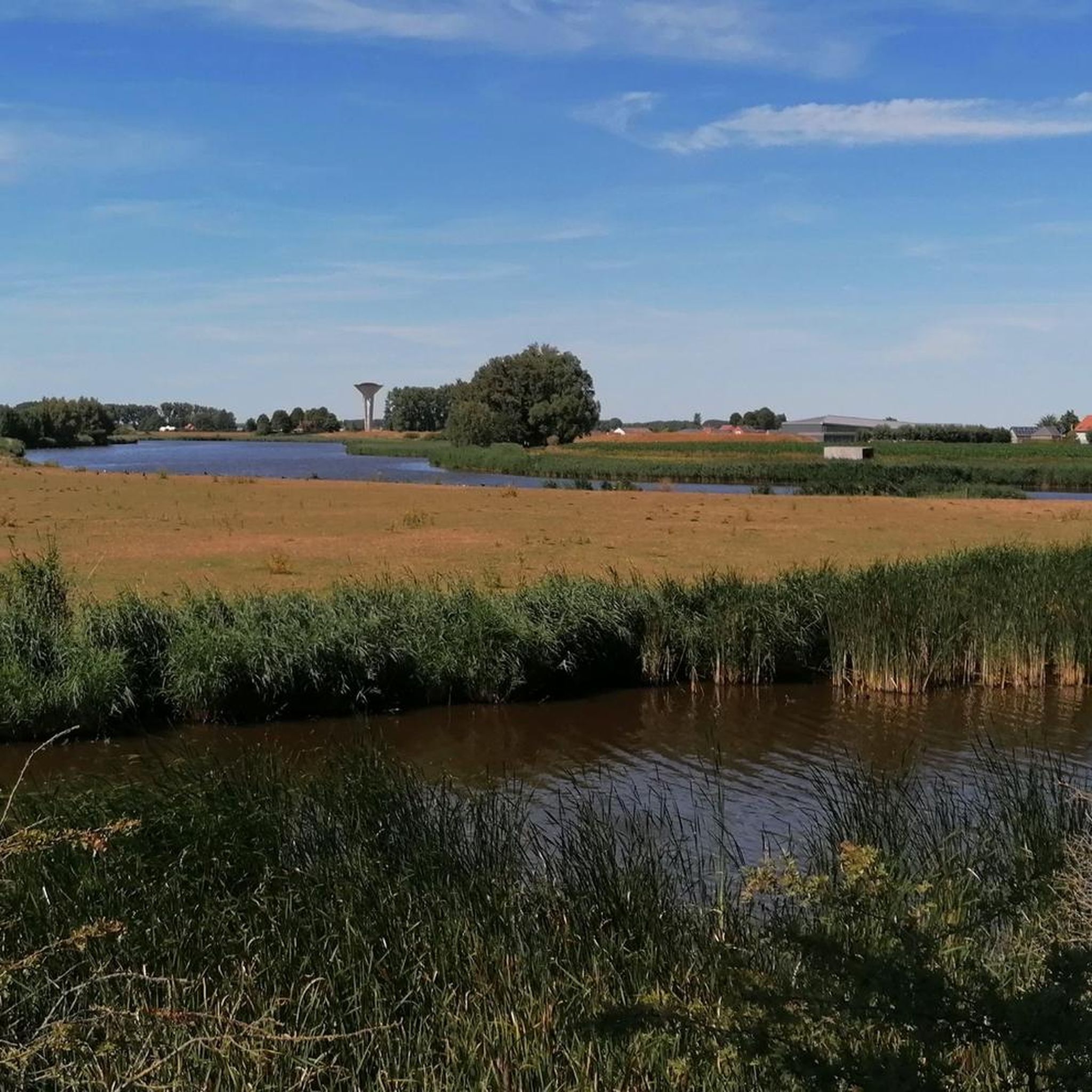
Creek, located next to the elevated roadway to Sint-Jan-in-Eremo. Creek contains brackish water. A creek where the eel feels at home.
8
0


It is a magnificent walking route in which you pass many creeks. Time can be made for a stop along the creeks for a picnic or rest moment with a beautiful view. Recommended!
0
0
The Gezusterskreken form a creek system in the north of the East Flemish municipality of Assenede in the Meetjesland (Meetjeslands creek area). The Gezusterskreeks consist of the Grote Kil and the Kleine Kil, which are in line with each other but are separated by a dam, over which the Gezustersstraat runs. The creeks are located in the Sint-Albertpolder, which was diked in 1612, during which the Scheurhoekdijk was constructed. In 1663 and again in 1690, the Sint-Pieterspolder was diked, causing the Scheurhoekdijk to lose its function as a primary sea defense. The current Belgian-Dutch border here follows the route of the Scheurhoekdijk. The area is European protected as part of the Natura 2000 area 'Polders' Source Wikipedia
1
0

with bench to look out over the water
0
1
Frequently Asked Questions
What kind of natural features can I expect to see around Kaprijke?
Kaprijke is characterized by a diverse landscape, primarily centered around the Lembeekse Bossen. This area features a mix of coniferous and deciduous forests, agricultural fields, and hedgerows. You'll also find significant creek systems, such as the Boerekreek and The Gezusterkreken, which are large bodies of water that are home to various bird species and amphibians.
Are there family-friendly natural monuments or activities around Kaprijke?
Yes, several natural monuments around Kaprijke are suitable for families. The Lembeekse Bossen, for instance, offers a dedicated play area for children and signposted walking routes. Lakes like the Boerekreek and Oostpolder Creek are also listed as family-friendly, providing open spaces for enjoyment.
What outdoor activities can I do near the natural monuments in Kaprijke?
The natural monuments around Kaprijke are excellent starting points for various outdoor activities. You can explore numerous routes for walking, mountain biking, and horseback riding within the Lembeekse Bossen. For more structured adventures, consider the MTB Trails around Kaprijke, Running Trails around Kaprijke, or Gravel biking around Kaprijke, which offer routes of varying difficulty.
What is the best time of year to visit the natural monuments around Kaprijke?
The natural monuments around Kaprijke, particularly the Lembeekse Bossen, offer a tranquil environment to enjoy nature throughout all seasons. Spring brings blooming flora, summer provides lush greenery, autumn showcases vibrant colors, and even winter offers unique experiences like 'snow yoga' on the Mindful Walk path at Boerekreek.
Are there any historical sites or cultural landmarks near Kaprijke's natural monuments?
Yes, the area combines natural beauty with historical interest. Schouwbroek Castle is a notable historical site situated within a beautiful park laid out in the English landscape style. While the castle itself is not always accessible, its grounds feature a pond, an icehouse, and monumental chestnut trees, offering a glimpse into the region's past.
Where can I find easy walking trails among the natural monuments?
The Lembeekse Bossen offers numerous signposted routes for walkers, making it easy to find suitable paths. For a unique experience, the Boerekreek features a 9.5-kilometer 'yoga path' called Mindful Walk, which is a popular and accessible option for a relaxed stroll.
What kind of wildlife can I spot in the natural monuments of Kaprijke?
The natural monuments, especially the Lembeekse Bossen and the creek areas, are rich in wildlife. The Bellebargiebos, a protected forest reserve, is home to squirrels, woodpeckers, and potentially tawny owls. The Boerekreek is a popular habitat for mallards, white-fronted geese, buzzards, kestrels, songbirds, frogs, and various amphibians.
Are dogs allowed on the trails and in the natural monuments?
While specific regulations for each site may vary, many natural areas in Belgium, including parts of the Lembeekse Bossen, generally welcome dogs on a leash. It's always advisable to check local signage or official websites for the most current rules regarding pet access in specific natural monuments.
Are there places to eat or drink near the natural monuments?
Yes, after exploring the Lembeekse Bossen, visitors can find refreshments in the pleasant horecazone located on the northern side of the forest. Additionally, the surrounding villages may offer cafes and pubs.
How long should I plan for a visit to the natural monuments around Kaprijke?
The duration of your visit depends on your chosen activity. A leisurely walk through a section of the Lembeekse Bossen or around one of the creeks like Boerekreek could take a few hours. If you plan to combine multiple sites or engage in longer activities like mountain biking, you might consider dedicating a full day or even a weekend to explore the region.
Is public transport available to reach the natural monuments?
While Kaprijke is a municipality, direct public transport links to the heart of every natural monument might be limited. It's recommended to check local bus routes to Kaprijke or nearby villages like Lembeke, and then plan for walking or cycling to reach the specific natural areas like the Lembeekse Bossen.
What makes the Boerekreek a significant natural monument?
The Boerekreek is notable as the longest and largest creek south of the Westerschelde, stretching six kilometers and covering 38 hectares. It's a vital wetland habitat for numerous bird species and amphibians, and it also features a unique 9.5-kilometer yoga path for visitors to enjoy.
Most popular routes around Kaprijke
Most popular attractions around Kaprijke

Get inspired with the komoot mobile app


Explore more
Extend your search for the best caves by checking out these guides of the top ones around Kaprijke:
