Top 11 Natural Monuments around Châtelet
Best natural monuments around Châtelet include a variety of landscapes shaped by both nature and historical industrial activity. The region features green areas, woodlands, and parks, offering diverse natural experiences. These sites often incorporate former industrial areas, now reclaimed by nature, providing unique ecological insights. Châtelet's natural monuments are characterized by their geological formations, varied habitats, and opportunities for outdoor exploration.
Best natural monuments around Châtelet
- The most popular natural monuments is View from Terril Saint-Charles Sud (Bois du Cazier)…
Last updated: October 2, 2026
Path of the Trees of the Twelve Nationalities
Highlight • Trail
Translated by Google •
Tip by

Passage through the Aulniats spoil tip via the GR
Highlight (Segment) • Natural Monument
Translated by Google •
Tip by
Sign up now to discover places like this
Get recommendations on the best single tracks, peaks, & plenty of other exciting outdoor places.
Piges Spoil Tip
Highlight (Segment) • Natural Monument
Translated by Google •
Tip by
View from Terril Saint-Charles Sud (Bois du Cazier)
Highlight • Viewpoint
Translated by Google •
Tip by
Saint-Théodore Spoil Tip
Highlight • Structure
Source: www-charleroi--decouverte-be.translate.goog/pages/index.php?id=603&_x_tr_sl=fr&_x_tr_tl=nl&_x_tr_hl=nl&_x_tr_pto=sc
Translated by Google •
Tip by

Sign up for free to discover even more natural monuments around Châtelet.
Already have an account?
Start today with a free account
Your next adventure awaits.
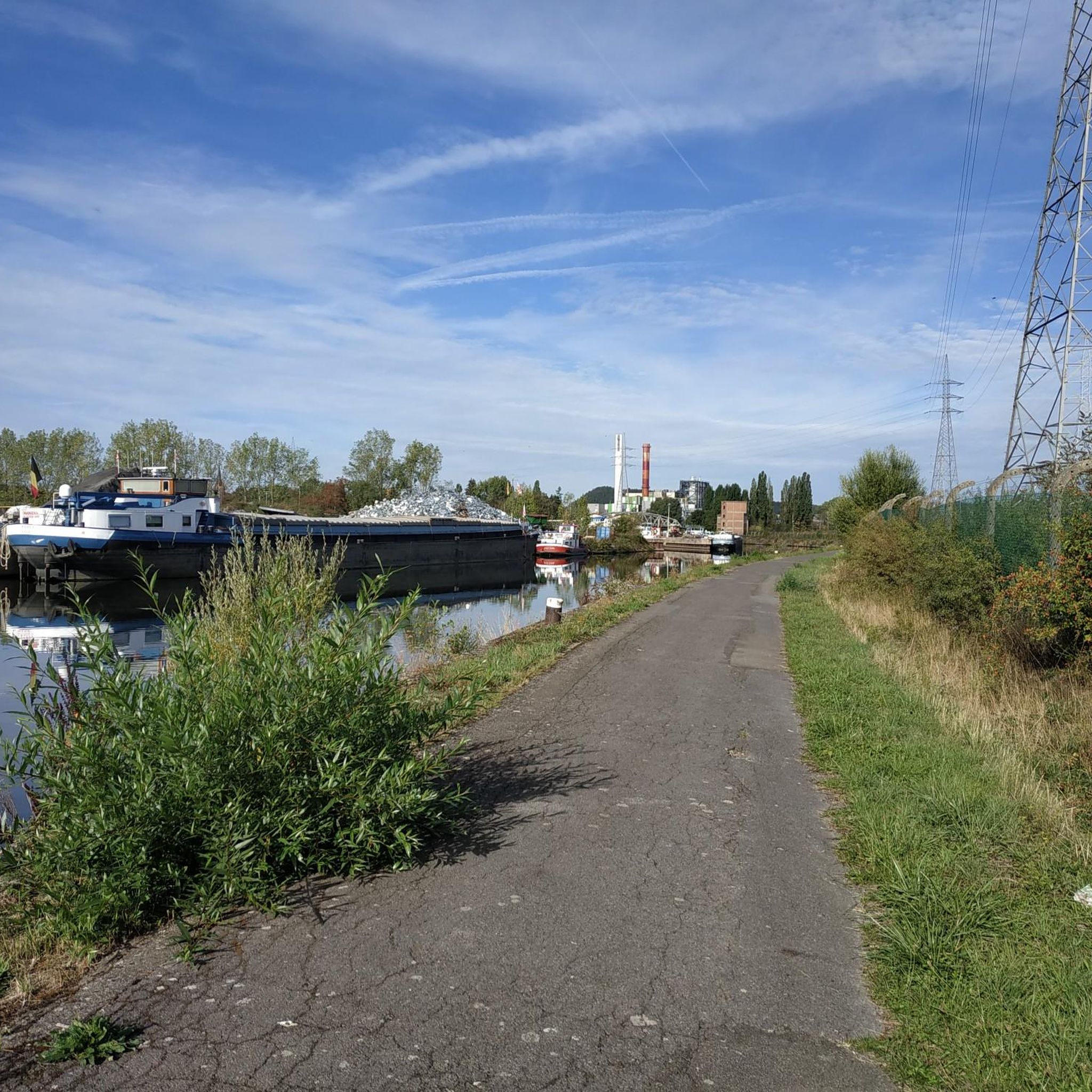

Tips from the Community

Here, the landscape tells of another era. The Saint-Charles slag heap, a vestige of Charleroi's mining past, now rises amidst nature that has reclaimed its rights. As you gain height, the former industrial landscapes reveal themselves differently and offer a unique perspective on Marcinelle. A hike that perfectly blends memory, relief, and nature.
1
0
The Saint-Charles slag heap offers a surprisingly green face of Marcinelle. Gradually reclaimed by nature, its former mining slopes are now crisscrossed by paths where vegetation has taken over the coal. A beautiful encounter between industrial heritage and nature, with that special feeling of walking on a piece of the region's history.
1
0

very nice view
0
0
superb view
0
0

AI Overview The "Path of the Trees of the Twelve Nationalities," known in French as the Drève de la Mémoire (Avenue of Memory), is located in Marcinelle (Charleroi), near the Bois du Cazier site. Here are the key details: Location: The path leads to the former Bois du Cazier mine, the site of the tragic mining disaster on August 8, 1956. Symbolism: The avenue is lined with twelve different tree species, each symbolizing the twelve nationalities of the miners who perished in the disaster. Remembrance: It is a place of remembrance and reflection, situated in a green, wooded area (Bois du Prince). Accessibility: The Drève de la Mémoire is part of the walking trails around the Bois du Cazier and the Bois du Prince. This path is a living memorial to the victims, mainly immigrants (including 136 Italians), who died in the mine on August 8, 1956.
0
0

Much more accessible by VTTAE, it is a great challenge to climb in muscle
0
0

The Aulniats slag heap is an elongated and flat slag heap, with an unstructured look that culminates at 186 m. Its abundant vegetation, its viewpoints over the Sambre valley and its small "canyon" colored with reddish hues by the combustion of the shales are all discoveries that will punctuate your walk on the slag heap. Witness to the activity of the last Walloon coal mine, the Aulniats slag heap is an invitation to a bucolic outing for the whole family. It conceals so many unsuspected treasures! Thus, lovers of mining remains will be pleasantly surprised to discover industrial structures at its foot. Budding geologists will scrape the surface of the slag heap to discover the reddish shales, witnesses of the self-combustion of the slag heap. These red shales were also exploited until 2001 as backfill, in particular to stabilize the runway at Charleroi airport. As for photographers, they will enjoy the exceptional panorama offered by its summit plateau! Hikers, for their part, will be delighted to walk in an environment of high quality flora and fauna. A pedestrian connection is possible with the slag heap n°7 of the Gouffre located a few cables away.
7
0
On the right side of the path, trees of twelve different species have been planted in memory of the 262 miners, of twelve nationalities, who perished in the Bois du Cazier disaster on August 8, 1956.
6
0
Frequently Asked Questions
What unique natural features can I explore in Châtelet?
Châtelet offers diverse natural features, including the Sebastopol reservation with its old quarries and rich bird population. The Municipal Woods feature the Grotte de l'Agouloir, a subterranean cavity known for its bat habitats. Additionally, the Municipal Park provides a tranquil escape with magnificent silver linden trees, copper beeches, and a stream feeding a small pond.
Are there natural monuments in Châtelet that offer panoramic views?
Yes, several natural monuments provide excellent viewpoints. The View from Terril Saint-Charles Sud (Bois du Cazier) offers a panoramic observatory over Charleroi, including its industry, mines, and surrounding forests. The Piges Spoil Tip also provides a unique view of the city center, and the Passage through the Aulniats spoil tip via the GR offers exceptional panoramas over the Sambre valley.
Can I find family-friendly natural monuments for a day out in Châtelet?
Absolutely. The Municipal Park is ideal for family strolls, featuring community gardens and ample green space. The Aulniats spoil tip is described as an invitation to a bucolic outing for the whole family, with interesting geological features. The Path of the Trees of the Twelve Nationalities also offers a reflective and natural walking experience suitable for families.
What is the historical significance of Châtelet's natural monuments?
Many of Châtelet's natural monuments are intertwined with its industrial past. The spoil tips, such as the Saint-Théodore Spoil Tip and the Terril Saint-Charles Sud, are former mining waste heaps that have been reclaimed by nature, offering insights into the region's coal mining heritage. The Path of the Trees of the Twelve Nationalities is a poignant memorial to the miners who perished in the Bois du Cazier disaster.
What kind of wildlife can be observed at Châtelet's natural sites?
Châtelet's natural monuments are home to various wildlife. The Sebastopol reservation is known for its rich bird population. The Grotte de l'Agouloir in the Municipal Woods is a significant habitat for bats. The abundant vegetation of the Aulniats spoil tip also supports high-quality flora and fauna, making it interesting for nature enthusiasts.
Are there opportunities for hiking or walking near Châtelet's natural monuments?
Yes, the region offers numerous opportunities for walking and hiking. You can explore trails through the Municipal Woods or enjoy strolls in the Municipal Park. The spoil tips, like the Aulniats spoil tip and Piges Spoil Tip, have paths for walkers. For more structured routes, you can find various running trails around Châtelet, many of which pass through natural areas.
Can I go cycling near the natural monuments in Châtelet?
Yes, Châtelet is well-suited for cycling. There are many cycling routes around Châtelet that allow you to explore the natural landscapes, including paths along the Sambre River and routes that may pass by some of the natural monuments or through green areas like the Municipal Park.
What do visitors enjoy most about the natural monuments in Châtelet?
Visitors particularly appreciate the unique blend of natural beauty and industrial heritage. They enjoy the panoramic views from the spoil tips, the tranquility of the Municipal Park, and the ecological interest of sites like the Sebastopol reservation. The transformation of former industrial sites into green spaces, offering rich flora and fauna, is a recurring highlight for many.
Are there any specific geological formations to look out for?
The region's history of mining has left interesting geological formations, particularly in the spoil tips. The Sebastopol reservation features old quarries. The Aulniats spoil tip, for instance, has a small "canyon" colored with reddish hues from the combustion of shales, which budding geologists find fascinating. The Grotte de l'Agouloir is also recognized as a subterranean cavity of scientific interest.
What is the best way to access the Municipal Park in Châtelet?
The Municipal Park is conveniently located at the heart of the city, making it easily accessible for visitors. It serves as the "green lungs" of the municipality and is ideal for relaxation and walks within the city center.
Are there any natural monuments that are particularly good for birdwatching?
The Sebastopol reservation is an excellent spot for birdwatching. Its green area, characterized by old quarries, supports a rich bird population, making it a valuable site for observing various species in their natural habitat.
Most popular routes around Châtelet
Most popular attractions around Châtelet

Get inspired with the komoot mobile app


Explore more
Extend your search for the best caves by checking out these guides of the top ones around Châtelet:
