Top 20 Natural Monuments around De Pinte
Best natural monuments around De Pinte offer diverse natural landscapes for outdoor activities. This municipality in East Flanders, Belgium, features several natural areas valued for their ecological significance and recreational opportunities. The region is characterized by woodlands, riverine environments, and open fields, providing varied terrain for exploration. These sites contribute to the area's natural beauty and serve as green spaces for residents and visitors.
Best natural monuments around De Pinte
- The most popular natural monuments is Aelmoeseneiebos Stream and Wooden Bridge, a forest that features an arboretum with more than 60 tree species. This upright forest is freely accessible to walkers and includes varied terrain.
- Another must-see spot is Peace Monument, a man-made monument. This steel and wooden structure represents a peace flag and functions as a lookout tower, offering wide views of the surrounding Meersen landscape.
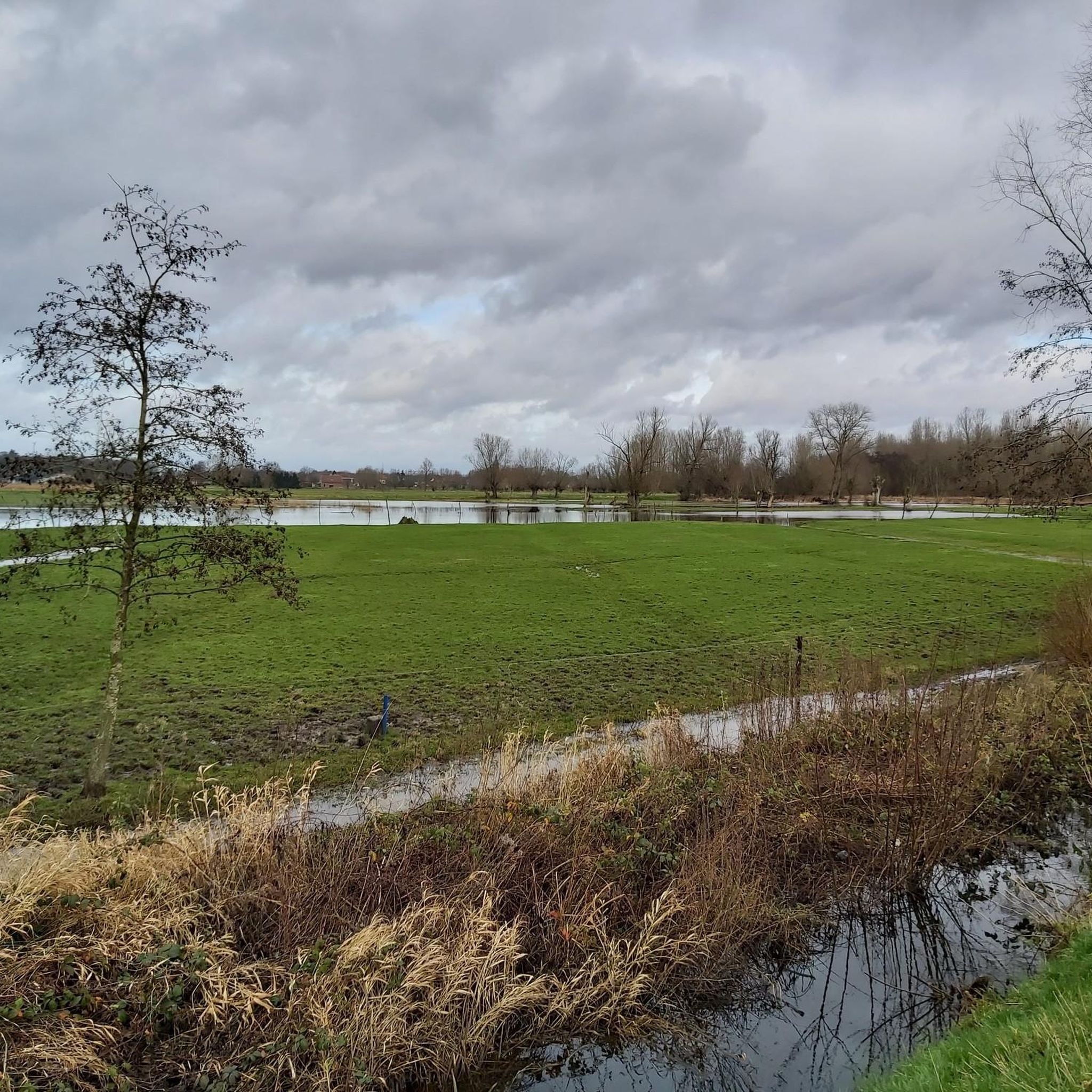
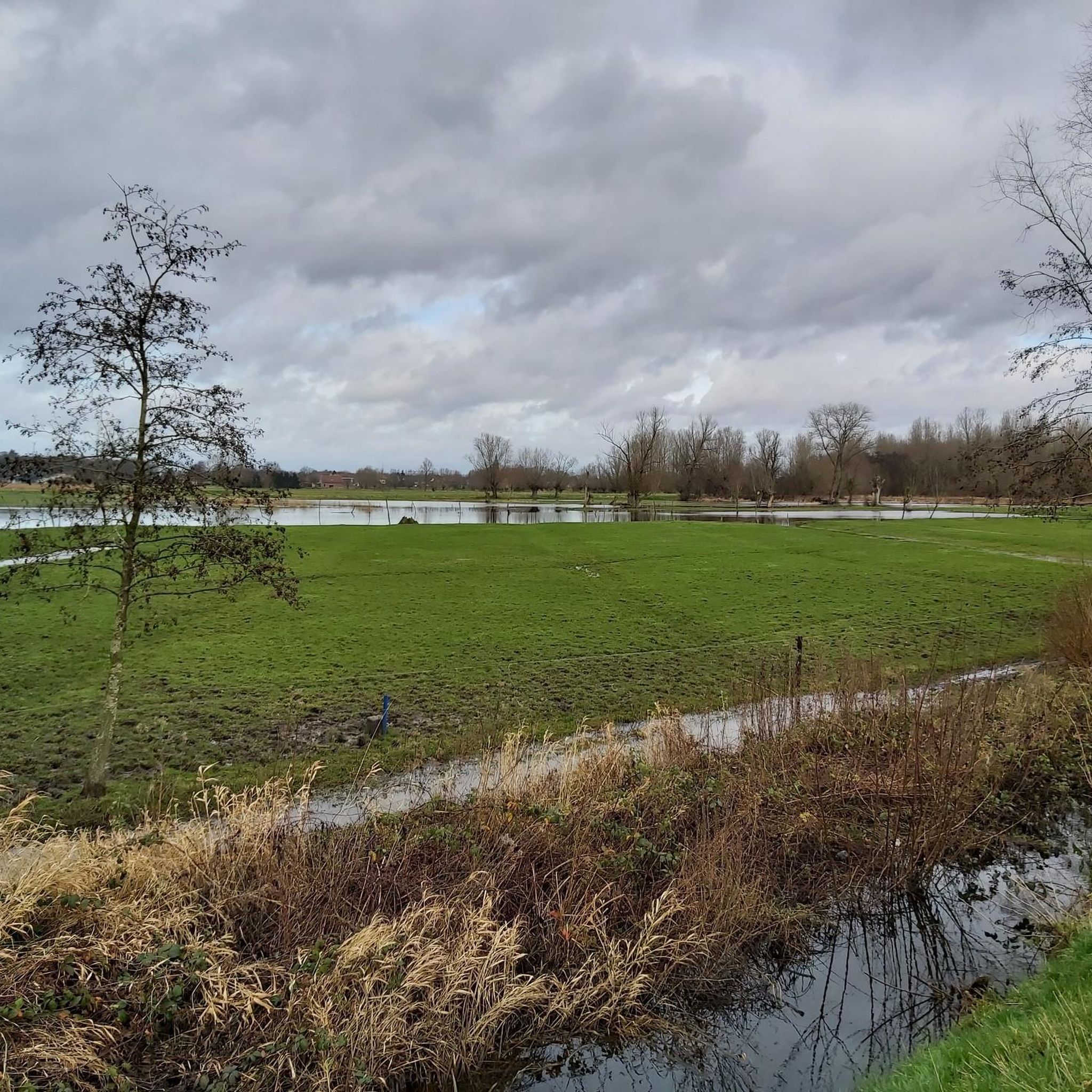
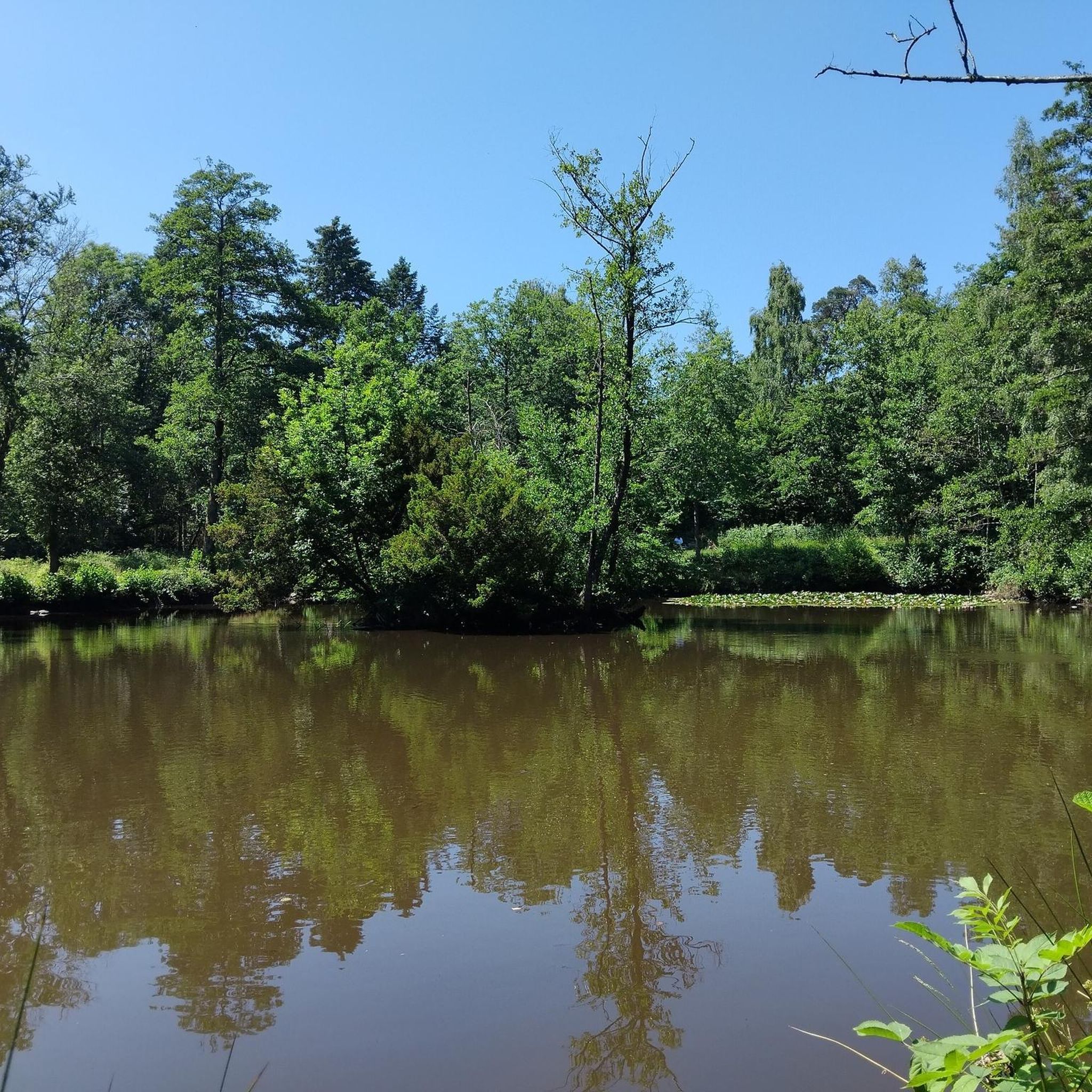
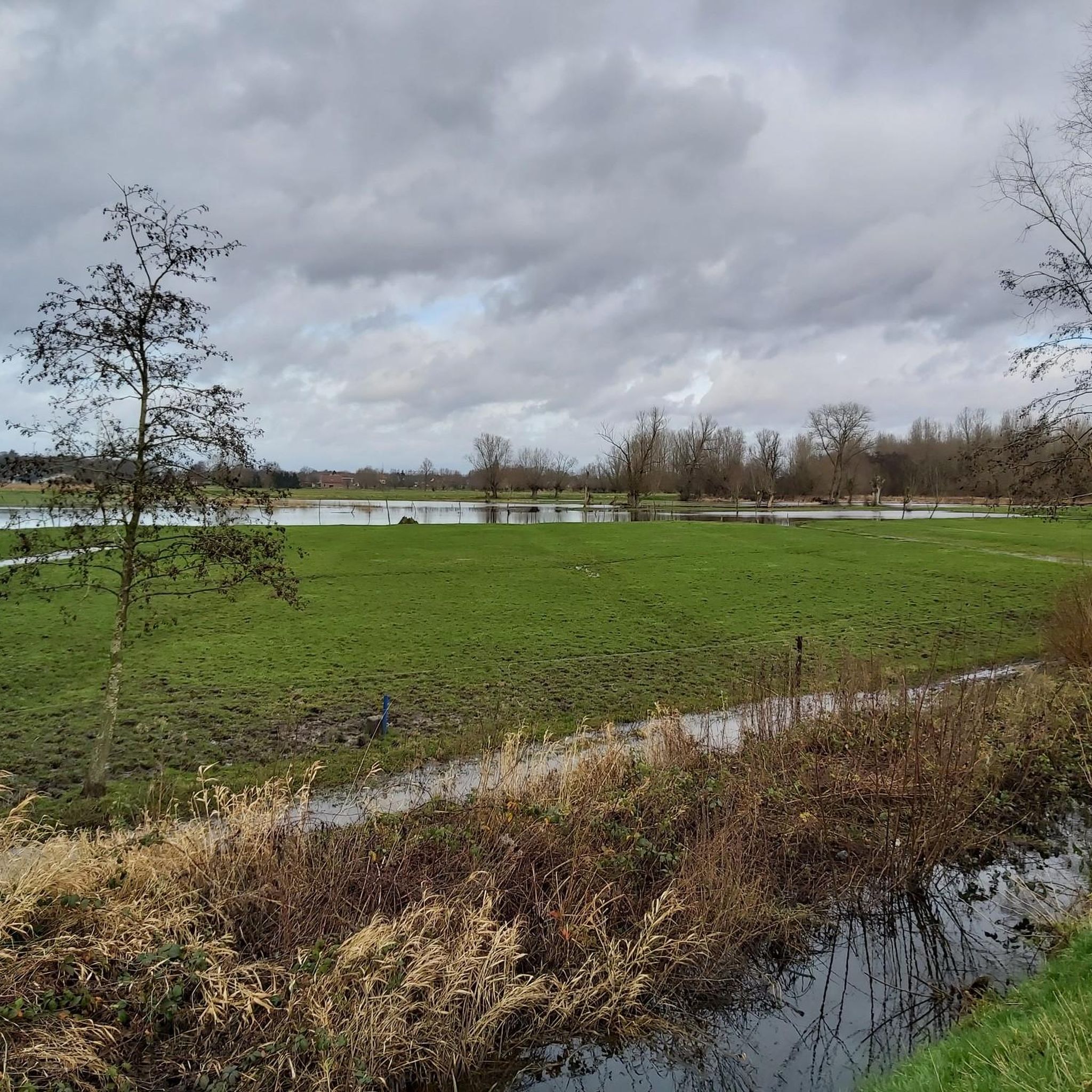
- Visitors also love Nature Reserve De Putten, a 16-hectare nature reserve. This area is a mosaic of moist meadows, lakes, swamps, and swamp forests, forming part of the larger Scheldemeersen.
- De Pinte is known for its forests, nature reserves, and riverine landscapes. Visitors can explore a variety of natural monuments, from woodlands with diverse tree species to wetlands and viewpoints overlooking expansive natural areas.
- The natural monuments around De Pinte are appreciated by the komoot community, with more than 100 photos shared and over 130 upvotes.
Last updated: June 28, 2026
Zwalm Valley Trail
Highlight (Segment) • Trail
Translated by Google •
Tip by

Aelmoeseneiebos Stream and Wooden Bridge
Highlight • Forest
It includes more than 60 tree species, including all native trees of Flanders, as well as a number of park trees.
It is currently used as part of the Bioscience Engineering course in Forest and Nature Management and is freely accessible to walkers.
Translated by Google •
Tip by

Sign up now to discover places like this
Get recommendations on the best single tracks, peaks, & plenty of other exciting outdoor places.
Sign up for free
Peace Monument
Highlight • Monument
This project was opened on Architecture Day 2013.
Translated by Google •
Tip by
Nature Reserve De Putten
Highlight • Natural
The history of its origins has an industrial past, as the area was used for expanding land. This means that the clay layer was excavated for the production of bricks.
This so-called 'Scheldt stone' was fired on site in small field ovens. Due to the high groundwater level, a swampy area quickly developed on these exhausted areas, where at most Canada poplars could survive. These were therefore planted en masse for the cuttings factories in Geraardsbergen, but that too has now become industrial archaeology.
The first purchases were made in 1993 and the nature reserve has now grown into a mosaic of 16 hectares of moist meadows, lakes, swamps and swamp forests. A few plots of the old poplar forests remain for the Oriole and the Lesser Spotted Woodpecker, two uncommon bird species that like to feed in those trees.
'De Putten' is part of the nature reserve 'De Scheldemeersen', where Natuurpunt already manages or owns 120 hectares. De Scheldemeersen is located in Merelbeke and De Pinte (covering an area of 600 hectares).
The area can be viewed along the Trekweg (Scheldedijk) and the Meersstraat. One or more guided walks are organized every year.
Source: Natuurpunt
Translated by Google •
Tip by
Schouwbroek Castle
Highlight • Castle
The park was laid out in the English landscape style at the end of the 19th century. There is a pond, an icehouse with a pavilion built above it. There are also bridges, a boathouse and a cave. There are three monumental chestnut trees, including possibly the thickest chestnut tree in Belgium.
The park is closed off on the side of Schouwbroekstraat by an impressive iron gate. You can look through the gate at the park but you can't get in.
Translated by Google •
Tip by

Sign up for free to discover even more natural monuments around De Pinte.
Sign up for free
Already have an account?
Start today with a free account
Your next adventure awaits.
Login or Signup
Tips from the Community


The Aelmoeseneiebos (or Aalmoezenijebos) is a nature reserve on the territory of the municipalities of Melle (Gontrode) and Oosterzele (Landskouter). The forest is 28.5 hectares in size and is owned by the University of Ghent. The forest area is now managed by the university Lab for Forest & Nature. The railway line Ghent-Geraardsbergen divides the forest in two. The Aelmoeseneiebos is an old forest area that already appeared on the Ferraris map in 1775. The forest was owned by the Saint Bavo's Abbey of Ghent for centuries. During the French period (1794-1815) it was transferred to the public poor relief of the city of Ghent. In 1967-1968 the Belgian State bought the forest so that the University of Ghent could use it as a test forest. The most important tree species are summer oak and beech, with ash and maple in the stream valleys. The Aelmoeseneiebos is known for its spring flora such as wood anemone, slender primrose, yellow dead-nettle and small periwinkle. During the First World War, the forest was largely cut down but replanted in 1920. Adjacent to the western part of the Aelmoeseneiebos, 10 hectares of plots of land belonging to Natuurpunt, Oosterzele department, are located in the valley of the Gondebeek. With the 'Rodeland landscape project' [1], the aim is to connect the Aelmoeseneiebos with the Makegemse forests through afforestation in the valleys of the Gondebeek, Kerkesbeek and Driesbeek[2][3]. In 2021, 5 amphibian tunnels were constructed in the Gondebeek valley[4]. Inventories and research in the Aelmoeseneiebos found 1329 different species: including 64 tree and shrub species and 599 species of invertebrates. The Aelmoeseneiebos is protected in Europe as part of the Natura 2000 area (habitat directive area) 'Forests of the south-east of the Zandleemstreek' (BE2300044). The forest is freely accessible on the footpaths.
1
0

This nature reserve is a remnant of an extensive forest area that gradually had to make way for agriculture in the 18th century. The surrounding land and the forest were owned for centuries by the Aalmoezenij, the poor relief of the Ghent Saint Bavo's Abbey. The production of wood was the main function at that time. The forest was purchased by the Belgian state in 1967-1968 so that the University of Ghent could use it as a test forest. In the early years, it was mainly used for studies on the growth and management of forests with a view to wood production. It also had a recreational and educational function. Railway line 122 Melle-Geraardsbergen divides the forest in two. In the western part (where we walked) an arboretum was created in 1973. With the 'Rodeland landscape project', the aim is to connect the Aelmoeseneiebos with the Makegemse forests through further afforestation of a number of stream valleys.
4
0

Beautiful, peaceful nature walk. A small part of the route was quite overgrown with nettles, but nothing insurmountable.
0
1

Lots of field paths, close to the stream, a few 'mills' and quite a bit of mud... so waterproof shoes are recommended!
4
0

What is exceptional for Flanders is that the Zwalm bridges a height difference of 60 m at a distance of barely 19 km. This means it has a lot of energy. It also has a basin of 155 km², which ensures a decent flow. This decline and this assured flow were used in the past by water mills. (Wikipedia)
11
0
You can take beautiful walks along the Zwalm and surroundings. Exploring the Zwalmbeek, the villages, the mills, etc. is worthwhile. The path along the stream is an experience.
12
0
A beautiful and educational green walk through a unique forest! In beautiful autumn weather we enjoyed the variety of this forest and the information we received during the walk from the signs provided. The open parts of the walk with the views and the view of the old airport are also worth a visit. Recommended !
1
0
Frequently Asked Questions
What types of natural monuments can I explore around De Pinte?
De Pinte offers a diverse range of natural monuments, from dense woodlands and arboretums to expansive riverine landscapes and nature reserves. You can discover areas like the Aelmoeseneiebos Stream and Wooden Bridge, known for its varied tree species, or the wetland mosaic of Nature Reserve De Putten. The region also features unique spots like the Peace Monument, which offers panoramic views of the surrounding Meersen landscape.
Are there family-friendly natural monuments in De Pinte?
Yes, several natural monuments around De Pinte are suitable for families. The Aelmoeseneiebos Stream and Wooden Bridge is freely accessible to walkers and features an arboretum that can be an interesting educational experience. The Peace Monument also offers an engaging visit with its climbable structure and wide views. Additionally, the Keuzemeersen nature reserve provides a peaceful setting for walks, where children might enjoy spotting various bird species.
What are the best places for hiking near De Pinte's natural monuments?
The region around De Pinte is excellent for hiking. You can explore the Makegem Forests, known for their quiet environment and varied terrain with many boardwalks. The Zevergemse Scheldemeersen, which includes the Krommenhoek nature reserve, offers scenic river views and routes like the Doornhammeke hiking route. The Parkbos is also a popular green space for walks.
Can I go cycling near the natural monuments in De Pinte?
Absolutely! De Pinte offers several cycling opportunities that allow you to explore the natural surroundings. You can find various routes, including those that pass through scenic areas. For detailed routes and options, check out the Cycling around De Pinte guide, which features routes like the 'Oude Kale Valley – Ghent–Bruges Canal Cycle Path loop'.
Are there any historical sites or man-made monuments among the natural areas?
Yes, the region blends natural beauty with historical and man-made structures. The Peace Monument is a notable steel and wooden structure that functions as a lookout tower, offering wide views of the Meersen landscape. While not publicly accessible, the impressive Schouwbroek Castle, with its beautiful English landscape park, is another significant historical landmark in the area.
What kind of wildlife can I expect to see in De Pinte's nature reserves?
De Pinte's nature reserves are home to diverse wildlife, especially birds. In Nature Reserve De Putten, you might spot uncommon bird species like the Oriole and the Lesser Spotted Woodpecker, which favor the old poplar forests. The Keuzemeersen is known for shovelers, yellow wagtails, reed buntings, and lapwings, particularly in its wet grasslands and ditches.
What is the best time of year to visit the natural monuments around De Pinte?
The natural monuments around De Pinte offer beauty throughout the year, but spring and autumn are particularly rewarding. In spring, the forests, like the Aelmoeseneiebos, burst with new growth and wildflowers. Autumn brings vibrant foliage to the woodlands. The riverine areas, such as the Zevergemse Scheldemeersen and Keuzemeersen, are beautiful year-round, though some areas might be marshier in wetter seasons, enhancing the experience with boardwalks.
Are there any natural monuments with viewpoints or scenic overlooks?
Yes, the Peace Monument is specifically designed as a lookout tower, offering expansive views of the surrounding Meersen landscape. Additionally, areas like the Keuzemeersen provide scenic vistas over wet grasslands and the meandering Leie river, perfect for nature observation.
Are the natural monuments around De Pinte accessible for people with limited mobility?
While specific accessibility information for all sites is limited, many natural areas in De Pinte feature varied terrain. The Aelmoeseneiebos Stream and Wooden Bridge is freely accessible to walkers, and the Peace Monument has unpaved paths leading to it. For detailed information on specific routes and their suitability, it's advisable to check individual trail descriptions or local visitor information.
Where can I find parking facilities near these natural monuments?
Parking facilities vary by location. For the Peace Monument, depots are provided at the entrance of the path to secure bicycles, suggesting nearby parking for vehicles might also be available. For other areas like the Parkbos or Makegem Forests, designated parking areas are typically available at trailheads or main access points. It's recommended to check specific route details for precise parking information.
Are dogs allowed in the natural monuments and nature reserves?
Many natural areas in Belgium, including those around De Pinte, are generally dog-friendly, especially on marked trails and if kept on a leash. However, specific rules can vary for nature reserves like De Putten or Keuzemeersen, particularly in sensitive wildlife breeding areas. Always look for local signage or check with local authorities for the most current regulations regarding dogs.
What are the characteristics of the Makegem Forests?
The Makegem Forests, located near Munte and accessible from De Pinte, are characterized by a quiet environment and varied terrain. They feature both woodlands and open fields, with many boardwalks, especially in marshy areas. This area, which includes parts like Nerenbos and Gentbos, is ideal for hiking and offers a peaceful escape into the rural character of the region.
What makes the Zevergemse Scheldemeersen and Krommenhoek nature reserve unique?
The Zevergemse Scheldemeersen, including the Krommenhoek nature reserve, are unique for their beautiful riverine nature along the Scheldt. The landscape features scenic towpaths and former meanders of the Scheldt, created when the river was straightened. It's a prime location for tranquil walks with picturesque water views and offers a chance to observe local flora and fauna in a natural floodplain environment.
Most popular routes around De Pinte
Most popular attractions around De Pinte

Get inspired with the komoot mobile app


Explore more
Extend your search for the best caves by checking out these guides of the top ones around De Pinte:
