Top 20 Natural Monuments around Zwijndrecht
Best natural monuments around Zwijndrecht include a diverse range of natural areas and historical sites integrated with nature. The region features unique freshwater tidal wetlands, extensive parklands, and forests. These areas offer opportunities to experience local biodiversity and the Dutch landscape shaped by water management. Zwijndrecht's natural monuments provide varied settings for outdoor activities.
Best natural monuments around Zwijndrecht
- The most popular natural monuments is Benedenvliet - Schelle, a river that was historically an important watercourse and now serves…
Last updated: October 15, 2026
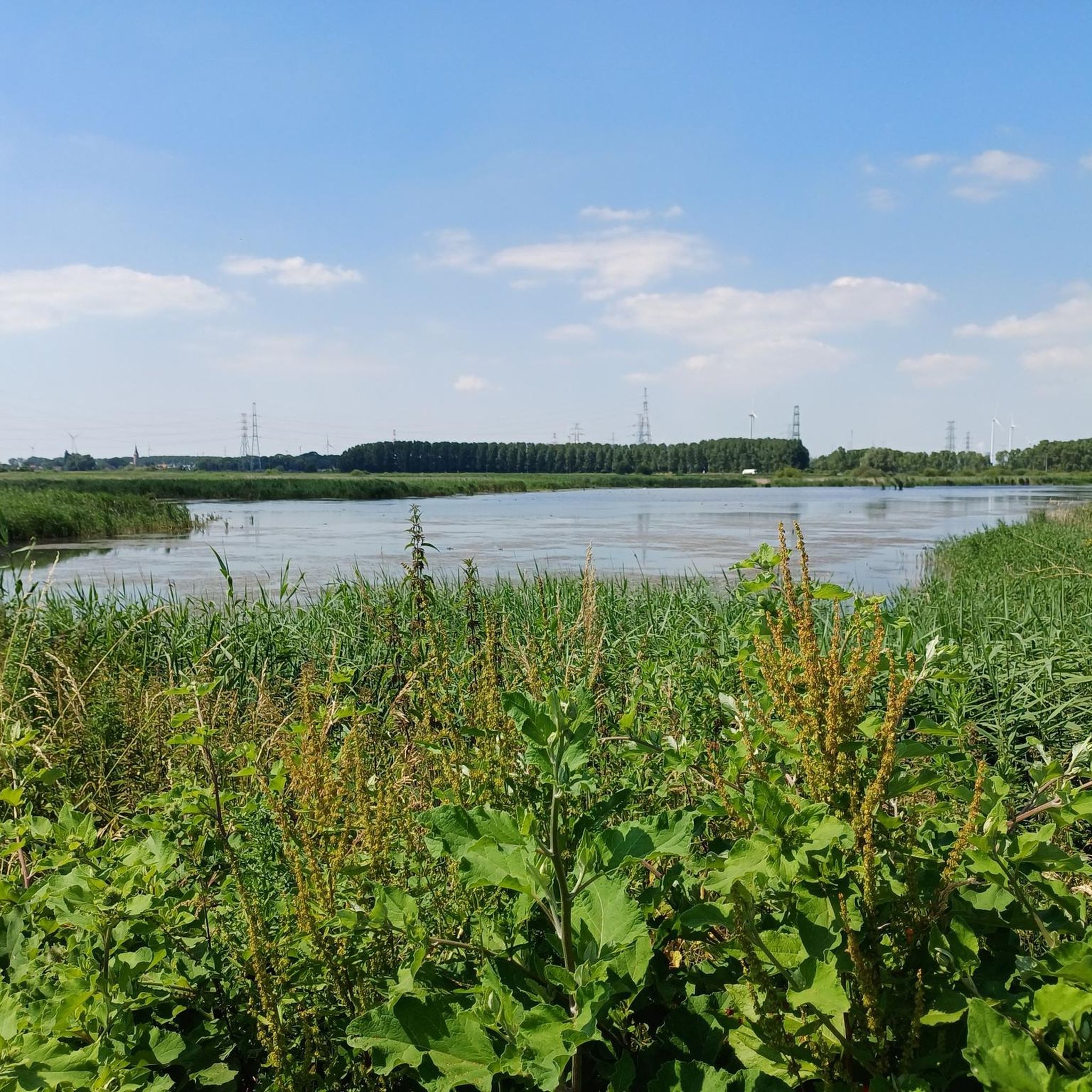
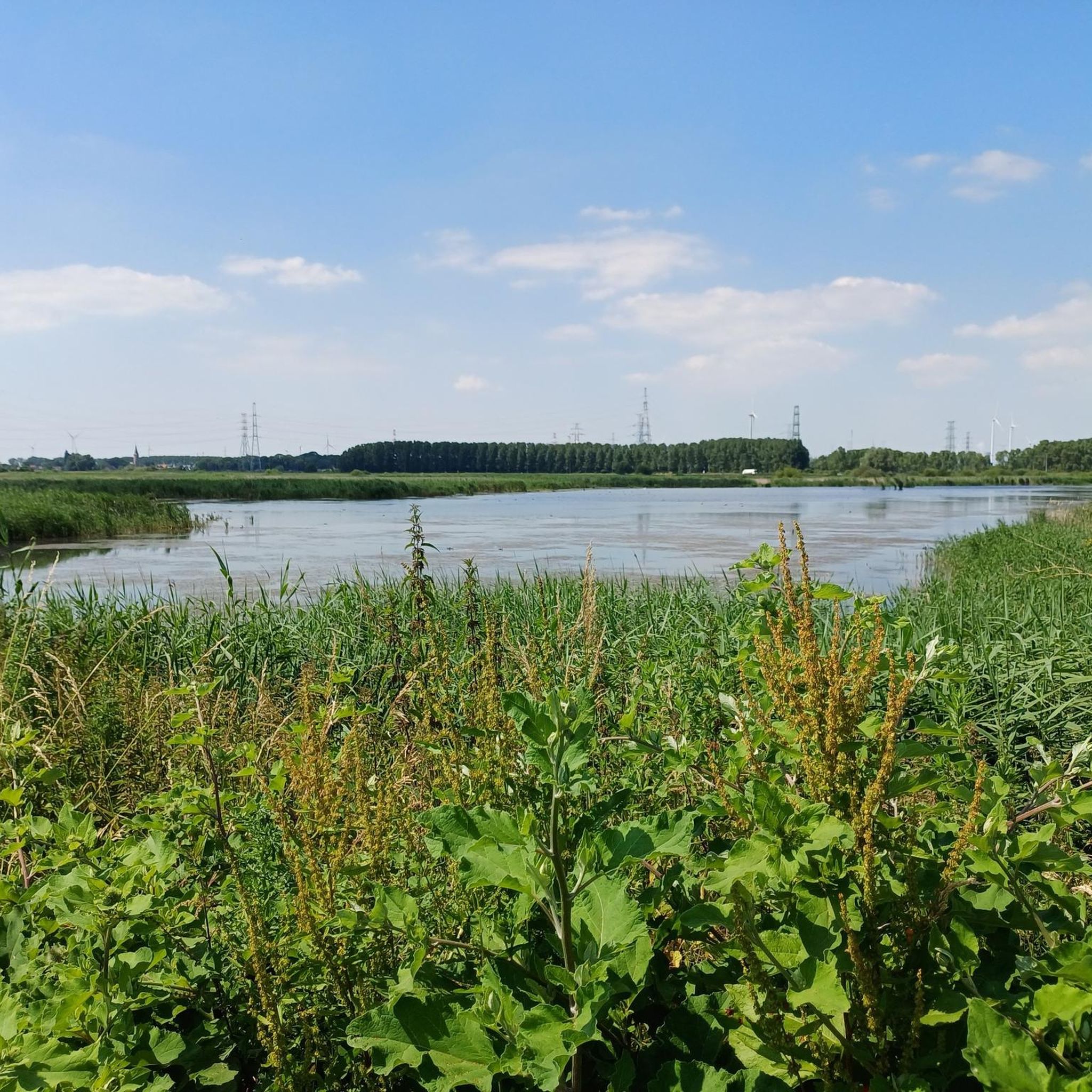
Nature area with water features
Highlight • Lake
Translated by Google •
Tip by

Pond at Fort III Borsbeek
Highlight • Lake
Translated by Google •
Tip by
Sign up now to discover places like this
Get recommendations on the best single tracks, peaks, & plenty of other exciting outdoor places.
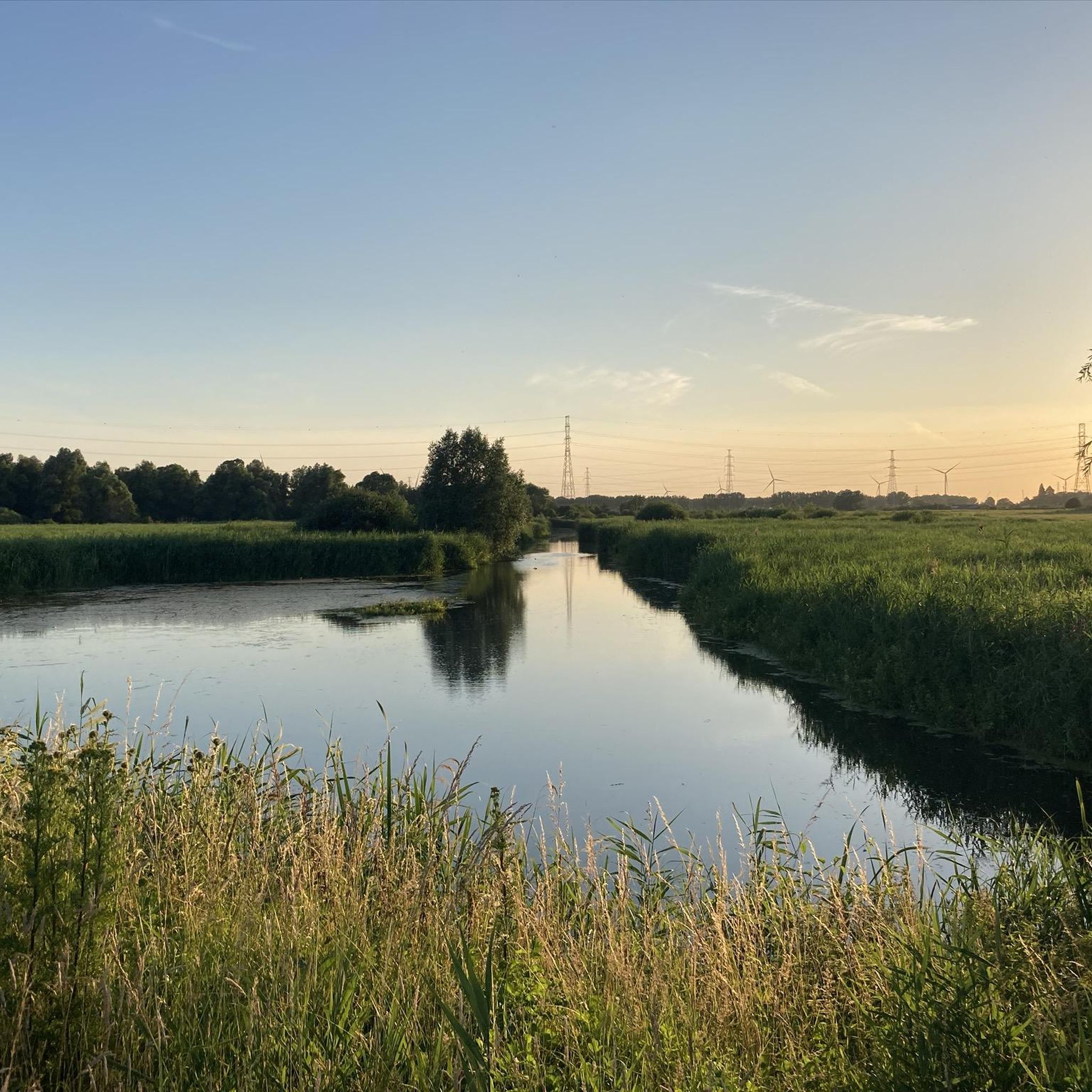
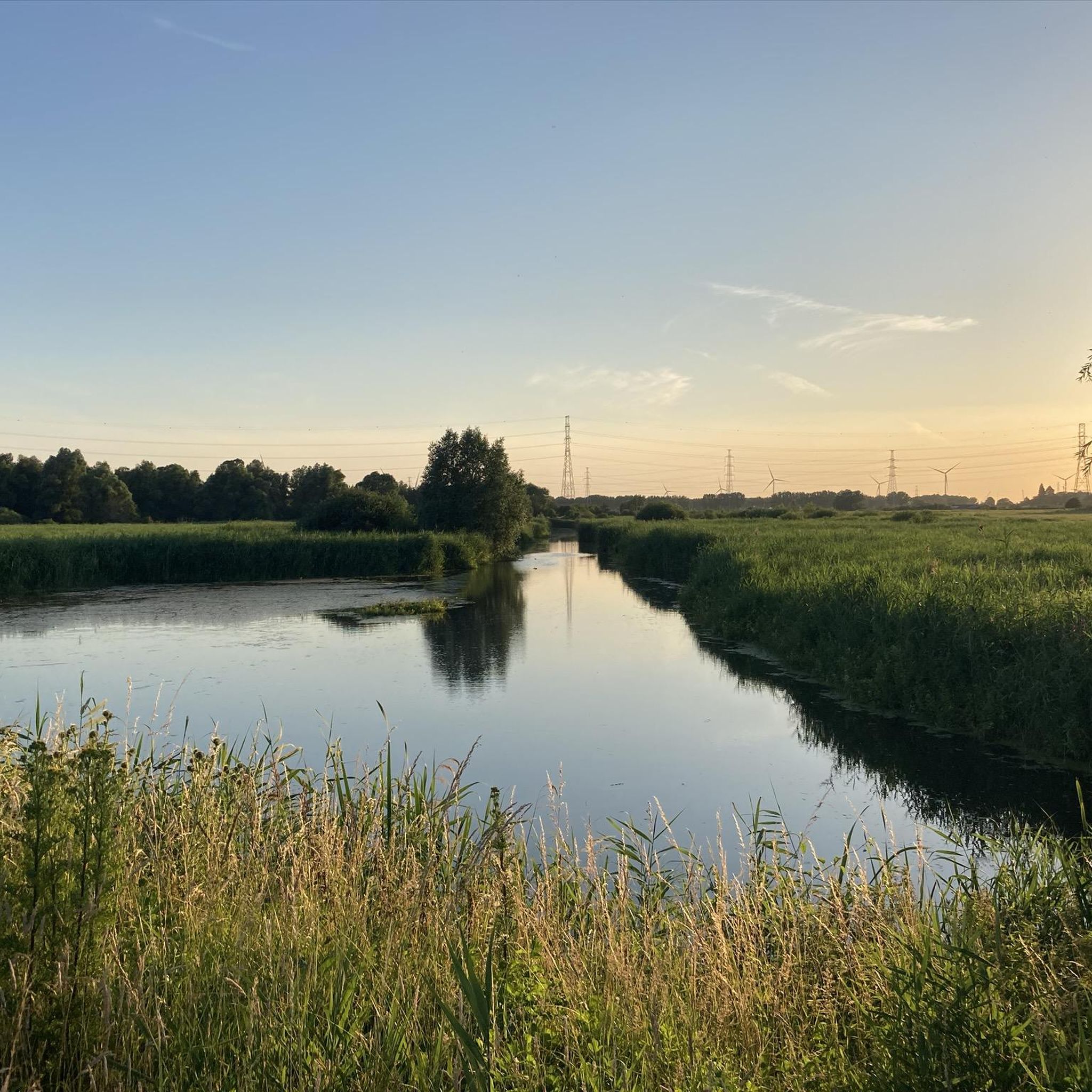
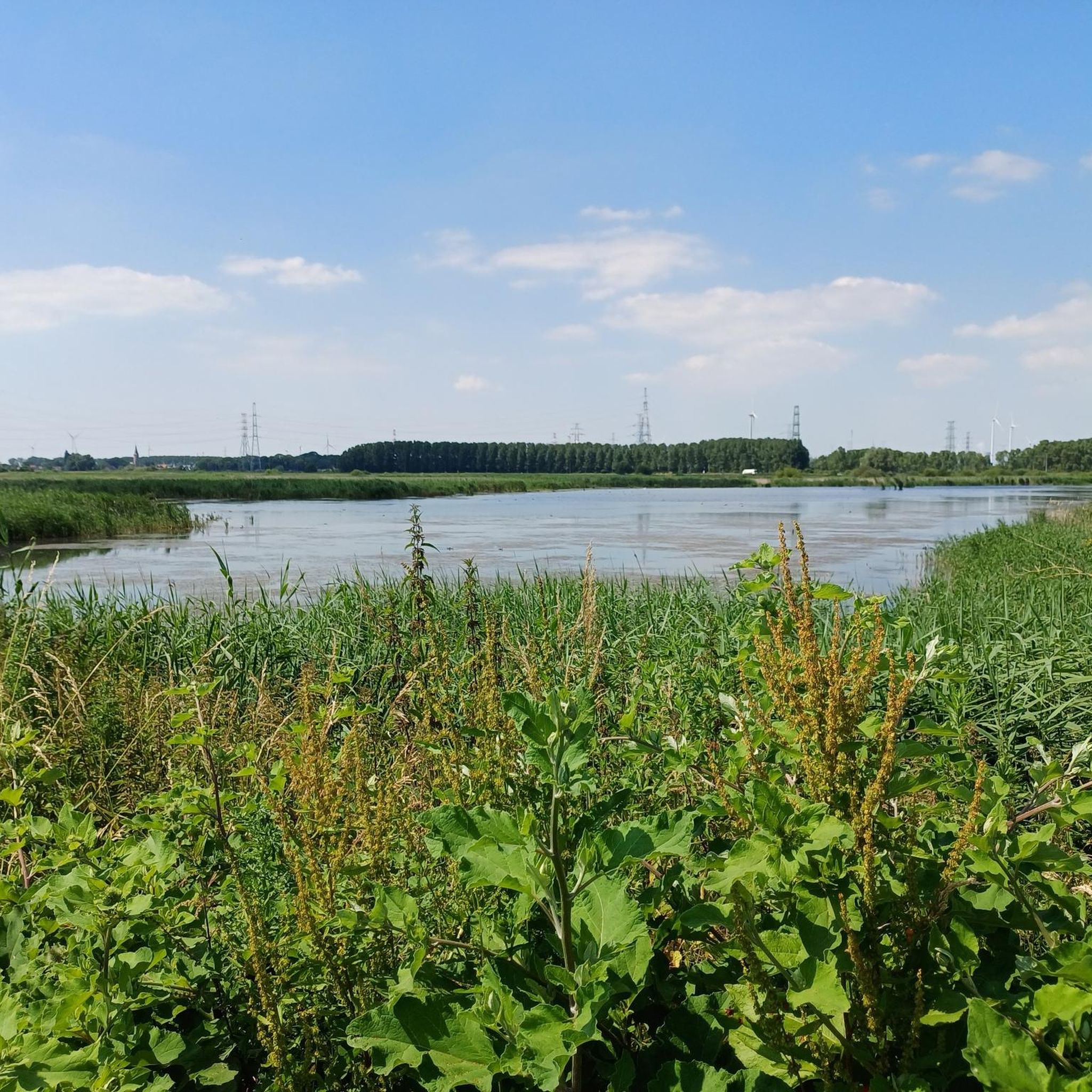
Benedenvliet - Schelle
Highlight • River
Translated by Google •
Tip by
Hof ter Saksen Castle
Highlight • Castle
Translated by Google •
Tip by

Fort 4 Mortsel
Highlight • Historical Site
Translated by Google •
Tip by

Sign up for free to discover even more natural monuments around Zwijndrecht.
Already have an account?
Start today with a free account
Your next adventure awaits.

Tips from the Community

Here you know why water has an attraction...
3
0

Beveren purchased the estate in 1982. It boasts the striking 18th-century neoclassical castle, but the farm, ice cellars, and orangery are also worth a visit. During the Middle Ages, the estate was called "Shaecx" after the oldest residents of the fiefdom, the Noethaeckx family. This is how the place got its name. It was Jean-Baptist Versmessen, chief alderman of the Land van Waas castellany, who laid out the estate in its current form in 1781. The English landscape garden appears in 19th-century illustrations. It remained in the Versmessen family until textile manufacturer Edmond Meert purchased the property. The castle was severely damaged during WWII, leaving only a ruin. Restoration took place between 2004 and 2007, and it is now hoped to restore the interior to its former grandeur.
6
0

Beautiful domain with a beautiful park. In the summer months on Saturdays and Sundays the terrace is open in the coach house.
3
0


The Hof ter Saksen castle in Beveren is not only dazzlingly beautiful to look at, it is especially the park that is a real eye-catcher. The Hof ter Saksen castle park plays with the senses of the visitor. And the plants are so beautiful and sophisticated that each season gives its own colour, atmosphere and identity. You can stroll there for free from 10 am, in the summer until 8 pm and in the winter until 4.30 pm. Dogs on a leash are only welcome on the designated paths, not in the stream valley, the nature garden and the high-stem orchard. More information at https://www.waasland.be/hof-ter-saksen-0
4
0

On May 7, 1923, the Rivierenhof opened its gates to the general public. It is the oldest provincial domain in Belgium. Later all other provinces followed suit. History: In 1921 the last noble heirs decided to sell the domain. Thanks to the alert actions of provincial registrar Jozef Schobbens, the province purchased the domain as a green lung for the already heavily populated Deurne-Borgerhout region where many workers lived. It was hoped that the Rivierenhof would be able to offer them healthy air, relaxation and tranquility. The province expanded the park from 40 to 135 hectares. Ponds were dug, lands were raised, castles were renovated and picturesque shelters were built. Bridges, a rose garden and sports fields were constructed. All this to allow everyone to enjoy the fresh greenery as much as possible. 100 years later, the Rivierenhof is still the most beautiful park in the entire province, where visitors from near and far admire everything this special place has to offer.
6
0

Here you can use the toilets for free.
9
1
Frequently Asked Questions
What are some of the most notable natural monuments to visit around Zwijndrecht?
Among the highly-rated natural monuments, you'll find Benedenvliet - Schelle, a historic watercourse now serving as a holding basin and a prime spot for birdwatching. Another significant location is Hof ter Saksen Castle, which offers a public educational nature park with diverse landscapes including meadows, forests, and an arboretum. Additionally, the Pond at Fort III Borsbeek provides a unique blend of nature and history, situated at a historic fort with varied natural surroundings.
Are there family-friendly natural monuments in the Zwijndrecht area?
Yes, several natural monuments around Zwijndrecht are well-suited for families. The Pond at Fort III Borsbeek offers a play trail for children and guided walks. Hof ter Saksen Castle is also a public educational nature park with plenty of space for exploration. Beyond these, areas like Develpark and Develbos within Zwijndrecht provide pleasant environments for walks and outdoor activities with kids.
What kind of natural features can I expect to see in Zwijndrecht's natural monuments?
The natural monuments around Zwijndrecht showcase a variety of features. You can explore freshwater tidal wetlands, rivers, and creeks, particularly in areas like De Biesbosch National Park. There are also extensive parklands such as Develpark and Het Noordpark, young forests like Develbos, and arboretums like Arboretum Munnike Park with diverse tree species. Many sites also feature lakes, ponds, and rich biodiversity, including various bird species.
What historical or cultural sites are integrated with nature in the Zwijndrecht region?
The region beautifully blends history with nature. The Pond at Fort III Borsbeek is part of an ancient fort, offering views of its Caponiere and historical context. Hof ter Saksen Castle is a historic estate with a castle, farm, and orangery set within a natural park. Furthermore, Fort 4 Mortsel, a 19th-century fortress, is now a 24-hectare domain offering an oasis of greenery combined with historic buildings. The Kinderdijk Windmills, a UNESCO World Heritage site, also represent a significant cultural monument intrinsically linked to the natural landscape and water management.
Are there opportunities for birdwatching near Zwijndrecht?
Yes, Zwijndrecht and its surroundings offer excellent opportunities for birdwatching. Benedenvliet - Schelle is known as a perfect breeding area for many water birds. De Biesbosch National Park, a freshwater tidal wetland, is particularly renowned for its diverse bird species, including sea eagles, making it a prime location for birdwatchers.
What outdoor activities can I do near these natural monuments?
The natural monuments and surrounding areas provide a wide range of outdoor activities. You can enjoy hiking, cycling, and even horseback riding in places like Develbos. De Biesbosch National Park is ideal for water recreation such as boating, canoeing, and fishing. For those interested in more structured routes, you can find various MTB Trails around Zwijndrecht, Gravel biking routes, and Running Trails that often pass through or near these natural areas.
Are there any natural areas suitable for quiet strolls or relaxation?
Absolutely. The Nature area with water features (Rivierenhof) is perfect for quiet strolls along its many water features. Develpark, with its pleasant trees and wheelchair accessibility, is an ideal spot for walking and picnicking. Arboretum Munnike Park also offers a serene environment for those interested in botany and a peaceful walk among diverse tree species.
What is the best time of year to visit the natural monuments around Zwijndrecht?
The natural monuments around Zwijndrecht can be enjoyed throughout the year, with each season offering a different experience. Spring and summer are ideal for lush greenery, blooming flora, and water activities in areas like De Biesbosch. Autumn brings beautiful foliage to the forests and parks, while winter can offer serene, crisp walks, especially in areas like Develbos or the fortified sites.
Are there any natural monuments that are wheelchair accessible?
Develpark in Zwijndrecht is designed to be wheelchair accessible, offering pleasant paths for visitors. While some natural trails might be challenging, the park provides an inclusive option for enjoying the outdoors. For other natural areas, it's advisable to check specific accessibility details, as some nature walks, like parts of the route around Fort Borsbeek, may not be suitable for wheelchairs or strollers.
Where can I find parking when visiting these natural monuments?
Many natural monuments and parks in the Zwijndrecht area offer parking facilities. For instance, Hof ter Saksen Castle provides parking for visitors. Larger parks and natural areas often have designated parking lots. For specific locations, it's recommended to check local signage or information boards upon arrival.
What kind of wildlife can I encounter in the natural areas around Zwijndrecht?
The natural areas around Zwijndrecht are rich in biodiversity. De Biesbosch National Park is particularly known for its diverse fauna, including beavers and various bird species like sea eagles. In areas with leafy water features, such as Develbos, you can often spot ducks and other birds. The Fort of Borsbeek is also an important hibernation site for bats, adding to the region's wildlife diversity.
Are there any natural areas that have undergone significant ecological restoration?
Yes, the area of De Hooge Nesse / Veerplaat in Zwijndrecht is a notable example of ecological restoration. This 72-hectare site, once an agricultural polder and later a depot, has been transformed into a natural area. Its development highlights efforts to restore and enhance natural landscapes, offering a unique environment shaped by its history and ongoing ecological processes.
Most popular routes around Zwijndrecht
Most popular attractions around Zwijndrecht

Get inspired with the komoot mobile app


Explore more
Extend your search for the best caves by checking out these guides of the top ones around Zwijndrecht:
