Top 20 Natural Monuments around Molenbeek-Saint-Jean - Sint-Jans-Molenbeek
Best natural monuments around Molenbeek-Saint-Jean - Sint-Jans-Molenbeek offer diverse natural spaces within and near this urban area. The region features significant green spaces that provide ecological value and recreational opportunities. These areas include semi-natural sites, established parks, and parts of larger forest systems. Visitors can find varied landscapes, from dense woodlands to open meadows and designed parklands.
Best natural monuments around Molenbeek-Saint-Jean - Sint-Jans-Molenbeek
- The most popular natural monuments is Sonian Forest, a forest that is one of the…
Last updated: July 12, 2026
Drowned Children Ponds
Highlight • Lake
Tip by

Sonian Forest
Highlight • Forest
Translated by Google •
Tip by

Sign up now to discover places like this
Get recommendations on the best single tracks, peaks, & plenty of other exciting outdoor places.
Sign up for free
Mont des Arts Garden
Highlight • Viewpoint
Translated by Google •
Tip by

Woluwe Park
Highlight • Forest
Translated by Google •
Tip by

Wolfsputten Nature Reserve
Highlight • Natural
Translated by Google •
Tip by

Sign up for free to discover even more natural monuments around Molenbeek-Saint-Jean - Sint-Jans-Molenbeek.
Sign up for free
Already have an account?
Start today with a free account
Your next adventure awaits.
Login or Signup
Popular around Molenbeek-Saint-Jean - Sint-Jans-Molenbeek
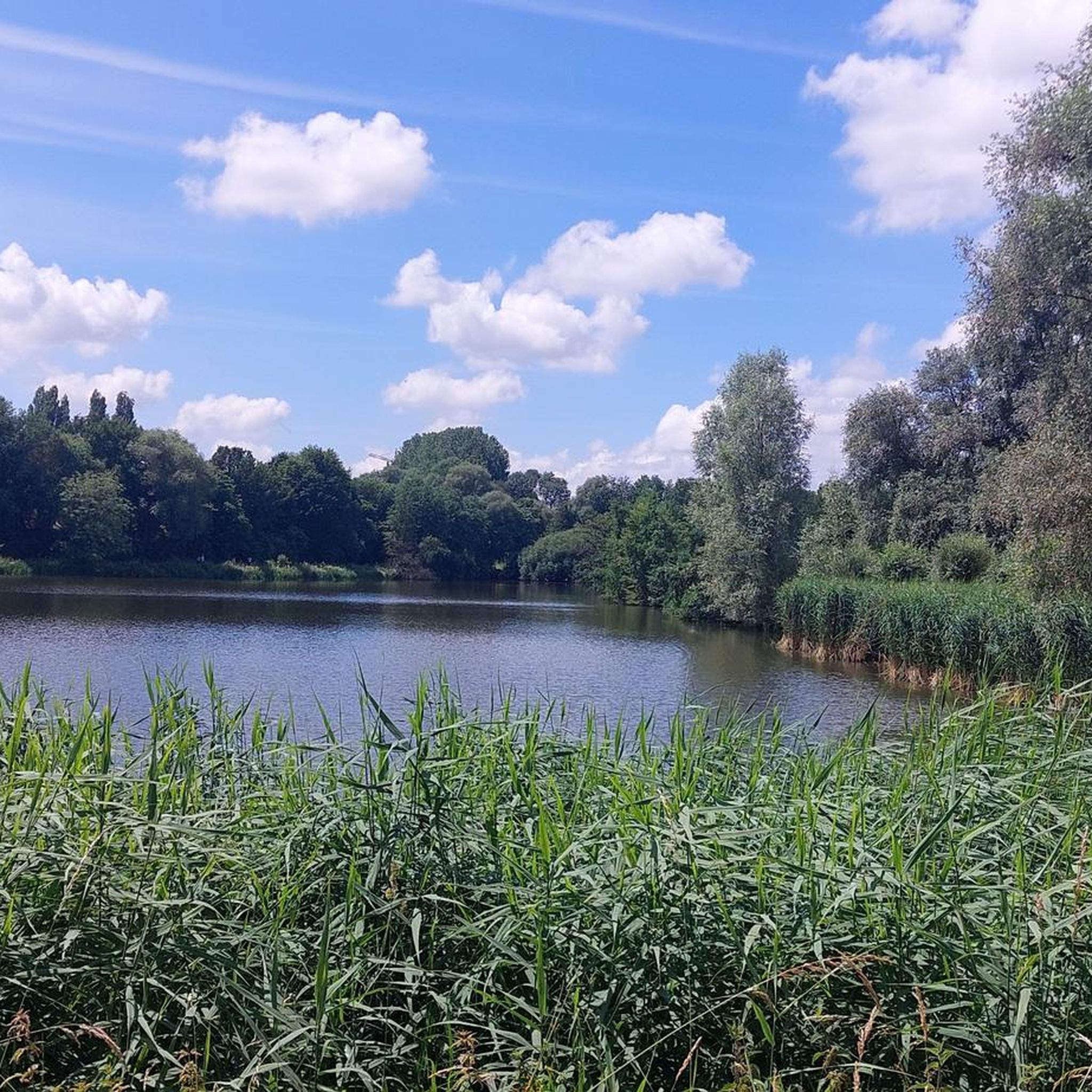
Running Trails around Molenbeek-Saint-Jean - Sint-Jans-Molenbeek
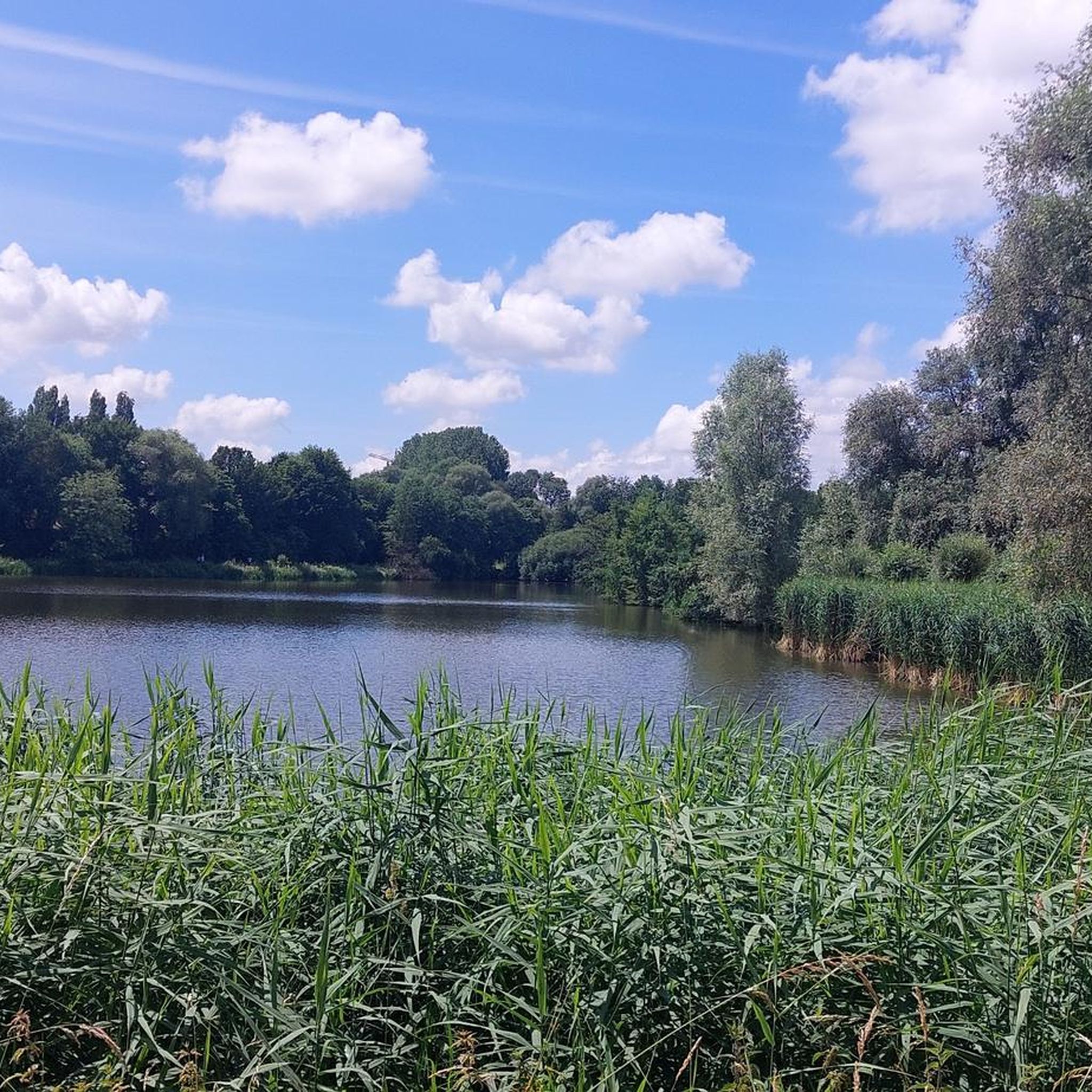
Road Cycling Routes around Molenbeek-Saint-Jean - Sint-Jans-Molenbeek
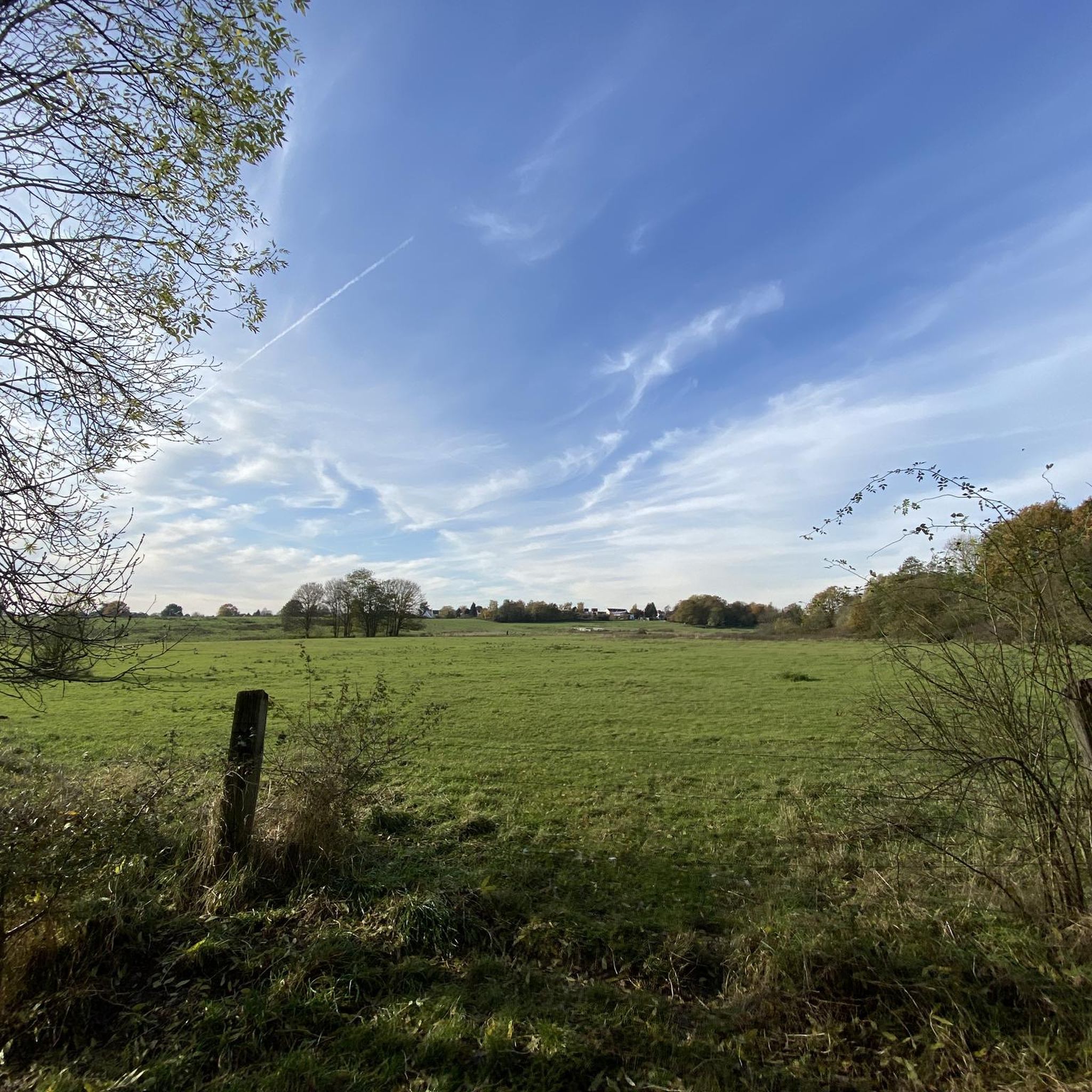
Cycling around Molenbeek-Saint-Jean - Sint-Jans-Molenbeek
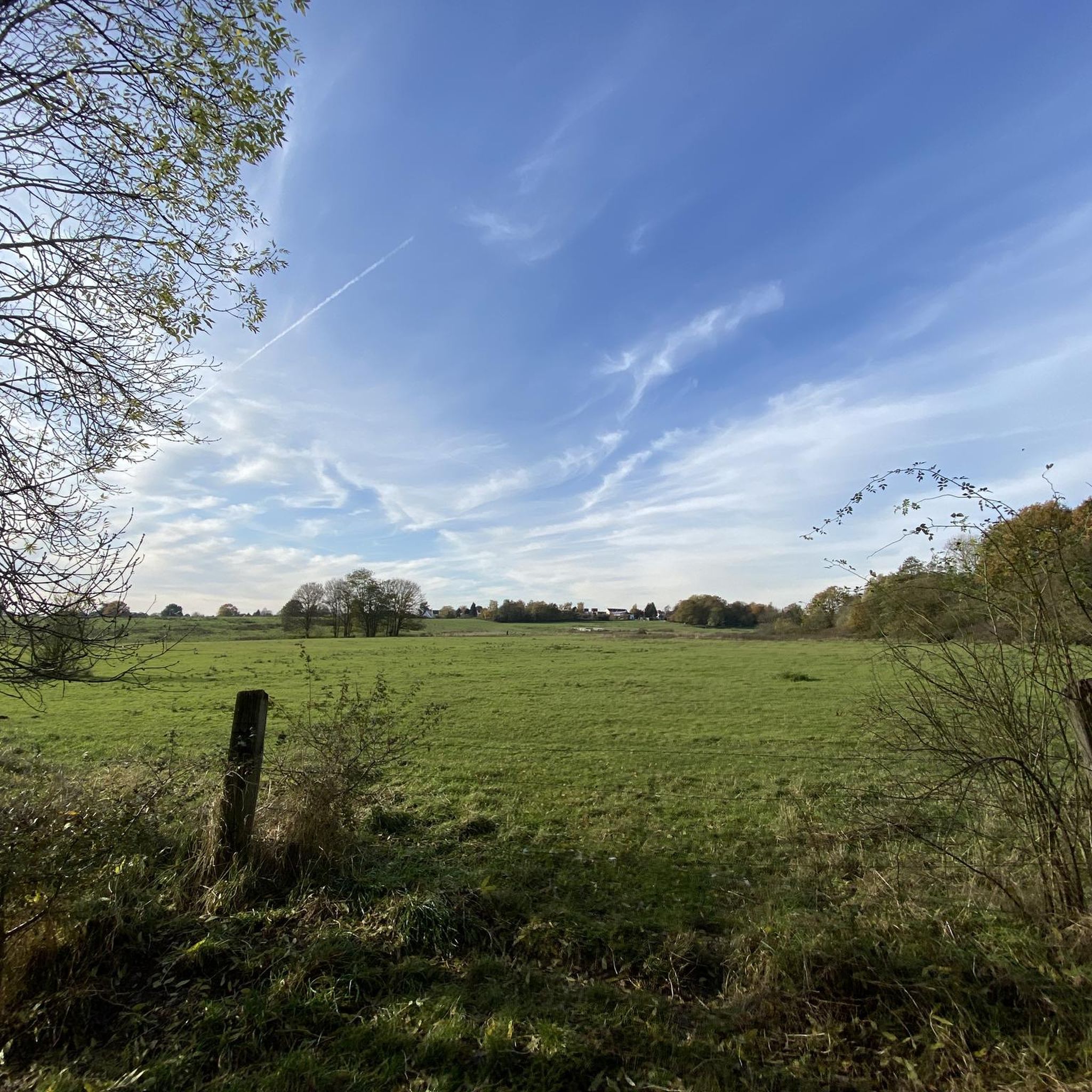
MTB Trails around Molenbeek-Saint-Jean - Sint-Jans-Molenbeek

Gravel biking around Molenbeek-Saint-Jean - Sint-Jans-Molenbeek
Hiking around Molenbeek-Saint-Jean - Sint-Jans-Molenbeek
Tips from the Community

The area offers a rich variety of habitats: you'll walk through forests, grasslands, scrubland, and fields with varying degrees of moisture and nutrient richness. The calcareous springs in the south of the area foster a very specific flora in the central stream valley. Along the way, you'll encounter wild garlic, water plantain, wood anemones, and bracken, among other plants. (Visit Dilbeek)
10
0

A 90-hectare gem in the Green Belt, just a stone's throw from Brussels. This nature reserve is known for its rich terrain, with beautiful spring flora alternating between dry and marshy areas. Restored and newly constructed boardwalks—a total of approximately 370 meters—guide you comfortably through the valley without damaging the fragile, wetlands. The highlight of Wolfsputten is undoubtedly the new viewing platform, a popular stop or selfie spot. Want to know more? Click through to https://www.natuurenbos.be/natuurgebieden/wolfsputten
7
0

The Wolfsputten form a varied nature reserve with ravine forests, calcareous spring streams and rare flora such as wild garlic, orchids and giant horsetail. In this rolling landscape you walk along old sandstone quarries and deeply cut stream valleys that once provided the building materials for churches and town halls in Brussels, Ghent and Leuven. With more than 300 plant species and dozens of birds and mammals, this is one of Flanders' most biodiverse places.
4
0

Extra in the spring the orchard is in bloom and spring bloomers, but a lot of mud.
4
4

Nice walk on and around the art mountain.
5
0

The Sonian Forest is an exceptional, vulnerable and ancient forest that is also recognized as a UNESCO World Heritage Site. The forest extends across the three Belgian regions and is one of the best-known and most visited green spaces in the region.
3
0

It is one of the largest parks in the capital with its nearly 69 hectares, its history is intimately linked to that of the creation of the avenue de Tervueren within the framework of the Universal Exhibition of 1897. The distribution of the exhibition on two sites (the Parc du Cinquantenaire and the royal estate of Tervueren) requiring a connecting axis, a landscaped park is envisaged along the avenue to embellish it and attract the bourgeois of the capital. Landscape architect Emile Lainé will be entrusted with the development project. Earthworks will be undertaken, using in particular the earth removed during the construction of the four ponds to give the park its rugged relief of English inspiration. The park is also distinguished by the variety of its trees with some 180 different species.
3
0

Colorful meadow is trump here...
11
4
Frequently Asked Questions
What are some of the most notable natural areas to explore in Molenbeek-Saint-Jean - Sint-Jans-Molenbeek?
Molenbeek-Saint-Jean - Sint-Jans-Molenbeek offers diverse natural spaces. The Parc Marie-José is known for its unique Brabant undergrowth vegetation and remarkable trees, including an evergreen sequoia. Another significant site is the Site semi-naturel du Scheutbos, a 44-hectare classified area celebrated for its rich biodiversity and varied landscape of meadows, thickets, and streams. You can also find the expansive Sonian Forest nearby, a UNESCO World Heritage Site with trees over 200 years old, and Woluwe Park, which boasts some 180 different tree species.
Are there family-friendly natural monuments in the area?
Yes, several natural monuments around Molenbeek-Saint-Jean - Sint-Jans-Molenbeek are family-friendly. Sonian Forest and Woluwe Park are excellent choices, offering ample space for walks and exploration. Drowned Children Ponds, located within the Sonian Forest, is also suitable for families, providing a serene nature reserve with three distinct ponds. Parc Marie-José features playgrounds and sports facilities, making it a vibrant community space for all ages.
What kind of wildlife can I spot in the natural areas of Molenbeek-Saint-Jean - Sint-Jans-Molenbeek?
The Site semi-naturel du Scheutbos is particularly rich in biodiversity, with inventories recording over 20 different species of butterflies and 113 bird species. This makes it a crucial ecological hotspot. The Sonian Forest is also home to many animals, offering opportunities for wildlife observation amidst its ancient trees.
Are there any natural monuments with historical significance?
Yes, the Site semi-naturel du Scheutbos is a classified semi-natural site that serves as a testament to the former countryside landscapes surrounding Brussels, officially recognized in 1997 for its landscape qualities and biodiversity. Cinquantenaire Park (Jubelpark), while also featuring natural elements, was created in 1880 to commemorate the 50th anniversary of Belgian independence and is surrounded by historical buildings and museums.
What outdoor activities can I do near these natural monuments?
The natural monuments in and around Molenbeek-Saint-Jean - Sint-Jans-Molenbeek are ideal for various outdoor activities. You can enjoy walking and hiking through sites like the Site semi-naturel du Scheutbos or the vast Sonian Forest. For cycling enthusiasts, there are numerous routes available, including easy to moderate cycling tours like the "Grote Markt Halle – Moulins de Ruysbroeck loop" or the "Wilderbos – King Baudouin Park loop." Gravel biking and mountain biking trails are also present, with options such as the "Groene Gordel and Kravaalbos Loop" for gravel biking or the "Bufkensstraat Path – Steep Gravel and Mud Climb loop" for MTB. You can find more details on these activities in the cycling guide, gravel biking guide, and MTB trails guide for the region.
Are there any natural monuments with water features?
Yes, Drowned Children Ponds is a nature reserve consisting of three large ponds within the Sonian Forest. Parc Marie-José also features three ponds, which have undergone significant restoration, adding to its scenic beauty. The Site semi-naturel du Scheutbos includes streams as part of its diverse landscape.
What is the best time to visit the natural monuments in Molenbeek-Saint-Jean - Sint-Jans-Molenbeek?
The natural monuments can be enjoyed year-round. Spring and autumn offer pleasant temperatures and vibrant colors, ideal for walking and cycling. Summer is great for enjoying the green spaces and outdoor activities, while winter provides a different, tranquil beauty, especially in the forested areas like the Sonian Forest.
Are there any viewpoints offering panoramic views of the area?
Yes, Mont des Arts Garden offers one of the most fascinating city panoramas of Brussels. From here, you can enjoy a great view that includes the tower of the town hall on the Grote Markt, and on clear days, even the Basilica of Koekelberg and the Atomium.
How accessible are these natural monuments by public transport?
While specific public transport details for each site vary, Molenbeek-Saint-Jean - Sint-Jans-Molenbeek is well-connected within the Brussels-Capital Region. Parc Marie-José is located within a highly urbanized area, suggesting good accessibility. For sites further out like the Sonian Forest, public transport options like trams or buses typically connect from central Brussels.
Can I find unique trees or plant species in these natural monuments?
Absolutely. Parc Marie-José is particularly notable for its "typical Brabant undergrowth vegetation" and hosts a collection of significant trees, many listed on the Inventory of Natural Heritage of the Brussels-Capital Region. These include an evergreen sequoia, Atlas cedars, weeping willows, and various oaks. Woluwe Park is also distinguished by its variety of trees, with some 180 different species.
What do visitors enjoy most about the natural monuments in Molenbeek-Saint-Jean - Sint-Jans-Molenbeek?
Visitors appreciate the escape from city life that these green spaces provide. The tranquility of the Sonian Forest with its ancient beech trees, the diverse landscapes of the Site semi-naturel du Scheutbos, and the recreational opportunities at Parc Marie-José are frequently highlighted. The beauty of the Drowned Children Ponds and the variety of trees in Woluwe Park also receive positive feedback, with many enjoying the quiet contemplation and opportunities for nature observation.
Most popular routes around Molenbeek-Saint-Jean - Sint-Jans-Molenbeek
Most popular attractions around Molenbeek-Saint-Jean - Sint-Jans-Molenbeek

Get inspired with the komoot mobile app


Explore more
Extend your search for the best caves by checking out these guides of the top ones around Molenbeek-Saint-Jean - Sint-Jans-Molenbeek:
