Top 20 Natural Monuments around Amay
Best natural monuments around Amay are characterized by a blend of geological features and historical significance. The region, located in Belgium, showcases impressive limestone cliffs and diverse wild flora, particularly in areas like the Ampsin quarry. These natural attractions near Amay provide insights into both past industrial activities and the development of unique biodiversity. The landscape offers opportunities for exploring rock formations and various ecosystems.
Best natural monuments around Amay
- The most popular natural monument is Modave Castle, a…
Last updated: October 2, 2026
Modave Castle
Highlight • Castle
Translated by Google •
Tip by

Moha Castle
Highlight • Castle
Translated by Google •
Tip by

Sign up now to discover places like this
Get recommendations on the best single tracks, peaks, & plenty of other exciting outdoor places.
Aux Roches Nature Reserve
Highlight • Natural Monument
Translated by Google •
Tip by

Poudingue d'Ombret Trail
Highlight • Trail
At this location, 395 million years ago, the delta of a river flowed into the sea. The sediments brought by the waters were deposited at the bottom. The …
Translated by Google •
Tip by

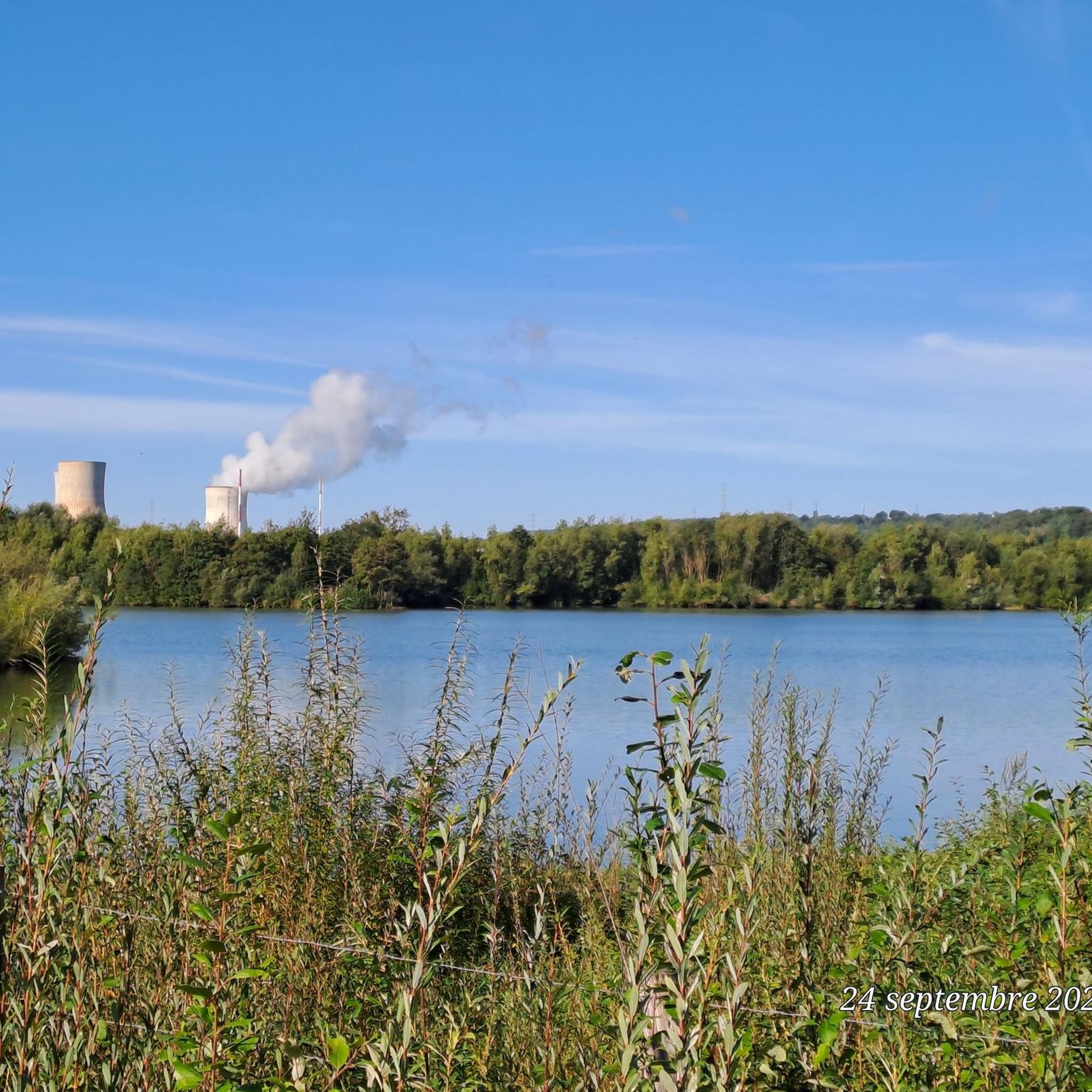
Lac La Gravière
Highlight • Lake
Translated by Google •
Tip by
Sign up for free to discover even more natural monuments around Amay.
Already have an account?
Start today with a free account
Your next adventure awaits.
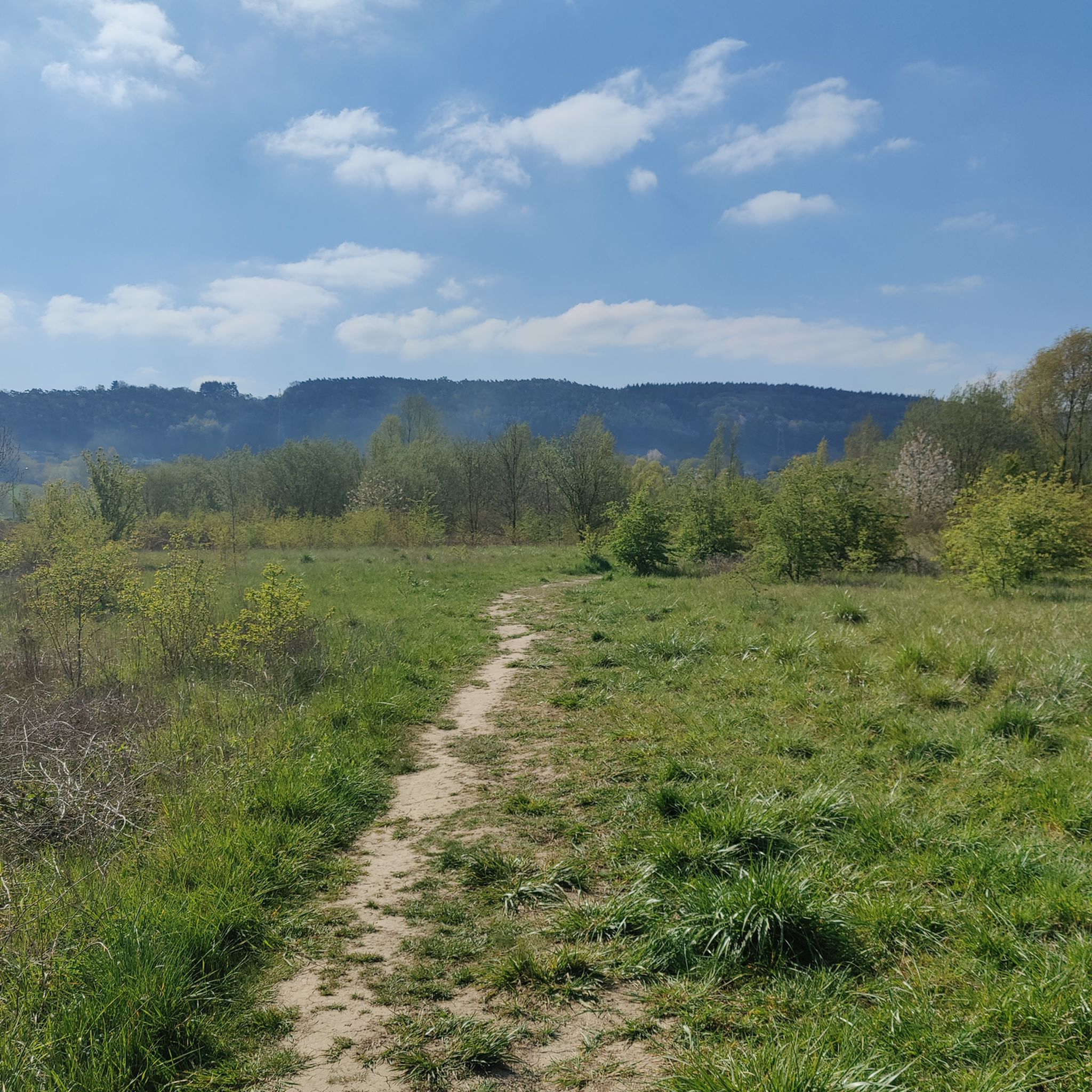
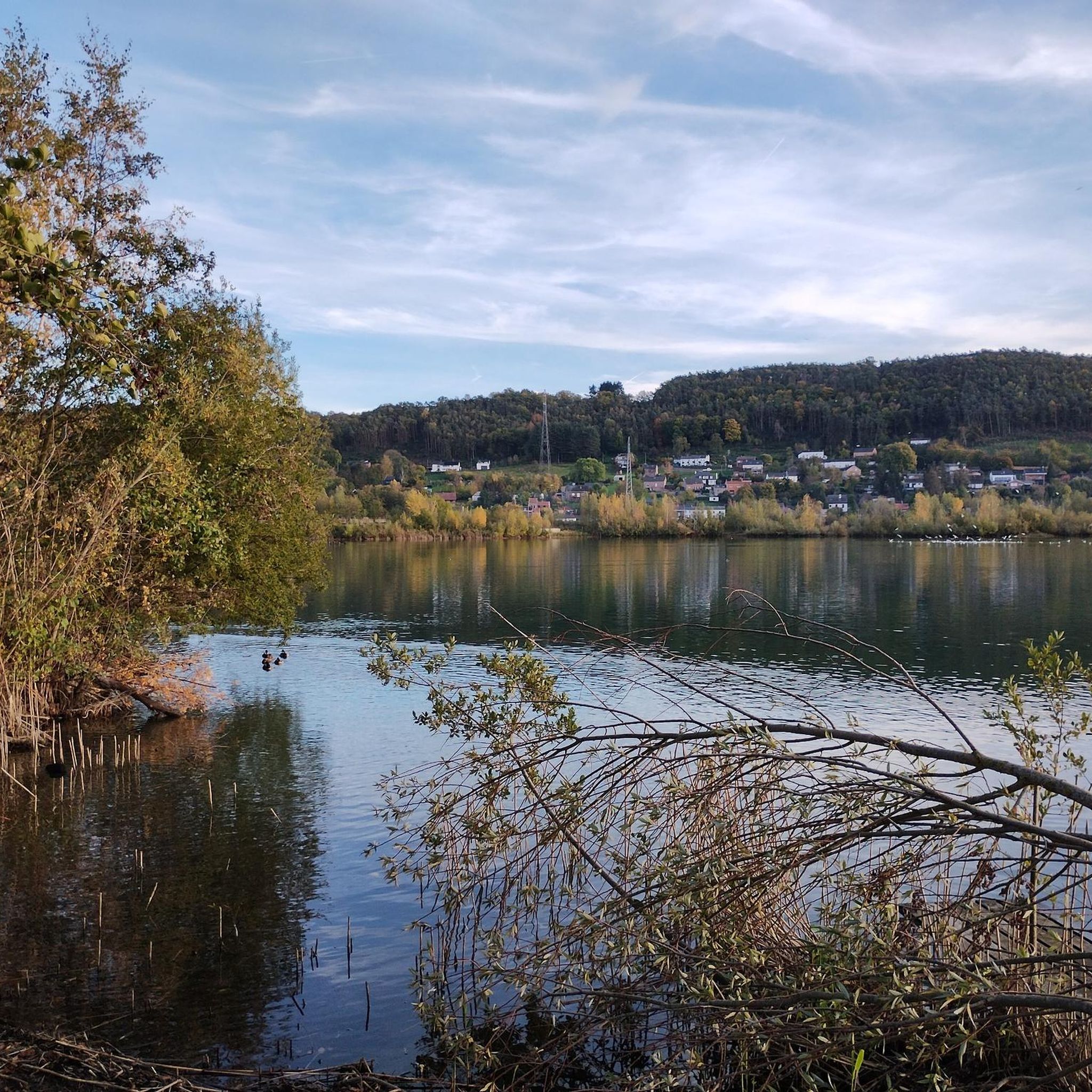
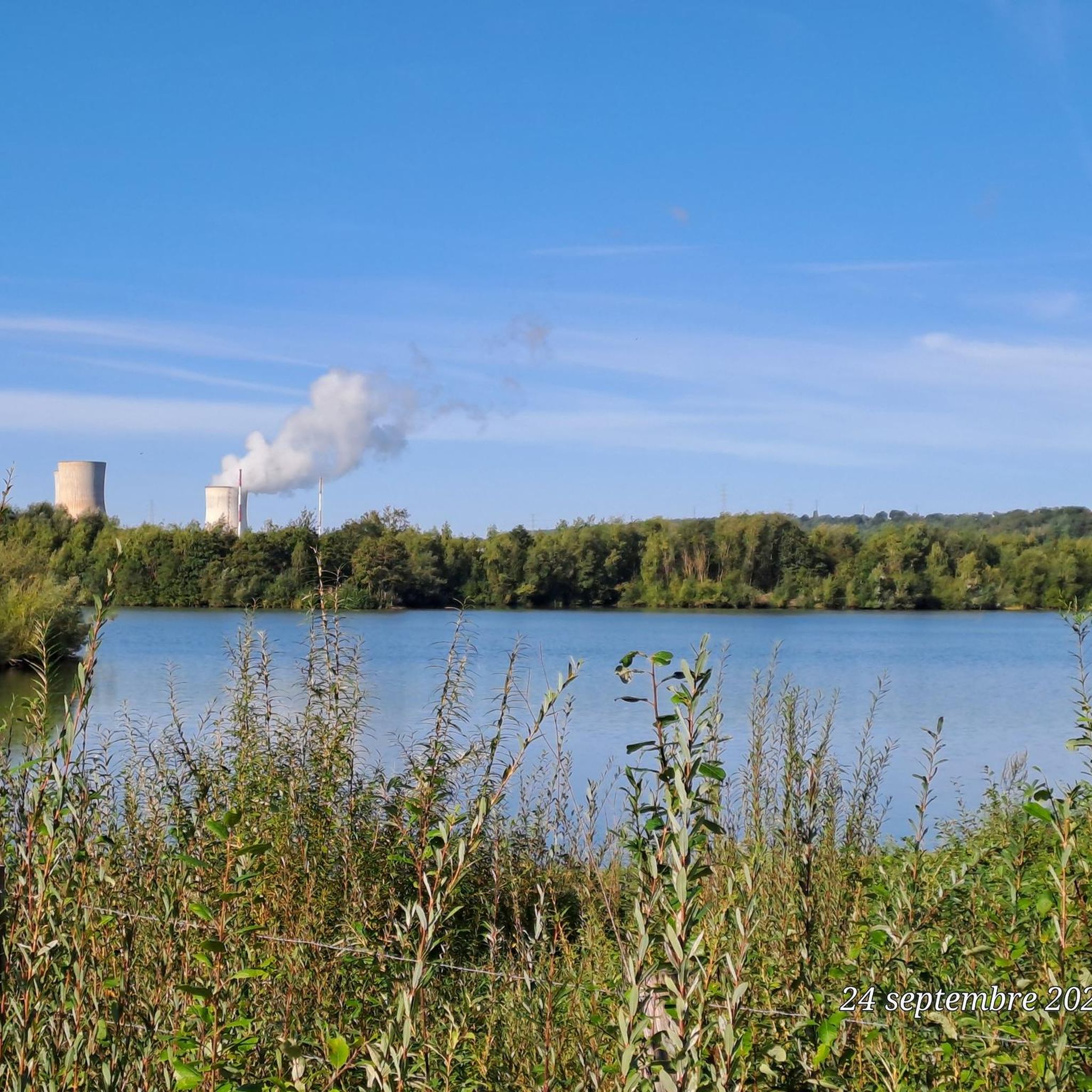

Tips from the Community

When I was young, I used to climb from the bottom of the cave and we would reach the very top of the site. With a beautiful panorama of the city.
0
0
It's a very beautiful place for a walk. You can start from the Trixhes, go down a small path along the quarry. When you get to the bottom, you arrive at the Carrière des Roches. From there, you pass by two sides with different rocks. If you continue, you arrive in "Houlbouse" street. And finally, at Chokier. Very beautiful hike. To do with dogs and especially children.
0
0

The gravel pit is a very rich site for photo enthusiasts or for walkers who wish to walk on maintained paths and observe birds in complete tranquility. Site recommended for walkers and photographers. Please, can you respect the rules such as keeping your dog on a leash (even if some people think they won't do any harm by letting their dog off the leash, know that you have animals with predator instincts which could scare away some species of birds that nest on the ground, like the kingfisher) and not swimming so as not to disturb the birds that are there. Thank you to all those who will respect the rules and I wish you a good hike or a good photo outing 🙏.
1
0

Excavations are conducted year-round at Moha Castle, making it unique in Belgium. When I visited, two archaeologists were uncovering a wall that runs beneath the visible castle and likely dates back to the 12th century.
2
0
The castle is free to visit. At the foot of the rock, there's a visitor center where you can pick up a badge to open the gate. For €4, you can also get a brochure with information about the most important points. The castle is only open to visitors starting in April, but the friendly man at the visitor center let me in on February 27th... as far as you can even call it "inside" at this ruin ;-)
2
0

The exact origins of the medieval County of Moha remain unknown. It is likely that the county was formed during the fragmentation of the Carolingian Empire and the Hesbaye region at the end of the 9th century. The first known count, Albert of Moha, is mentioned in a document dated 1026 or 1028. The first defensive stone walls also date from the first half of the 11th century. Having no male heir, Albert of Moha married his daughter to Henry I of Dasbourg around 1050, thus linking the county's destiny to that of this powerful family of Alsatian origin. Initially, it is highly unlikely that the Counts of Dasbourg regularly resided in Moha, entrusting the county's administration to trusted men and a small garrison. However, the situation changed with Hugh II (1130-1180) and his son Albert II (d. 1212), who decided to become more involved in the region's politics. Albert II, in particular, chose to align his interests with those of his nephew, Duke Henry I of Brabant, whose policies he would follow until the end of the 12th century. In 1204, Count Albert III, having lost hope of having a son, chose the Prince-Bishop of Liège as his heir. But the late birth of his daughter Gertrude would jeopardize these agreements. Quickly betrothed to Thibaut of Lorraine, who died in 1219, she then married Thibaut of Champagne, who repudiated her, and subsequently Simon of Linange. At 19, she died childless. On March 19, 1225, the Prince-Bishop of Liège, Hugues de Pierrepont, took possession of Moha. Under the Prince-Bishops, Moha became a prison for political prisoners and a fortification tasked with controlling the city of Huy and blockading merchants. This policy was deeply unpopular and led to reprisals: the people of Huy besieged Moha in 1255. The fortress of Moha was considered impregnable. It was therefore through trickery that the people of Huy, taking advantage of a request for a truce, seized the castle on May 6, 1376. After the attack on the castle, the site's history is largely unknown. Mass is still celebrated twice a year in the castle chapel. During the 18th century, the ruins served as a refuge for a hermit. The castle's stones were gradually plundered, notably to build the surrounding houses. In 1889, the ruins of the castle were purchased by the Belgian state. Source: https://chateaumoha.be/histoire
6
0

The "Rocher du Château de Moha" is a limestone outcrop rising from the Mehaigne valley. It was a strategically important site in the Middle Ages, when more castles were built on rocks. This made the site difficult to besiege, and it was well-placed as a control point over the valley. The rock is very recognizable in the landscape. The ruins on the rock are still clearly visible, and the medieval structures are still easily recognizable.
7
0
The unique natural phenomenon of the Poudingue d’Ombret: a type of rock formed from deposits of river alluvium, approximately 395 million years old, with large stones surrounded by smaller sediments.
3
0
Frequently Asked Questions
What unique natural monuments can I explore around Amay?
Beyond the well-known spots, you can explore the Amay Gravel Pit, a protected site with 21 hectares of water, home to over 120 bird species and a 2.5 km educational path. Another intriguing site is Trou Manto, a complex limestone cave system near Huy, known for its impressive karst phenomena and local folklore.
When is the best time to visit the natural monuments around Amay?
The natural monuments around Amay can be enjoyed throughout the year. For sites like the Ampsin quarry, spring and autumn offer pleasant temperatures for walking and vibrant natural scenery. If you plan to visit Modave Castle, it is open daily from April 1 to mid-November, with special openings around Christmas.
Are there family-friendly natural monuments or activities around Amay?
Yes, several natural monuments are suitable for families. The Amay Gravel Pit offers an easy 2.5 km path with educational panels, perfect for bird watching and gentle walks. Modave Castle, situated within a nature reserve, also provides gardens to explore, which can be enjoyable for families.
What kind of natural features can I expect to see at the monuments around Amay?
The region around Amay is characterized by a blend of geological and ecological diversity. You can expect to see impressive limestone cliffs, diverse wild flora, and unique rock formations, such as those found at the Ampsin quarry. Sites like the Poudingue d'Ombret Trail reveal ancient geological formations, including evidence of a river delta that flowed into the sea millions of years ago. The Amay Gravel Pit features wetlands and a lake, supporting rich biodiversity.
Do the natural monuments around Amay also offer historical insights?
Absolutely. Many natural monuments in the Amay region are intertwined with history. The Ampsin quarry, for instance, provides insights into historical extraction work and industrial heritage, with remnants like lime kilns. Modave Castle and Moha Castle are medieval structures built in strategically important natural settings, offering a glimpse into the region's feudal past and military history.
What hiking opportunities are available near the natural monuments in Amay?
There are numerous hiking opportunities near the natural monuments. For example, you can find trails like the Poudingue d'Ombret Trail, which offers beautiful views over the valley. The Amay Gravel Pit also features an easy loop trail. For more options, explore the various routes in the Hiking around Amay guide, which includes trails of varying difficulties.
What other outdoor activities can I do near the natural monuments around Amay?
Besides hiking, the area around Amay offers diverse outdoor activities. You can find excellent opportunities for gravel biking and mountain biking. Check out the Gravel biking around Amay guide and the MTB Trails around Amay guide for routes that explore the natural landscapes and forests of the region.
Can I observe wildlife at the natural monuments in Amay?
Yes, several natural monuments are excellent for wildlife observation. The Amay Gravel Pit, recognized as a Wetland of Biological Interest, is a significant bird sanctuary, hosting over 120 species. The diverse biotopes of the Ampsin quarry, including wetlands and forest facies, also support a rich variety of animal and plant life, making it a great spot for nature enthusiasts.
Are the natural monuments around Amay dog-friendly?
Many natural areas and trails around Amay are generally dog-friendly, especially for walks on a leash. For instance, the Amay Gravel Pit is a popular spot for walks with pets. However, specific rules may apply to protected areas or inside historical sites like castles, so it's always best to check local signage or specific monument websites before your visit.
What do visitors particularly appreciate about the natural monuments in Amay?
Visitors frequently appreciate the blend of natural beauty and historical significance. The impressive geological formations, such as those at the Ampsin quarry and the Poudingue d'Ombret Trail, are highly valued. The opportunity to combine nature walks with visits to historical castles like Modave Castle and Moha Castle is also a major draw. The rich biodiversity, especially at sites like the Amay Gravel Pit, is another highlight.
Is parking available at the natural monuments in Amay?
Parking availability varies by location. For some sites, like the starting point of the Poudingue d'Ombret Trail at le Pavillon des landes d'Ombret, parking can be limited, and alternative spots might be needed. Larger attractions like Modave Castle typically offer dedicated parking facilities. It's advisable to check the specific monument's website for detailed parking information before your visit.
Most popular attractions around Amay

Get inspired with the komoot mobile app


Explore more
Extend your search for the best caves by checking out these guides of the top ones around Amay:
