Top 20 Natural Monuments around Gistel
Best natural monuments around Gistel offer diverse natural landscapes for exploration. The region, situated in West Flanders, Belgium, features green spaces and proximity to coastal areas. While Gistel itself focuses on developing natural environments like forest parks, the broader vicinity provides access to significant natural attractions. These areas are valued for recreation and connection with nature.
Best natural monuments around Gistel
- The most popular natural monuments is Ostend Creeks, a nature reserve with creeks and viewpoints. This quiet area…
Last updated: June 28, 2026
Yser Estuary, Nieuwpoort
Highlight • River
Translated by Google •
Tip by

Raversyde and the Atlantic Wall
Highlight • Historical Site
raversyde.be/nl/atlantikwall
Translated by Google •
Tip by

Sign up now to discover places like this
Get recommendations on the best single tracks, peaks, & plenty of other exciting outdoor places.
Sign up for free
The Navigator Monument (Simon Dybbroe Møller) – Westende Beach
Highlight • Monument
Translated by Google •
Tip by

Ostend Creeks
Highlight • Lake
Translated by Google •
Tip by

Vloethemveld
Highlight • Forest
Translated by Google •
Tip by

Sign up for free to discover even more natural monuments around Gistel.
Sign up for free
Already have an account?
Start today with a free account
Your next adventure awaits.
Login or Signup

Tips from the Community

Atlantikwall Raversyde is open from March 15 to November 11, 2025. Closed on Mondays.
9
0
Here you'll walk past a selection of bunkers from the Aachen Battery (WWI) and the Saltzwedel-neu Battery (WWI). Both coastal defense and daily life are discussed.
9
0

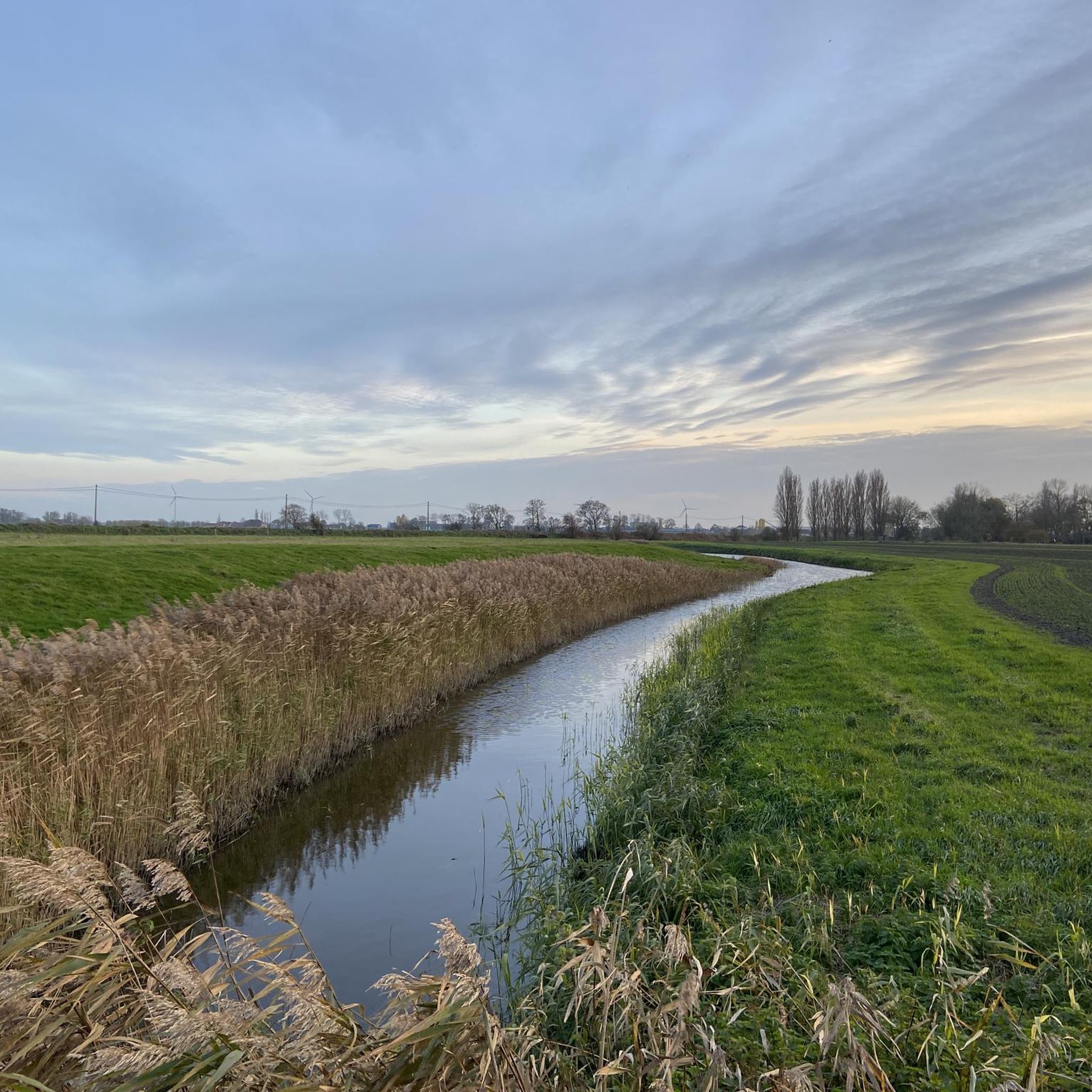
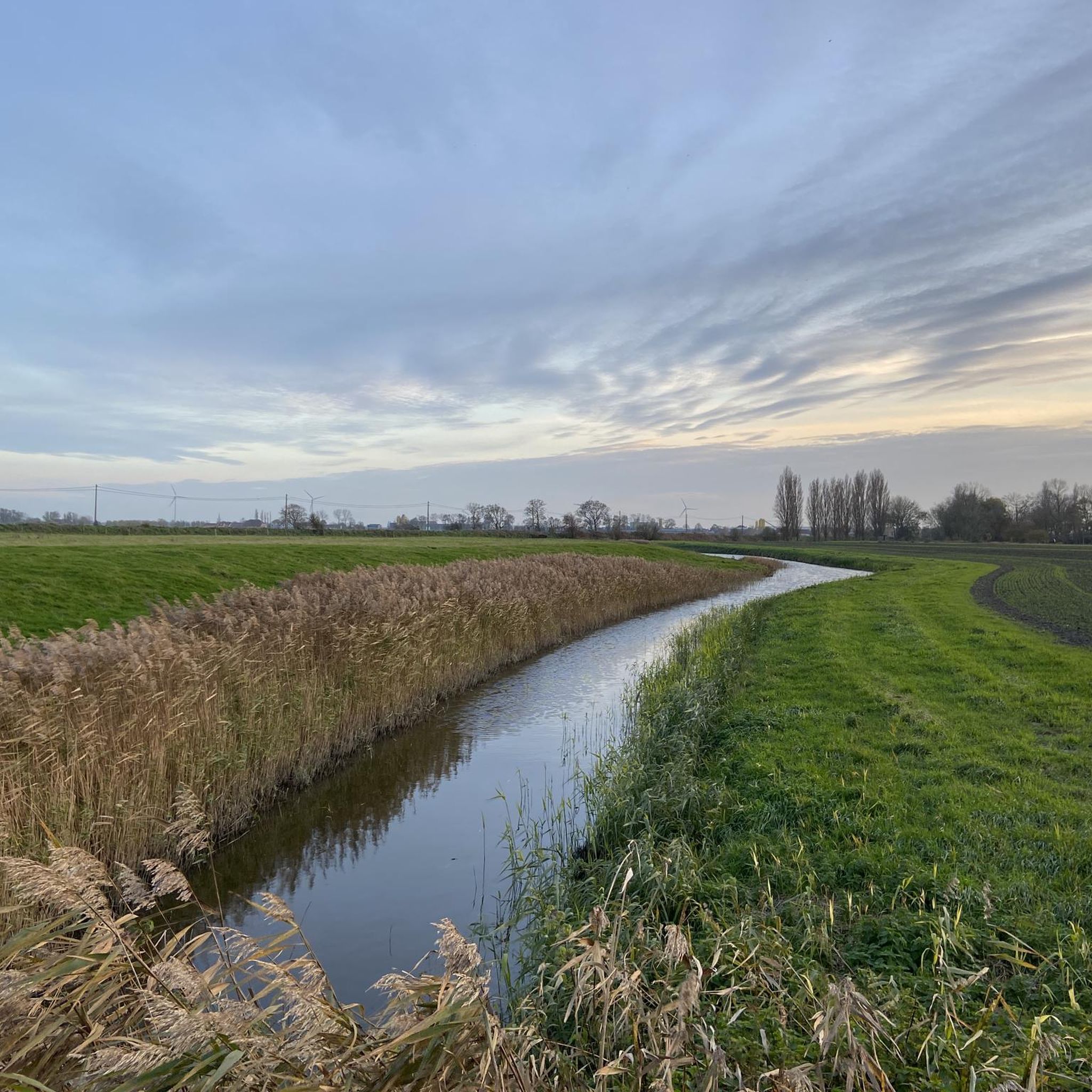
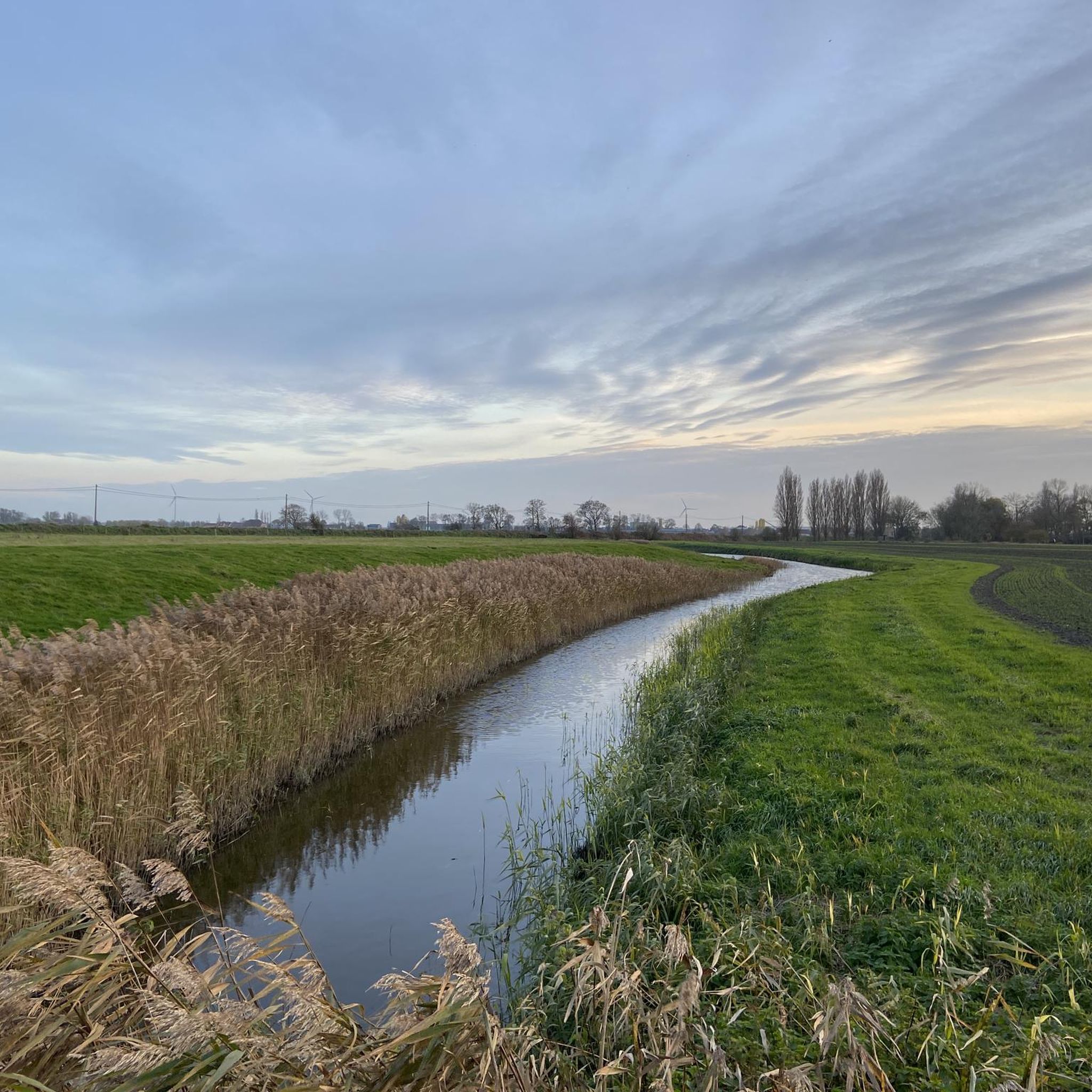
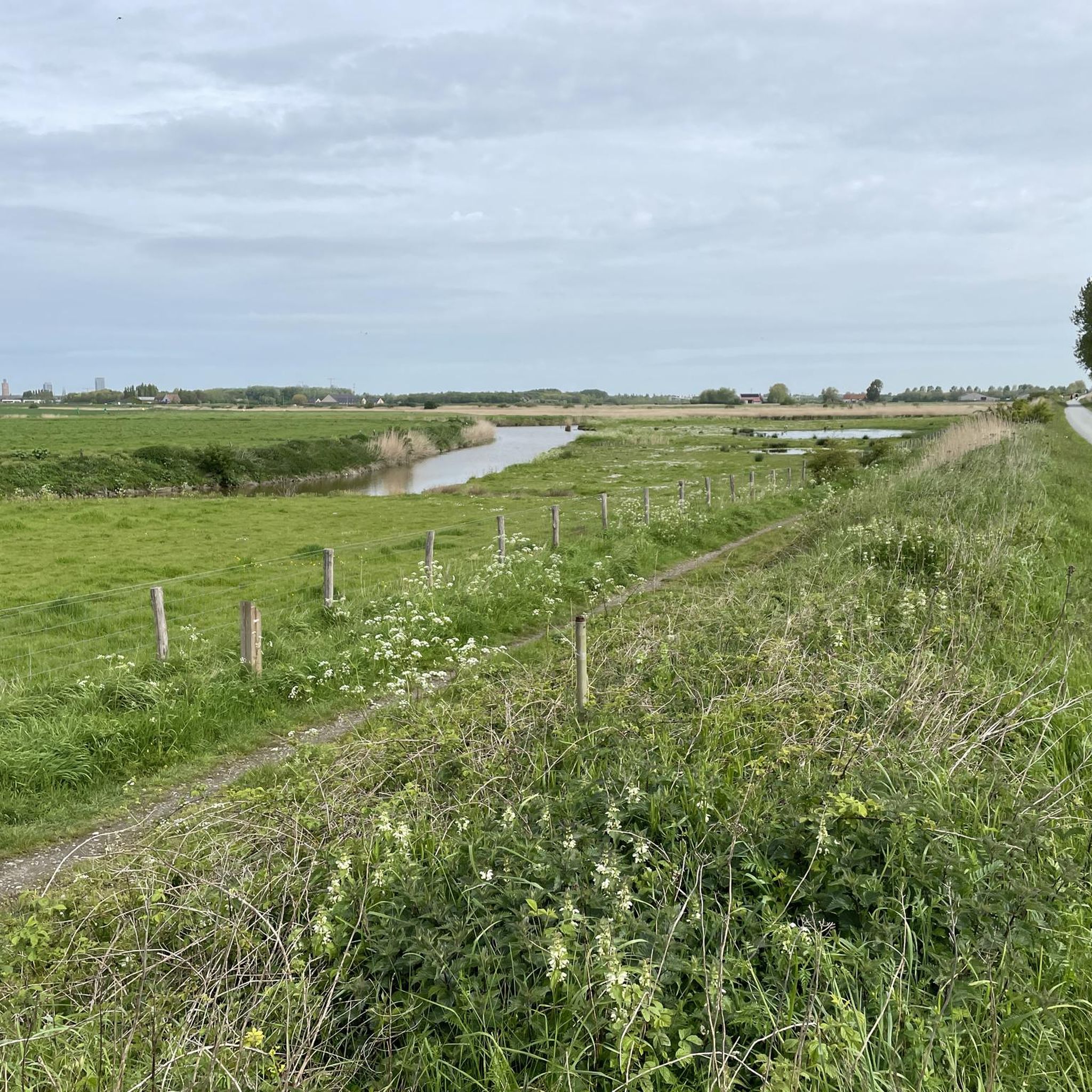
The Creek Area around Ostend is a unique wetland zone, with a network of creeks, marshes, reed beds and grasslands. These creeks were created by the natural silting up of rivers and other waterways. The area has a rich biodiversity, which makes it ideal for a nature walk.
0
0

The Yser is historically important because of the role it played during the First World War. The river formed a natural defense line and was the scene of fierce fighting. Today, you can find various monuments and memorials along the Yser that commemorate this period, such as the Yser Monument at the Ganzepoot. Here on the left bank of the Yser estuary, the cycle route "cycling along the front line of the First World War" also begins. (Nieuwpoort - Bazel)
5
0

The Atlantic Wall is one of the top attractions on the coast and one of the two museums at RAVERSYDE. The more than sixty bunkers, observation posts and artillery positions, and the two kilometers of open or underground corridors, together form one of the best preserved parts of the infamous German defense line 'Atlantikwall'. This was built by the Germans during the Second World War from the French-Spanish border to Norway. Thousands of bunkers were then constructed to protect the ports and to prevent an Allied attack. The Atlantic Wall also contains the only preserved German coastal battery from the First World War, the Aachen battery. There were cannons here, with associated observation bunkers and quarters for troops. Fearing an Allied landing on the beach and to protect the ports of Zeebrugge and Ostend (from where German submarines operated), the Germans built batteries along the Belgian coast. Only the remains of the Aachen Battery have been preserved. During the Second World War, new defenses were built on the same site, which were part of the 'Atlantik Wall' defense line. The Open Air Museum is the ideal place to relive the atmosphere of the 'Longest Day'. All existing structures were restored to their original state and redecorated with authentic objects and furniture. In the museum of the same name you will become acquainted with some of the most impressive defense structures from both wars. This is possible thanks to the Belgian Prince Karel, who lived there until his death and always opposed the demolition.
10
2

Something hidden in the dunes.
4
0
Since the early days of the internet, our browsers have been anchored in the mythologies of early seafaring expeditions. They bear names like Navigator, Explorer, and later, Safari. The imposing sculpture The Navigator Monument by Simon Dybbroe Møller is based on the logo of Netscape Navigator. The former search engine lost its leading position on the internet to Microsoft Explorer at the end of the 1990s, during what is often called the first browser war. Dybbroe Møller cast the digital ship's wheel logo in bronze, an extremely durable material that has been used for 5,000 years. Now that it is returning to its maritime context, the salty environment will accelerate the patination process, ensuring the ship's wheel eventually turns green, just like the original Netscape logo. The sculpture was placed against the backdrop of a vast sky and the ever-changing North Sea. We know that the seabed beneath the water's surface is littered with submarine communication cables, a tangle of long cords that form the physical structure of the internet. The internet is a recent technological innovation, the culmination of a succession of events related to the development of libraries, the industrial revolution, and periods of progressive social idealism. It is therefore very fitting that Westende, a town built by the family of Paul Otlet, an internet visionary, today houses this monument to an earlier internet application. Inspired to discover other artworks? Click through to https://www.triennalebeaufort.be/nl/kunstwerk/beaufort-beeldenpark
7
0
In this segment you will be introduced to the Raversyde Nature Reserve. Works of art by Prince Regent Karel color and animate the landscape. You look over the shoulders of the artist and become acquainted with his past.
4
0
Frequently Asked Questions
What types of natural monuments can I expect to find around Gistel?
Around Gistel, you'll discover a variety of natural landscapes, including river estuaries where salt and fresh water meet, coastal areas with dunes and beaches, and diverse nature reserves featuring forests, heaths, and grasslands. While Gistel itself is developing new green spaces like forest parks, the broader region offers significant natural attractions.
Are there any unique natural features or ecosystems to explore near Gistel?
Yes, the region boasts unique ecosystems. For instance, the Yser Estuary, Nieuwpoort, is a special biotope with mud flats, salt marshes, dunes, and beaches where the Yser river meets the sea. You can also explore the quiet and scenic Ostend Creeks, a nature reserve with beautiful viewpoints.
What are some popular natural monuments to visit around Gistel?
Highly regarded natural monuments include Ostend Creeks, known for its quiet nature reserve and scenic views. Another favorite is Yser Estuary, Nieuwpoort, offering extensive hiking trails through its unique biotope. Visitors also appreciate Vloethemveld, a varied nature reserve with forests, heaths, and grasslands.
Are there family-friendly natural monuments suitable for children?
Many natural monuments in the area are family-friendly. For example, Yser Estuary, Nieuwpoort, offers an extensive network of trails suitable for families. Vloethemveld also features a nice play area for children, combining nature exploration with fun activities.
What outdoor activities can I do near these natural monuments?
The region around Gistel offers diverse outdoor activities. You can find numerous running trails, such as the 'Oostmolen loop' or 'Kasteel Montjoie loop'. Cycling is also popular, with routes like the 'Moere Station on the Groene 62' or the 'Raversyde and the Atlantic Wall' loop. For more adventurous riders, there are gravel biking options. You can find detailed routes in the Running Trails around Gistel, Cycling around Gistel, and Gravel biking around Gistel guides.
Are there hiking or walking trails available at these natural monuments?
Yes, many natural monuments feature hiking and walking trails. The Yser Estuary, Nieuwpoort, has an extensive network of trails for exploring its unique biotope. Vloethemveld also provides opportunities for discovery tours through its varied landscapes. The Raversyde and the Atlantic Wall area combines historical exploration with walking through a rolling dune landscape.
What historical or cultural sites are integrated into the natural settings?
The region uniquely blends natural beauty with historical significance. Raversyde and the Atlantic Wall is a prime example, featuring well-preserved WWI and WWII bunkers within a dune area. Vloethemveld is another, where untouched nature coexists with military heritage and the memory of a prisoner of war camp.
What is the best time of year to visit the natural monuments near Gistel?
The natural monuments around Gistel can be enjoyed year-round. Spring and autumn offer pleasant temperatures for hiking and cycling, with vibrant foliage or blooming nature. Summer is ideal for coastal areas like the Yser Estuary, while a sunny winter day can provide a peaceful escape at places like Ostend Creeks, away from the bustling beach.
Can I bring my dog to the natural monuments around Gistel?
Many natural areas in Belgium are dog-friendly, often requiring dogs to be on a leash to protect wildlife and ensure the comfort of other visitors. It's always best to check specific regulations for each natural monument or reserve before your visit, as rules can vary.
How can I get to the natural monuments around Gistel using public transport?
Public transport options to reach natural monuments near Gistel typically involve bus services from Gistel to nearby towns like Ostend or Nieuwpoort, from where local buses or short walks can lead to the sites. For specific routes and schedules, it's advisable to consult local public transport websites or apps.
What do visitors enjoy most about the natural monuments in this region?
Visitors particularly appreciate the tranquility and scenic beauty of the natural monuments. Many highlight the peaceful environment of places like Ostend Creeks and the beautiful views. The extensive network of trails at sites like Yser Estuary, Nieuwpoort, is also highly valued for exploration and connecting with nature.
Are there any viewpoints offering panoramic scenery?
Yes, several natural monuments offer excellent viewpoints. The Ostend Creeks are noted for their beautiful viewpoints. At Yser Estuary, Nieuwpoort, you can find spots offering scenic views over the unique biotope where the river meets the sea. Even the Navigator Monument at Westende Beach provides a coastal viewpoint.
Most popular attractions around Gistel

Get inspired with the komoot mobile app


Explore more
Extend your search for the best caves by checking out these guides of the top ones around Gistel:
