Top 20 Natural Monuments around Schoten
Best natural monuments around Schoten offer a blend of natural beauty, recreation, and historical significance. Schoten, Belgium, features diverse green spaces, including extensive forests, protected heritage parks, and historic castle domains. These areas provide opportunities for walking, enjoying biodiversity, and exploring unique natural and cultural landscapes. The region is characterized by its well-maintained natural areas that integrate seamlessly with urban settings.
Best natural monuments around Schoten
- The most popular natural monuments is Antitankgracht – Green ribbon around the city of…
Last updated: June 28, 2026
Antitankgracht – Green ribbon around the city of Antwerp
Highlight • River
The moat has a length of about 33 km and is at …
Translated by Google •
Tip by

Vrieselhof Castle
Highlight • Castle
Translated by Google •
Tip by
Sign up now to discover places like this
Get recommendations on the best single tracks, peaks, & plenty of other exciting outdoor places.
Sign up for free
Peerdsbos Forest
Highlight • Forest
The name 'Peertsbusch' first appeared in an account from 1431 - 1432. The Peerdsbos was part of the Bremdonck domain, which consisted of fields, meadows and …
Translated by Google •
Tip by

Cycling along the Anti-Tank Canal
Highlight • River
Translated by Google •
Tip by
Drieboomkensberg Pilgrimage Site
Highlight (Segment) • Religious Site
Translated by Google •
Tip by
Sign up for free to discover even more natural monuments around Schoten.
Sign up for free
Already have an account?
Start today with a free account
Your next adventure awaits.
Login or Signup

Tips from the Community

The Drieboomkensberg Pilgrimage Site (also spelled Drieboomkesberg) is a historic place of devotion in Westmalle (municipality of Malle), located on the highest point of a group of inland dunes. Dedication: The site is dedicated to Our Lady of Fever (also known as Help of the Sick). Origin of the name: The place is named after three large larch trees that used to stand on the hill. Tradition: For generations, the sick and believers have come together here for reflection and healing. In May, the Marian month, the Sint-Martinus parish of Westmalle still organizes an annual pilgrimage to this place. The Great Crucifix: On the top stands a large blue stone crucifix that was donated in 1948 by Count Thierry de Renesse and blessed by the abbot of the Westmalle Abbey.
7
0

Protected cycle path (gravel). Essentially a straight line from Oelegem to Sint Job in 't Goor (connecting with the Schoten Canal). Despite its straightness, it's not endless and offers plenty of variety.
3
0

A small pilgrimage round through the Molenbos on the Drieboomkesberg...
12
0
Looking for the Westmalse barley...
8
0

The name "Vrieselhof" goes back to Jan van Vriesele, a nobleman from Kontich who bought approximately 24 hectares of land in Oelegem around 1300 (approximately 32 hectares). In 1975, a year after the sale to the province of Antwerp, the domain was opened to hikers. From 1977 to 1999 the "Provincial Textile and Costume Museum" was located in the Vrieselhof. Due to a lack of resources, only a limited part of the collection could be exhibited. In 2002, the museum moved to Antwerp and was named Fashion Museum Antwerp. In 2003, the Provincial Library Center settled in the castle, together with administrative services. In 2011, a "library of Flemish classics" was opened within the Provincial Library Center. Works by classical Flemish writers are collected and loaned out here. In 2014, the Antwerp provincial council decided to restructure the culture department. The library center would be merged with the Cultural Dissemination and Arts Service into a new Libraries and Arts Service. In 2015, the Provincial Library Center moved to Antwerp, but the collection of Flemish classics remained in the Vrieselhof.
7
0

Historical interpretation: The anti-tank ditch is a 33 km long defensive ditch northeast of Antwerp, between the Scheldt and the Albert Canal. The canal was constructed between 1938 and 1940 as part of the Antwerp fortress. In the 1930s, the Belgian army reoriented the fortress into a defense for infantry (support points) and machine gun companies. The military added the anti-tank ditch and bunker lines (KW line) to the existing defense by forts and redoubts. The aim was to stop tanks. That is why the anti-tank ditch had to have a slope, depth and width that a tank of that time could not exceed: a bottom of at least six meters width a width of 18m at the water surface a depth of at least three meters a minimum water level of two meters slopes of 45° Originally, the Antitankgracht was going to be a dry canal, but because it filled up with water, it was forced to be converted into a wet canal. The route had to bridge a height difference of approximately 3 to 18.5 m (DTM). That is why it was divided into about 45 sections with locks. A slide in the lock regulated the water flow and thus maintained the level. The water came partly from seepage water or local streams and partly from the Maas, supplied via the Dessel-Schoten canal. Because control over water levels was so important, each lock was defended by a bunker. The bunkers at the Antitankgracht consist of lock bunkers with flanking daughter bunkers and flanking bunkers. The lock bunkers are elongated free-standing bunkers with a large blank wall, camouflaged by 'eggs' and were usually equipped for two machine guns.
10
0

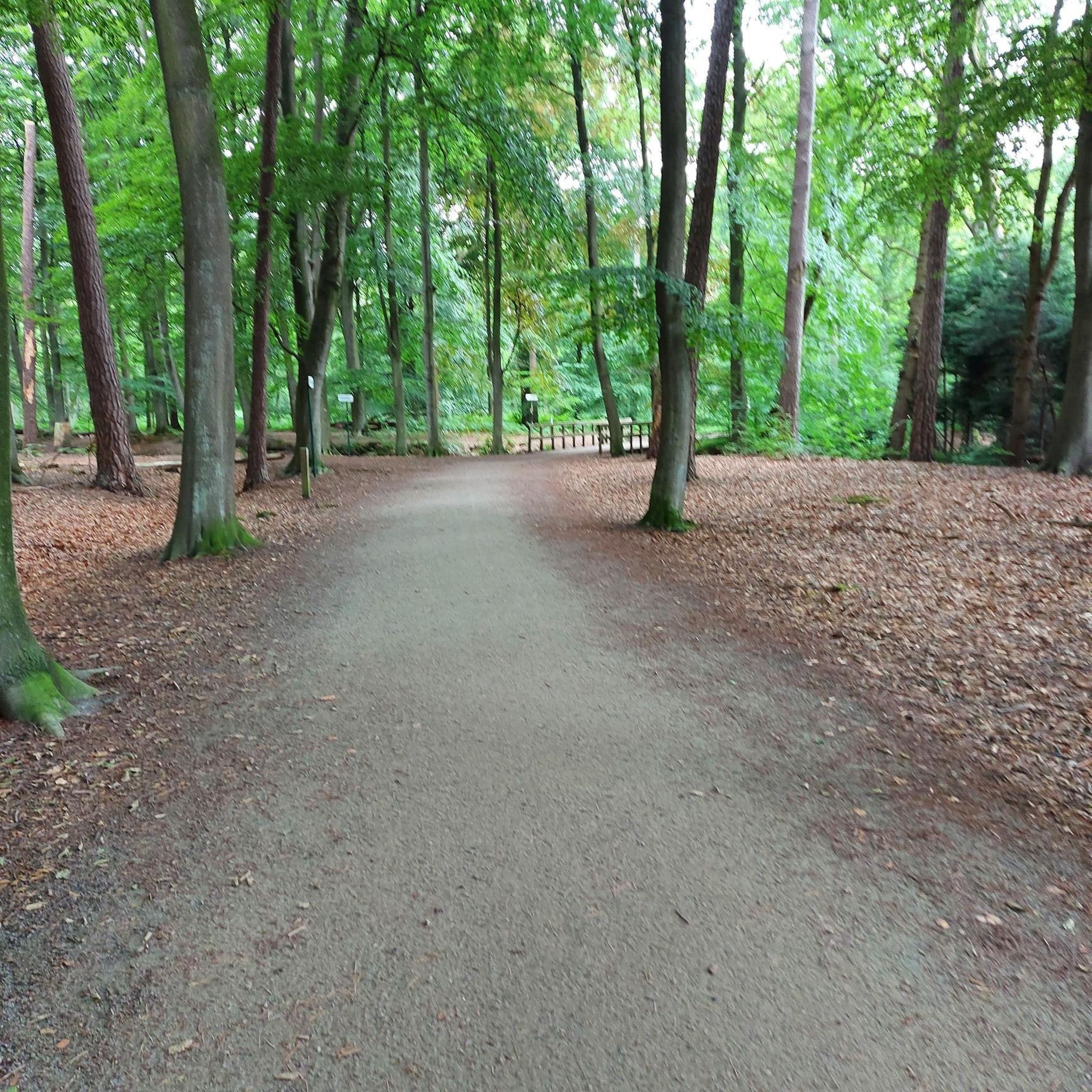
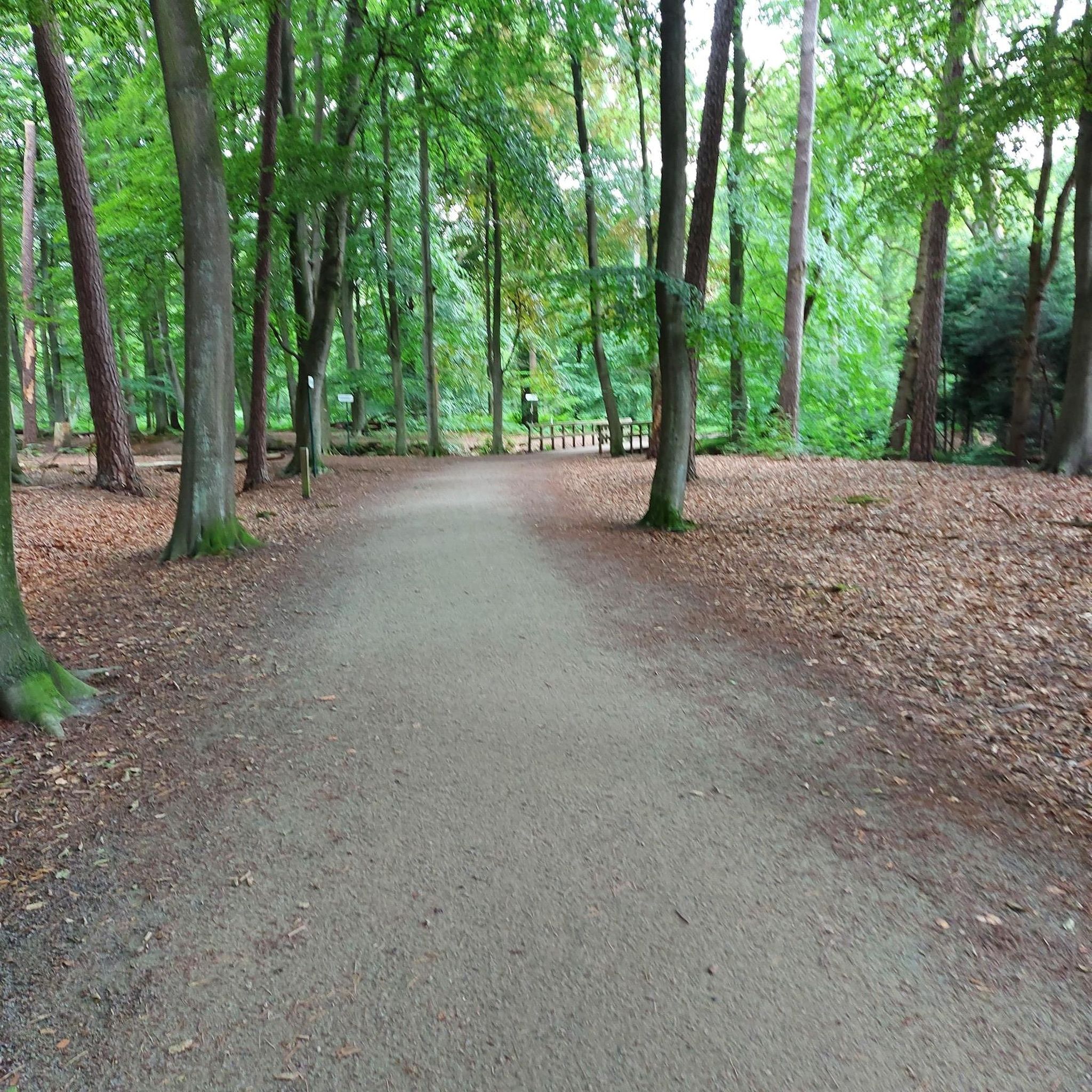
The Peerdsbos is a nature reserve in Schoten north of Antwerp. The name Peerdsbos first appeared in 1434 as “Peertsbusch”. The name is derived from the Middle Dutch 'Pertse' which means border post. For centuries, the Laarse Beek flowing past formed the border between the Roman provinces of Belgica Secunda and Germania Inferior and the dioceses of Cambrai and Liège that later emerged from this.
5
0
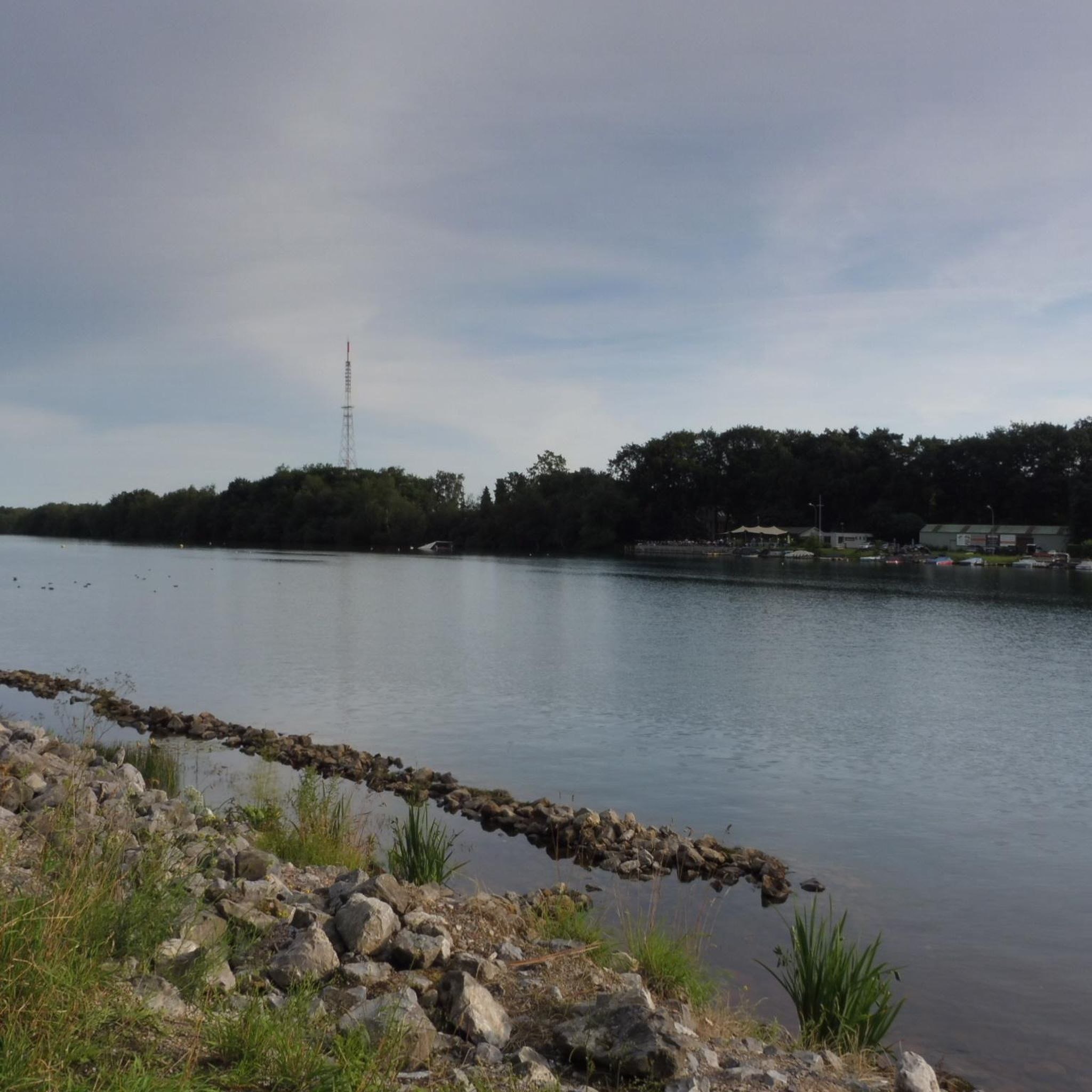
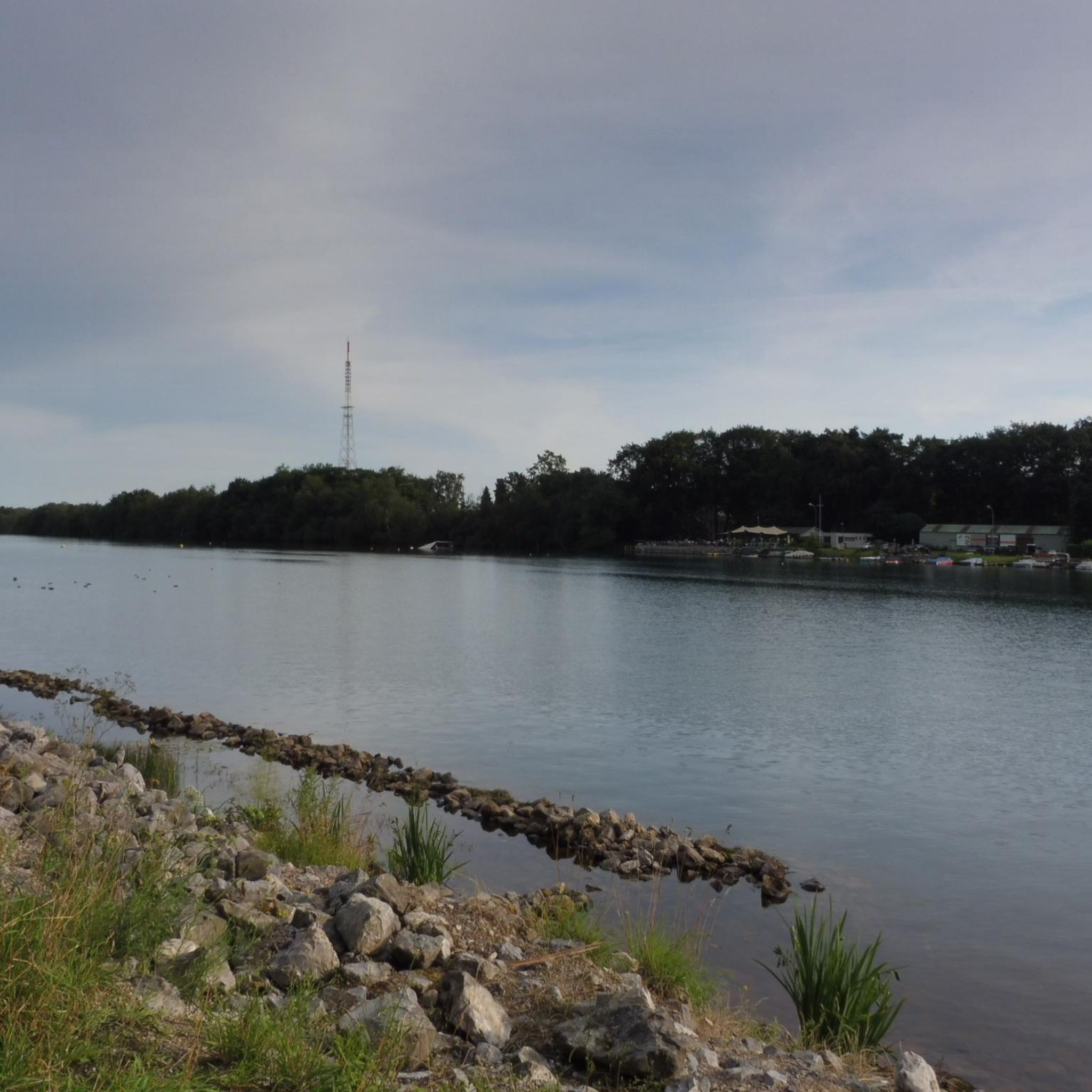
The Antitankgracht was constructed just before the Second World War to stop German tanks. Fortunately, that is no longer necessary today, but it does provide us with a nice location to cycle through.
16
0
Frequently Asked Questions
What types of natural monuments can I explore around Schoten?
Around Schoten, you can explore a diverse range of natural monuments. These include historical waterways like the Antitankgracht – Green ribbon around the city of Antwerp, which is a protected landscape with significant historical value. You'll also find extensive forest and nature domains such as Peerdsbos Forest, and beautiful castle domains like Vrieselhof Castle, offering a blend of nature, history, and recreation.
Are there good walking opportunities within Schoten's natural monuments?
Yes, the natural monuments around Schoten offer excellent walking opportunities. For instance, the Peerdsbos Forest features 15 km of hiking trails, including portions of the GR 12 and a dedicated nature trail. Domein Vordenstein is also a beautiful walking park with an English-style landscape and star-shaped forest areas. The Gemeentepark is ideal for walking and jogging, with a new boardwalk, the "Vlonderpad," offering a unique perspective over the water.
What can I expect when visiting Domein Vordenstein?
Domein Vordenstein is a 110-hectare protected heritage park known for its serene environment. It features an English-style park with a pond and remarkable trees, alongside a star-shaped forest with majestic beech and oak avenues. In spring, the park is particularly vibrant with blooming rhododendrons and azaleas. You can also visit a restored orangery and its garden. It's a haven for wildlife, including deer and various owl species.
What are the main features of Peerdsbos Forest?
The Peerdsbos Forest is an extensive domain characterized by dense forests and open fields. A key natural feature is the Laarsebeek stream, a European protected waterway known for its excellent water quality and rare fish species. The forest is a vital habitat for diverse wildlife, including deer, kingfishers, and several owl species. It offers specific walking routes, a sports center, playground, and a brasserie.
How accessible are the natural monuments around Schoten by public transport or car?
Many natural monuments around Schoten are well-accessible. For example, the Gemeentepark offers amenities such as restrooms and parking. While specific public transport details vary, the areas are generally integrated within the region, making them reachable. For detailed parking and public transport information for specific locations, it's advisable to check local transport websites or park information boards.
Are dogs permitted in the natural monuments around Schoten?
Dog policies vary by location. In Domein Vordenstein, dogs are generally not permitted to ensure the preservation of its delicate ecosystem and wildlife. However, in the Gemeentepark and Peerdsbos Forest, dogs are often allowed, usually on a leash. Always check local signage or official websites for the most current regulations before visiting with your dog.
When is the best time of year to visit the natural monuments in Schoten?
The natural monuments around Schoten offer unique experiences throughout the year. Spring is particularly beautiful in Domein Vordenstein with its blooming rhododendrons and azaleas, creating a 'festival of scents and colors.' Autumn provides stunning foliage. However, these areas are generally enjoyable year-round for walking and nature observation, with each season offering a different appearance and atmosphere.
What outdoor activities can I do near these natural monuments?
Beyond walking, you can enjoy various outdoor activities. The area is excellent for cycling, with many routes passing through or near natural monuments. For example, you can find road cycling routes and gravel biking routes that explore the canals and forests. There are also dedicated running trails, such as those in the Peerdsbos Forest.
Are there any historical sites within the natural monuments?
Yes, several natural monuments in Schoten have significant historical elements. Vrieselhof Castle is a prime example, a historical site that was once a knightly court. The Antitankgracht, while a natural landscape today, was originally a military defense structure from just before WWII, with bunkers still visible along its length. Domein Vordenstein also boasts a restored orangery with historical roots dating back to 1552.
What kind of wildlife can I spot in Schoten's natural areas?
Schoten's natural areas are rich in biodiversity. In the Gemeentepark, you can observe a wide variety of songbirds and numerous dragonflies around its ponds. Domein Vordenstein is a haven for deer, various species of owls, and other birds of prey. The Peerdsbos Forest is home to a healthy deer population, kingfishers, and several owl species, including long-eared, tawny, barn, and little owls. The Laarsebeek stream in Peerdsbos also supports rare fish species and damselflies.
Are there family-friendly natural monuments around Schoten?
Absolutely. The Gemeentepark is particularly family-friendly, featuring a playground, sports facilities, and a deer park. Its new boardwalk, the "Vlonderpad," offers an engaging experience for all ages. The Peerdsbos Forest also has a playground and a brasserie, making it a great destination for families. Many trails, especially in Peerdsbos, are suitable for buggies or wheelchairs, ensuring accessibility for younger children.
What makes the Antitankgracht a unique natural monument?
The Antitankgracht is unique because it's an artificial watercourse, originally dug as a military defense between 1937 and 1939, that has evolved into a protected natural landscape. It forms a 33 km 'green ribbon' around Antwerp, connecting various nature reserves. This historical waterway now serves as a vital 'animal highway,' facilitating the migration of plants and animals and supporting a high diversity of species, many of which are rare in other parts of Flanders. It also features impressive military heritage, including bunkers.
Most popular routes around Schoten
Most popular attractions around Schoten

Get inspired with the komoot mobile app


Explore more
Extend your search for the best caves by checking out these guides of the top ones around Schoten:
