Top 20 Natural Monuments around Torre Annunziata
Best natural monuments around Torre Annunziata are primarily defined by the imposing presence of Mount Vesuvius and its surrounding National Park. Torre Annunziata is situated at the southern foot of this active volcano, which dramatically rises above the Bay of Naples. The Vesuvius National Park is a protected area recognized by UNESCO, offering insights into volcanic geology and ecology. The area is also known for its archaeological heritage, with sites like Oplontis preserved by Vesuvius's historical eruptions.
Best natural monuments…
Last updated: June 28, 2026
Crater of Mount Vesuvius
Highlight • Volcano
Translated by Google •
Tip by

Cognoli Summit and Valle dell'Inferno
Highlight • Summit
Translated by Google •
Tip by

Sign up now to discover places like this
Get recommendations on the best single tracks, peaks, & plenty of other exciting outdoor places.
Sign up for free
Grotta Fissure
Highlight (Segment) • Cave
Translated by Google •
Tip by

Largo Angelo Prisco Memorial
Highlight • Monument
Translated by Google •
Tip by
Capodacqua Spring
Highlight • Natural Monument
Translated by Google •
Tip by

Sign up for free to discover even more natural monuments around Torre Annunziata.
Sign up for free
Already have an account?
Start today with a free account
Your next adventure awaits.
Login or Signup
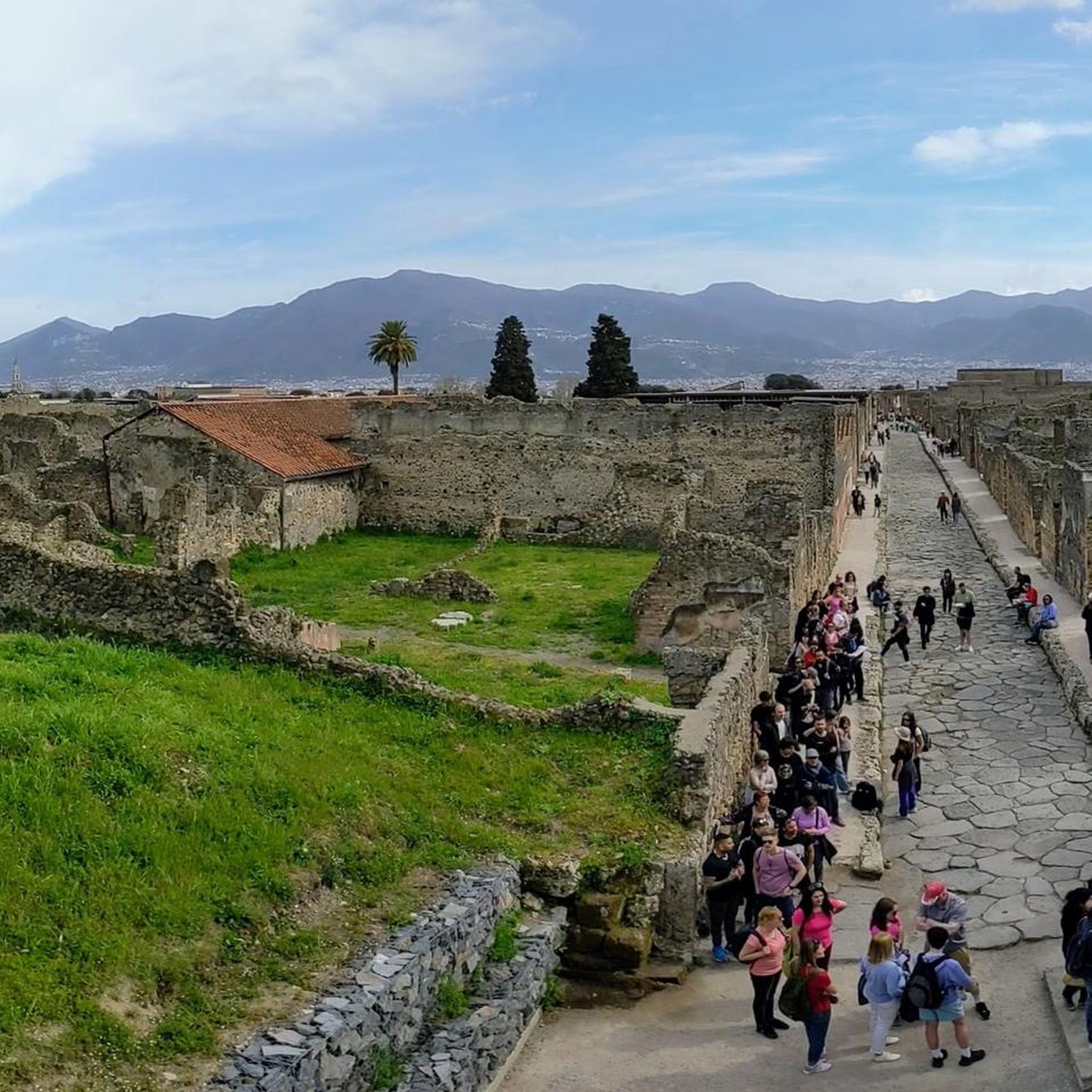
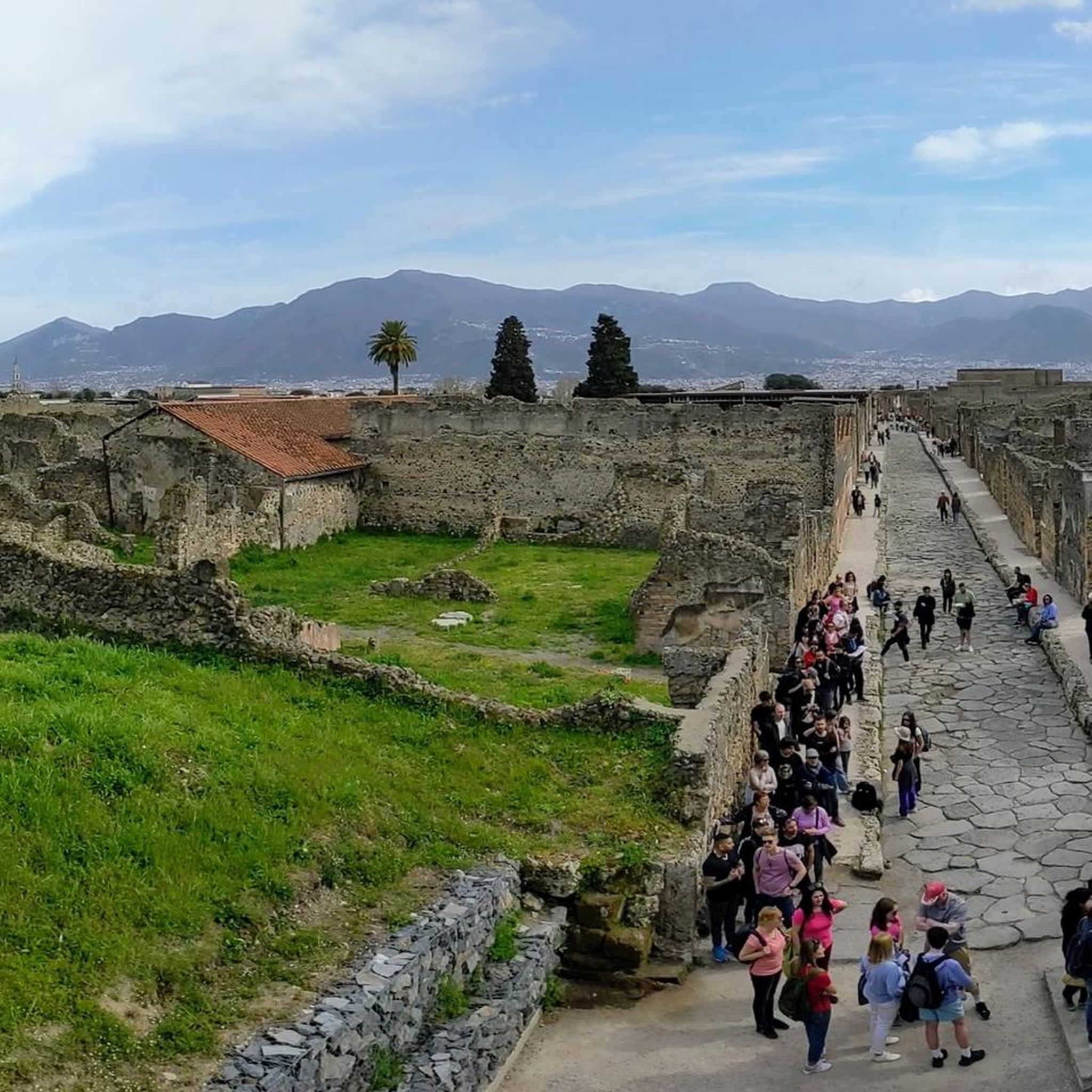
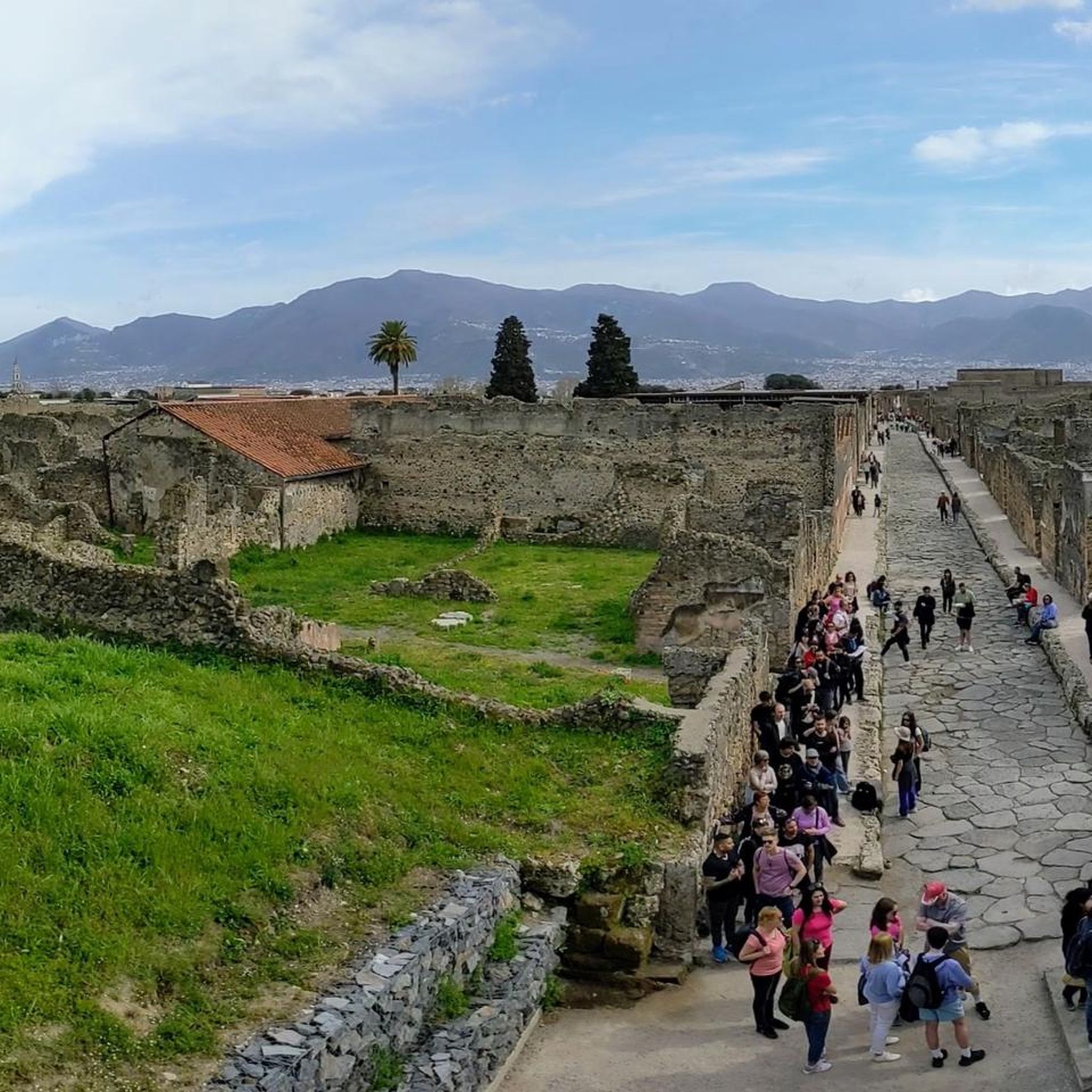
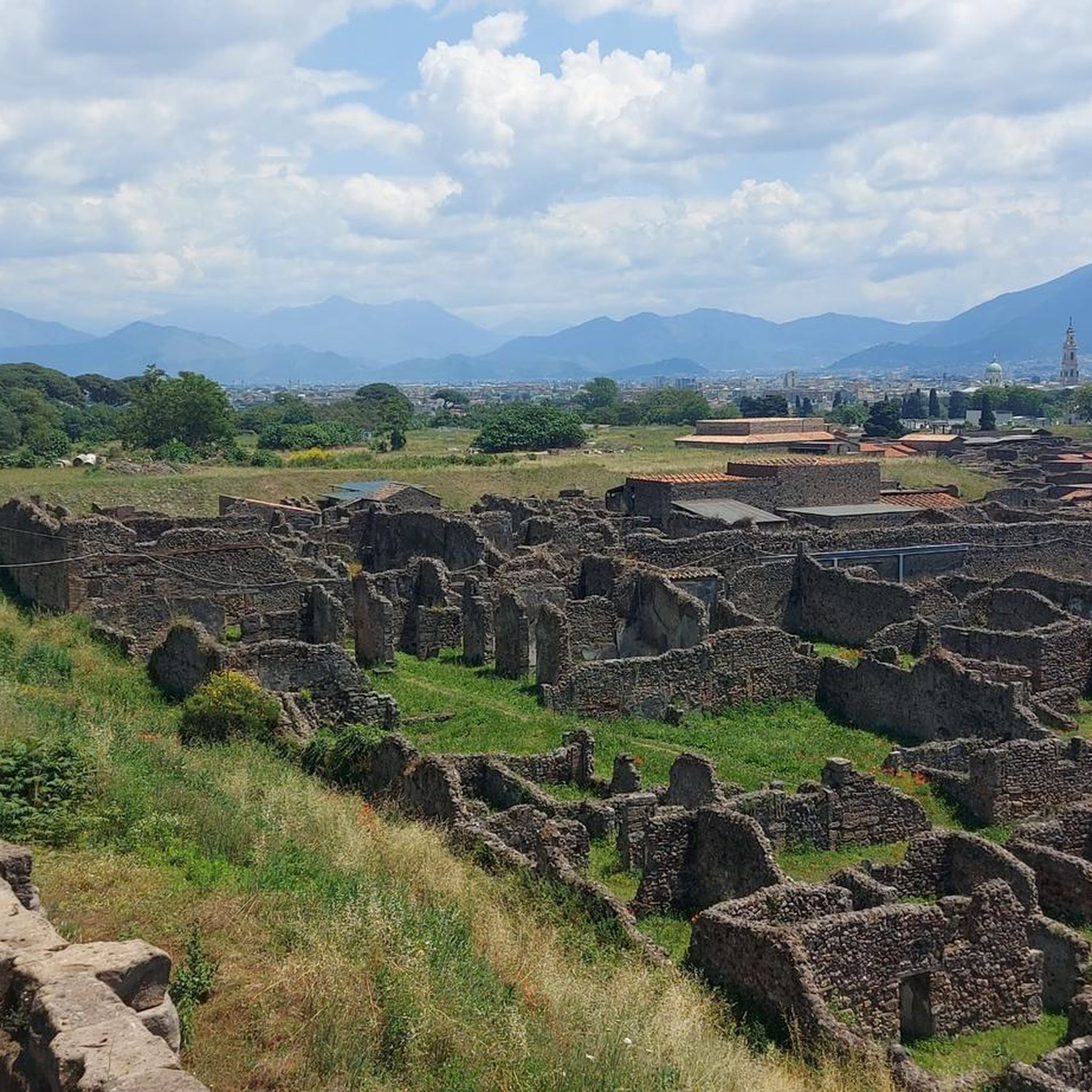

Tips from the Community

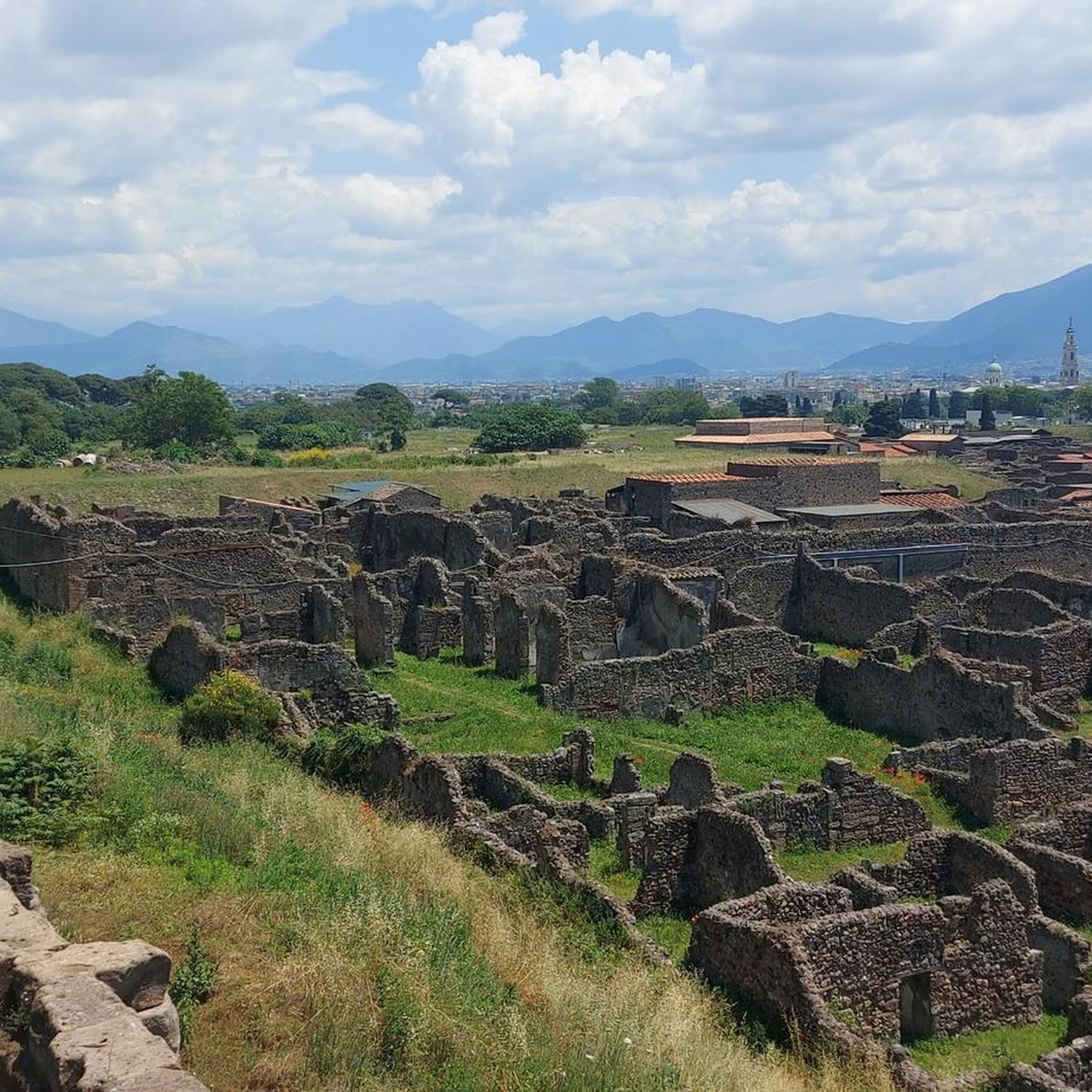
The very panoramic itinerary allows you to enjoy the most suggestive and wild scenery of Somma-Vesuvius, crossing forest environments, scrubland up to bare lava rock. The starting point is located along the road that from the Medici Palace of Ottaviano continues towards the volcanic complex. A barrier prohibiting vehicular traffic marks the beginning of the route, the first stretch of the path, common with path no. 1, winds along asphalted hairpin bends, and then turns into a dirt path. The plant landscape consists initially of a thick pine forest of stone pine and then in a mesophilous forest, with essences such as chestnut, Neapolitan alder, Neapolitan maple, holm oak, black locust. Among the nesting birds, the minute lesser spotted woodpecker, rare and localized in Campania, has only recently colonized the Vesuvius Park. After more than 1 km of walking on a steep climb you reach Largo Angelo Prisco dedicated to the young financier murdered by poachers in 1995 which represents the closest destination. From the Largo, path no. 1 branches off to the left, while the itinerary continues on the right on a slight climb, entering, between twists and turns, into a shady chestnut grove where the numerous species of mushrooms present give off an intense and pleasant fragrance.
0
0

The Capodacqua spring is located halfway between Vico Equense and the Belvedere del Faito, along the beautiful path unfortunately neglected and therefore not completely accessible that connects the town down to the sea and its mountain. The spring is very spectacular, obviously it is even more beautiful in the spring when the water flows down the walls in a copious manner and in the pools below you can count hundreds of tadpoles. A very beautiful point at an altitude of 530 and a few minutes from Colle al Casullo, a point where the climb to Faito becomes considerably more challenging both for the slopes and for the passability of the paths.
1
0

The volcano symbol of the city of Naples, is still active, its last eruption dates back to 79 years ago.
0
0

Little grotto in the stone with water dripping down from the roots coming from above. Breeding ground for frogs.
0
0

The clearing commemorates the homonymous financier murdered by poachers in 1995. From this small clearing created between gorse and conifers, the plaque dedicated to the memory of Priscus marks the point of separation between the two paths 1 and 2.
20
0

Spectacular place, some stretches are to be done by pushing due to the bottom composed of pyroclastic sand, which makes it difficult to grip the bike.
4
0

Panoramic view of the Hell Valley
8
0
Frequently Asked Questions
What are the most popular natural monuments around Torre Annunziata?
The most popular natural monument is the Crater of Mount Vesuvius, an active volcano offering impressive views. Visitors also highly appreciate the Grotta Fissure for its panoramic views of the "Hell's valley," and the Cognoli Summit and Valle dell'Inferno, which provides a scenic itinerary through diverse landscapes up to bare lava rock.
What natural features can I expect to see within the Vesuvius National Park?
Within the Vesuvius National Park, you can explore the iconic crater of Mount Vesuvius, which is approximately 305 meters deep. The park also features a unique ecosystem with diverse flora, including chestnut groves at lower elevations and broom-covered plateaus higher up. From the summit, you'll experience spectacular panoramic views of the entire Gulf of Naples, the Sorrento coast, and nearby islands.
Are there hiking trails to explore the natural monuments near Torre Annunziata?
Yes, there are numerous hiking opportunities, primarily within the Vesuvius National Park. You can find various routes, including those leading to the Crater of Mount Vesuvius and the Cognoli Summit and Valle dell'Inferno. For a comprehensive list of trails, you can explore the Hiking around Torre Annunziata guide.
What kind of cycling routes are available near the natural monuments?
The area around Torre Annunziata offers several cycling routes that allow you to experience the natural beauty. Options range from challenging loops like the 'Valley of Hell loop from Trecase' to routes with views of Vesuvius. You can discover more details and plan your ride using the Cycling around Torre Annunziata guide or the Road Cycling Routes around Torre Annunziata guide.
Can I climb to the crater of Mount Vesuvius?
Yes, visitors have the opportunity to climb to the top of the Crater of Mount Vesuvius. The hike offers an engaging outdoor activity amidst unique volcanic landscapes and provides spectacular panoramic views. Remember to purchase tickets for access.
What is the best time of year to visit the natural monuments around Torre Annunziata?
The best time to visit is generally during the spring (April-May) and autumn (September-October) when the weather is milder and more suitable for hiking. These periods offer comfortable temperatures for exploring the trails and enjoying the panoramic views without the intense heat of summer or the potential for colder, wetter conditions in winter.
Is Vesuvius National Park family-friendly?
Vesuvius National Park can be family-friendly, depending on the chosen trails. While climbing to the main crater involves an intermediate-level hike, there are also easier paths and areas within the park suitable for families. It's advisable to check the difficulty of specific trails beforehand to ensure they match your family's activity level.
How do the natural monuments around Torre Annunziata connect with the region's history?
The natural monuments, particularly Mount Vesuvius, are deeply intertwined with the region's history. Vesuvius is famously known for its devastating eruption in 79 A.D., which buried ancient Roman settlements like Pompeii, Herculaneum, and Oplontis (in Torre Annunziata). Visiting the volcano offers a direct connection to this powerful historical event and the preserved archaeological sites nearby.
Are there any unique geological features to explore besides the main Vesuvius crater?
Beyond the main crater, you can explore the Grotta Fissure, a cave offering unique insights into the volcanic landscape. Additionally, the Valle dell'Inferno (Hell's Valley) provides a glimpse into the wilder, more rugged scenery of the Somma-Vesuvius complex, characterized by bare lava rock and diverse forest environments.
What do visitors particularly enjoy about the natural monuments in this area?
Visitors frequently highlight the spectacular panoramic views from the summits, especially from the Crater of Mount Vesuvius and the Cognoli Summit. The unique volcanic landscapes, the sense of history, and the engaging outdoor activity of hiking through diverse environments are also highly appreciated.
How can I get to Vesuvius National Park from Torre Annunziata?
From Torre Annunziata, you can reach Vesuvius National Park by car or public transport. Local buses or the Circumvesuviana train line can take you to towns at the base of Vesuvius, from where dedicated shuttle services or local buses often connect to the park's entrance or hiking trailheads. Driving allows for more flexibility, with parking available at various access points.
Are there amenities available within Vesuvius National Park?
While the park is a natural area, you can find some basic amenities, especially near the main visitor access points for the crater. These may include small kiosks selling refreshments, souvenir shops, and restrooms. It's always a good idea to bring your own water and snacks, especially on longer hikes, as facilities can be limited in more remote areas.
Most popular routes around Torre Annunziata
Most popular attractions around Torre Annunziata

Get inspired with the komoot mobile app


Explore more
Extend your search for the best caves by checking out these guides of the top ones around Torre Annunziata:
