Top 20 Natural Monuments around Bedonia
Best natural monuments around Bedonia are found within the Parma Apennines, characterized by river valleys, mountain peaks, and protected areas. This region offers diverse natural landscapes for outdoor exploration. Its territory includes the contrasting Val Ceno and Val Taro, as well as significant mountain ranges like the Bedoniese Ridge. The area is notable for its ancient forests and rich biodiversity.
Best natural monuments around Bedonia
- The most popular natural monuments is Monte Bue summit and summit cross, a summit…
Last updated: June 28, 2026
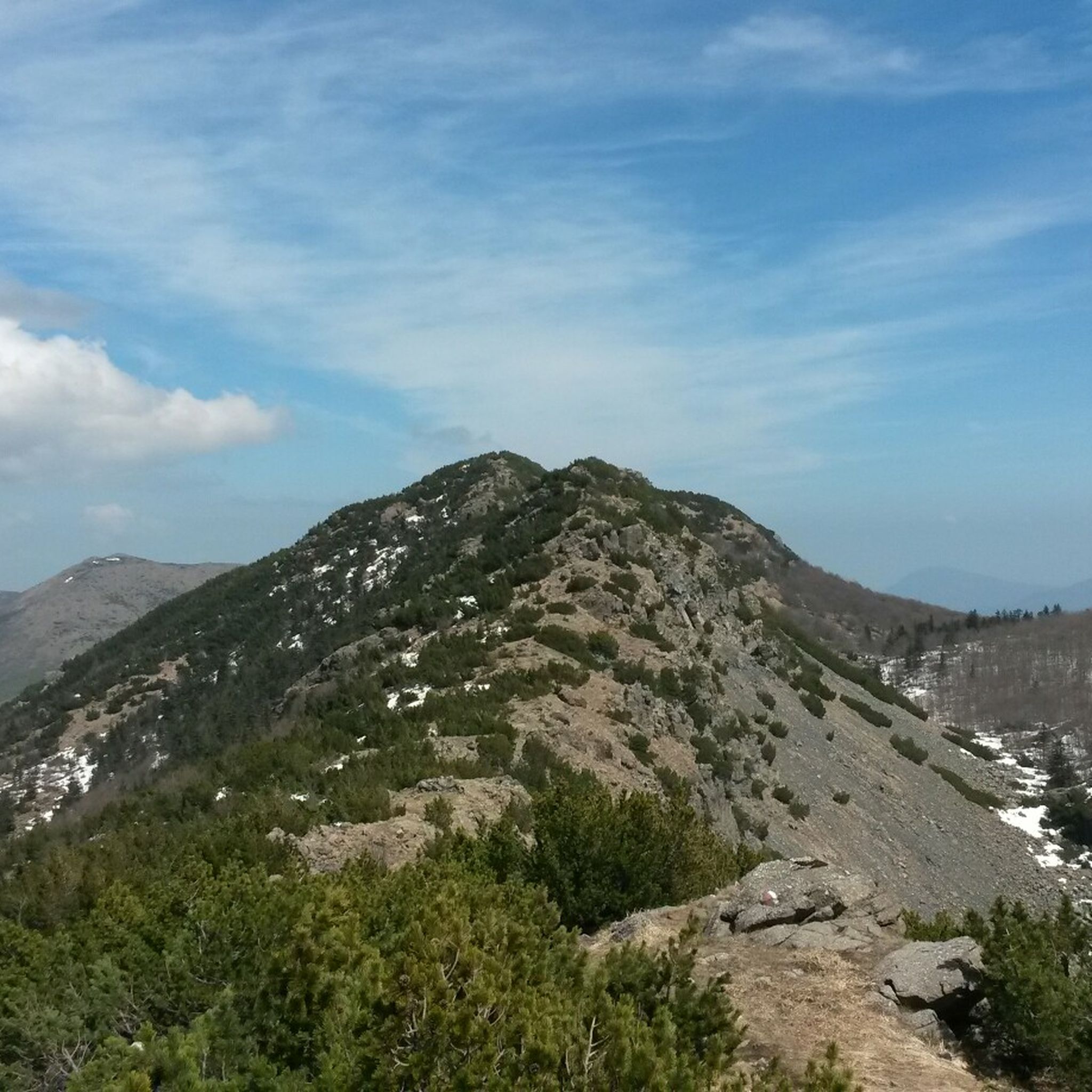
Monte Bue summit and summit cross
Highlight • Summit
Translated by Google •
Tip by

Black Lake
Highlight • Lake
Translated by Google •
Tip by
Sign up now to discover places like this
Get recommendations on the best single tracks, peaks, & plenty of other exciting outdoor places.
Sign up for free
Lame Lake
Highlight • Lake
Translated by Google •
Tip by
Statue of the Madonna on Monte Penna
Highlight • Monument
Translated by Google •
Tip by
Monte Aiona
Highlight • Summit
Translated by Google •
Tip by

Sign up for free to discover even more natural monuments around Bedonia.
Sign up for free
Already have an account?
Start today with a free account
Your next adventure awaits.
Login or Signup
Other adventures around Bedonia

Tips from the Community


excursion done in winter, very beautiful and panoramic, with a lot of snow, good equipment is needed, gaiters and crampons, and a good shell for the strong winds on the ridge.
0
0

A very characteristic glacial lake to see Reachable by car Hotel.......and sport fishing
0
0
More than a mountain, a symbol
0
0

Beautiful sea view
0
0
The top of the Aveto valley together with Penna
0
0
Frequently Asked Questions
What are some of the most prominent natural features to explore in the Bedonia area?
The Bedonia area, nestled in the Parma Apennines, is rich in diverse natural features. You can explore majestic mountain peaks like Monte Penna, which is the source of the Ceno and Taro rivers, and the Bedoniese Ridge with peaks such as Mount Nero and Mount Maggiorasca. The region also features the contrasting Val Ceno and Val Taro river valleys, with the Taro River known for its clear water and rocky diving spots. Additionally, there are glacial lakes like Black Lake and Lame Lake, and significant passes like Passo del Bocco and Passo di Cento Croci.
Are there family-friendly natural monuments or activities around Bedonia?
Yes, there are several family-friendly options. Lame Lake is a great choice, surrounded by thick woods and featuring a characteristic Wood Museum nearby, which is of particular interest for children. The Oasi dei Ghirardi (WWF Protected Area) also offers guided nature trails suitable for families to appreciate its ecological beauty and spot wildlife.
What kind of hiking trails can I find near Bedonia's natural monuments?
Bedonia offers a variety of hiking trails, ranging from moderate to difficult. You can find routes that lead to summits like Monte Bue summit, offering expansive panoramic views, or explore the ancient woods of oak, chestnut, and beech on the Bedoniese Ridge. The Passo dell'Incisa serves as a starting point for excursions to Monte Penna and Aiona mountains through beautiful beech forests. For more detailed routes, you can explore the Hiking around Bedonia guide.
Where can I experience breathtaking panoramic views in the Bedonia area?
For extraordinary panoramic views, head to Monte Penna. From its 1,735-meter elevation, the view can extend to the Ligurian coast on clear days. Another excellent spot is Monte Bue summit, which offers grandiose landscapes over the Val d’Aveto and Val Nure.
What opportunities are there for wildlife spotting in the natural monuments around Bedonia?
The Oasi dei Ghirardi, a 600-hectare WWF protected area, is an excellent location for wildlife spotting. It boasts a rich diversity of fauna, including deer, foxes, wild cats, and various birds of prey. The Taro River's vegetation also provides refuge for riverine species such as the kingfisher, dipper, and Cinerino heron.
Are there any natural monuments with historical significance in the region?
Yes, the Passo del Bocco, situated at 956 meters in the Ligurian Apennines, is a historic route where traces of ancient paving are still visible in the surrounding woods. This pass is known for its unspoiled mountain landscape and acts as a gateway to the Aveto Regional Natural Park.
What are the best times to visit the natural monuments in Bedonia?
The region offers beauty throughout the year. The Passo dell'Incisa, for example, provides routes through beech forests that are feasible even in warmer seasons. For winter hiking, especially in areas like Monte Aiona, good equipment like gaiters and crampons is recommended due to snow and strong winds on the ridge. Spring and autumn offer pleasant temperatures and vibrant natural colors.
Can I find trails for mountain biking or running near these natural monuments?
Absolutely. The Bedonia area is popular for various outdoor sports. You can find numerous mountain biking trails, including challenging loops around Monte Penna and Passo di Cento Croci. For runners, there are difficult routes like the Monte Pelpi summit cross loop from Bedonia. For more options, check out the MTB Trails around Bedonia guide and the Running Trails around Bedonia guide.
What makes Monte Aiona a unique natural monument?
Monte Aiona, located within the regional natural park of the Aveto, is characterized by an impressive bare plateau. It features a cluster of rocks among the most ancient in Italy, known for attracting lightning and misleading magnetic north. These peculiarities, along with their curious form, have fueled numerous popular legends, though their origin is geological, stemming from the depths of the Ligurian ocean during the Jurassic period.
Are there any natural monuments that are particularly good for cooling off in summer?
The Taro River, which flows through the Val Taro, is known for its clear water and rocky diving spots, making it an ideal place to cool off during warmer months. Additionally, glacial lakes like Black Lake and Lame Lake offer serene environments surrounded by nature, perfect for a refreshing break.
What kind of forests can be found in the Bedonia region?
The Bedonia region is home to diverse forest types. The Bedoniese Ridge features ancient woods of oak, chestnut, and beech. Monte Penna is surrounded by a state forest, and the Passo del Bocco area boasts unspoiled mountain landscapes with beech and fir forests. You'll also find thick woods surrounding glacial lakes like Lame Lake.
What is the geological significance of the natural monuments in Bedonia?
The region's geological history is quite rich. Monte Aiona, for instance, features ancient rocks rich in magnetite, originating from the sub-continental mantle of the Ligurian ocean during the Jurassic period. Glacial activity also shaped the landscape, creating features like Black Lake and Lame Lake, which are both of glacial origin.
Most popular attractions around Bedonia

Get inspired with the komoot mobile app


Explore more
Extend your search for the best caves by checking out these guides of the top ones around Bedonia:
