Top 20 Natural Monuments around Fiumicino
Natural monuments around Fiumicino offer a diverse landscape characterized by coastal dunes, wetlands, and ancient forests. The region is part of the Riserva Naturale Statale Litorale Romano, a significant protected area blending natural beauty with historical sites. This area provides habitats for various wildlife, including migratory birds, and features unique geological formations. It serves as a valuable location for experiencing the natural heritage of the Lazio coast.
Best natural monuments around Fiumicino
- The most popular natural monuments is Mola Waterfall of Formello, a waterfall immersed in the wild nature of the Sorbo Valley. The area is protected as a Site of Community Interest and features ruins of the Mola building.
- Another must-see spot is Castel Giuliano Waterfall, a waterfall formed by streams meandering through forests and cultivated fields. These waterfalls offer natural spectacles in the heart of Lazio.
- Visitors also love Via degli Inferi, a historical site and ancient Etruscan hollow road. This route is a suggestive itinerary through a canyon-like landscape with side walls dotted with cracks, connecting the ancient town of Caere with its Necropolis.
- Fiumicino is known for its waterfalls, historical sites, and diverse natural areas. The region offers a variety of natural monuments to see and explore, from ancient Roman ports to protected wetlands.
- The natural monuments around Fiumicino are appreciated by the komoot community, with more than 250 upvotes and over 130 photos shared.
Last updated: June 28, 2026
Mola Waterfall of Formello
Highlight • Waterfall
The Sorbo Valley is protected as a Site of Community Interest.
Translated by Google •
Tip by

Castel Giuliano Waterfall
Highlight • Waterfall
Translated by Google •
Tip by

Sign up now to discover places like this
Get recommendations on the best single tracks, peaks, & plenty of other exciting outdoor places.
Sign up for free
Via degli Inferi
Highlight • Historical Site
Translated by Google •
Tip by

Braccio di Mare Waterfall
Highlight • Waterfall
Translated by Google •
Tip by

Mola Waterfalls
Highlight • Waterfall
Translated by Google •
Tip by

Sign up for free to discover even more natural monuments around Fiumicino.
Sign up for free
Already have an account?
Start today with a free account
Your next adventure awaits.
Login or Signup

Tips from the Community

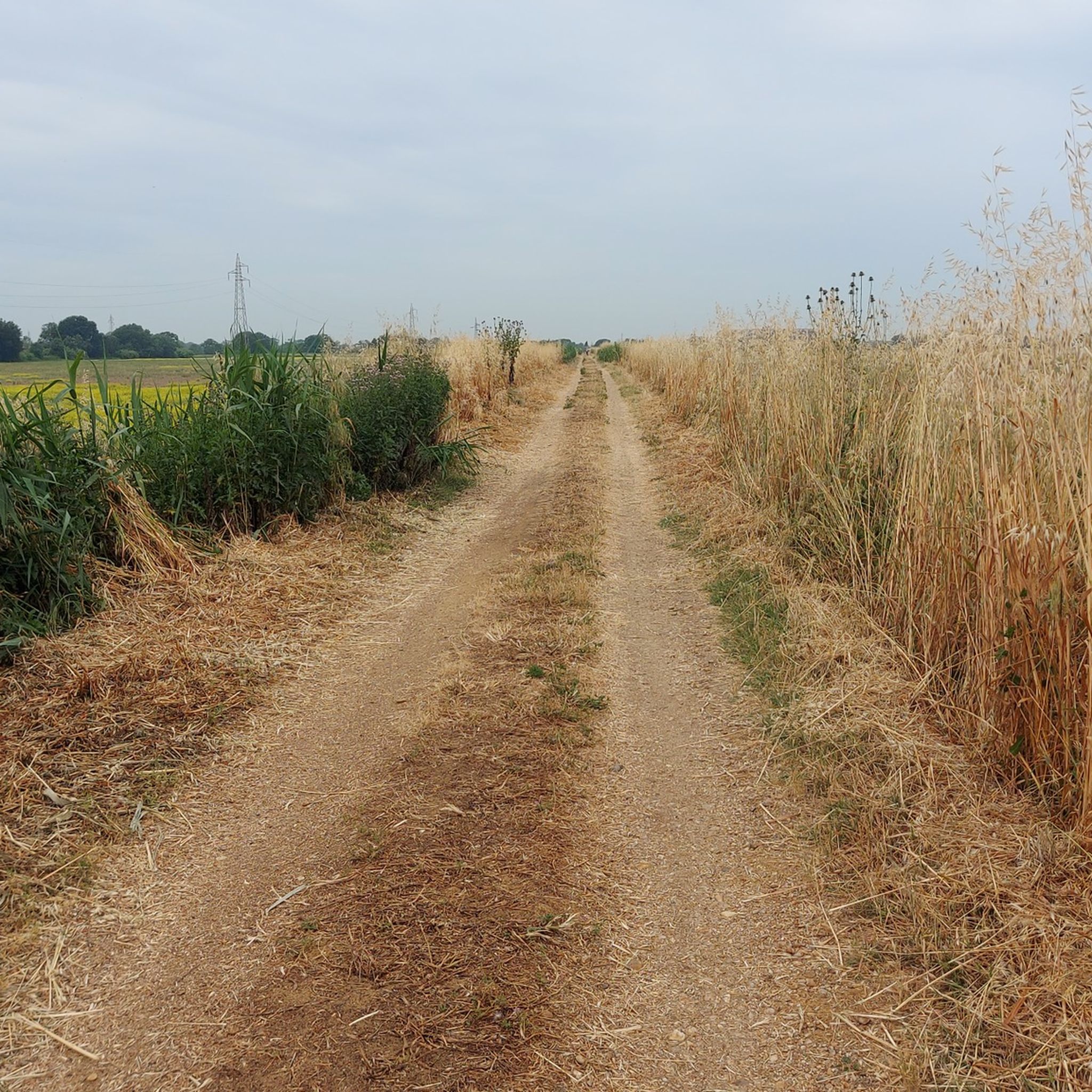
Near the marked point, there's a very difficult and even dangerous passage. You have to skirt a deep, unprotected ravine, via a steep, very narrow passage (less than 50 cm).
0
0

a magical place where you find yourself immersed in an atmosphere suspended in time among tombs, tuff walls and mosses
0
0

The route on the offline map isn't always clear, in my opinion. We were forced to turn back because the trail took us past a barbed fence, leaving us unsure of where to go next, having already walked a long way. The place is very beautiful, but the map may not be up to date.
0
0

Great pools especially in summer!
0
0

The Via degli Inferi is a suggestive route to pedal calmly and pay attention to pedestrians. The beauty of this place is surprising: a real canyon, with the side walls dotted with mysterious cracks. The Via degli Inferi is an ancient Etruscan hollow road created to connect the ancient town of Caere with its immense Necropolis.
1
0

It is located at the exit from the Veio park.
1
0

The Cascada di Castel Giuliano is a hidden natural treasure in the heart of Lazio, Italy. These waterfalls, formed by several streams and small rivers that meander through forests and cultivated fields, offer natural spectacles of rare beauty.
3
0

a magical place, absolutely worth visiting
1
0
Frequently Asked Questions
What are some unique natural features to explore in Fiumicino?
Fiumicino's natural landscape is diverse, featuring coastal dunes, wetlands, and ancient forests, largely within the extensive Riserva Naturale Statale Litorale Romano. You can discover unique sites like the Mola Waterfall of Formello, a waterfall nestled in the wild Sorbo Valley, or the Castel Giuliano Waterfall, known for its natural beauty formed by meandering streams. The region also offers the ancient Etruscan hollow road, Via degli Inferi, which presents a canyon-like landscape.
Are there any historical sites integrated with the natural monuments?
Yes, Fiumicino's natural monuments often blend with significant historical and archaeological sites. The Riserva Naturale Statale Litorale Romano integrates ancient Roman ports and coastal towers. The Oasi di Porto, for instance, is not only a haven for migratory birds but also surrounds the ancient hexagonal basin of Trajan's Port, with well-preserved remains of Roman warehouses and public buildings. The Via degli Inferi is an ancient Etruscan hollow road connecting the town of Caere with its Necropolis, offering a highly suggestive itinerary through a rocky landscape.
What kind of wildlife can I expect to see in Fiumicino's natural parks?
The natural areas around Fiumicino are rich in biodiversity. The Oasi di Porto is a prime spot for birdwatching, home to approximately 130 species of migratory aquatic birds, including ducks, grebes, herons, coots, and cormorants. Its rich fish fauna includes sturgeon, perch, pike, and eel. The Tenuta Presidenziale di Castelporziano, while primarily in Rome, is intrinsically linked to Fiumicino's landscape and hosts numerous bird species, wild boars, deer, and roe deer within its diverse Mediterranean ecosystems.
Are there family-friendly natural monuments in Fiumicino?
Yes, several natural monuments offer family-friendly experiences. The Mola Waterfall of Formello is considered family-friendly, as is the Braccio di Mare Waterfall. These locations provide opportunities for tranquil walks and enjoying nature together. The Oasi di Porto, with its birdwatching opportunities and serene environment, can also be a peaceful outing for families.
What outdoor activities can I do near the natural monuments in Fiumicino?
The natural monuments in Fiumicino are excellent starting points for various outdoor activities. You can find numerous hiking and walking trails, especially within the Riserva Naturale Statale Litorale Romano. For cycling enthusiasts, there are routes like the 'Fiumicino Airport and Roman Coast Nature Reserve Loop' or the 'Fiumicino Drawbridge – Fiumicino Cycle Path loop'. You can explore more options for cycling in the Cycling around Fiumicino guide.
Are there cycling routes available near Fiumicino's natural monuments?
Absolutely. Fiumicino offers a variety of cycling routes that pass through or near its natural monuments. Options range from easy to moderate, such as the 'Fiumicino Drawbridge – Fiumicino Cycle Path loop' from Isola Sacra, or the 'Fiumicino Airport and Roman Coast Nature Reserve Loop'. For more detailed information and route suggestions, refer to the Cycling around Fiumicino guide.
Where can I find trails for mountain biking near Fiumicino?
For mountain biking, Fiumicino and its surrounding areas offer several trails. You can find routes like the 'Castel di Guido and Maccarese Loop' or the 'Bishop's Palace of Porto – Ponte Galeria drinking fountain loop'. These trails allow you to explore the natural landscapes on two wheels. Discover more options in the MTB Trails around Fiumicino guide.
What is the best time to visit the natural monuments around Fiumicino?
The best time to visit Fiumicino's natural monuments is generally during the spring (April-May) and autumn (September-October) months. During these periods, the weather is mild and pleasant for outdoor activities like walking, cycling, and birdwatching. Summer can be quite hot, especially in July and August, while winter offers cooler temperatures and fewer crowds, which can be ideal for tranquil walks, though some areas might be less vibrant.
Can I bring my dog to the natural areas in Fiumicino?
Many natural areas and trails around Fiumicino are dog-friendly, especially within the Riserva Naturale Statale Litorale Romano. However, it's always advisable to keep your dog on a leash, especially in protected areas or where wildlife is present, to ensure their safety and respect for the environment. Always check specific regulations for each site before your visit.
Are there any amenities like cafes or accommodation near the natural monuments?
While the natural monuments themselves are often preserved areas, you can find amenities in the nearby towns and villages surrounding Fiumicino. Areas like Fregene, Maccarese, and Isola Sacra, which border the Riserva Naturale Statale Litorale Romano, offer cafes, restaurants, and various accommodation options. It's recommended to plan your visit and check for specific services in the closest inhabited centers.
What do visitors particularly enjoy about the natural monuments in Fiumicino?
Visitors frequently appreciate the unique blend of natural beauty and historical significance. The tranquility of places like the Oasi di Porto, the stunning views from waterfalls such as the Castel Giuliano Waterfall, and the immersive experience of ancient routes like the Via degli Inferi are often highlighted. The opportunity to observe diverse wildlife and explore untouched Mediterranean ecosystems also makes these sites highly valued.
Are the natural monuments around Fiumicino accessible by public transport?
Access to some natural monuments around Fiumicino by public transport can be limited, as many are located in more secluded natural settings. While Fiumicino itself is well-connected, reaching specific natural reserves or waterfalls might require a combination of public transport and a walk, or a private vehicle. It's best to research specific routes and local bus services to the nearest towns or entry points for each monument.
Most popular routes around Fiumicino
Most popular attractions around Fiumicino

Get inspired with the komoot mobile app


Explore more
Extend your search for the best caves by checking out these guides of the top ones around Fiumicino:
