Top 5 Natural Monuments around Fonte Nuova
Best natural monuments around Fonte Nuova are situated in a region characterized by its proximity to Rome, offering a blend of natural areas and historical landscapes. The municipality is surrounded by protected natural reserves that feature diverse ecosystems, including river valleys, forests, and cultivated hills. These areas provide opportunities to explore rich biodiversity and remnants of ancient human settlement. The landscape is shaped by centuries of natural processes and human interaction, making it a notable destination for outdoor exploration.
Best…
Last updated: June 28, 2026
Marcigliana Nature Reserve
Highlight • Natural Monument
Tip by

Gattaceca and Barco Nature Reserve
Highlight • Forest
Translated by Google •
Tip by

Sign up now to discover places like this
Get recommendations on the best single tracks, peaks, & plenty of other exciting outdoor places.
Sign up for free
Parco della Cervelletta
Highlight • Forest
Translated by Google •
Tip by

Pozzo del Merro
Highlight • Cave
Translated by Google •
Tip by

Start today with a free account
Your next adventure awaits.
Login or Signup

Tips from the Community

The route is quiet and the road has just been redone. Lots of bikes and few cars
0
0

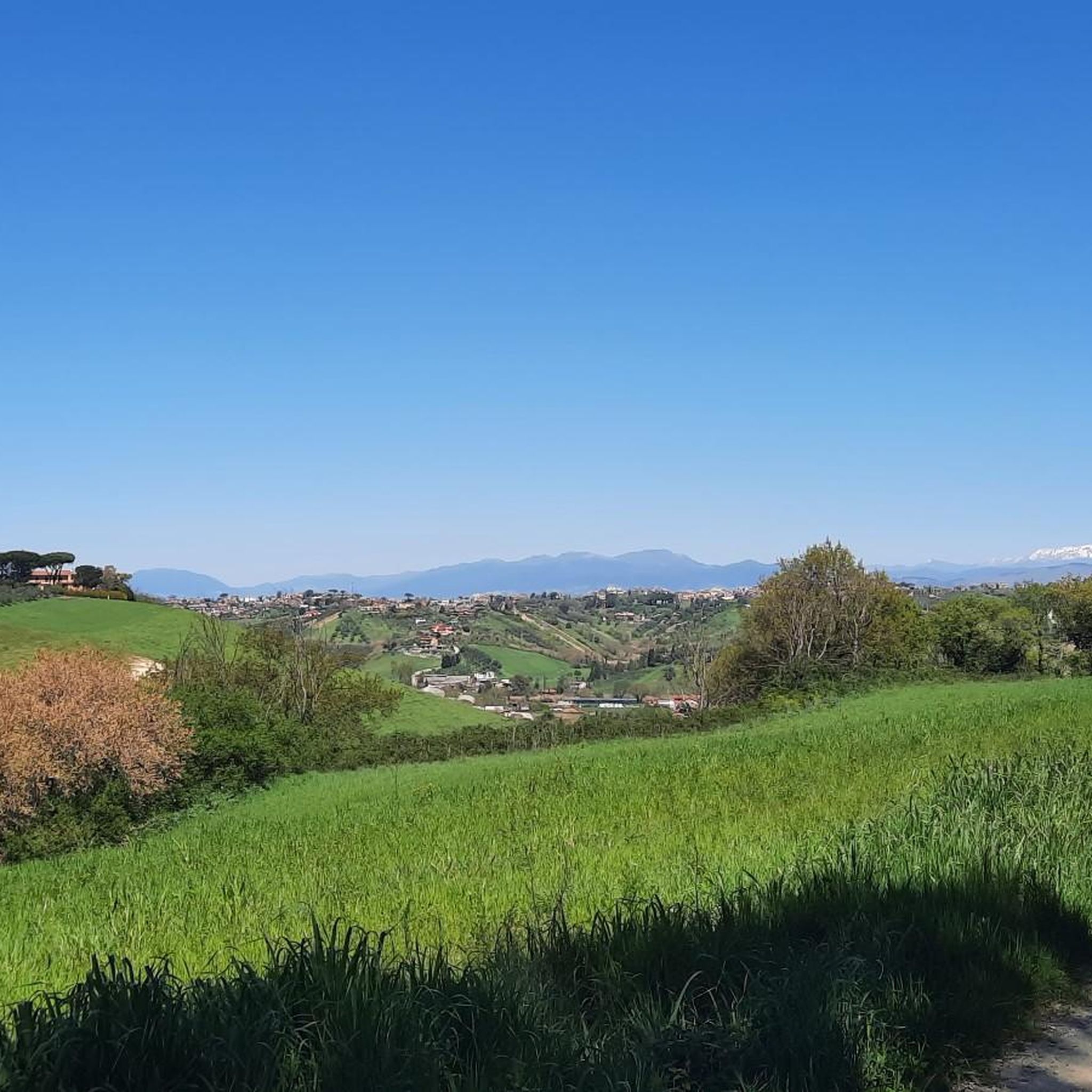
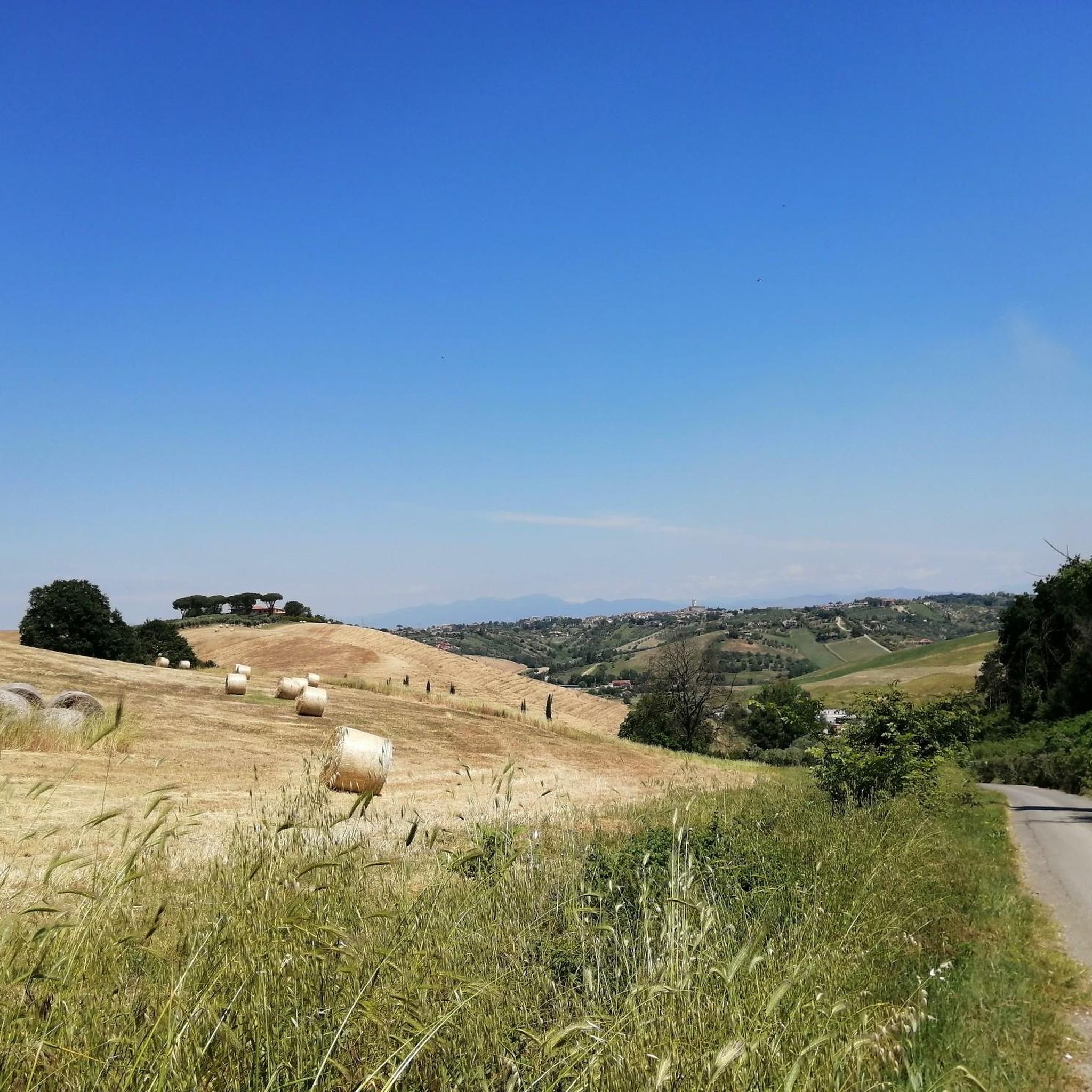
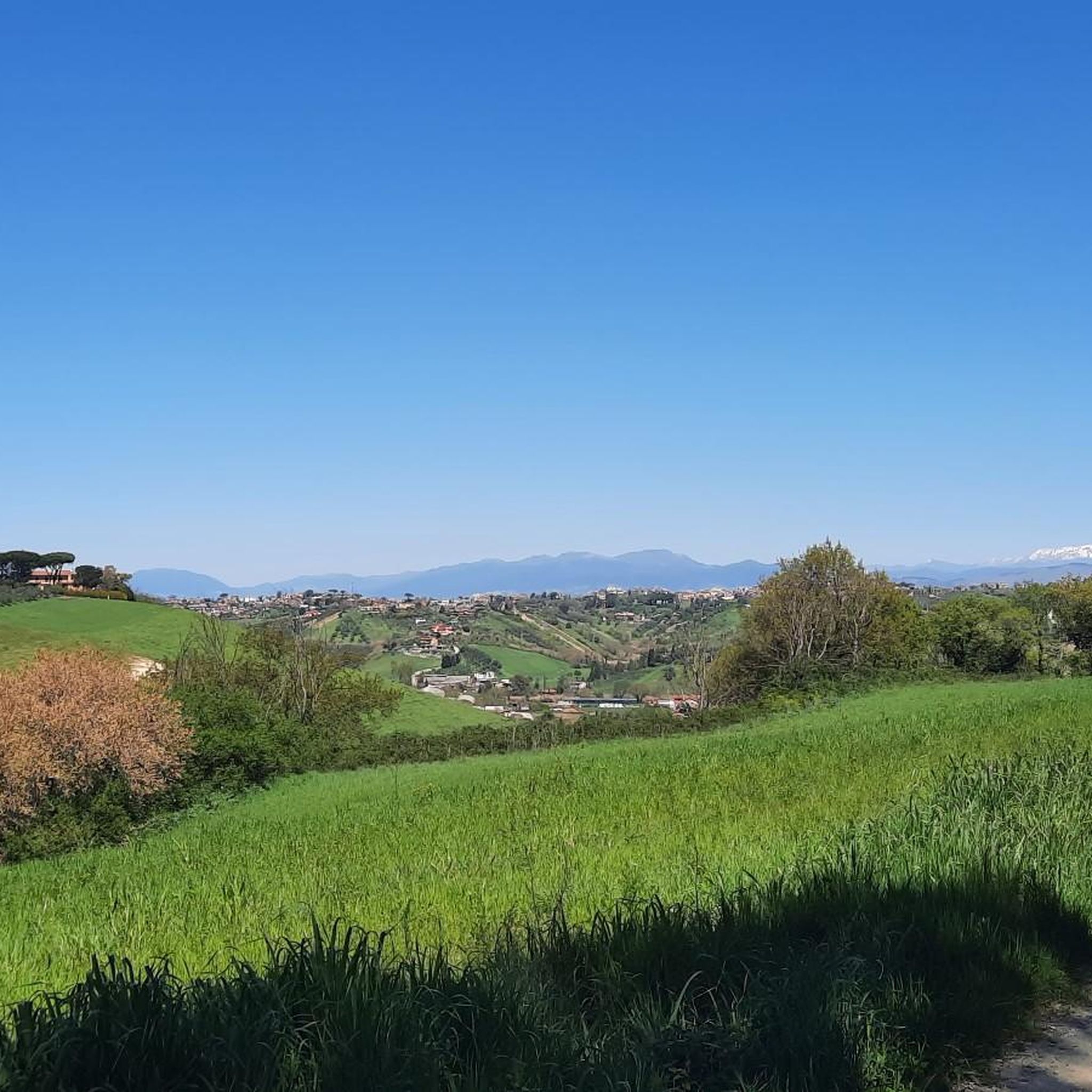
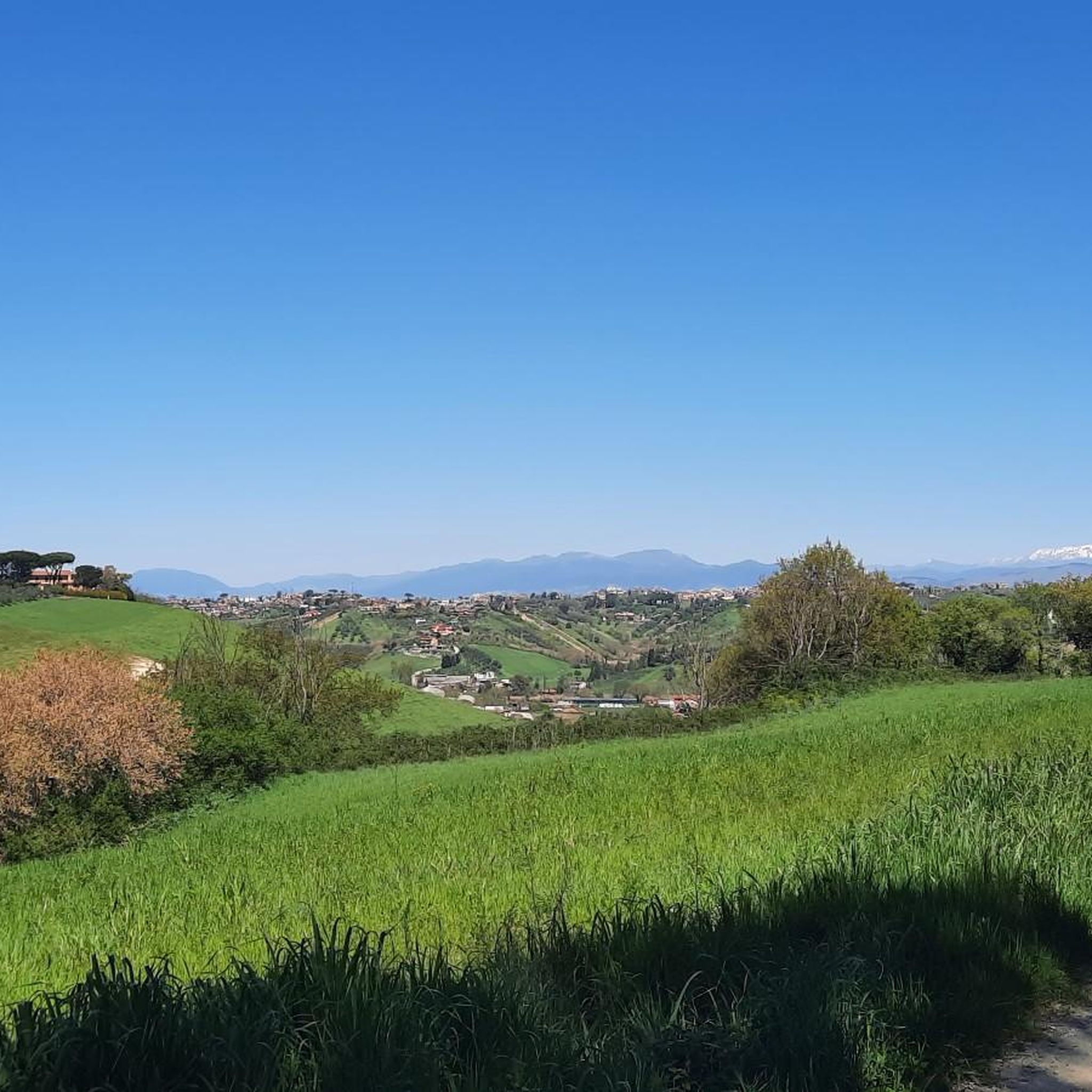
The nature reserve extends over about a thousand hectares between the Tiber Valley and the Cornicolani Mountains, in the Roman Sabina. The landscape is hilly, with pasture areas, crops and fragments of woods, remnants of the original forests. The area is known for its botanical value and for karst phenomena such as caves and sinkholes, including the Pozzo del Merro, one of the deepest in the world. The reserve also preserves historical evidence, from prehistory to the Middle Ages.
1
0

The Cervelletta Park is part of the Aniene Valley Nature Reserve which extends for approximately 620 hectares. In the humid area you can admire the flowering of the Marsh Iris.
0
0

Strada Bianca connecting via della Cesarina and via di Casal Boccone. The first stretch is a dirt road up to the bridge that crosses the ring road; then continues on a beaten path between cultivated fields. It ends with an easy singletrack up to Via Casal Boccone skirting the Almaviva building.
0
0

The Pozzo del Merro is a karst sinkhole located in the countryside north of Rome, between the Cornicolani Mountains in Macchia del Barco and Macchia di Gattaceca, in the municipality of Sant'Angelo Romano. According to initial studies by the University of Tor Vergata, the cavity is 392 meters deep, which is the maximum limit the measurements have reached. The probes launched since its discovery have not reached bottom, and the studies continue. This sinkhole has always been known to the locals. In 1890 it appears in the description of a tourist itinerary that leads from Rome to Sant'Angelo Romano, and is described as "a kind of chasm, at the bottom of which extends a small lake and whose very steep sides are covered with trees". https://www.sotterraneidiroma.it/sites/pozzo-del-merro
0
0

You can still follow the path by bike, but you pass in front of inhabited houses
0
0

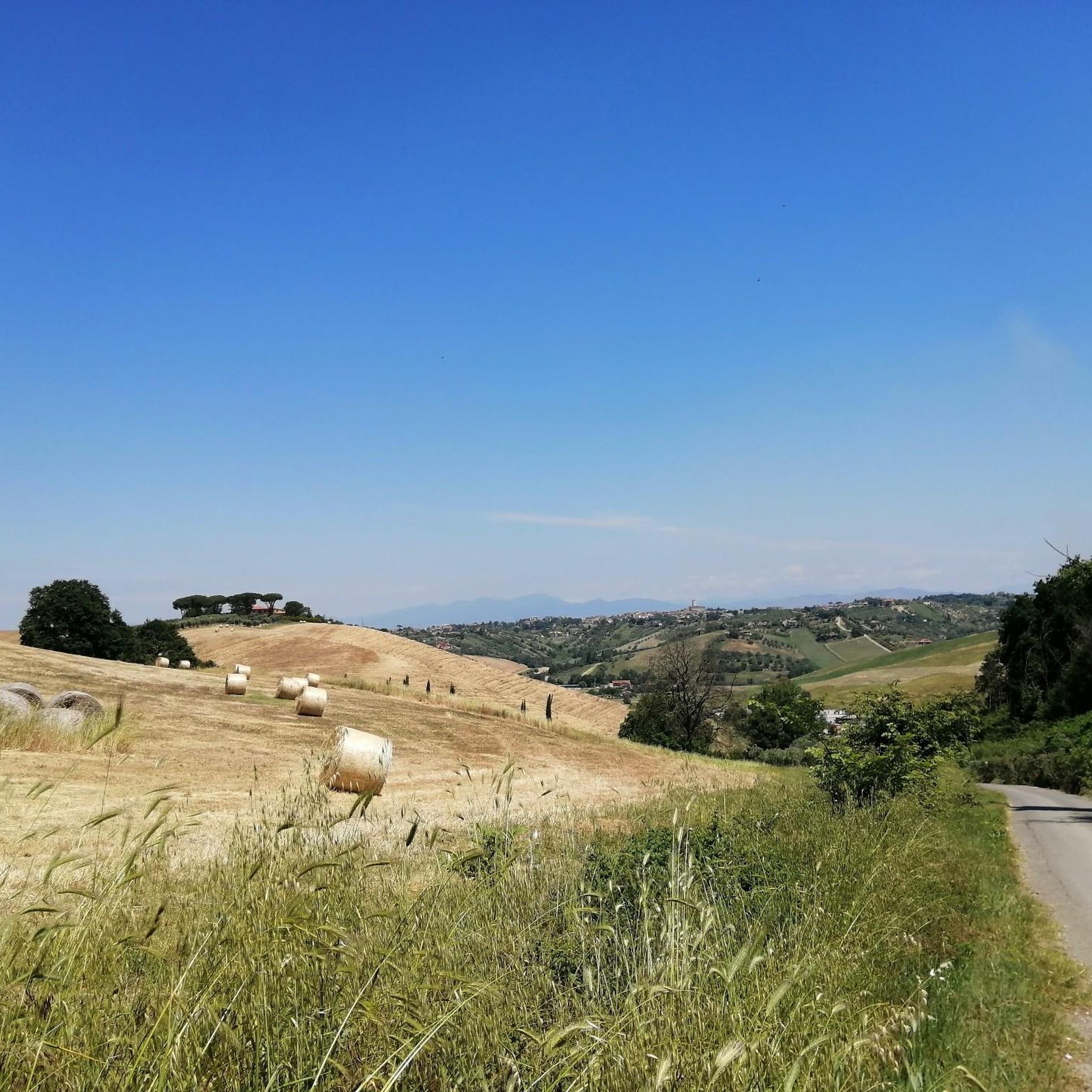
The Reserve extends over a series of hills delimited to the west by the Tiber, to the south by the Bufalotta ditch, and to the north by the Rio del Casale which also marks the limit of the Municipality of Rome. The low rounded hills are still cultivated with extensive arable land or intended for grazing, while the slopes of the valleys are covered with scrub vegetation: these are the remnants of the oak forest (oak, oak, oak, downy oak and farnet) often accompanied by maples and elms . The fauna, threatened by urbanization and hunting until the establishment of the Reserve, is of extreme interest: the presence of mammals (fox, marten, weasel, but also badger and porcupine) is significant, among which that of the Italian hare stands out, an endemic Italian species. Of fundamental interest is the historical landscape system of the large estates (Marcigliana, Tor S. Giovanni), characterized by ancient farmhouses, often built on nuclei of Roman villas and by medieval towers that create a unique historical continuum. In this area stood the ancient Latin city of Crustumerium with its imposing defensive wall placed to control an ancient road route connecting Etruria and Campania.     Regarding access to the Reserve, we remind you that the public access accessible to all is via di Tor S. Giovanni n. 301, where there is Casale Lucernari, "Casa del Parco", and from where the circular route of the "Sentiero Natura" starts, while as regards the signposted accesses of via Nomentana/via della Cesarina; – via Salaria/via della Marcigliana; – via Salaria/via di Vallericca; – via della Marcigliana/via della Bufalotta; – via di Settebagni, these are accesses that lead to private properties and therefore passage must be requested from the owner, and correct, polite and respectful behavior must always be maintained for the environment, people and property assets. source: https://romanatura.roma.it/marcigliana#gsc.tab=0
1
0
Frequently Asked Questions
What kind of wildlife can I expect to see in the natural monuments around Fonte Nuova?
The natural monuments near Fonte Nuova are rich in biodiversity. In the Marcigliana Nature Reserve, you might spot mammals like foxes, badgers, porcupines, and the Italian hare, along with various bird species such as kestrels, buzzards, and owls. The Aniene Valley Park is home to porcupines, grey herons, kingfishers, and even river crayfish, indicating good water quality.
Are there historical or archaeological sites within these natural monuments?
Yes, several natural monuments in the area also boast significant historical and archaeological value. The Marcigliana Nature Reserve contains remnants of ancient Roman villas, medieval towers, and the ancient Latin city of Crustumerium. Similarly, the Gattaceca and Barco Nature Reserve preserves historical evidence ranging from prehistory to the Middle Ages.
What natural features are prominent in the reserves near Fonte Nuova?
The region offers diverse natural features. The Aniene River in the Valle dell’Aniene Nature Reserve features mixed oak groves, wetlands like the Parco della Cervelletta, and open spaces along the river. The Gattaceca and Barco Nature Reserve is known for its botanical value and karst phenomena, including caves and sinkholes like the Pozzo del Merro, one of the deepest in the world.
Are there family-friendly trails or activities in the natural monuments?
Yes, many natural monuments around Fonte Nuova are suitable for families. The Aniene River in the Valle dell’Aniene Nature Reserve offers accessible trails for cycling and walking. The Marcigliana Nature Reserve has a 'Sentiero Natura' circular route starting from Casale Lucernari, perfect for nature walks. Additionally, the Parco della Cervelletta is also considered family-friendly.
What outdoor activities can I do near these natural monuments?
The area around Fonte Nuova provides excellent opportunities for various outdoor activities. You can find numerous routes for hiking, road cycling, and gravel biking. The Aniene River Park, for instance, offers trails ranging from flat, relaxing stretches to more technical dirt paths suitable for mountain biking.
Are there specific hiking trails available in the natural reserves?
Yes, several natural reserves feature dedicated hiking trails. The Marcigliana Nature Reserve has a 'Sentiero Natura' circular route. In the Gattaceca and Barco Nature Reserve, you can explore trails that lead to karst phenomena like the Pozzo del Merro. For more options, check the hiking guide for Fonte Nuova.
What is the best time of year to visit the natural monuments around Fonte Nuova?
The natural monuments around Fonte Nuova can be enjoyed throughout the year, but spring and autumn generally offer the most pleasant weather for outdoor activities. During these seasons, temperatures are mild, and the landscapes are particularly vibrant with blooming flora or rich autumn colors. Summer can be warm, making early morning or late afternoon visits ideal, while winter offers a quieter, often misty, atmosphere.
Can I cycle along the Tiber River near Fonte Nuova?
While not directly within Fonte Nuova, the extensive Tiber Cycle Path is easily accessible and offers a unique way to experience the natural corridor of the Tiber River. This path stretches for approximately 35 kilometers, providing scenic views and a tranquil escape from urban traffic, suitable for all types of bikes and walkers.
What are some unique geological formations to see?
The Gattaceca and Barco Nature Reserve is particularly notable for its karst phenomena. Here, you can find various caves and sinkholes, including the impressive Pozzo del Merro, which is recognized as one of the deepest sinkholes in the world.
How long should I plan for a visit to one of these natural monuments?
The duration of your visit depends on the specific natural monument and your planned activities. For a general walk or short hike in areas like the Marcigliana Nature Reserve or the Aniene River Park, a few hours might suffice. If you plan to explore extensive trails, cycle, or delve into historical sites, you could easily spend half a day or even a full day.
Are there specific access points or parking considerations for the Marcigliana Nature Reserve?
Public access to the Marcigliana Nature Reserve is primarily via di Tor S. Giovanni n. 301, where you'll find Casale Lucernari, also known as 'Casa del Parco.' This is where the circular 'Sentiero Natura' route begins. Other signposted accesses may lead to private properties, requiring permission from the owner for passage.
Most popular routes around Fonte Nuova
Most popular attractions around Fonte Nuova

Get inspired with the komoot mobile app


Explore more
Extend your search for the best caves by checking out these guides of the top ones around Fonte Nuova:
