Top 5 Natural Monuments around Mentana
Natural monuments around Mentana are located in the Roman Sabina area of Italy, featuring significant natural areas. The region is characterized by its nature reserves, which function as a green lung to the east of Rome. These areas protect agricultural landscapes and biodiversity, offering opportunities for outdoor activities.
Best natural monuments around Mentana
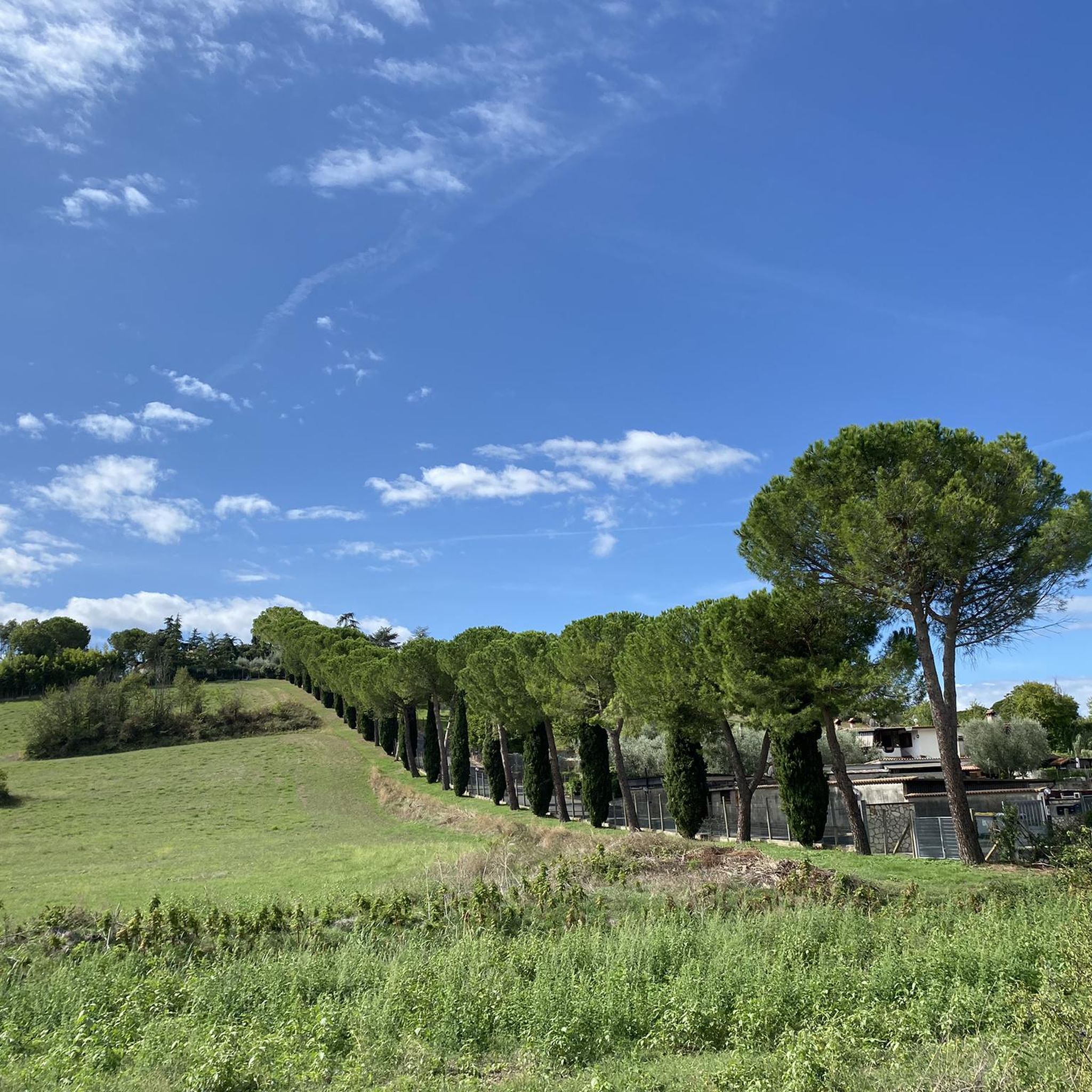
- The most popular natural monument is Marcigliana Nature Reserve, a natural monument with quiet roads through farmland and forests. This reserve extends over a series of…
Last updated: October 15, 2026
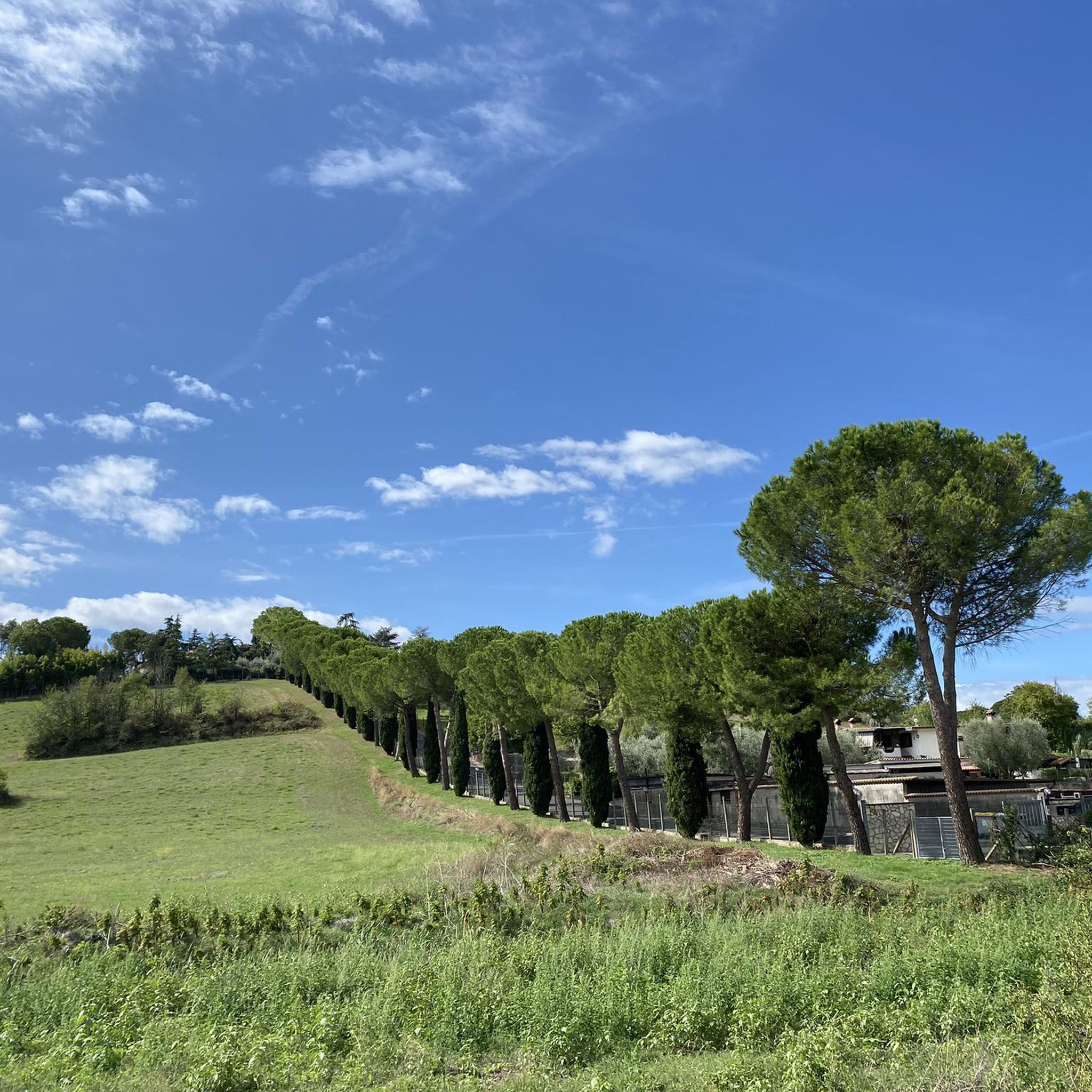
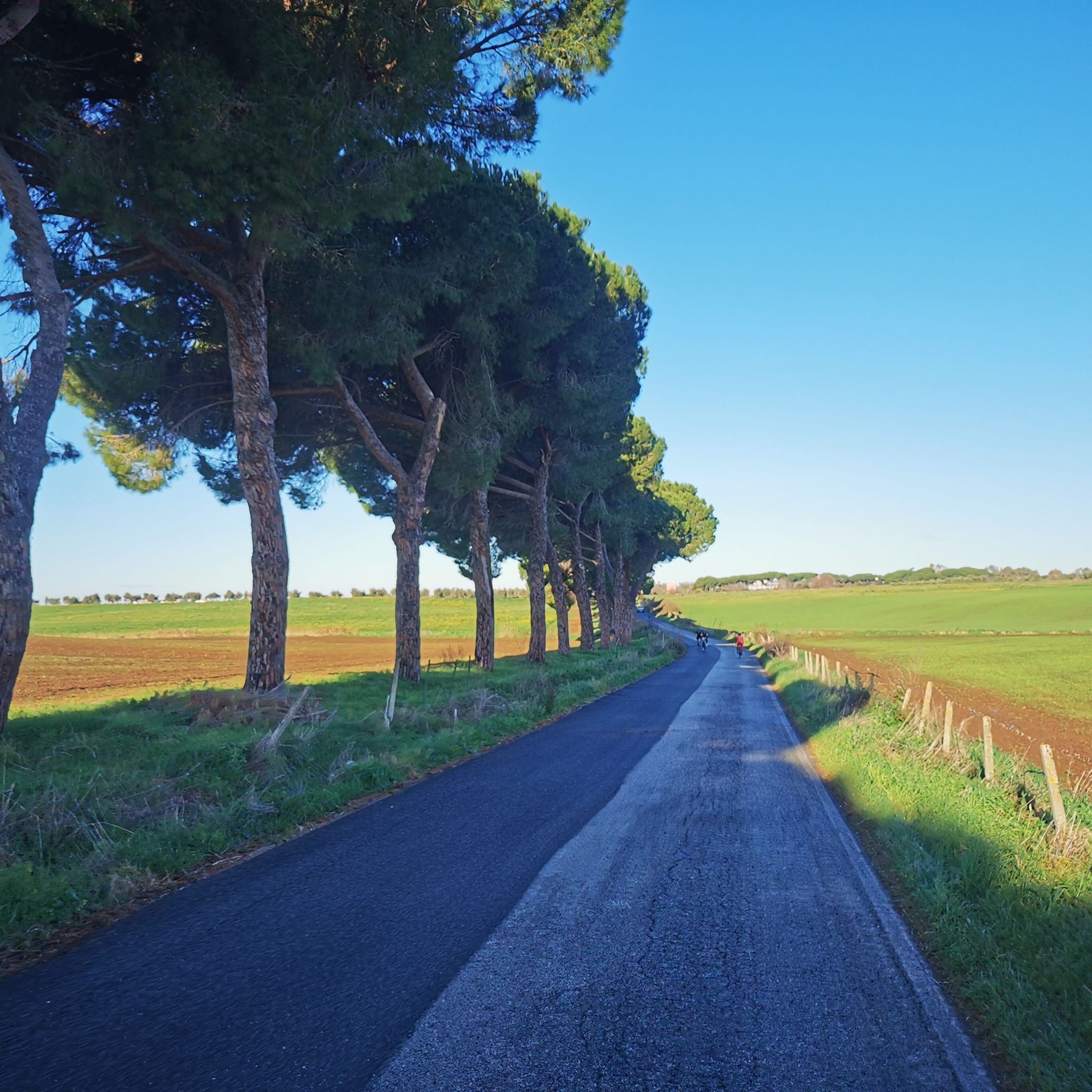
Marcigliana Nature Reserve
Highlight • Natural Monument
Tip by

Gattaceca and Barco Nature Reserve
Highlight • Forest
Translated by Google •
Tip by

Sign up now to discover places like this
Get recommendations on the best single tracks, peaks, & plenty of other exciting outdoor places.
Ancient Beech Tree of La Troscia
Highlight • Natural Monument
Translated by Google •
Tip by

View of Monti Lucretili
Highlight • Viewpoint
Translated by Google •
Tip by

Pozzo del Merro
Highlight • Cave
Translated by Google •
Tip by

Start today with a free account
Your next adventure awaits.

Tips from the Community

The route is quiet and the road has just been redone. Lots of bikes and few cars
0
0

From here on, it's a hike for experts. There are no CAI flags (or at least I didn't see any), nor is the trail clearly marked. There are only a few stone cairns, but it's mostly a matter of feeling. The return time is much longer than indicated.
0
0
Danger!!! the path is not calculated well!!! attention!!!! only for experts!!!!
1
1

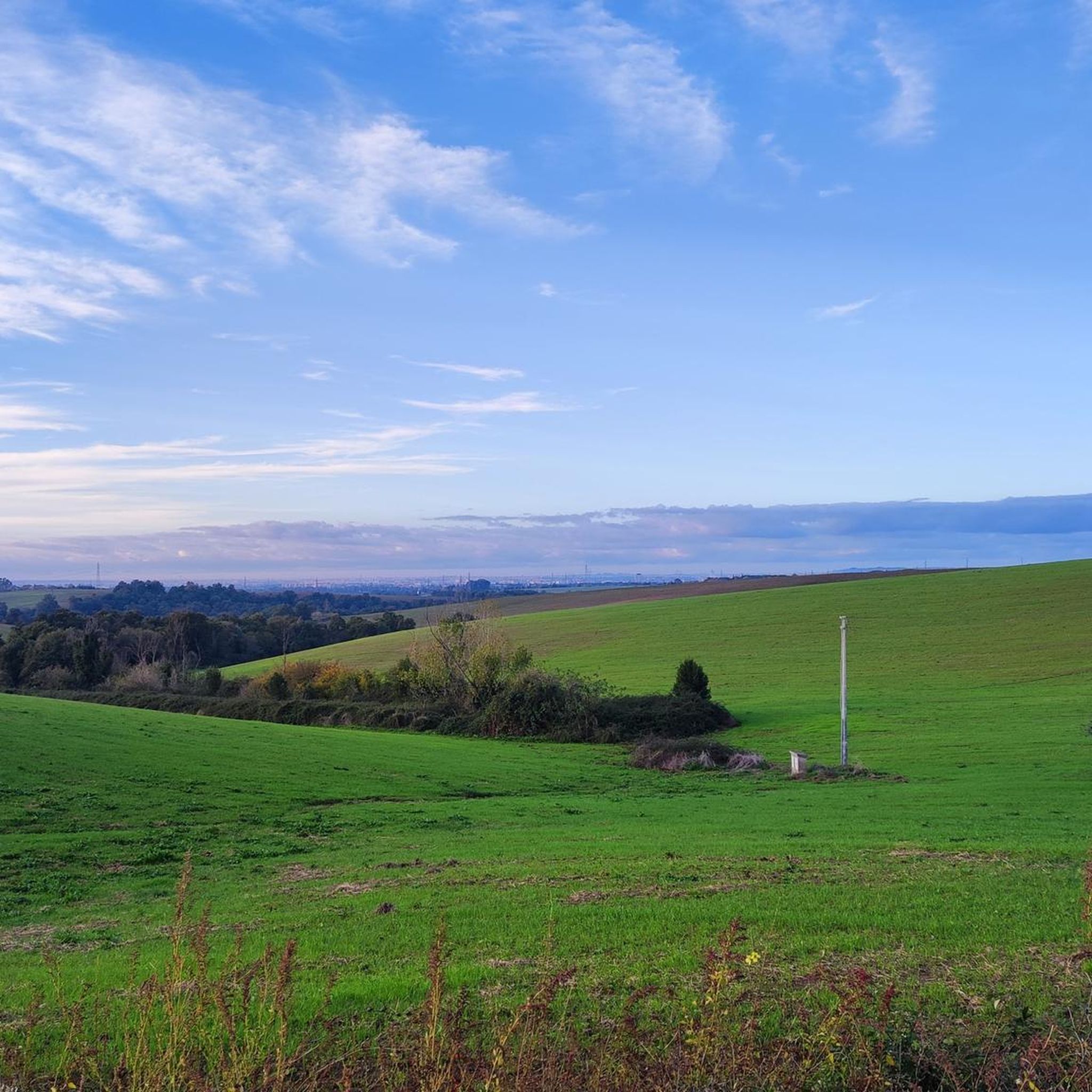
The nature reserve extends over about a thousand hectares between the Tiber Valley and the Cornicolani Mountains, in the Roman Sabina. The landscape is hilly, with pasture areas, crops and fragments of woods, remnants of the original forests. The area is known for its botanical value and for karst phenomena such as caves and sinkholes, including the Pozzo del Merro, one of the deepest in the world. The reserve also preserves historical evidence, from prehistory to the Middle Ages.
1
0

Strada Bianca connecting via della Cesarina and via di Casal Boccone. The first stretch is a dirt road up to the bridge that crosses the ring road; then continues on a beaten path between cultivated fields. It ends with an easy singletrack up to Via Casal Boccone skirting the Almaviva building.
0
0

The Pozzo del Merro is a karst sinkhole located in the countryside north of Rome, between the Cornicolani Mountains in Macchia del Barco and Macchia di Gattaceca, in the municipality of Sant'Angelo Romano. According to initial studies by the University of Tor Vergata, the cavity is 392 meters deep, which is the maximum limit the measurements have reached. The probes launched since its discovery have not reached bottom, and the studies continue. This sinkhole has always been known to the locals. In 1890 it appears in the description of a tourist itinerary that leads from Rome to Sant'Angelo Romano, and is described as "a kind of chasm, at the bottom of which extends a small lake and whose very steep sides are covered with trees". https://www.sotterraneidiroma.it/sites/pozzo-del-merro
0
0

More than a trail marker, this ancient beech tree is a timepiece! Perhaps this is why some of its protruding roots protect a small improvised nativity scene. The "troscia" indicates the puddle of water that you come across on the path just south of the beech tree.
0
0

You can still follow the path by bike, but you pass in front of inhabited houses
0
0
Frequently Asked Questions
What are some of the most notable natural monuments to visit around Mentana?
The region around Mentana features several significant natural monuments. Among the most popular are the Marcigliana Nature Reserve, known for its quiet roads through farmland and forests, and the Gattaceca and Barco Nature Reserve, which boasts botanical value and unique karst phenomena like caves and sinkholes. Another distinctive landmark is the Ancient Beech Tree of La Troscia, a notable ancient tree.
What kind of natural features can I expect to see in the natural monuments near Mentana?
The natural monuments around Mentana offer diverse features. You can explore expansive forests, rolling hills, and agricultural landscapes. The Gattaceca and Barco Nature Reserve is particularly known for its karst phenomena, including caves and sinkholes like the Pozzo del Merro. There are also ancient trees, and areas like the View of Monti Lucretili offer scenic vistas.
Are there hiking trails available in the natural monuments around Mentana?
Yes, there are numerous hiking opportunities. For instance, within the Gattaceca and Barco Nature Reserve, you can find easy loops like the "Caves Along the Trail" or "Macchia di Gattaceca Forest loop from Pozzo del Merro." For more options, you can explore the Hiking around Mentana guide, which details various routes near these natural sites.
Can I go mountain biking or gravel biking near Mentana's natural monuments?
Absolutely. The area around Mentana is suitable for both mountain biking and gravel biking. You can find moderate MTB trails such as the "Trail 1 and 2 loop from Mentana" or more challenging gravel routes like the "Passus by Solmaz Vilkachi – Grotta Marozza loop." For detailed routes, refer to the MTB Trails around Mentana guide and the Gravel biking around Mentana guide.
Are the natural monuments around Mentana suitable for families with children?
Yes, several natural monuments are family-friendly. The Marcigliana Nature Reserve, for example, is categorized as family-friendly, offering quiet roads through forests and farmland that are pleasant for walks. Many of the nature reserves provide accessible green spaces for outdoor activities.
What is the Nomentum Nature Reserve known for?
The Nomentum Nature Reserve is a significant natural area near Mentana, covering 850 hectares. It acts as a vital 'green lung' to the east of Rome, primarily focused on protecting agricultural areas and biodiversity. It offers a serene environment for connecting with nature away from urban development.
How can I access the Marcigliana Nature Reserve?
Public access to the Marcigliana Nature Reserve is via di Tor S. Giovanni n. 301, where you'll find Casale Lucernari, known as the "Casa del Parco." This is also where the circular "Sentiero Natura" route begins. Other access points along Via Nomentana, Via Salaria, and Via della Bufalotta often lead to private properties, requiring permission from the owner.
What is the Pozzo del Merro and where is it located?
The Pozzo del Merro is a remarkable karst sinkhole situated in the countryside north of Rome, specifically between the Cornicolani Mountains in Macchia del Barco and Macchia di Gattaceca, within the municipality of Sant'Angelo Romano. It is one of the deepest sinkholes in the world, with studies indicating depths of at least 392 meters.
What is the best time of year to visit the natural monuments around Mentana?
Generally, spring and autumn offer the most pleasant conditions for visiting the natural monuments around Mentana. The weather is milder, making it ideal for hiking and exploring. Spring brings blooming flora, while autumn showcases beautiful foliage. Summer can be hot, and winter might be cooler and wetter, though still suitable for some activities.
Are there any historical sites within or near the natural monuments?
Yes, the region has a rich history. The Gattaceca and Barco Nature Reserve preserves historical evidence ranging from prehistory to the Middle Ages. The Marcigliana Nature Reserve also features ancient farmhouses, often built on Roman villa nuclei, and medieval towers, indicating a continuous historical landscape.
Are there dog-friendly options for exploring the natural monuments around Mentana?
Many natural reserves in Italy, including those around Mentana, generally allow dogs on trails, often requiring them to be on a leash. It's always advisable to check specific regulations for each reserve before your visit to ensure a pleasant experience for both you and your dog.
What do visitors enjoy most about the natural monuments around Mentana?
Visitors frequently appreciate the tranquility and natural beauty of the area. The quiet roads through farmland and forests, especially in places like the Marcigliana Nature Reserve, are often highlighted. The unique geological features, such as the karst phenomena in the Gattaceca and Barco Nature Reserve, also draw significant interest, along with the opportunity to connect with nature close to Rome.
Most popular attractions around Mentana

Get inspired with the komoot mobile app


Explore more
Extend your search for the best caves by checking out these guides of the top ones around Mentana:
