Top 20 Natural Monuments around Valdagno
Best natural monuments around Valdagno include a diverse range of geological formations and scenic landscapes in the Vicenza province. The area is characterized by its proximity to the Piccole Dolomiti and the expansive Lessinia Regional Natural Park, offering varied terrain from mountains to valleys. Valdagno itself is situated in the Valle dell'Agno, which contributes to the region's natural charm. These surroundings provide numerous opportunities for outdoor exploration.
Best natural monuments around Valdagno
- The most popular natural monuments is Papalini Waterfall…
Last updated: October 15, 2026
Papalini Waterfall
Highlight • Waterfall
Translated by Google •
Tip by

Trail of the Great Trees
Highlight (Segment) • Trail
Translated by Google •
Tip by

Sign up now to discover places like this
Get recommendations on the best single tracks, peaks, & plenty of other exciting outdoor places.
Mount Gramolon
Highlight • Summit
Translated by Google •
Tip by

Buso della Rana Cave
Highlight • Cave
Translated by Google •
Tip by

Buso delle Anguane Cave
Highlight • Cave
Translated by Google •
Tip by
Sign up for free to discover even more natural monuments around Valdagno.
Already have an account?
Start today with a free account
Your next adventure awaits.

Tips from the Community

The Buso della Rana is the largest cave in the Veneto region and one of the most extensive in Italy, with a network of caves stretching almost 30 km in total (40 km including the Pissatèla complex above, to which it is connected). Located beneath the Faedo-Casaròn Plateau, it is an intricate karst system that collects and channels the plateau's waters into the Rio Rana, which flows at the entrance. It was formed when rainwater seeps into the permeable limestone surface layer and, encountering the underlying impermeable basalt (volcanic rock), flows laterally, eroding the rock. Over millions of years, this has created a complex labyrinth of horizontal tunnels, chambers, chimneys, siphons, and small lakes traversed by underground streams. Because it drains the plateau's waters, the cave is subject to flash floods, making exploration treacherous. Inside, the temperature remains constant between 10 and 12°C year-round. It is freely accessible through the monumental entrance and by proceeding along the Main Branch for about fifty meters, until reaching the first flooded corridor or Siphon, a horizontal constriction that requires crawling. From there, it is the preserve of speleologists or exciting and adventurous guided tours organized by associations like Biosphera (see link). The internal branches are not marked, and one must know the way. The name of the cave has nothing to do with the amphibian, but is an Italianized term from the Cimbrian word "roan," meaning "rocky wall," referring to the cliff at the entrance. https://www.busodellarana.it https://esplora.biosphaera.it/luoghi/buso-della-rana/
0
0
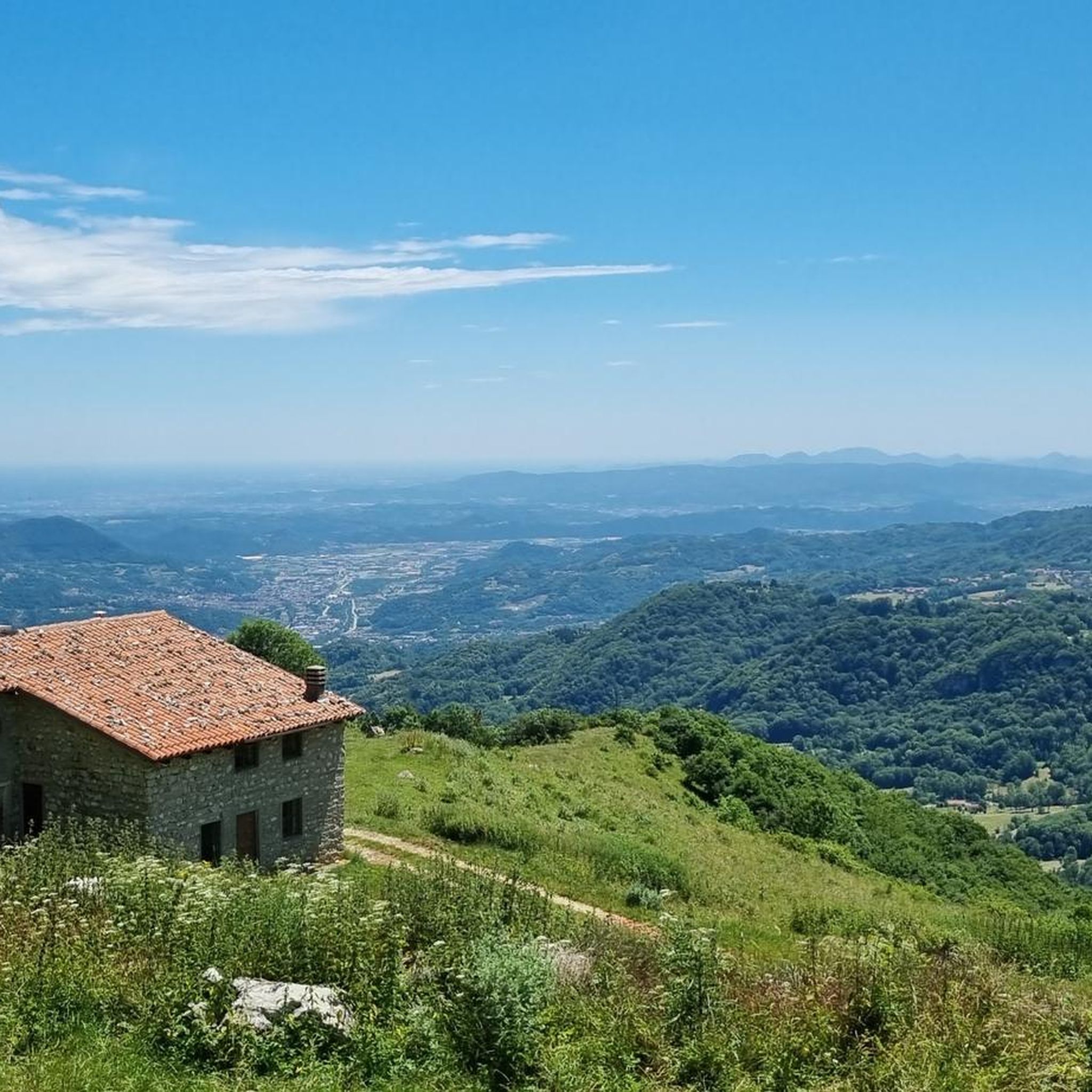
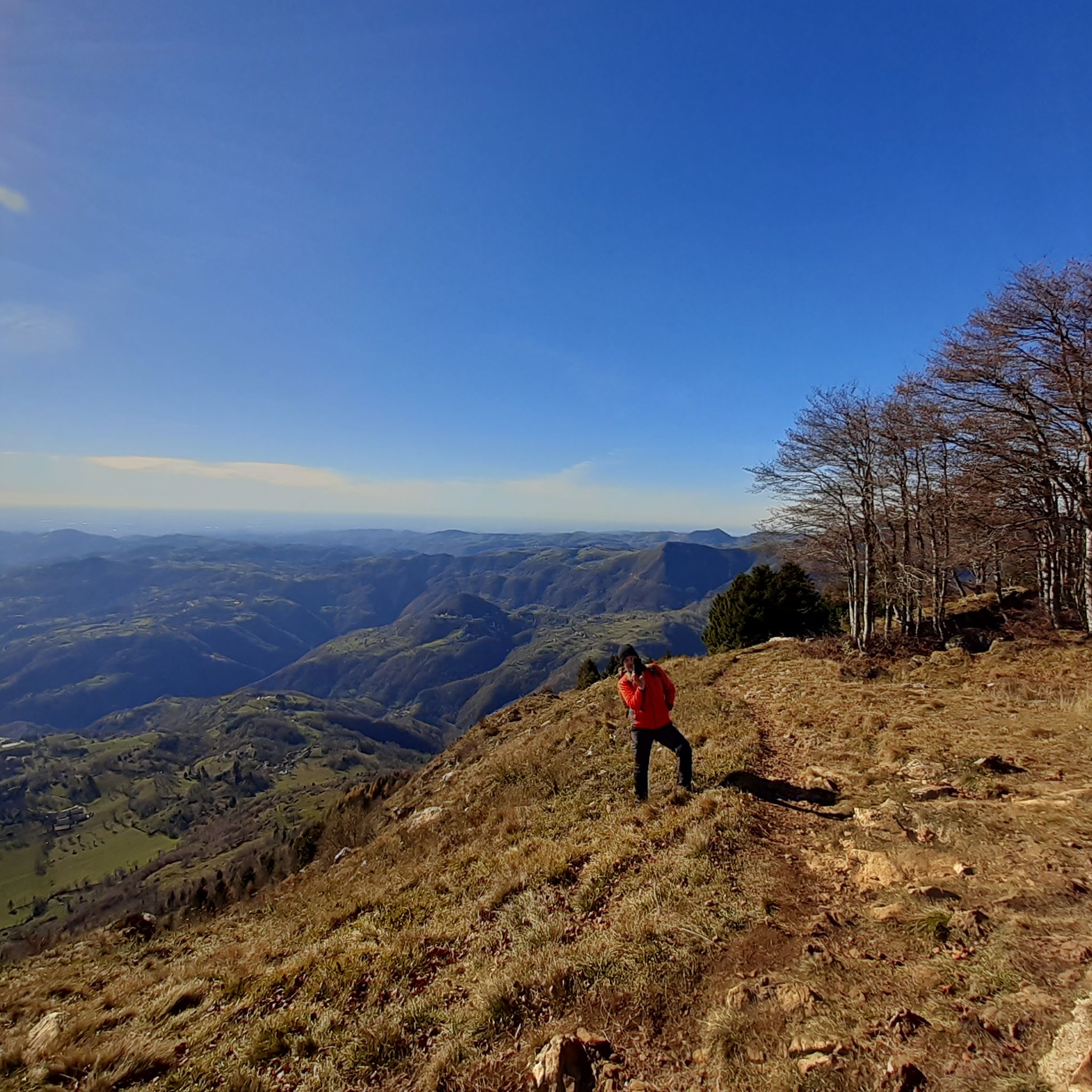
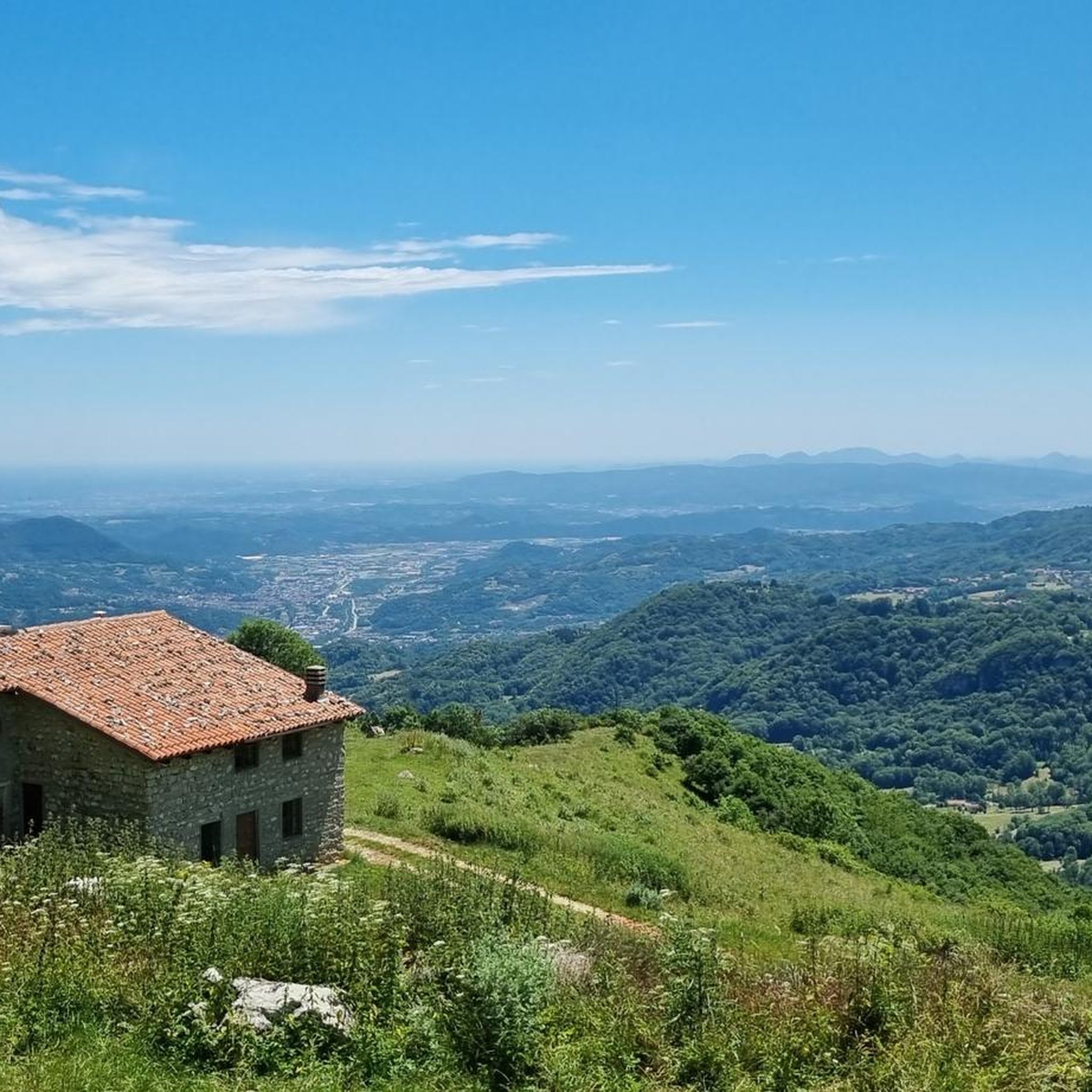
From Monte Gramolòn (1,814 m), you have a breathtaking 360° view of the Piccole Dolomiti, the Sentiero dei Grandi Alberi trail below, and, on the opposite side, the Lessinia mountains! The climb from Passo Ristele (to the north) is short but steep, and breathtaking! From Passo della Scagina (to the south), it's even steeper and more technical, EE, with frequent switchbacks that ascend a deep gully: very evocative. On this side, there are also the Angelo Viali and Ferrari via ferratas. The summit, with its cross, touches a spectacular but exposed ridgeline over the precipice, so be careful and avoid leaning out. The toponym derives from the dialect verb 'sgramolare', meaning to break into lumps: therefore, 'Gramolon' means the mountain that crumbles, due to subsidence and scree!
0
0
The Buso delle Anguane is a fascinating cave in the rock with a natural balcony overlooking the Chiampo Valley: a place of mystery and legends, in ancient folk tales it was the home of the anguane, evil creatures that attracted men with their comely appearance. https://it.wikipedia.org/wiki/Anguana The path to reach the cave is quite impervious and challenging, not very visible and not signposted along the asphalt road.
0
0
The Cascata dei Papalini suddenly appears in a small clearing in the heart of the forest, along the path: over time the falling water has formed a columnar deposit of gray limestone that descends like a drape and that partly acts as a springboard for the jet. But the peculiarity and spectacular nature of this waterfall is the possibility of seeing it even from behind the scenes: in fact, by climbing to the left on a short but steep path, you reach a natural roof of the rock from which you can observe the forest below through the curtain of water, without getting wet! The passage is not protected and is wet, so you need to pay particular attention. Like all torrential waterfalls, it is not always full and active: you need to look for the right period, perhaps after heavy rains, to visit it in all its thunderous splendor.
1
0

Point quite easy to reach unless it has rained recently, in which case I would advise caution. Very suggestive view from inside the "Buso"
0
0

Beautiful waterfall, it looks like a face with one eye, a big nose and teeth😊
1
0

Gramolon can be reached not only by paths but also by the short but intense Ferrari via ferrata.
0
0

Mount Gramolon can be reached by various itineraries, the most convenient from the Bertagnoli refuge.
0
0
Frequently Asked Questions
What unique geological features can I explore near Valdagno?
The region around Valdagno offers diverse geological formations. You can explore the intricate karst system of the Buso della Rana Cave, one of the largest in Veneto, featuring horizontal tunnels and underground streams. The nearby Lessinia Regional Natural Park is also known for its unique 'vaj' (canyons) and specific natural monuments like Covolo di Camposilvano and Ponte di Veja, showcasing millions of years of geological processes.
Are there any waterfalls to visit around Valdagno?
Yes, the Papalini Waterfall is a beautiful small waterfall nestled in the woods. It's unique because visitors can walk behind its veil of water, offering a distinctive perspective.
What caves can be explored around Valdagno?
Beyond the extensive Buso della Rana Cave, you can also visit the Buso delle Anguane Cave. This smaller cave is open on both sides and offers impressive views of the opposite valley from its panoramic position. While the Buso della Rana has sections for speleologists, the Buso delle Anguane can be reached via a path with challenging steps.
Are there natural monuments with historical significance near Valdagno?
Absolutely. Sisilla Crag, an imposing rock pillar, was transformed into a fortified Italian stronghold during World War I, with visible trenches and machine gun emplacements. Similarly, Monte Civillina, situated between Valdagno and Recoaro Terme, also features restored wartime structures on its summit, allowing visitors to traverse a piece of Great War history.
Are there family-friendly natural monuments or trails around Valdagno?
The Trail of the Great Trees is an excellent family-friendly option. It winds through the Montagnole Plateau, featuring wide pastures, small mountain lakes, and ancient trees. Information panels describe impressive trees and points of interest related to ancient mountain life, making it an engaging experience for all ages. The Lessinia Regional Natural Park also offers many accessible areas suitable for families.
What outdoor activities can I do near these natural monuments?
The area around Valdagno is ideal for various outdoor activities. You can find numerous mountain hikes, such as the challenging routes around Rifugio Cesare Battisti and Monte Zevola, which you can explore further in the Mountain Hikes around Valdagno guide. For cycling enthusiasts, there are MTB trails and gravel biking routes, including scenic loops around Monte Campetto and Passo Zovo, detailed in the MTB Trails around Valdagno guide and Gravel biking around Valdagno guide.
What is the best time to visit the natural monuments around Valdagno?
The natural monuments are generally enjoyable throughout the year. However, for hiking and exploring mountains like Monte Civillina, spring to autumn is recommended. The Trail of the Great Trees is popular year-round, offering spring blossoms, summer greenery, spectacular autumn foliage, and winter snowshoeing opportunities.
What kind of views can I expect from the natural monuments?
Many natural monuments offer breathtaking panoramas. From the summit of Sisilla Crag, you'll get a stunning view of the Campogrosso pastures. Monte Civillina provides remarkable views of the Piccole Dolomiti, which also serve as a stunning backdrop to the entire Valdagno valley. The Buso delle Anguane Cave also offers a suggestive window onto the opposite valley.
Are there any extensive natural parks nearby that I can visit?
Yes, the expansive Lessinia Regional Natural Park is a significant natural area in the vicinity. It covers approximately 10,000 hectares and features a succession of pastures, hills, mountains, and canyons. The park boasts diverse flora, including beech and rhododendron, and varied fauna like deer, roe deer, and even wolves. You can find more information at visitlessinia.eu.
What do visitors enjoy most about the natural monuments around Valdagno?
Visitors particularly appreciate the diversity of experiences. The unique opportunity to walk behind the Papalini Waterfall is a highlight. The Trail of the Great Trees is loved for its breathtaking landscape, ancient trees, and views of the Piccole Dolomiti. The historical significance and challenging climbs of sites like Sisilla Crag also draw many, as does the geological wonder of the Buso della Rana Cave.
What should I bring for a trip to the natural monuments around Valdagno?
Given the varied terrain, it's advisable to wear appropriate hiking footwear, especially for trails like those leading to Sisilla Crag or the Buso delle Anguane Cave, which can be challenging. For cave explorations, a headlamp might be useful. Always carry water, snacks, and layers of clothing, as temperatures can vary, especially inside caves or at higher altitudes. A map or GPS device is also recommended for navigating trails.
Most popular routes around Valdagno
Most popular attractions around Valdagno

Get inspired with the komoot mobile app


Explore more
Extend your search for the best caves by checking out these guides of the top ones around Valdagno:
