Top 20 Natural Monuments around Lipari
Best natural monuments around Lipari showcase the island's volcanic origins and diverse geological features. Lipari, the largest of the Aeolian Islands, offers a range of natural landmarks, from dramatic sea stacks to colorful rock formations. These sites provide insights into the island's geological evolution and support unique ecosystems. Visitors can explore a variety of natural attractions, including volcanic craters, scenic viewpoints, and distinctive coastal areas.
Best natural monuments around Lipari
- The most popular natural monuments is Gran Cratere of Vulcano…
Last updated: June 28, 2026
Gran Cratere of Vulcano
Highlight • Volcano
It is still active although it has not erupted for a very long time.
Translated by Google •
Tip by

Stream of Fire
Highlight • Volcano
Translated by Google •
Tip by

Sign up now to discover places like this
Get recommendations on the best single tracks, peaks, & plenty of other exciting outdoor places.
Sign up for free
Mount Fossa delle Felci
Highlight • Volcano
Translated by Google •
Tip by
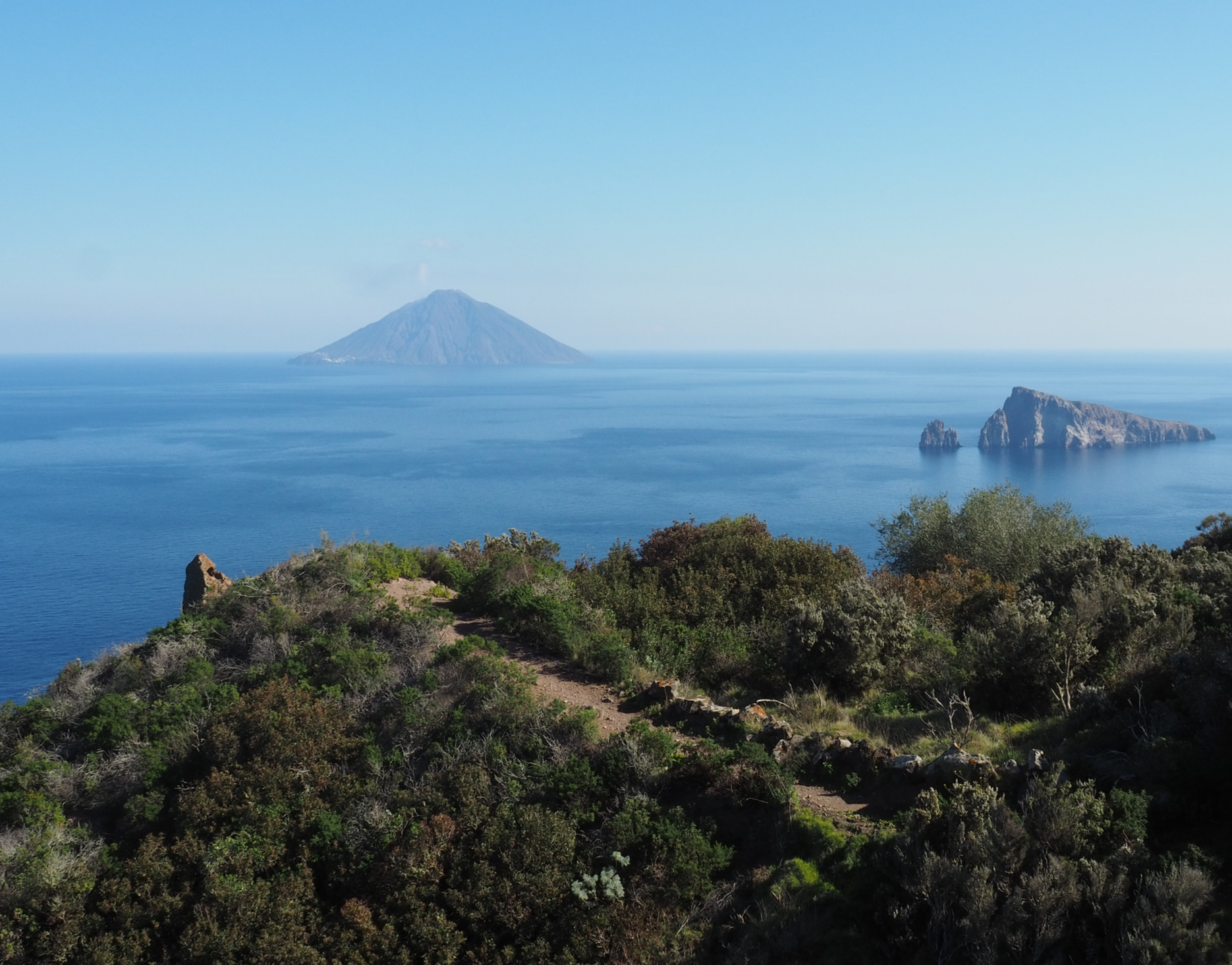
Stromboli volcanic eruptions
Highlight • Volcano
Translated by Google •
Tip by

Fumaroles and Colored Rocks on Vulcano Island
Highlight • Natural Monument
Translated by Google •
Tip by
Sign up for free to discover even more natural monuments around Lipari.
Sign up for free
Already have an account?
Start today with a free account
Your next adventure awaits.
Login or Signup

Other adventures around Lipari

Tips from the Community

Still closed in May 2025. They are planning to install toilets and infrastructure. We can... Do it the Sicilian way though... ;)
0
0

Stromboli is the only island in the archipelago where there is permanent volcanic activity. The eruptions are somewhat fragmented. This type of phenomenon has been called "Strombolian activity". The island is the northernmost of the group and its economy is based almost exclusively on tourism. Despite the difficult accessibility, the flat areas were once very fertile and well cultivated, and Stromboli became famous for the production of Malvasia grapes. Source: http://www.turismoeolie.com/patrimonio-umanita-unesco-isole-eolie/
1
1

Phenomenal natural spectacle! 🌋
4
1

Even in the nearby coastal area/bathing bay in the sea, you can still see bubbles rising in the water
6
1


Impressive scenes at the fire ramp can only be seen at dusk
3
0
For all those who shy away from the sweaty climb to the actual crater, this is a nice place to experience the effects of volcanism.
6
0

Former bathing establishment. Healing sulfur water. Doesn't smell good. It is fenced in but many visitors go to Baden through a hole in the fence
8
0
Frequently Asked Questions
What geological features can I expect to see among Lipari's natural monuments?
Lipari, being of volcanic origin, showcases a diverse range of geological features. You'll encounter dramatic sea stacks like the Faraglioni, colorful rock formations at the Cave di Caolino, and unique underwater landscapes shaped by pumice and obsidian at Punta Castagna. The island's volcanic heritage is evident in its dark sands, reddish hues, and ancient fumaroles.
Are there any unique natural formations or landscapes to explore in Lipari?
Absolutely. Punta Castagna on the northern side of Lipari offers a striking contrast between the brilliant white of the pumice-covered seafloor and the intense blue of the sea, making it a visually unique diving spot. The Cave di Caolino (Kaolin Quarries) on the western side features vibrant polychromatic rock formations and ancient pebble accumulations, revealing Lipari's geological past.
Where can I find the most dramatic sea views and geological formations in Lipari?
For dramatic sea views, the Faraglioni (Pietra Lunga and Pietra Menalda) are iconic sea stacks rising majestically from the sea. You can admire them up close on boat excursions or from the panoramic Quattrocchi Belvedere. Valle Muria Beach also provides stunning views of the Faraglioni and the island of Vulcano, framed by rocky promontories.
Can I visit active volcanic sites near Lipari?
Yes, several active volcanic sites are accessible from Lipari. You can visit the Gran Cratere of Vulcano, an active volcano offering stunning views, though it's important to be aware of sulfur smoke and wind conditions. Another notable site is the Stream of Fire, a volcano viewpoint, and the Stromboli volcanic eruptions, which can be observed from a safe distance.
What outdoor activities are available near Lipari's natural monuments?
The area around Lipari's natural monuments is perfect for various outdoor activities. You can explore numerous hiking trails, including the challenging Gran Cratere di Vulcano Trail. For cyclists, there are road cycling routes and MTB trails that offer scenic views. Diving and snorkeling are popular at sites like Punta Castagna and Valle Muria Beach, known for their rich marine life and clear waters.
Are there hiking opportunities to explore Lipari's natural monuments?
Yes, Lipari offers excellent hiking opportunities. The trekking route to the Cave di Caolino provides a scenic journey through vibrant rock formations and Mediterranean feather grass meadows. You can also hike to Mount Fossa delle Felci for a rewarding 360-degree panoramic view. For more options, check out the hiking guide around Lipari.
Are there any natural monuments suitable for diving or snorkeling?
Absolutely. Punta Castagna is highly recommended for experienced divers due to its fascinating underwater morphology, including gorgonian corals and diverse marine species. The surrounding seabed of the Faraglioni, particularly around Pietra Menalda, is also rich in marine life, making it a key spot for diving. Valle Muria Beach, with its clear blue waters, is ideal for both swimming and snorkeling.
What is the best time of year to visit Lipari's natural monuments?
Spring (April-May) and early autumn (September-October) are generally considered the best times to visit Lipari's natural monuments. The weather is pleasant for outdoor activities like hiking and exploring, and the Mediterranean flora, such as wild orchids at Cave di Caolino, is often in bloom during spring. Summer can be very hot, especially for strenuous hikes.
Are Lipari's natural monuments suitable for families?
Many of Lipari's natural monuments can be enjoyed by families. Beaches like Valle Muria offer a tranquil setting for relaxation and swimming. While some volcanic ascents can be challenging, boat excursions to see the Faraglioni are a great family-friendly activity. Always consider the difficulty and duration of specific trails when planning with children.
What should I wear or bring when visiting natural monuments in Lipari?
When visiting Lipari's natural monuments, especially for hiking or exploring volcanic areas, it's advisable to wear comfortable, sturdy shoes. Layers of clothing are recommended, as temperatures can vary, especially at higher altitudes or during windy conditions, such as at the Stream of Fire. Don't forget sun protection, plenty of water, and a camera to capture the stunning landscapes.
Where can I experience the therapeutic benefits of natural elements in Lipari?
Near Lipari, on the island of Vulcano, you can visit the Vulcano Mud Bath. This natural sulfur mud bath is renowned for its therapeutic properties, particularly beneficial for skin and joint conditions. After a mud bath, you can also find natural hot and seething springs in the adjacent sea.
What do visitors particularly enjoy about the natural monuments around Lipari?
Visitors frequently praise the breathtaking panoramic views, especially the 360-degree vista from Mount Fossa delle Felci. The unique geological formations, such as the colorful rocks at Cave di Caolino and the dramatic sea stacks of the Faraglioni, are also highly appreciated. Many find the experience of exploring Lipari's volcanic heritage both fascinating and visually stunning.
Most popular attractions around Lipari

Get inspired with the komoot mobile app


Explore more
Extend your search for the best caves by checking out these guides of the top ones around Lipari:
